





Vintage Kazak Area Rug
A vintage kazak area rug is a woven tribal floor covering from the Caucasus, prized for bold geometric medallions and rich natural dyes.
Vintage Kazak Area Rug
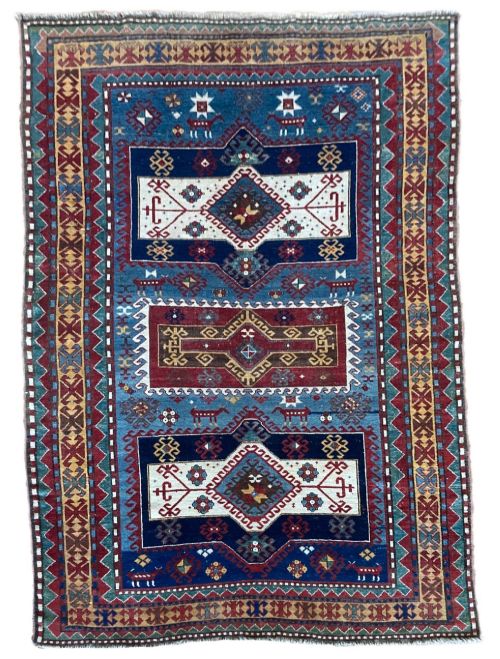
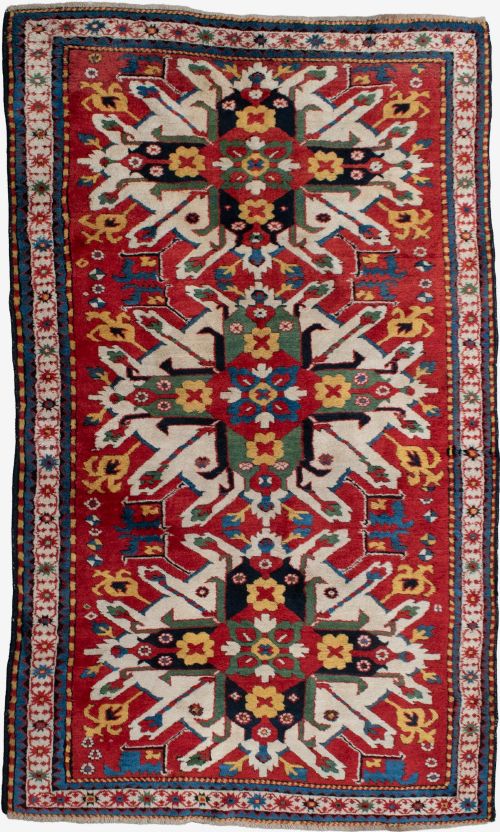
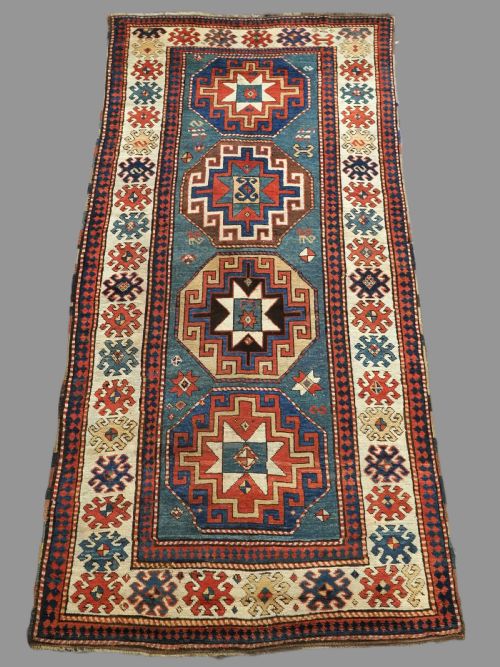
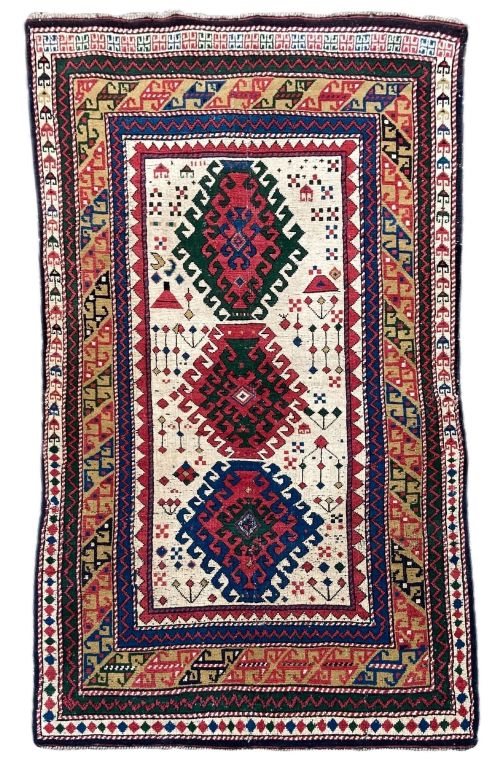
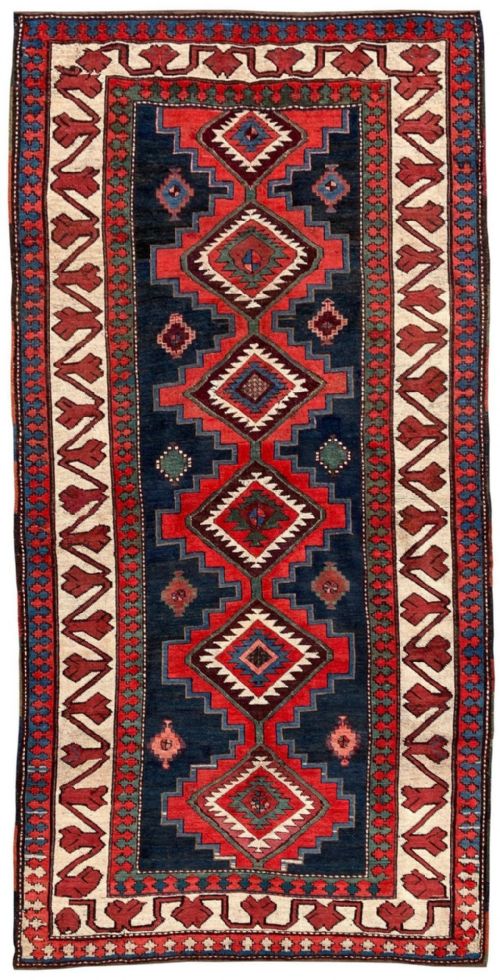
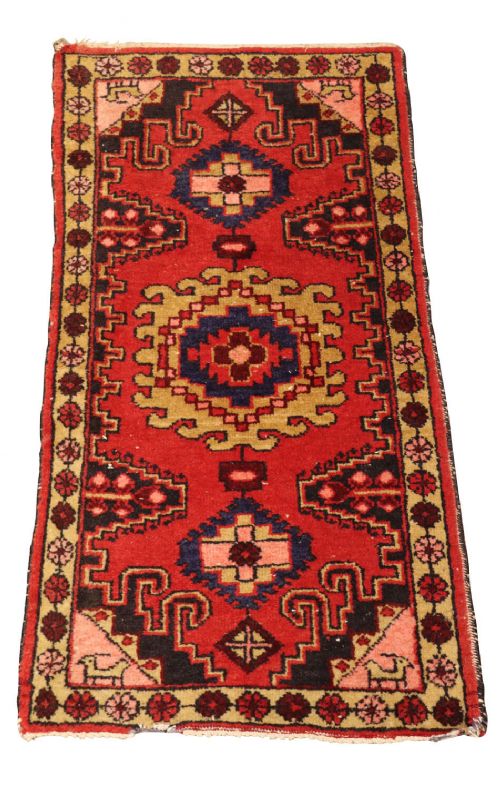
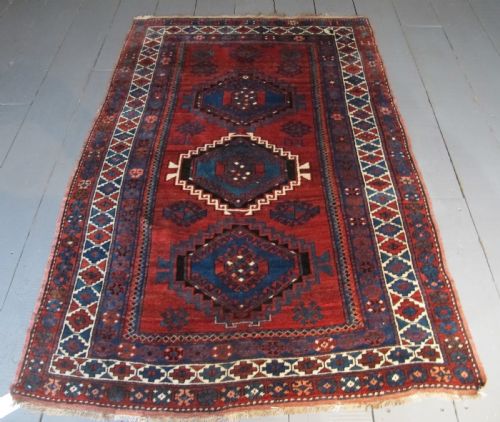
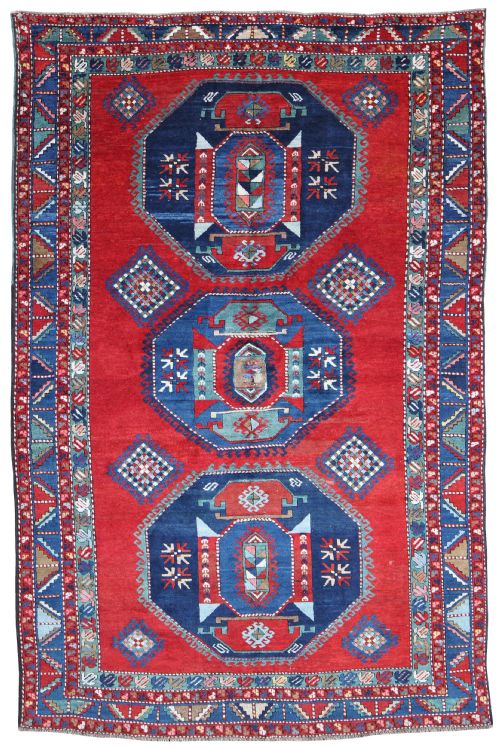
A vintage kazak area rug is a handmade floor covering originating from the Caucasus region, produced across the nineteenth and early twentieth centuries by tribal weavers. These textiles display striking geometric patterns, including hooked medallions, animal motifs, and prayer designs, which reflect the distinct traditions of regional groups such as the Borchalu, Karachov, and Lori Pambak.
Buyers encountering this selection will find formats ranging from small square pieces and long runners to larger area carpets. The structures incorporate specific local variations like diagonal stripes, cloud bands, and eagle motifs, anchored in the broader Caucasian and Caucasian tribal styles.
The dating of these examples spans from the mid-nineteenth century through the 1930s, capturing a period of traditional village production before commercial standardisation altered the craft. Each piece serves as a functional textile and an expression of regional folk art.
How they were made
The foundation and pile of these rugs rely entirely on wool and hand-spun wool, providing a sturdy structure that withstands centuries of use. Weavers knotted these natural fibres by hand onto wool warps and wefts, creating dense, resilient surfaces.
The coloration stems from traditional dyeing methods applied to the wool, producing deep green grounds, soft secondary tones, and strong contrasts that define the tribal aesthetic. Hand-knotting techniques ensure that the geometric motifs remain rigid and sharp across the field.
Vintage Kazak Area Rug Retail Price Guide 2026
Typical asking prices for vintage kazak area rug among the pieces listed under this phrase on Sellingantiques today, from the lower quarter to the upper quarter. They describe what is for sale here now, not the wider market.
The listings span from 1850 through the 1930s, featuring wool and hand-spun wool across Caucasian styles.
What varies in quality
The excellence of a piece depends heavily on the clarity of the knotting and the crispness of the geometric design. Tighter structures and more deliberate alignment of tribal motifs distinguish superior examples from simpler village work.
The handling of the wool and the depth of the dye saturation also determine the visual power of the textile. Master weavers achieved vibrant contrasts and harmonious palettes that retain their impact over generations.
The Vintage Kazak Area Rug Glossary
- Kazak
- A term applied to rugs woven in the southern Caucasus region, known for bold geometric designs and primary colour palettes.
- Hand-Knotted
- A construction method where individual strands of wool are tied by hand to the warp threads of the foundation.
- Latch Hook
- A stepped geometric motif commonly outlining medallions and borders in Caucasian tribal weaving.
- Medallion
- A central ornamental design element placed in the field of the rug, frequently repeated in series across Karabagh and Kazak examples.
- Prayer Rug
- A format featuring a distinct niche or mihrab shape at one end, traditionally used for individual prayer.
Vintage Kazak Area Rug: Frequently Asked Questions
How do I date a kazak rug?
Dating relies on wool quality, dye characteristics, and structural evidence within the weave. Earlier nineteenth-century examples often display softer, more integrated colour palettes and looser, heavier hand-spun wool.
Later pieces from the twentieth century tend to show crisper synthetic influences or standardised village patterns. Comparing regional sub-types like Borchalu or Karachov helps narrow the production era.
Where were these rugs made?
These textiles were produced in the Caucasus region by various tribal groups and village communities. Specific valleys and districts, such as Gendje, Moghan, and Borchalu, developed distinct regional patterns.
Weavers worked within local traditions, passing specific medallion layouts and border motifs down through generations.
How do I care for wool carpets?
Maintenance requires gentle vacuuming without a rotating brush roll to protect the hand-knotted pile. Keeping the rug out of direct sunlight prevents the natural dyes from fading prematurely.
Professional cleaning suited for antique textiles ensures the hand-spun wool remains stable over time.
What are tribal motifs?
Tribal motifs are traditional geometric symbols including stylized animals, hooked medallions, and diagonal stripes. These patterns carried cultural and protective meanings for the village weavers who created them.
Each design helps identify the specific regional origin and cultural group responsible for the rug.