





Vintage Japanese Porcelain Platter
When you search for a vintage japanese porcelain platter, you encounter centuries of kilns from Arita to Kutani designed for display and service.
Vintage Japanese Porcelain Platter
A vintage japanese porcelain platter covers large chargers, shallow bowls, and square or scalloped dishes intended for presentation. The forms span the Edo and Meiji periods through to the early twentieth century.
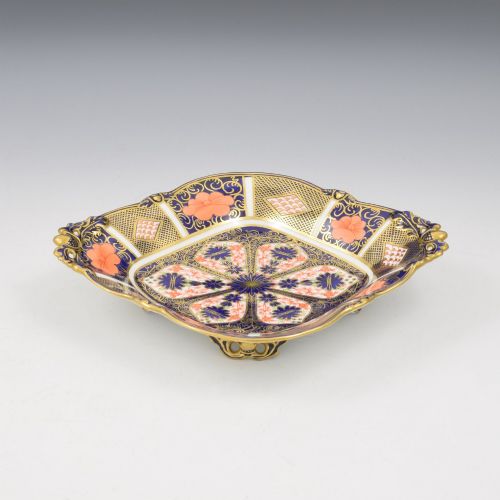
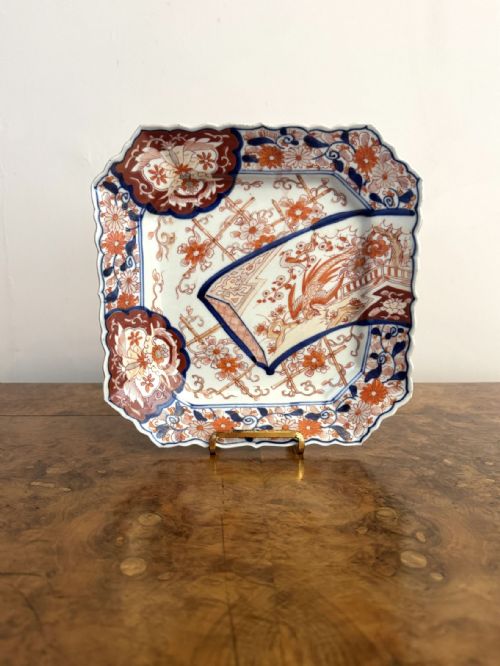
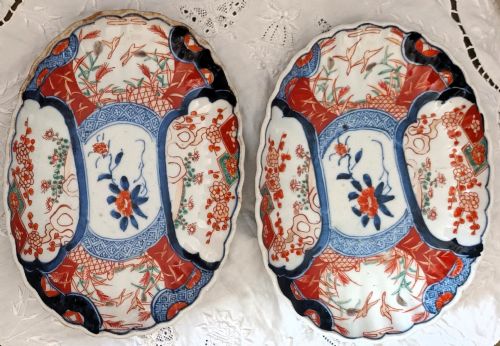
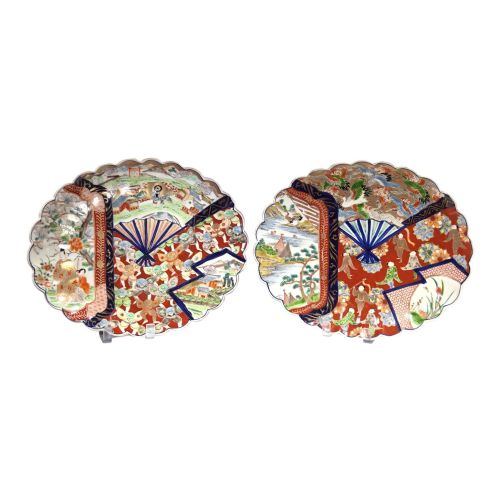
Imari patterns dominate the selection, bringing cobalt underglaze blue and iron red enamel highlighted with gilding. Other examples display blue and white designs or pictorial scenes such as the Seven Lucky Gods and cranes.
How they were made
Potters shaped porcelain clay on the wheel or in moulds before applying cobalt underglaze for the foundational blue motifs. Firing fixed this base before overglaze enamels in red, green, and gold leaf were added and fired again at lower temperatures.
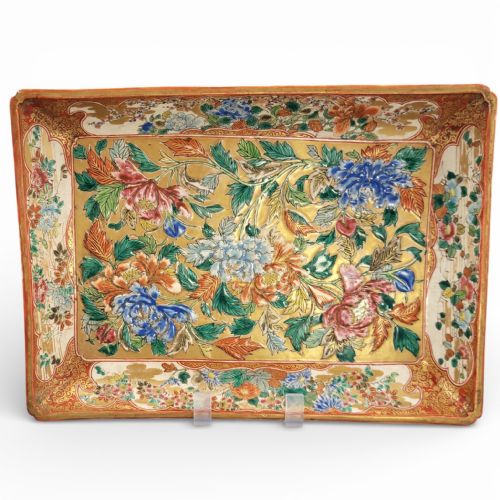
Specialised workshops produced distinct styles like Kutani, utilising rich colour palettes and gold highlights on ceramic bodies. Artisans also turned to cloisonné enamel on metal foundations for decorative wall plates.
Several platters depict the Seven Lucky Gods travelling together on a treasure ship, bringing miniature deities into your dining room.
What varies in quality
Quality rests in the crispness of the underglaze cobalt painting and the precision of the hand-applied enamel and gilding work. Pieces with balanced compositions and retained gold leaf stand apart from simpler production ware.
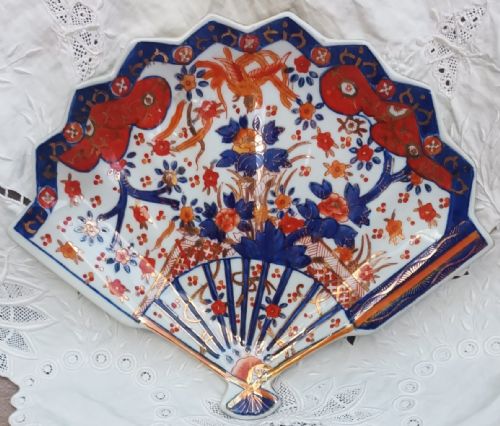
The weight of the porcelain body and the regularity of the shape, whether round, square, or fan-formed, indicate the skill of the potter. Firing consistency and surface wear distinguish ordinary utility items from superior decorative chargers.
The Vintage Japanese Porcelain Platter Glossary
- Imari
- A traditional Japanese porcelain style originating in Arita, defined by a palette of cobalt underglaze blue, iron red, and gold. These pieces were widely exported to Europe from the seventeenth century onward.
- Meiji Period
- The era of Japanese history lasting from 1868 to 1912, marked by opening trade with the West and prolific ceramic production. Objects from this time often combine traditional motifs with grand scale.
- Edo Period
- The period spanning from 1603 to 1867, during which Japanese ceramic artistry established distinct regional kilns and decorative techniques. Surviving platters from this era show early export and domestic forms.
- Kutani
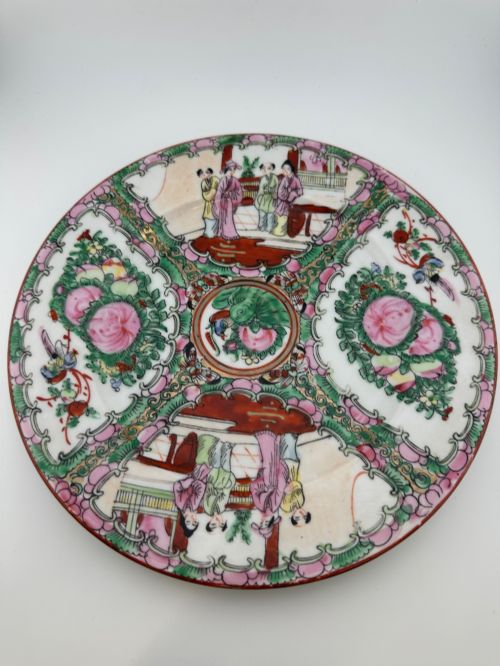
- A style of Japanese porcelain known for vibrant overglaze enamels and gold details, often depicting natural scenes or figures. Shoza style is a noted variation within this tradition.
- Charger
- A large decorative plate or platter originally intended for ceremonial dining or sideboard display. These substantial pieces frequently measure significant diameters and hang on walls.
Vintage Japanese Porcelain Platter: Frequently Asked Questions
Can I use these platters for food?
Historical porcelain plates and chargers serve primarily as decorative objects for display on tables or walls. Older overglaze enamels and gold leaf can wear down with frequent washing and cutlery use.
Hand wash vintage platters gently in warm soapy water if cleaning becomes necessary. Avoid dishwashers and harsh abrasives to preserve the integrity of the painted surface.
How do I date a porcelain dish?
Dating relies on stylistic markers, potting characteristics, and historical periods such as the Edo or Meiji eras. Cobalt tones and glaze qualities shift between eighteenth-century Arita work and later twentieth-century production.
Compare foot rings and baseline clay textures across different decades. Unglazed rims often reveal the age and preparation of the ceramic body.
What is the difference between Imari and Kutani?
Imari porcelain relies on a strict combination of underglaze cobalt blue, iron red, and gold overglaze. The patterns frequently feature geometric borders framing floral panels and landscapes.
Kutani ware employs a broader, more painterly palette of heavy green, purple, yellow, and red enamels with extensive gold gilding. These pieces often highlight specific pictorial subjects like peonies and figures.