





Vintage Italian Gilt Mirrors
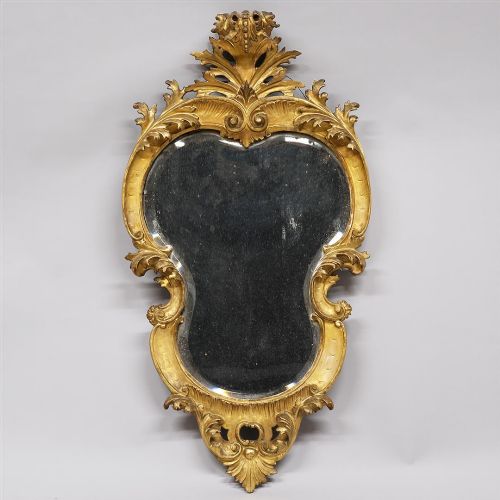
Vintage Italian gilt mirrors bring ornate, carved presence to a room, led by Florentine and Rococo wall pieces created across the nineteenth and twentieth centuries.
Vintage Italian Gilt Mirrors
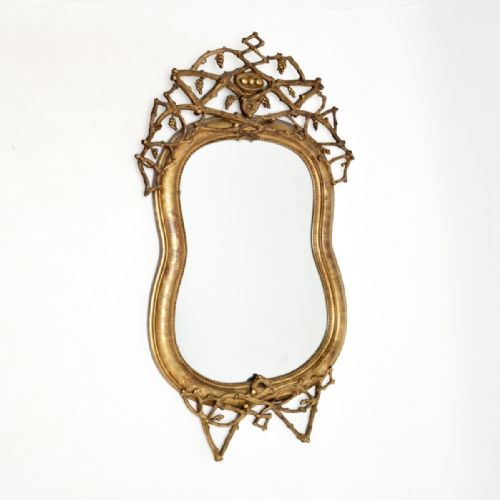
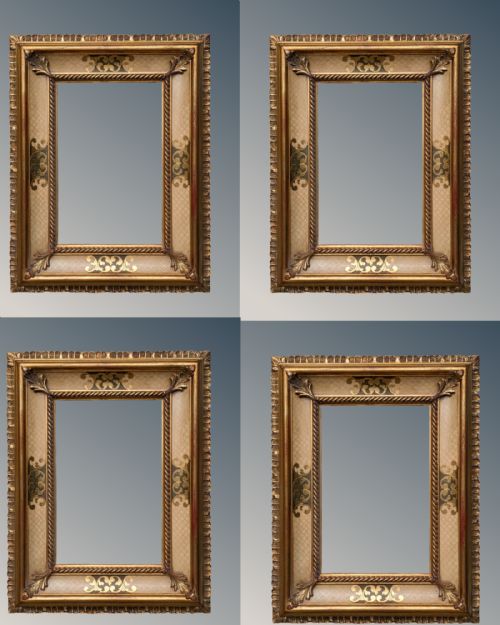
Vintage Italian gilt mirrors are decorative looking glasses and frames produced in styles ranging from Italian Baroque and Rococo Revival to Florentine and Neoclassical. These objects manifest principally as wall mirrors, overmantels, girandoles, and picture frames designed to draw the eye within a reception hall, drawing room, or over a fireplace.
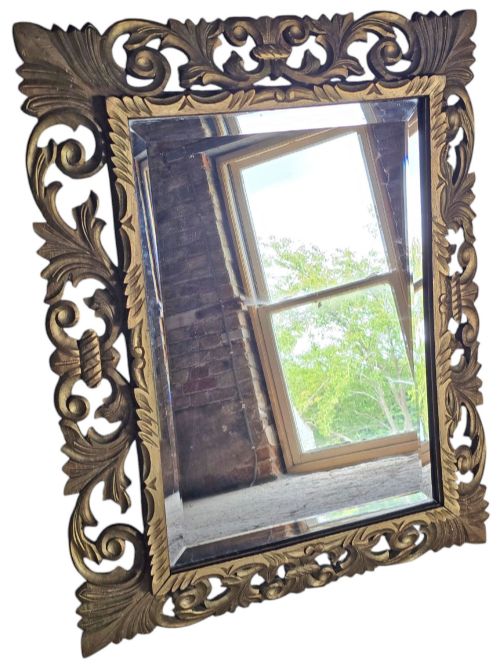
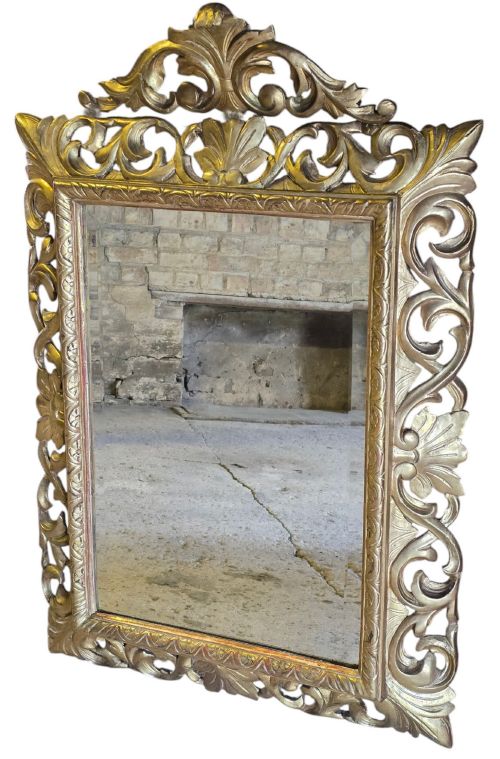
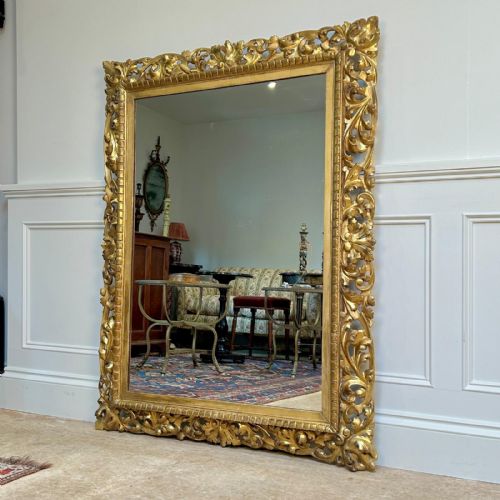
The version most commonly encountered on this page is the Florentine giltwood wall mirror, typically dating from the nineteenth century or the early twentieth century. Such pieces often display pierced, carved scrolling foliage, elaborate crests, and burnished gold surfaces that reflect centuries of regional Italian craftsmanship.
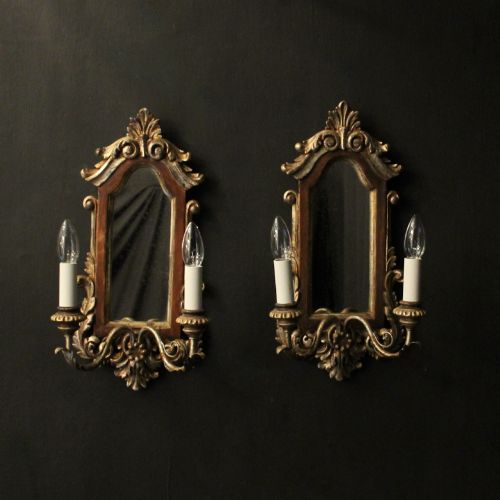
Beyond standard wall glasses, the selection includes pier glasses, console tables, and twin-arm girandoles that incorporate candles or integrated lighting. These forms show the breadth of Italian domestic furnishings produced for grand interiors across different periods.
How vintage Italian gilt mirrors were made
Makers fashioned the core structure of these mirrors from carved wood, applying layers of gesso to smooth the surface before adding gold leaf or paint. This foundational technique allowed artisans to achieve crisp relief work on intricate frames and ornate overmantels.
Many examples combine carved giltwood with mirrored glass plates, occasionally featuring engraved details on the glass itself. Polychrome painted accents also appear alongside the gold leaf, adding depth and colour variation to the carved motifs.
Several mirrors include paired twin-arm girandoles, ready to reflect the warm, flickering glow of candles just as they did centuries ago.
What varies in quality in vintage Italian gilt mirrors
Quality rests upon the depth and precision of the hand carving within the wood or gesso, separating sharply defined foliage from softer, more generalized moulding. Superior examples display confident, deep relief work where every scroll and crest possesses distinct architectural clarity.
The composition of the gilding further distinguishes pieces, as genuine gold leaf ages with a warmer, deeper lustre compared to later or simpler metallic paint applications. The integration of original mirror glass plates with period silvering adds considerable character and authenticity to the object.
The Vintage Italian Gilt Mirrors Glossary
- Giltwood
- Wood that has been coated with gold leaf or gold paint. This finish creates a luminous metallic surface that defines the aesthetic of these mirrors.
- Gesso
- A plaster-like mixture applied to wood frames to create a smooth surface for carving and gilding. It allows artisans to shape intricate relief details before applying gold leaf.
- Girandole
- A branched wall fixture or mirror with candle holders attached. These pieces combine reflective glass with functional arms for illumination.
- Overmantel
- A large mirror designed to hang specifically above a fireplace mantelpiece. They command visual space and often reflect the entire length of a room.
- Pier Glass
- A tall, narrow mirror designed to hang on the wall space between windows. They maximise available light in nineteenth-century interiors.
Vintage Italian Gilt Mirrors: Frequently Asked Questions
How do I hang a heavy Italian gilt mirror?
Heavy carved wood and gesso mirrors require secure wall fixings distributed across sturdy structural studs or masonry anchors. Professional hanging hardware ensures the substantial weight is supported safely without straining the antique frame.
Position the mirror at a height that allows comfortable viewing while balancing the surrounding furniture, particularly when placed above a mantelpiece or console table.
What defines the Florentine style?
Florentine mirrors are characterised by ornate, deeply carved scrolling foliage and elaborate crests that project outward from the frame. This regional style often utilises continuous leaf motifs without visible corners.
Craftsmen in Florence produced these pieces across multiple centuries, maintaining a distinct ornamental language focused on rich surface texture and movement.
How should I clean a vintage gilt frame?
Dust the carved surfaces gently with a soft, dry brush to remove debris without disturbing fragile gesso or gold leaf. Avoid liquid cleaners, polishes, or damp cloths, as moisture damages aged gilding and underlying wood.
Preserving the original surface patina requires minimal intervention and careful handling during routine maintenance.
Are these mirrors made of solid gold?
These pieces feature thin sheets of gold leaf applied over a gesso and wood base rather than solid gold construction. This traditional gilding technique provides a luminous metallic appearance while keeping the overall weight manageable for wall hanging.
The underlying material is typically carved wood or composite gesso moulded over a wooden framework.