



Vintage Italian Accent Chairs
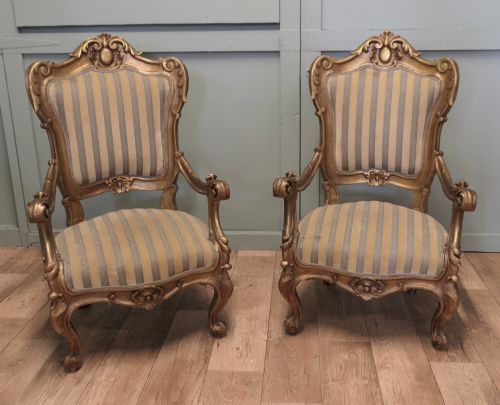
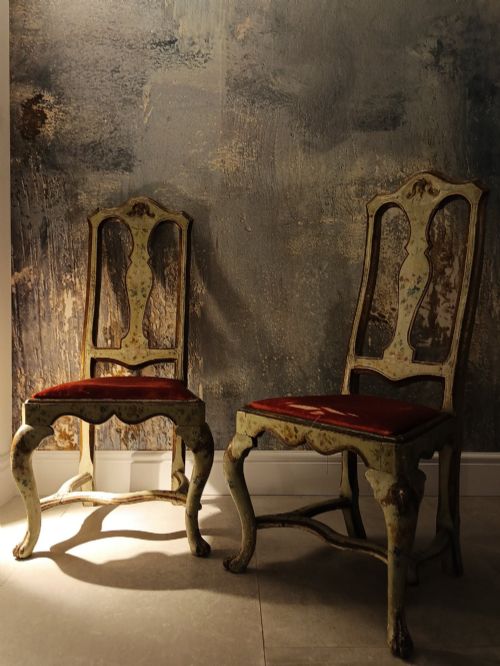
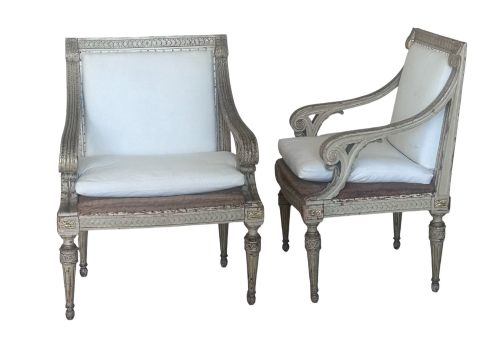
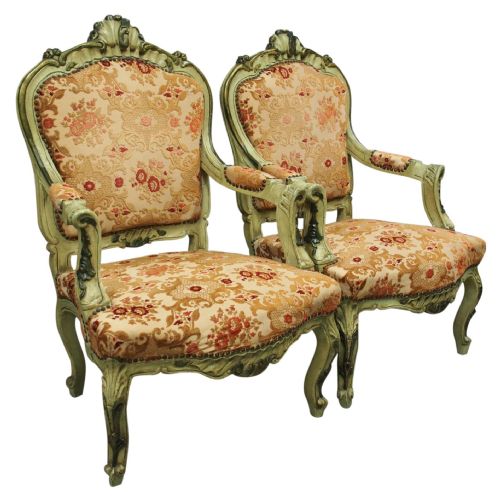
These vintage Italian accent chairs bring centuries of continental craft into a room, offering both historic form and seating presence.
Vintage Italian Accent Chairs
Vintage Italian accent chairs encompass a diverse range of seating forms originating from various historical periods across the peninsula. When searching for vintage Italian accent chairs, collectors encounter distinct regional styles spanning from the eighteenth century to the early twentieth century.
Buyers frequently meet pieces defined by revival movements, including Renaissance, Baroque, and Rococo interpretations. These seating options serve both decorative and functional roles in traditional and contemporary interiors alike.
How they were made
Cabinetmakers utilised regional timbers such as walnut, shaping frames through traditional joinery before applying decorative finishes. Surfaces often received gesso preparation followed by paint and gilding to accentuate carved details.
Upholstery techniques varied according to the period, employing traditional stuffing and heavy textiles like velvet and damask. Specialised construction methods also included bobbin turning and intricate wood carving executed by skilled artisans.
Vintage Italian Accent Chairs Retail Price Guide 2026
Typical asking prices for vintage italian accent chairs among the pieces listed under this phrase on Sellingantiques today, from the lower quarter to the upper quarter. They describe what is for sale here now, not the wider market.
Listings feature walnut, gesso, and painted wood across eighteenth and nineteenth-century periods.
What varies in quality
The distinction between standard and exceptional pieces lies in the crispness of the wood carving and the authenticity of the surface finish. Original painted and gilded surfaces command greater attention than later or refreshed coatings.
Structural integrity of the timber frame and the retention of period textiles influence the standing of an individual chair. Proportion, balance, and the sophistication of regional stylistic interpretations further separate ordinary examples from masterworks.
White, Allom And Co
The Vintage Italian Accent Chairs Glossary
- Savonarola chair
- A folding armchair constructed from multiple intersecting wooden slats, originating in the Italian Renaissance. This X-shaped form often includes a carved wooden backrest.
- Gondola chair
- A nineteenth-century seating form featuring a curved, enclosing backrest that resembles the silhouette of a Venetian boat. It functions well as a decorative corner or desk seat.
- Sgabello chair
- A historic wooden chair characterised by a high, narrow back and solid trestle supports instead of conventional legs. These early forms typically display carved ornamentation.
- Bobbin turned
- A method of woodturning that produces a series of rounded, spool-like shapes along the length of a stretcher or leg. This technique appears frequently on nineteenth-century revival seating.
- Gesso
- A plaster-based mixture applied to wood surfaces to create a smooth base for subsequent painting or gold leaf application. It allows for sharp relief work in decorative carving.
Vintage Italian Accent Chairs: Frequently Asked Questions
How do I identify a Savonarola chair?
These folding armchairs use an X-frame construction made from intersecting wooden slats. The design derives from Renaissance prototypes associated with historic Florentine figures.
They offer portable seating while maintaining a formal and architectural presence in a room.
Where were sgabello chairs used?
Historically positioned in grand hallways and antechambers, sgabello chairs displayed familial crests and elaborate carvings. Their narrow profile suited perimeter wall placement.
Today, they function effectively as striking accent pieces in entryways or narrow corridors.
What is bobbin turning?
Bobbin turning involves shaping wood on a lathe to create symmetrical, spool-like or bead-like modules. This decorative joinery technique adds rhythmic texture to chair legs and stretchers.
Its presence often signals nineteenth-century revival interpretations of earlier seventeenth-century furniture.
How should I care for painted wood?
Protect antique painted and gilded surfaces by maintaining stable room humidity and avoiding direct sunlight. Dust gently with a dry, soft cloth without applying modern chemical polishes.
Preserving the original decorative skin maintains the historic integrity of the piece.