
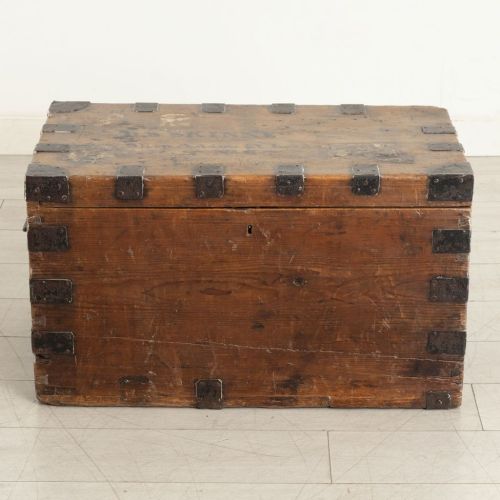
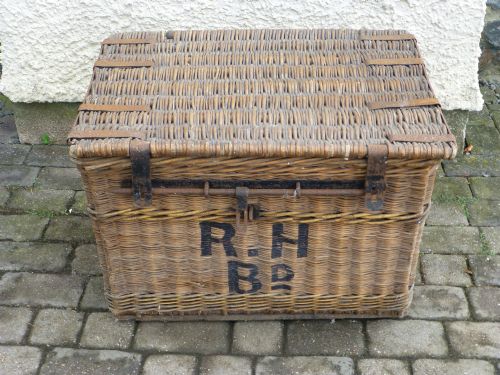
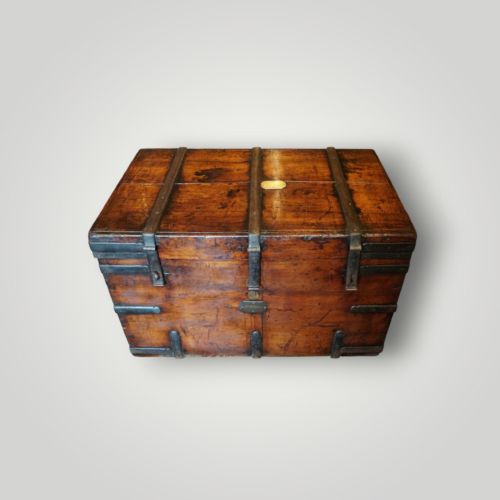
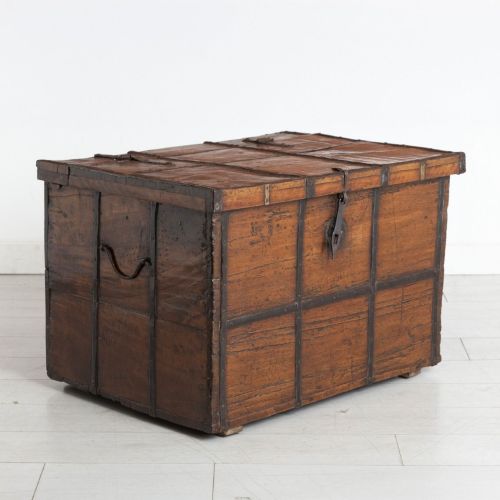
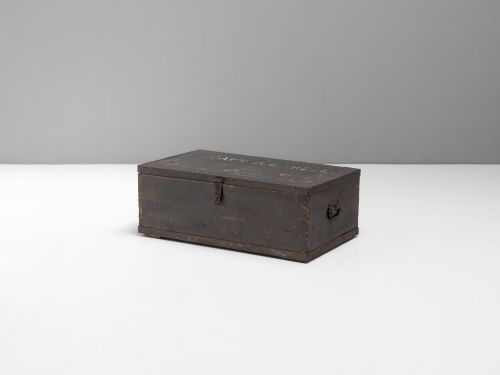
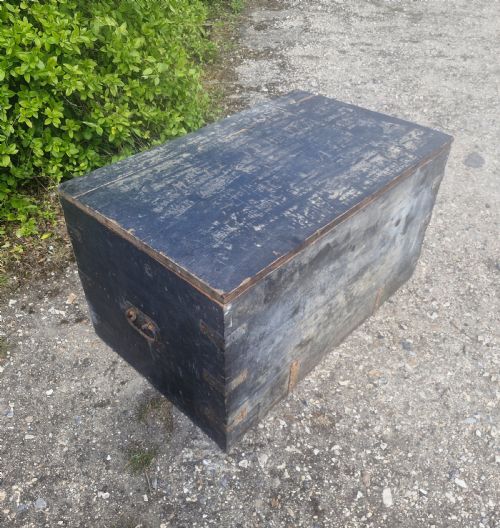

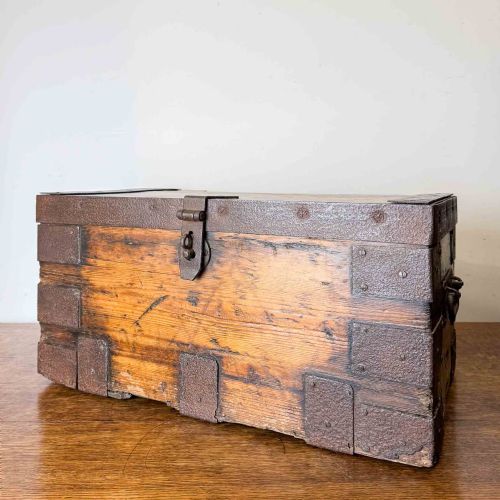

Vintage Iron Bound Trunk
These vintage iron bound trunks bring industrial strength and utilitarian history directly into modern living spaces.
Vintage Iron Bound Trunk
When searching for a vintage iron bound trunk, buyers encounter heavy storage containers designed for travel, military campaigns, or household organisation across past centuries. These pieces function equally well as coffee tables, blanket boxes, or statement storage solutions in contemporary rooms.
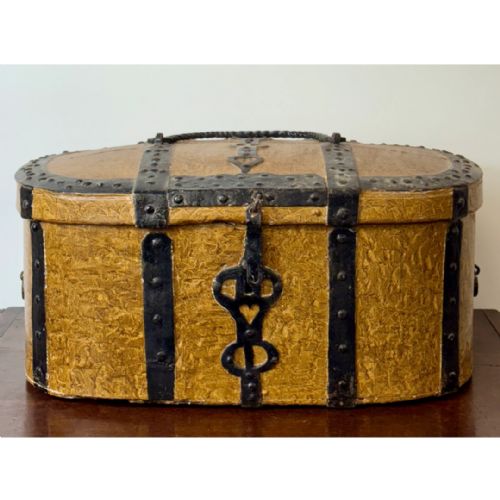
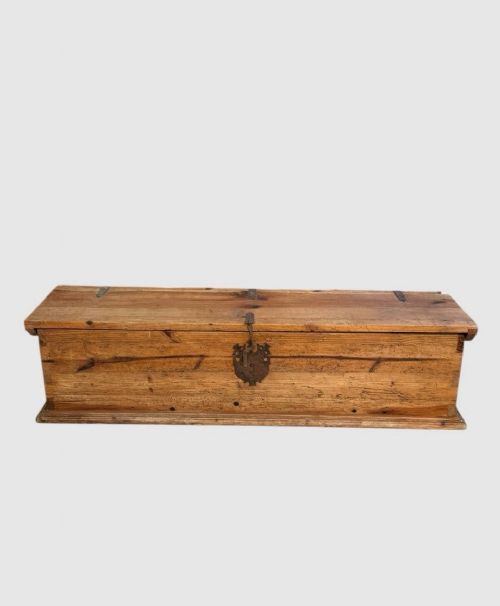
Buyers also meet specialised forms such as dowry chests, strongboxes, and silver chests originating from British, Swedish, and Indian workshops. Each object carries the marks of its original transit or domestic utility, utilising robust timbers and heavy metal banding.
How they were made
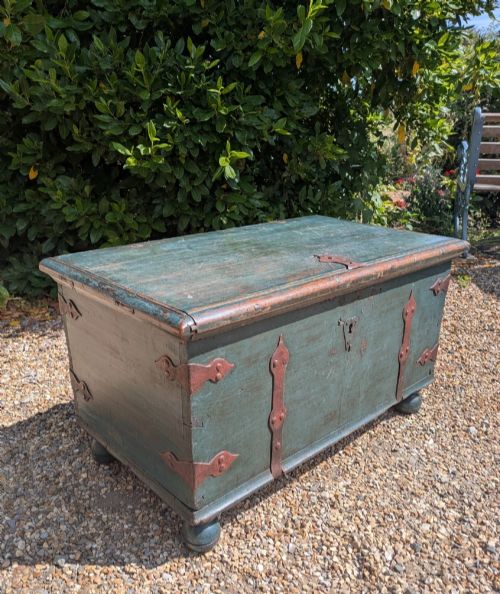
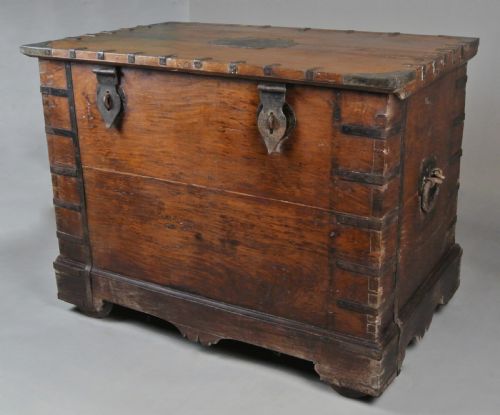
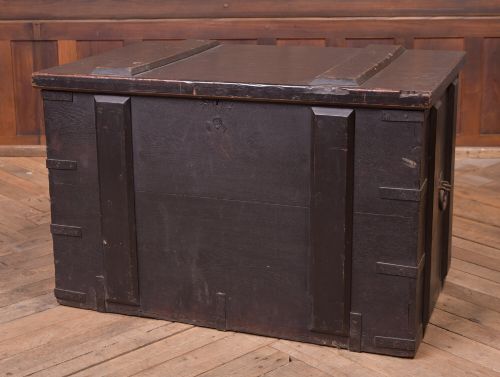
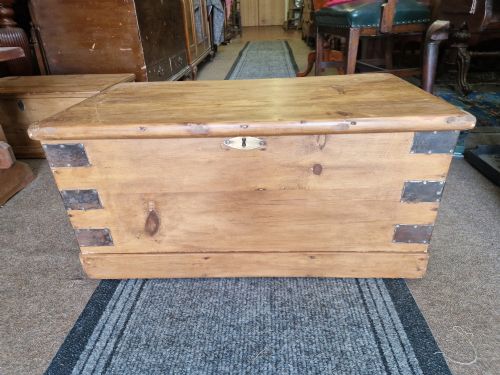
Makers constructed these trunks using primary structural timbers such as pine, oak, teak, mahogany, and elm, selected for durability during transit. Iron, wrought iron, and brass straps, hinges, and corner brackets were applied to reinforce the wooden carcasses against heavy impacts.
Blacksmiths and craftsmen secured the metal elements with hand-forged strapwork and visible rivets, ensuring the boxes could withstand maritime shipping and military campaigns. Some examples feature applied paint finishes, protective metal banding, or hide coverings over the wooden structure.
Regional variations span British campaign items, Swedish folk art painted boxes, and Indian dowry chests.
What varies in quality
The distinction between standard utility boxes and finer examples rests on the sophistication of the hardware, the integrity of the original timber, and the presence of documented provenance. Hand-forged iron strapwork and complex locking mechanisms elevate a simple storage box into a piece of craftsmanship.
Original painted surfaces, untouched patination, and intact interiors distinguish pieces that retain their historical character from those heavily restored. The weight of the timber and the precision of the joinery mark the difference between regional vernacular pieces and high-grade military or campaign output.
The Vintage Iron Bound Trunk Glossary
- Strapwork
- Iron or brass bands applied across the exterior of a chest to reinforce the wooden structure. These metal strips protect corners and joints from splitting during travel.
- Campaign chest
- A portable piece of furniture designed to dismantle or withstand frequent military transport. These items often feature recessed brass handles and reinforced edges.
- Dowry chest
- A traditional storage box created to hold household linens and possessions for a marriage. Examples frequently display regional paintwork or carved ornamentation.
- Strongbox
- A secure container constructed with thick timber and heavy iron banding for valuables. These heavy boxes typically incorporate complex locking systems.
- Coffer
- A traditional heavy wooden chest used primarily for safekeeping precious goods. Early examples often feature primitive joinery and robust iron hinges.
Vintage Iron Bound Trunk: Frequently Asked Questions
How were iron bound trunks used originally?
These trunks served as durable luggage for sea voyages, military expeditions, and long-distance travel before modern suitcases existed. They protected clothing, silver, and documents from moisture and rough handling.
In domestic settings, families utilised them as stationary storage chests for blankets, winter garments, and household valuables. Their robust construction allowed them to double as seating or tables during transit.
How can I date an iron bound trunk?
Dating relies on examining the construction techniques, timber species, and ironwork details visible on the piece. Hand-forged strapwork and primitive dovetail joints often indicate earlier periods, while machine-rolled metal points toward later nineteenth-century manufacture.
Hardware styles, lock mechanisms, and any surviving maker labels or painted inscriptions provide further chronological clues. Comparative analysis with dated examples helps narrow down the decade of production.
Where should I place a trunk in my home?
These trunks function effectively as coffee tables in living rooms, offering hidden storage for books and blankets. Their sturdy tops easily support everyday decorative objects.
Placing one at the foot of a bed provides accessible blanket storage while anchoring the bedroom decor. Smaller strongboxes work well as side tables or desktop organizers.
How do I care for the iron and wood?
Maintain the timber by applying occasional applications of appropriate wax to nourish the dry wood and preserve the surface patina. Avoid excessive moisture to protect both the grain and the internal linings.
Keep the iron components clean and dry to prevent active corrosion, treating any stable metal surfaces with a light protective wax. Gentle dusting preserves the historical finish without altering the aged appearance.