


Vintage Inlaid Tea Table
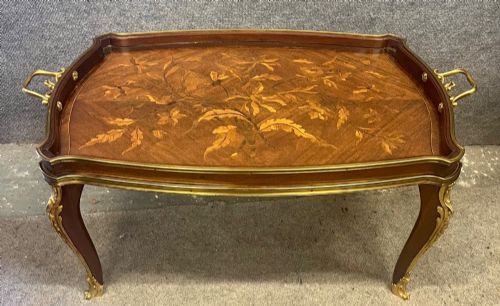
A vintage inlaid tea table brings intricate floral or geometric patterns to your sitting room through centuries of cabinetmaking tradition.
Vintage Inlaid Tea Table
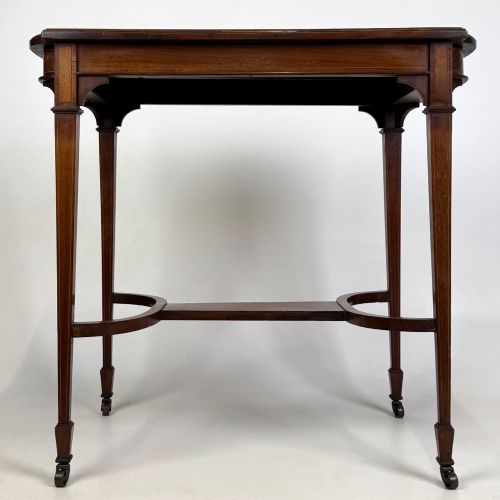
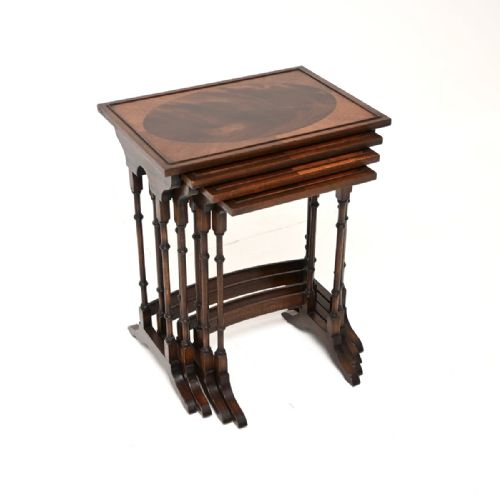
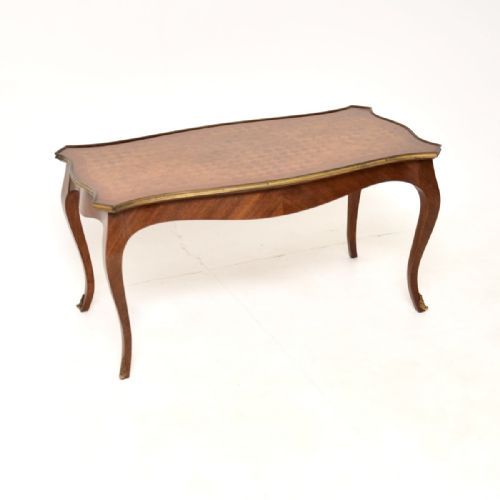
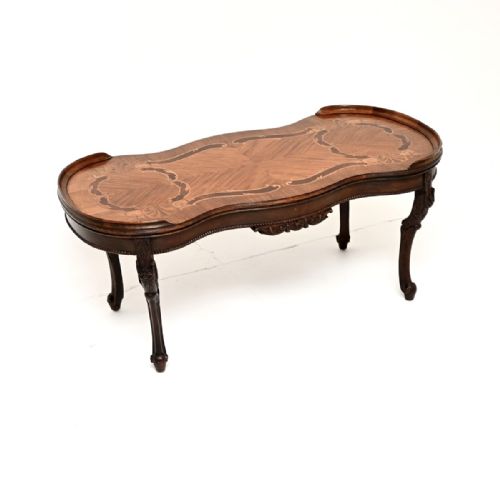
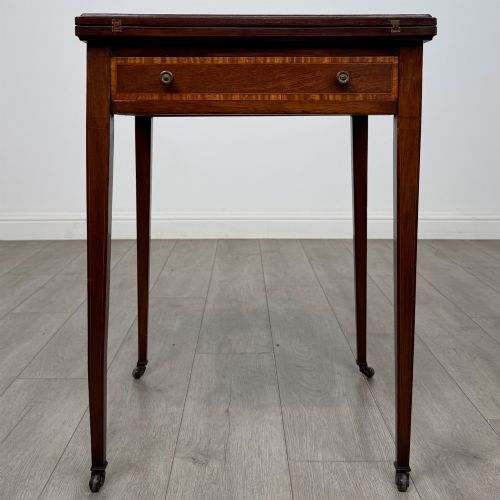
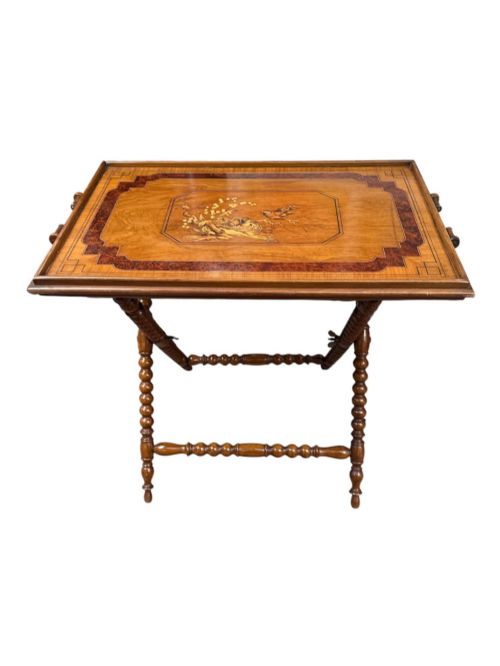
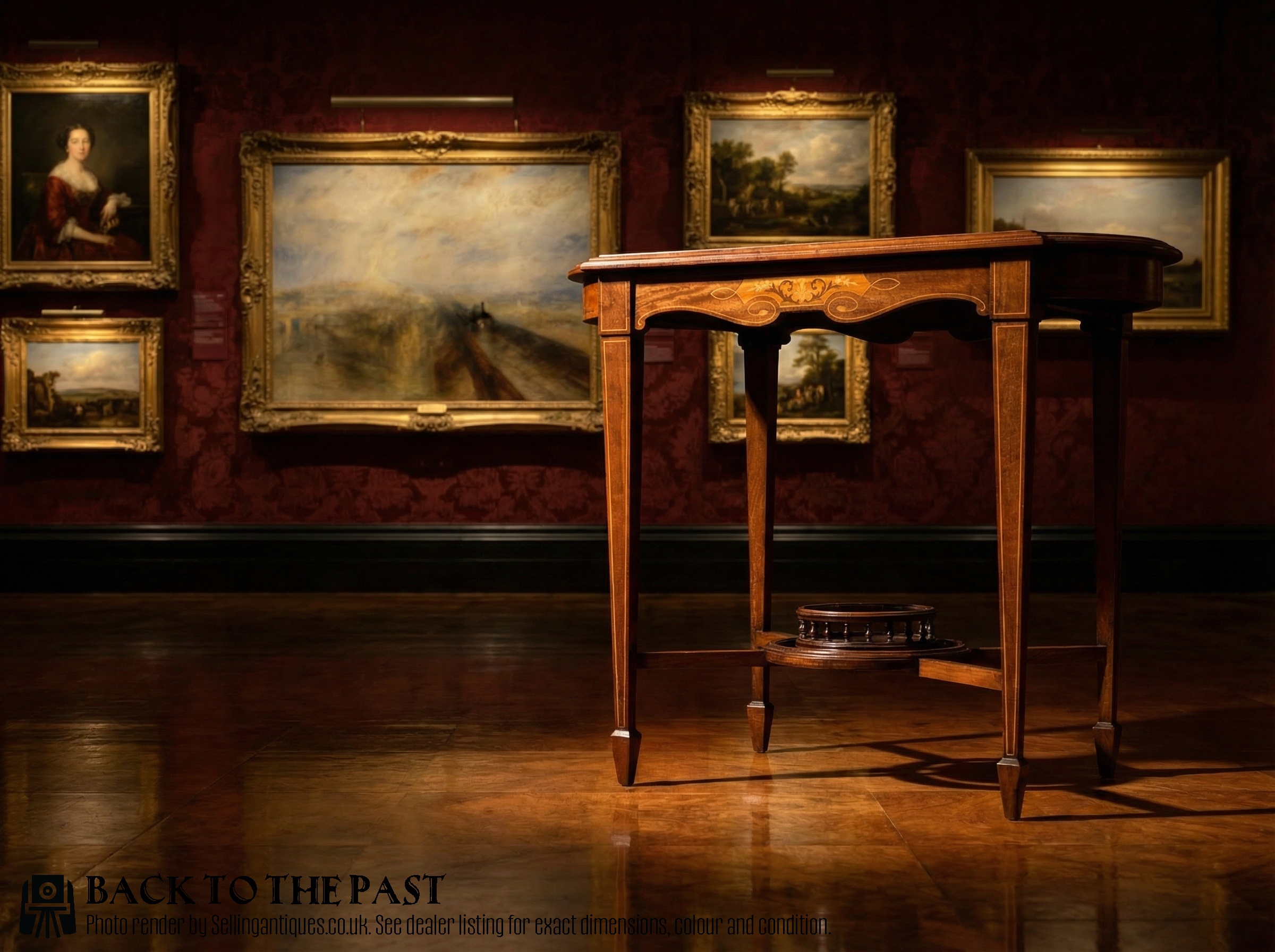
A vintage inlaid tea table combines functional domestic surfaces with decorative woodworking traditions from the Victorian, Edwardian, and early twentieth-century periods. These pieces appear in numerous forms including occasional tables, nests of tables, card tables, and folding tray tables designed for entertaining or display.
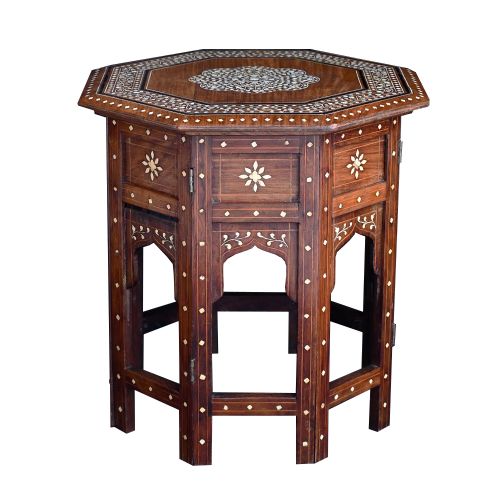
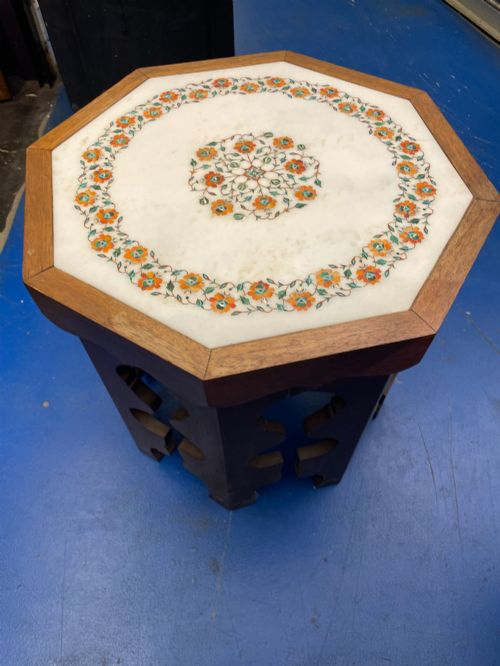
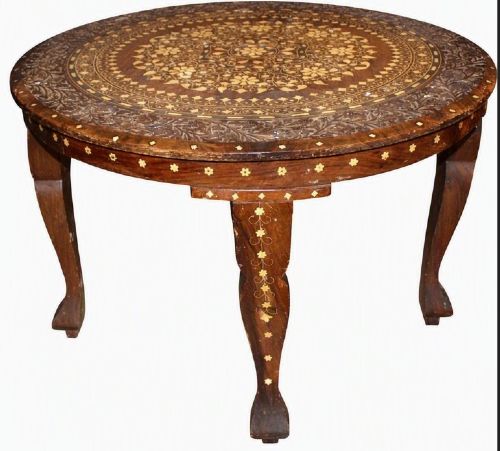
Edwardian mahogany examples and Victorian walnut or rosewood versions dominate the selection, frequently featuring contrasting lighter woods set flush into the primary timber. Regional variations such as Anglo-Indian Hoshiarpur pieces and Sorrento ware introduce distinct materials like bone, mother-of-pearl, and specialised geometric parquetry.
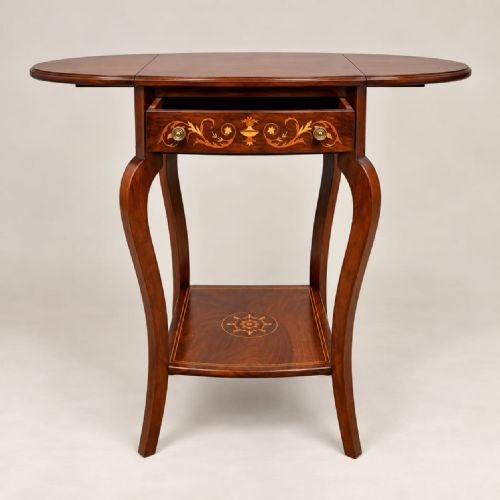
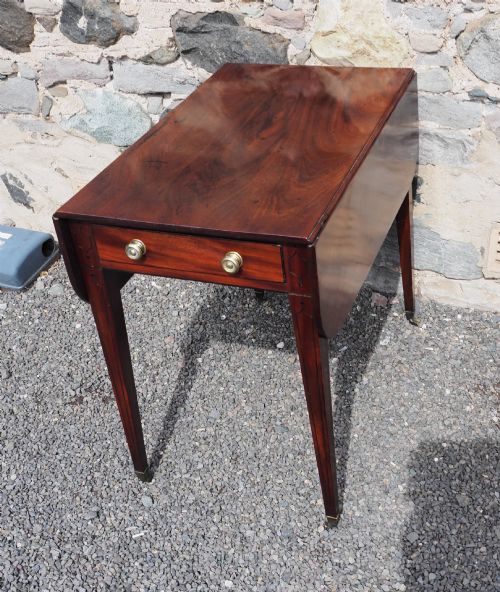
Buyers encounter everything from envelope card tables to multi-tiered nests and drop-leaf Pembroke tables suited for compact spaces or central room placement. Each configuration reflects the social habits of its period, prioritising mobility, foldability, or expandable surfaces for hospitality.
Materials and construction methods
Cabinetmakers utilised dense hardwoods such as mahogany, walnut, and rosewood for the primary frames, providing a stable dark ground for decoration. Satinwood and boxwood supplied the contrasting pale tones required for delicate linear stringing and floral motifs.
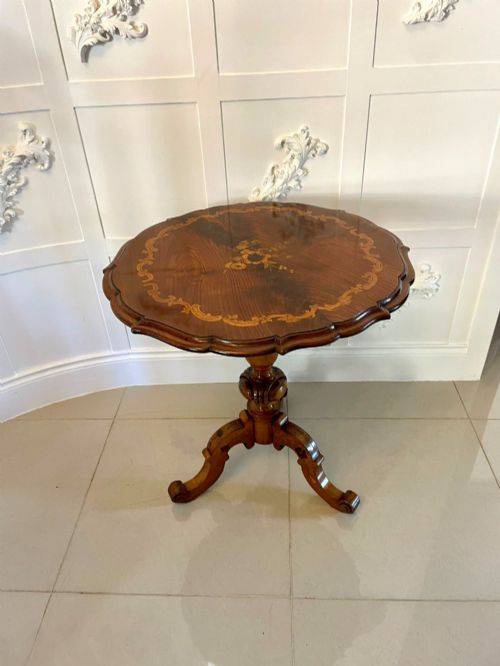
Intricate surface decoration relied on marquetry and parquetry techniques, where fine wood veneers were cut to shape and fitted tightly together before gluing to the substrate. Specialised workshops also incorporated natural elements like bone and mother-of-pearl, embedding them directly into carved recesses within teak or rosewood structures.
Listings feature tables spanning from the eighteenth century through the Art Deco period of the 1930s.
Distinctions in construction and design quality
Quality separates pieces by the precision of the veneer work and the crispness of the surrounding timber carving. Superior examples maintain completely flush surfaces where different woods meet, showing no shrinkage gaps or raised edges along the inlay lines.
The choice of secondary timbers and the complexity of the underlying mechanism - such as smoothly operating card table folds or tightly interlocking nests - distinguish standard production furniture from master workshops. Finer tables balance decorative ambition with structural integrity, ensuring joints remain tight and decorative borders align symmetrically.
Liberty And Co
The Vintage Inlaid Tea Table Glossary
- Marquetry
- A decorative technique applying fitted pieces of veneer to a structure to form pictorial or ornamental designs. It differs from parquetry by creating curved or figurative patterns rather than geometric tile effects.
- Parquetry
- Geometric wood mosaic work used for floors and tabletops. Artisans arrange small blocks of contrasting timber into repeating angular patterns.
- Satinwood
- A durable, lustrous timber native to India and Sri Lanka with a yellowish sheen. Cabinetmakers favoured it for contrasting borders and light-toned inlay work.
- Pembroke table
- A small rectangular table with two hinged drop leaves on opposing sides. It often includes a single drawer and tapering legs.
- Quartetto nest
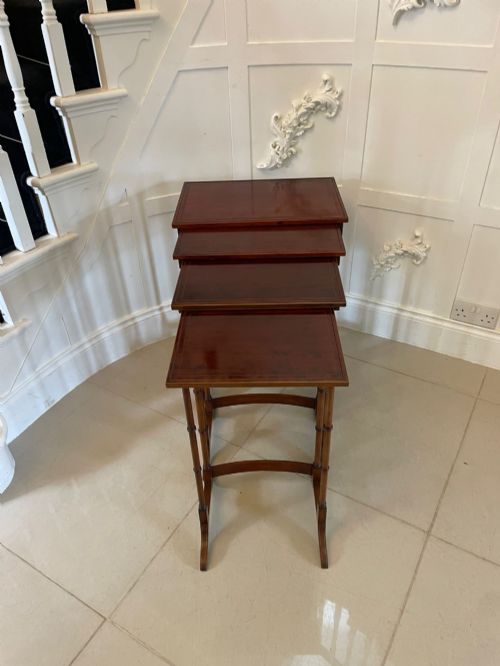
- A set of four graduating tables designed to slide neatly beneath one another. They gained popularity during the Edwardian period for tea service and flexible entertaining.
Vintage Inlaid Tea Table: Frequently Asked Questions
How do I identify Hoshiarpur tables?
Hoshiarpur tables originate from the Punjab region of India and feature dense overall carving across seasoned teak or sheesham wood.
They incorporate intricate bone or mother-of-pearl inlay arranged in geometric and floral patterns, often constructed with folding octagonal bases.
Where should I place a nest of tables?
A nest of tables works best beside a sofa or armchair where the smaller inner pieces can be pulled out as needed for drinks or books.
When not in use, the stacked tables occupy the footprint of a single small occasional piece.
What distinguishes Edwardian tables from Victorian ones?
Edwardian tables generally showcase lighter satinwood and mahogany timbers with refined, restrained inlay patterns reflecting neoclassical revival styles.
Victorian pieces lean towards heavier walnut and rosewood structures featuring bolder marquetry and more robust proportions.