

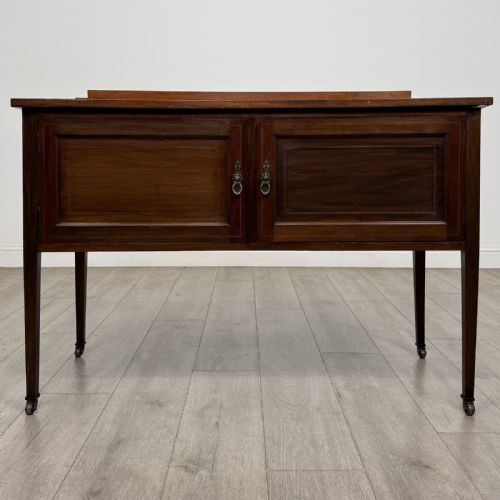
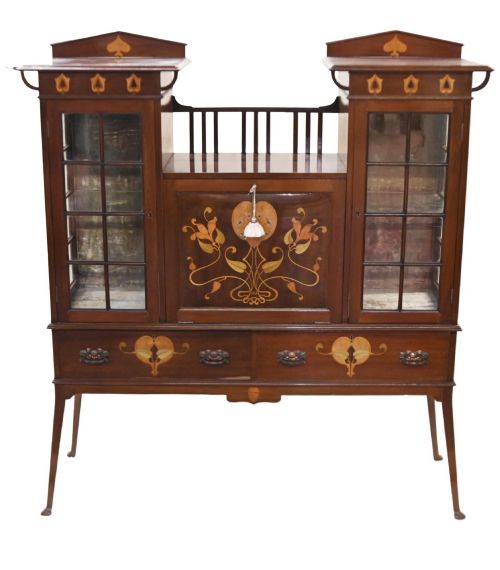
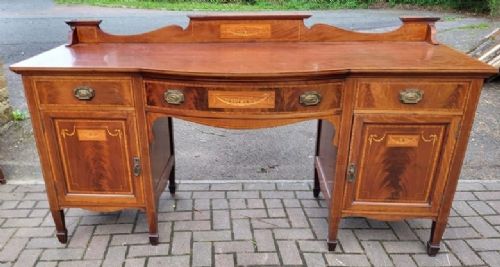
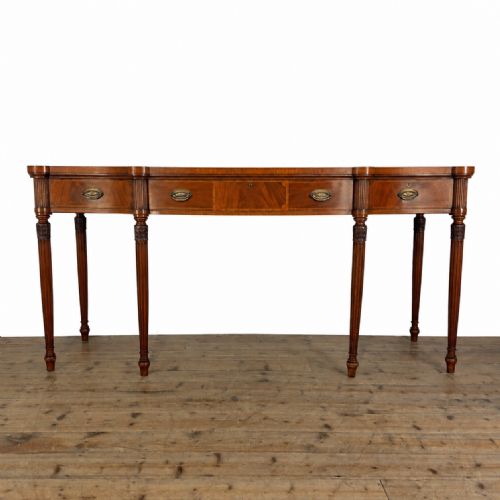
Vintage Inlaid Credenza
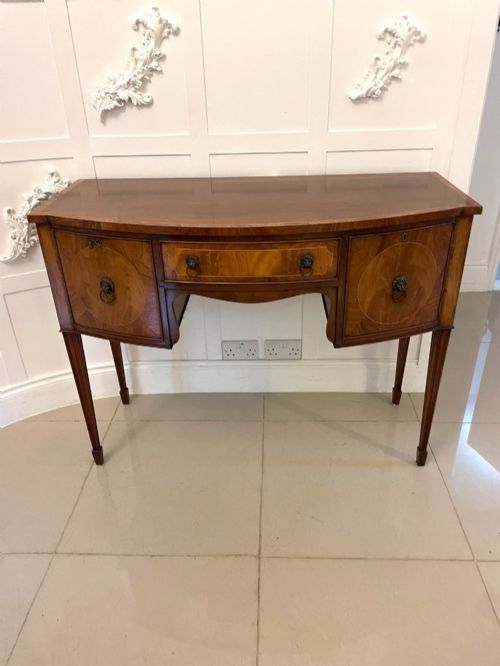
A vintage inlaid credenza brings rich timber and delicate marquetry into a room, offering surface space and concealed storage.
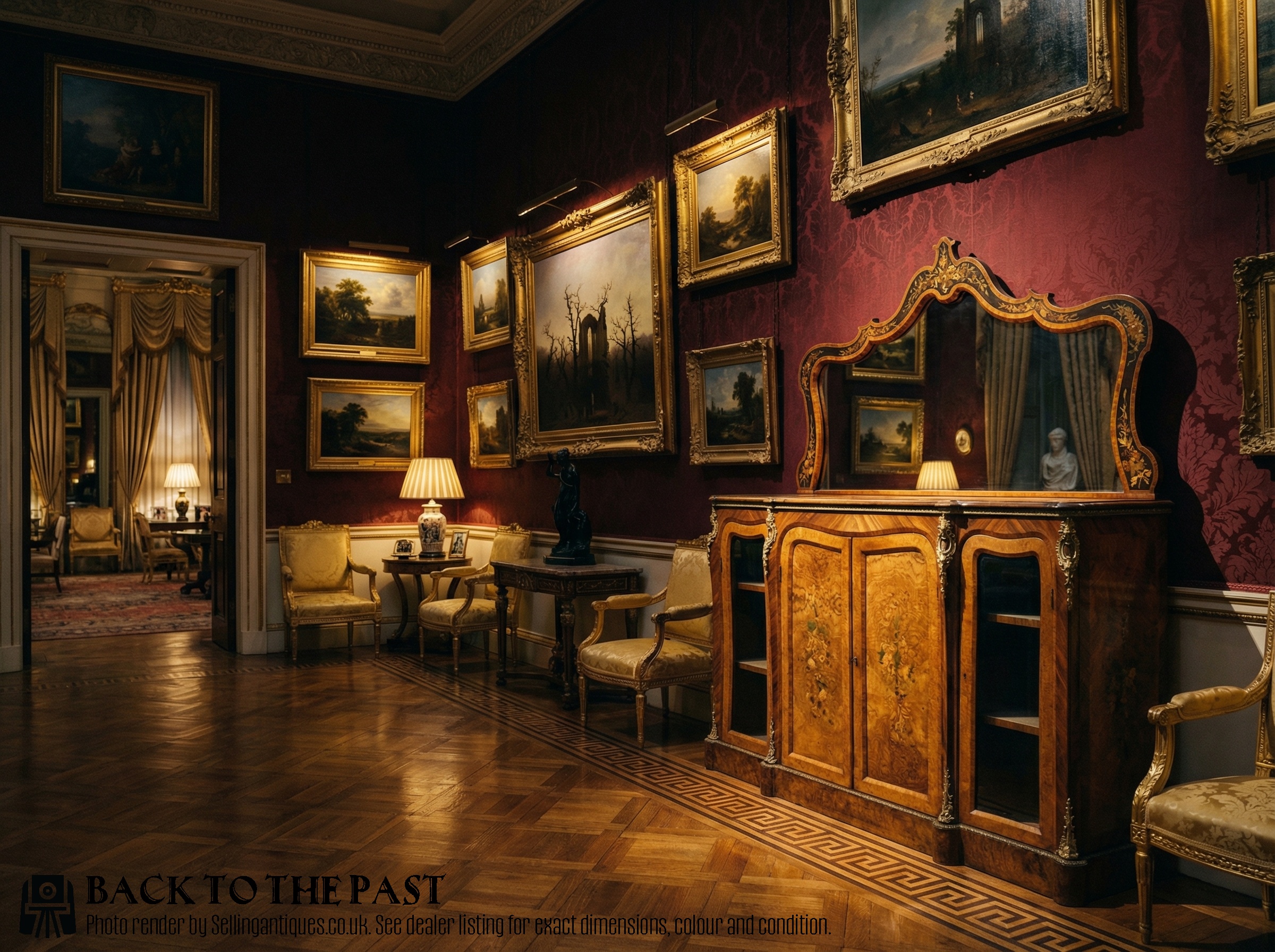
Vintage Inlaid Credenza
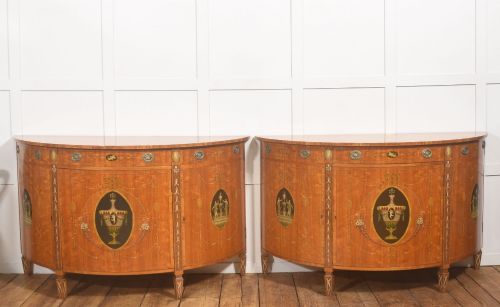
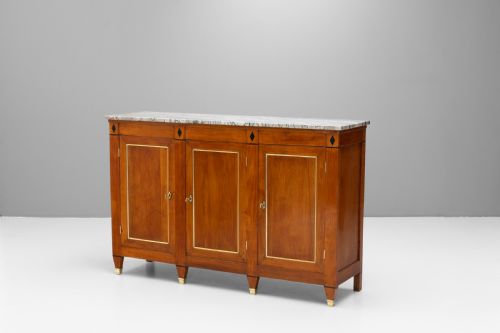
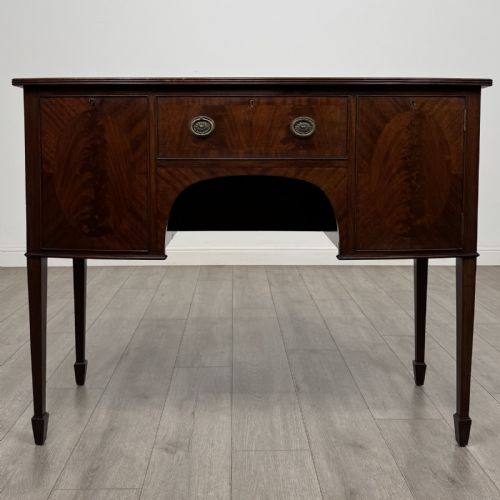
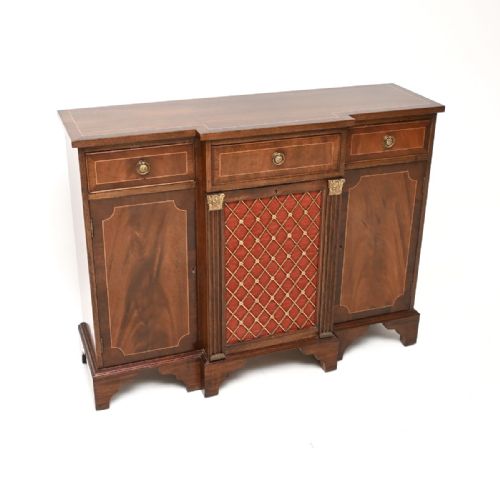
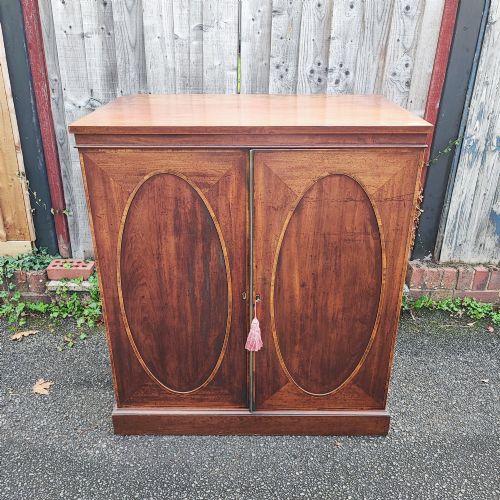
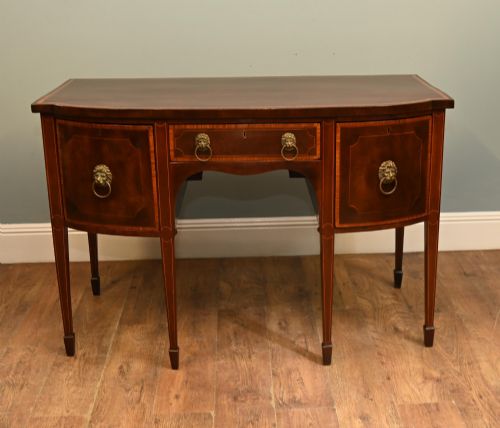
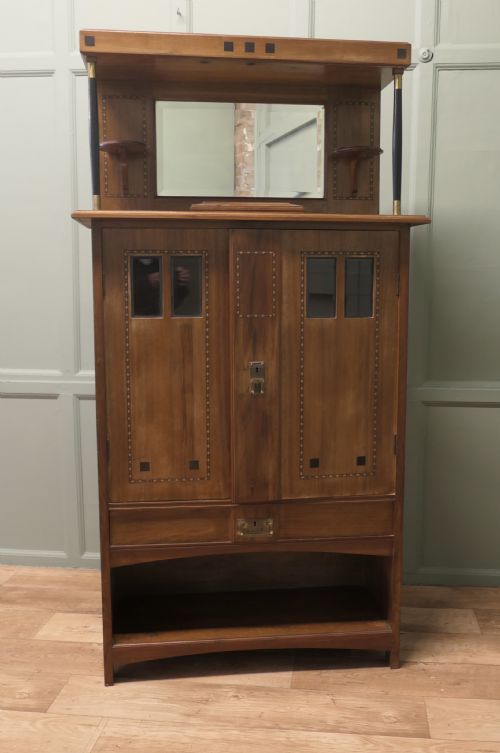
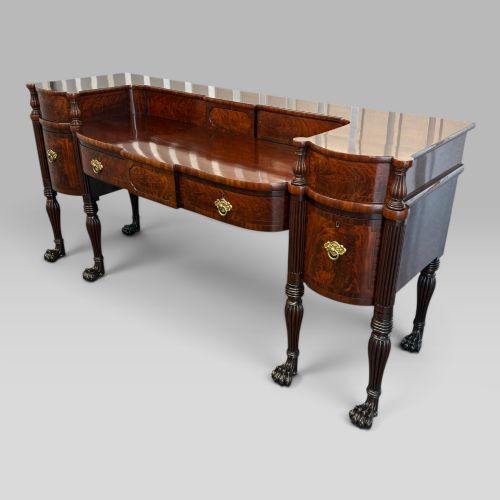
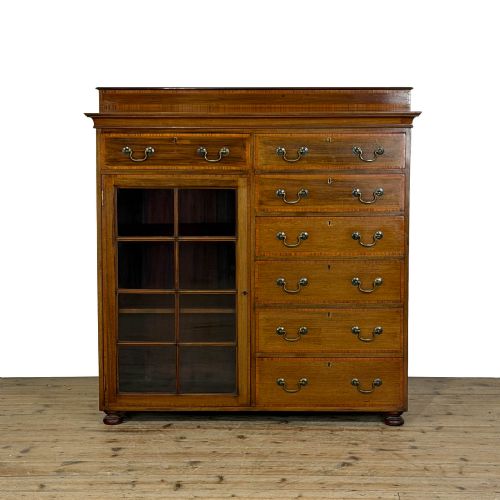
When you search for a vintage inlaid credenza, you encounter a variety of substantial storage furniture designed for dining rooms and living spaces. The selection on this page includes credenzas alongside related forms like sideboards, side cabinets, commodes, and chiffoniers.
The periods represented span from Georgian and Regency eras through Victorian, Edwardian, and the early twentieth century. Pieces from the Sheraton Revival and Edwardian periods appear frequently, often displaying lighter satinwood or mahogany surfaces.
Makers and designers from different decades adapted classical proportions for domestic use, incorporating curved fronts and inlaid details. These items function today as focal points in a dining room or hallway while providing practical cupboards and drawers.
Materials and construction
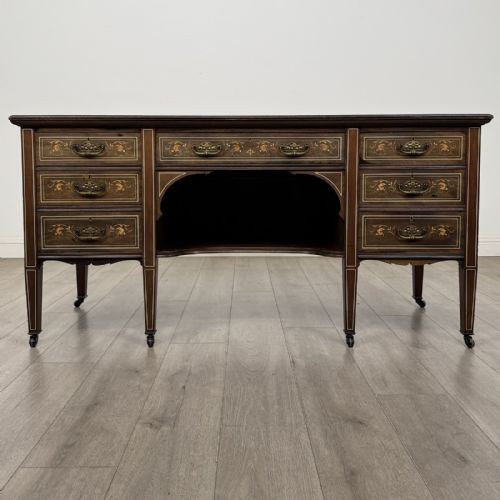
Inlay and marquetry require precise hand-cutting of diverse woods and sometimes brass or mother-of-pearl to form floral or geometric motifs. Ormolu mounts, marble tops, and brass hardware provide additional structural and decorative accents on selected pieces.
Vintage Inlaid Credenza Retail Price Guide 2026
Typical asking prices for vintage inlaid credenza among the pieces listed under this phrase on Sellingantiques today, from the lower quarter to the upper quarter. They describe what is for sale here now, not the wider market.
Materials recorded across these listings include mahogany, walnut, satinwood, oak, rosewood, brass, ormolu, and marble.
Distinguishing quality
The standard of a piece rests upon the crispness of its inlay work and the selection of timber figures. Finer examples display tightly grained veneers and seamless integration of contrasting woods without gaps or mismatched grain patterns.
Structural integrity, from drawer dovetails to the smooth movement of serpentine doors, separates standard production from exhibition-grade work. Original hardware and well-preserved marble or timber tops elevate the standing of the furniture.
Whytock & Reid of Edinburgh
The Vintage Inlaid Credenza Glossary
- Credenza
- A low cabinet or sideboard used for storage and display. These items often feature central cupboards flanked by doors or shelving.
- Marquetry
- Decorative veneer work forming pictures or patterns by arranging small pieces of coloured wood, shell, or ivory. Craftsmen apply these designs directly to the carcase timber.
- Serpentine
- A furniture front or top shaped with a double curve, convex in the centre and concave at the sides. This contour demands skilled carpentry to execute correctly.
- Satinwood
- A durable, lustrous yellowish timber native to India and Ceylon, frequently used for stringing and decorative panels in revival pieces.
- Ormolu
- Gilt bronze mounted onto furniture for decorative effect. This technique gained popularity during the eighteenth century and reappeared in later revival periods.
Vintage Inlaid Credenza: Frequently Asked Questions
Where should I place a credenza?
These cabinets suit dining rooms, large hallways, or living spaces where surface display and interior storage are both useful.
Their elongated proportions mean they anchor a long wall effectively while keeping walkways clear.
How do I care for inlaid wood?
Keep wooden furniture away from direct sunlight and sudden temperature shifts to prevent timber from drying or warping.
Apply a traditional wax polish occasionally and buff gently with a soft cloth to maintain the lustre.
What is the difference between a credenza and a sideboard?
Credenzas traditionally sit lower and often feature enclosed cabinet space across the entire front rather than cutlery drawers.
Sideboards frequently incorporate a combination of drawers and cupboards tailored for dining room service.
How can I identify Sheraton Revival pieces?
Sheraton Revival furniture draws inspiration from late eighteenth-century neoclassical designs promoted by designer Thomas Sheraton.
Look for satinwood veneers, delicate floral inlay, tapered legs, and restrained geometric proportions.