




Vintage Indoor Planter
A vintage indoor planter brings greenery indoors through vessels formed in brass, copper and timber.
Vintage Indoor Planter
A vintage indoor planter encompasses vessels designed to hold potted plants inside a domestic interior. These objects appear primarily as jardinieres, cachepots, plant stands and watering cans originating from the nineteenth and early twentieth centuries.
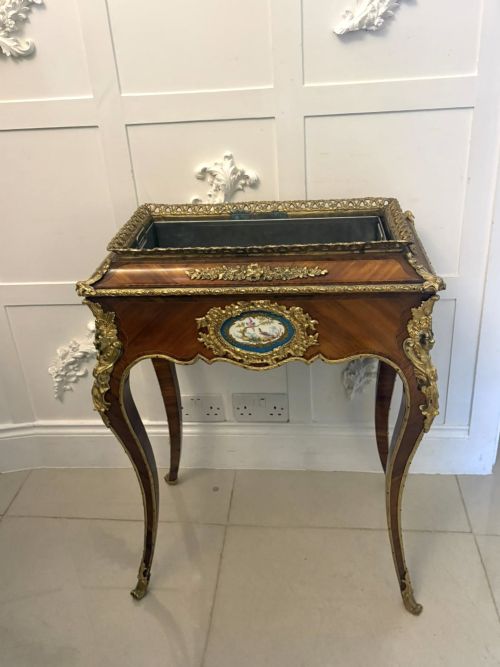
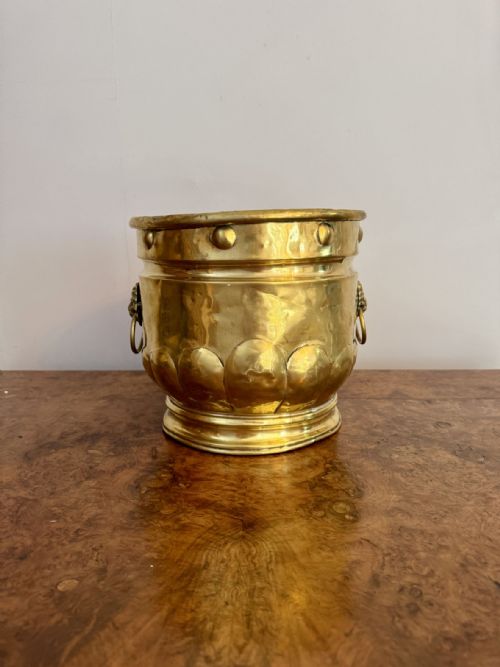
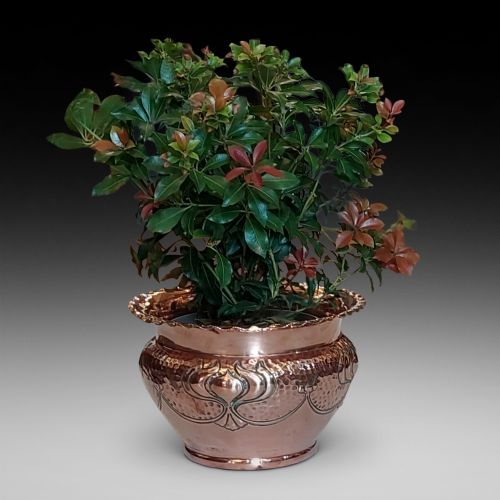
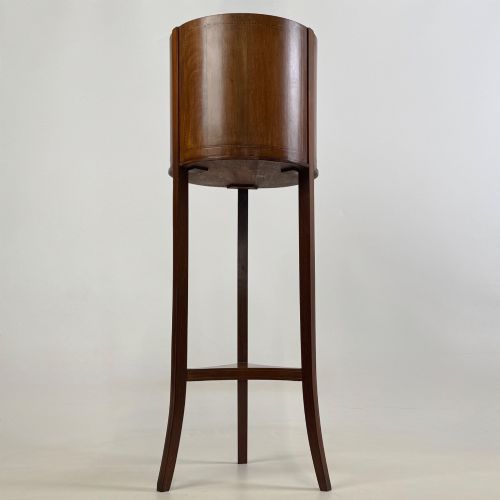
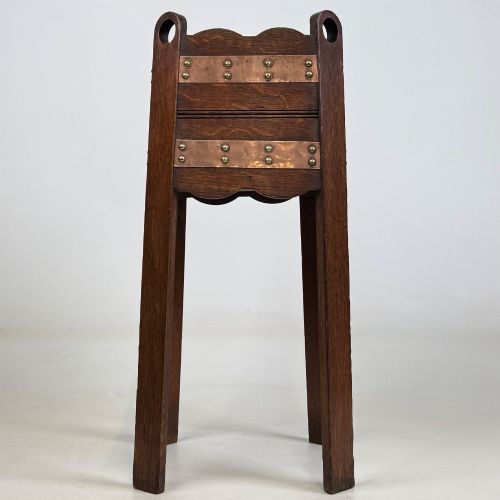
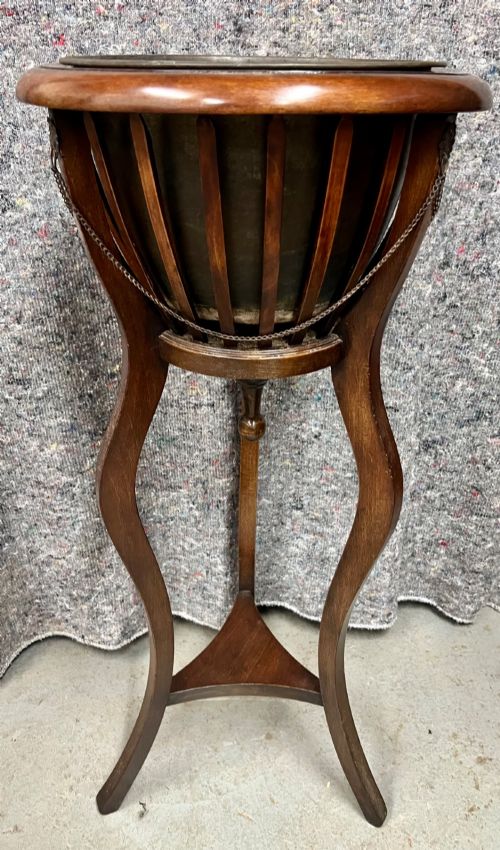
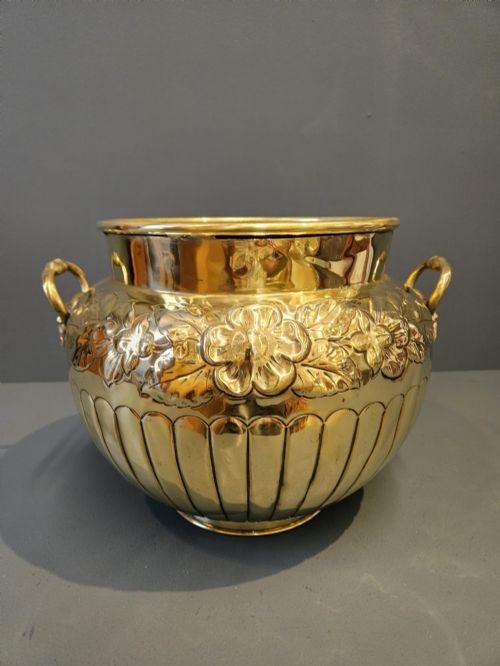
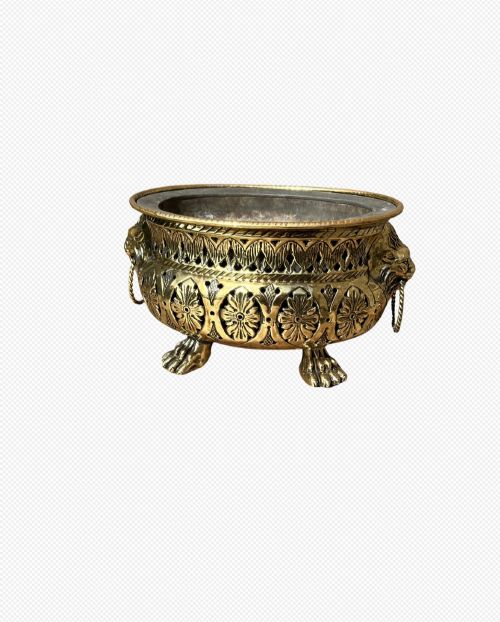
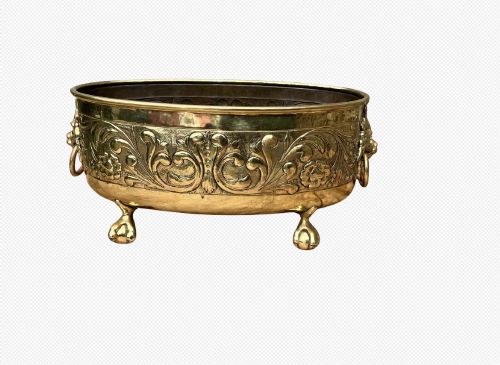
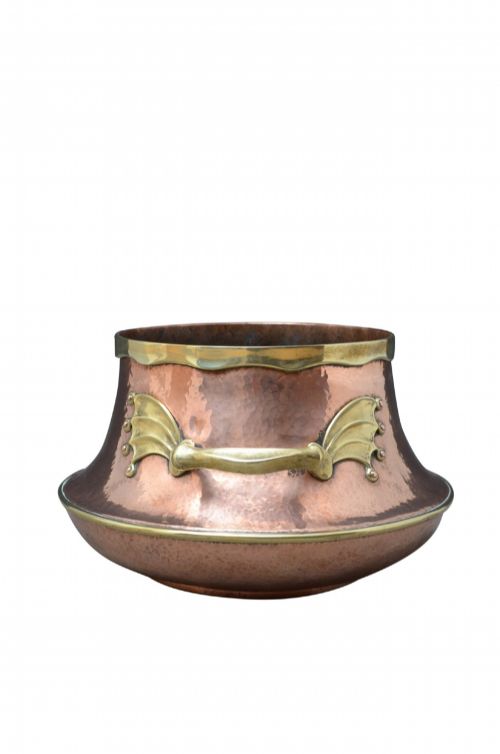
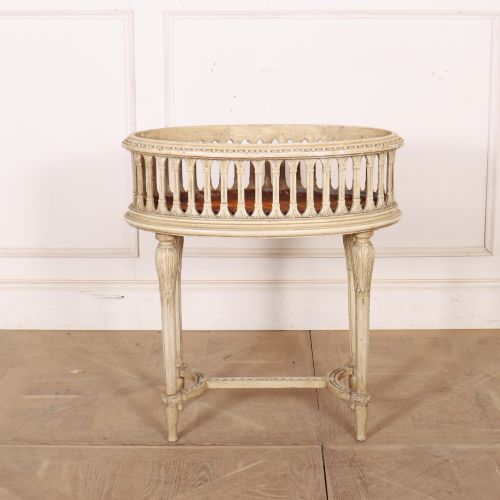
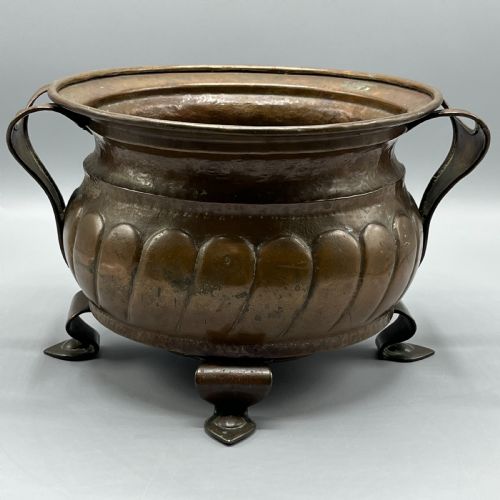
The versions most commonly met on this page include brass and copper vessels from the Victorian and Edwardian eras alongside timber plant stands in mahogany, oak and satinwood. Many feature decorative treatments such as piercing, embossing or ormolu mounts reflecting styles from Arts and Crafts to Art Nouveau.
How they were made
Metal vessels rely on hand-working techniques including hammering, piercing and embossing applied to sheets of brass and copper, sometimes complemented by cast ormolu mounts. These pieces often incorporate applied handles or brass liners designed to protect the surrounding metal from moisture.
Wooden forms utilise cabinet-making traditions in mahogany, oak, walnut and satinwood, frequently employing inlay, marquetry or coopered barrel construction. Ceramic additions take the form of salt-glazed stoneware and porcelain plaques integrated into stands and cachepots.
What varies in quality
Quality rests upon the weight of the metal gauge, the crispness of the hand-hammered or pierced decoration, and the integrity of timber construction. Heavier brass and copper vessels maintain their structural form better than thinner alternatives.
In timber and ceramic pieces, distinction lies in the precision of the marquetry, the depth of the carving and the renown of the pottery works. Finer examples display meticulous attention to detail in mounts, liners and overall proportion.
Doulton Lambeth·Royal Doulton·Enoch Wood And Sons
The Vintage Indoor Planter Glossary
- Jardiniere
- An ornamental pot or stand for holding plants or flowers. These vessels form the majority of the metal and ceramic pieces found in this category.
- Cachepot
- A decorative pot used to conceal an ordinary flowerpot. These items sit indoors and frequently include matching stands.
- Ormolu
- Gilded bronze mounts applied to furniture and decorative objects. This technique appears on French and English satinwood and walnut stands.
- Dinanderie
- Objects made of brass or copper produced by beating or embossing. The term covers many of the decorative planters listed from the early twentieth century.
- Coopered
- Formed of staves joined together with metal hoops, much like a barrel. This method constructs oak plant stands and containers.
Vintage Indoor Planter: Frequently Asked Questions
What is a vintage indoor planter?
A vintage indoor planter is a decorative vessel or stand designed to hold live plants within a home. These items span brass jardinieres, copper pots, and timber plant stands from the Victorian and Edwardian periods.
They function both as practical plant holders and as ornamental furnishings that reflect the interior design tastes of the nineteenth and early twentieth centuries.
How were these planters used?
These pieces sat in drawing rooms, conservatories and hallways to display potted ferns, palms and flowering plants. Metal versions often held waterproof liners to protect the floor or furniture beneath.
Taller timber plant stands elevated greenery toward natural light, while smaller cachepots sat on tables and windowsills.
How do I care for brass planters?
Brass and copper planters require gentle cleaning to preserve their metal surfaces. Avoid harsh abrasives that strip the aged patina accumulated over decades.
Using a removable inner plastic pot prevents water from sitting directly against the historic metal, reducing corrosion.
How do I date a copper planter?
Dating relies on stylistic clues, manufacturing techniques and material choices. Pieces displaying hand-hammered surfaces and floral motifs often point toward the Arts and Crafts movement or Art Nouveau period.
Victorian examples frequently feature heavier cast brass handles, whilst Edwardian items favour lighter proportions and satinwood or mahogany frames.