



Oak Jardiniere Pedestal
An oak jardiniere pedestal holds your heavy ferns and indoor palms with the quiet dignity of the late nineteenth and early twentieth centuries.
Oak Jardiniere Pedestal
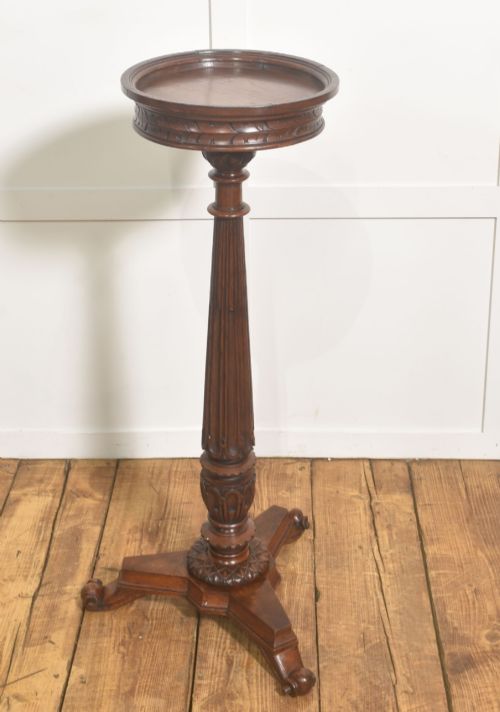
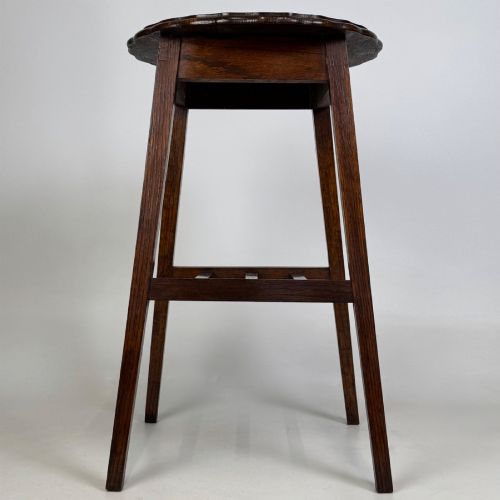
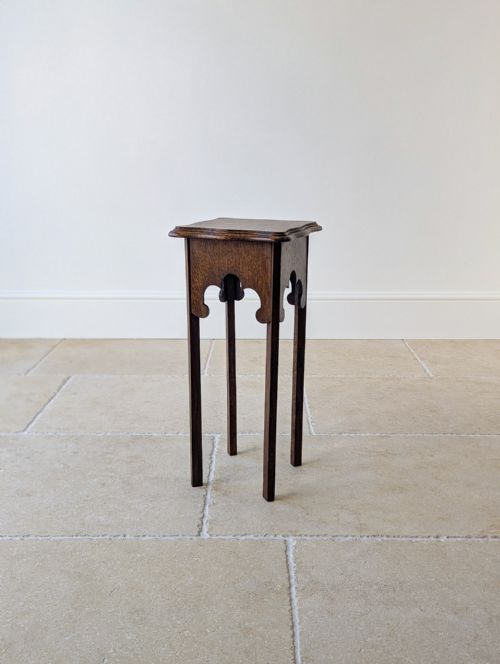
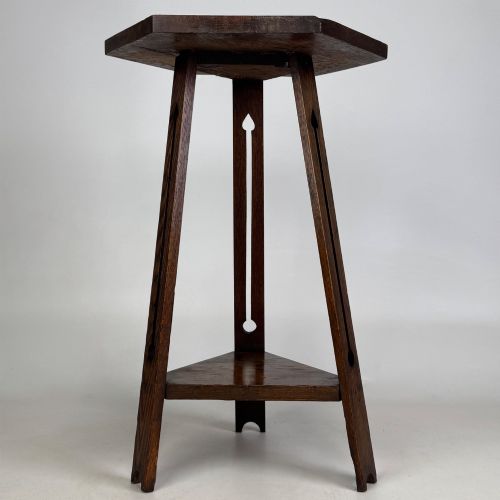
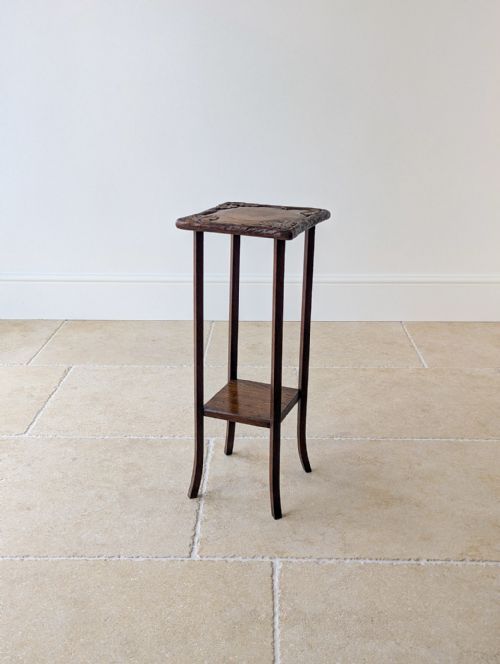
An oak jardiniere pedestal is a sturdy household column or small stand designed specifically to elevate potted plants within a room. When you search for an oak jardiniere pedestal, you encounter tall plant stands, two-tier display pieces, and coopered barrel planters originating from the Victorian, Edwardian, and 1920s periods. These forms range from simple English country side tables to elaborate revival pieces meant to showcase interior greenery.
Makers of these stands utilised solid timber to ensure the heavy weight of damp soil and ceramic pots remained stable on domestic floorboards. You will find them grouped under descriptions like plant stands, pedestals, and jardiniere stands, yet all share the fundamental purpose of raising foliage to eye level. Their enduring appeal lies in how they combine functional support with rich grain patterns and period character.
Materials and construction methods
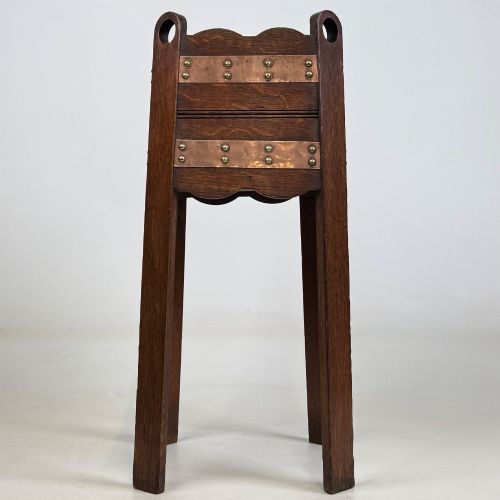
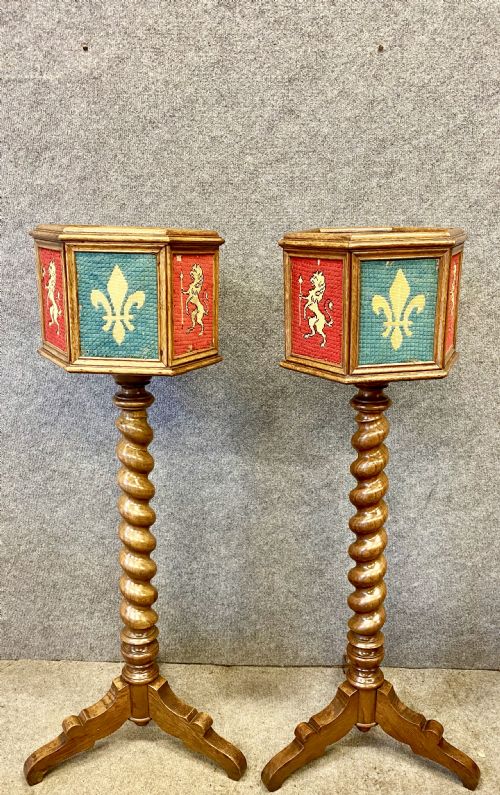
Makers relied primarily on solid oak, selected for its dense grain and structural strength, often complemented by gleaming brass or copper bands and liners. Coopered examples utilise curved wooden staves joined tightly together around a central circumference, echoing the traditional craft of barrel-making. Other pieces showcase deep hand-carving or turned structural elements like barley twist legs that add decorative movement to the heavy timber.
Cabinetmakers joined these components using robust traditional joinery to withstand the constant moisture and weight associated with indoor gardening. Metal components like drop handles or reinforcing hoops were frequently added to coopered planters to secure the wooden staves and prevent warping. Surface finishes varied from a warm golden oak sheen to darker polished tones, protecting the wood while accentuating its natural figuring.
Listings feature oak alongside brass, copper, and needlepoint tapestry, reflecting diverse material combinations from the Victorian era to the 1920s.
Distinguishing quality across the range
The distinction between a standard utility stand and a superior piece lies in the depth of timber selection and the crispness of the hand-carving. Finer examples display richly figured golden oak and precise structural turning, such as well-proportioned barley twist columns that maintain their vertical tension. Lesser pieces rely on plain, uninspiring timber boards and mechanical lathe work with little attention to visual balance.
Construction integrity also dictates value, particularly in coopered designs where the tight alignment of wooden staves and the quality of the metal banding determine long-term durability. Superior stands feature integrated lower tiers or substantial brass fittings that remain flush and secure against the wood. The most accomplished pieces integrate their revival styles harmoniously, avoiding heavy-handed ornamentation in favour of balanced proportion.
The Oak Jardiniere Pedestal Glossary
- Jardiniere
- An ornamental pot or stand for holding flowers or plants indoors. These vessels often sat upon dedicated pedestals to elevate them within a room.
- Coopered
- Constructed from curved wooden staves fitted together side by side and bound by metal hoops, much like a traditional drinking barrel.
- Barley Twist
- A type of decorative woodturning resembling a spiral rope or twisted column. This technique gained immense popularity during revivalist periods.
- Arts and Crafts
- A design movement valuing honest construction, visible handcraftsmanship, and simple materials over machine-made ornamentation. It heavily influenced Edwardian domestic furnishings.
Oak Jardiniere Pedestal: Frequently Asked Questions
What rooms suit an oak jardiniere pedestal?
These tall stands fit naturally into brightly lit corners of a living room, hallway, or conservatory where plants receive adequate daylight. Their vertical profile allows them to occupy minimal floor space while drawing the eye upward.
They also serve effectively in entrance halls as decorative focal points upon entering the home. Their robust timber construction ensures they remain stable even in high-traffic domestic areas.
Were these stands used exclusively for plants?
While primarily built to elevate heavy ferns and palms, many Edwardian and Victorian households repurposed them to display art pottery, sculptures, or large table lamps. The two-tier variants offered additional space for smaller decorative objects or books.
Their sturdy tops made them versatile platforms for various heavy ornaments throughout the home. This adaptability explains why many survive today in domestic spaces far removed from their original conservatory settings.
How can I tell an Edwardian stand from a Victorian one?
Victorian examples often lean towards heavier, more ornate revival styles like Gothic or Renaissance, featuring dense carvings and darker finishes. They reflect a period of lavish interior decoration and substantial furniture proportions.
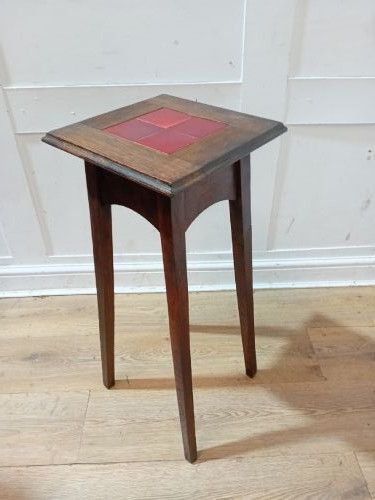
Edwardian and 1920s pieces frequently display lighter golden oak tones and simpler Arts and Crafts influences. Their design tends to emphasise clean lines and practical domestic utility over heavy ornamentation.