
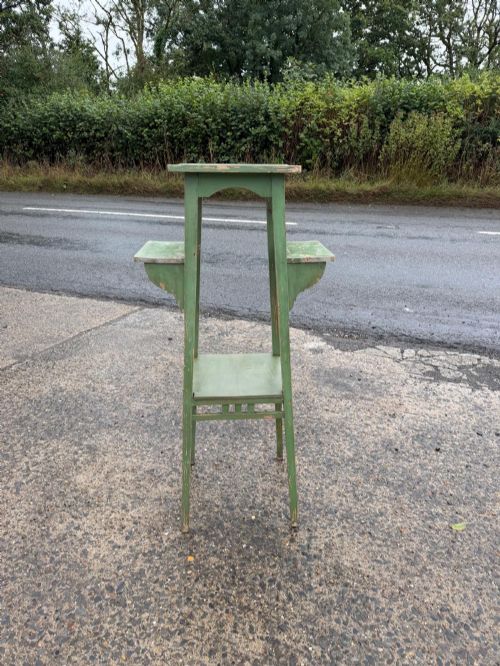
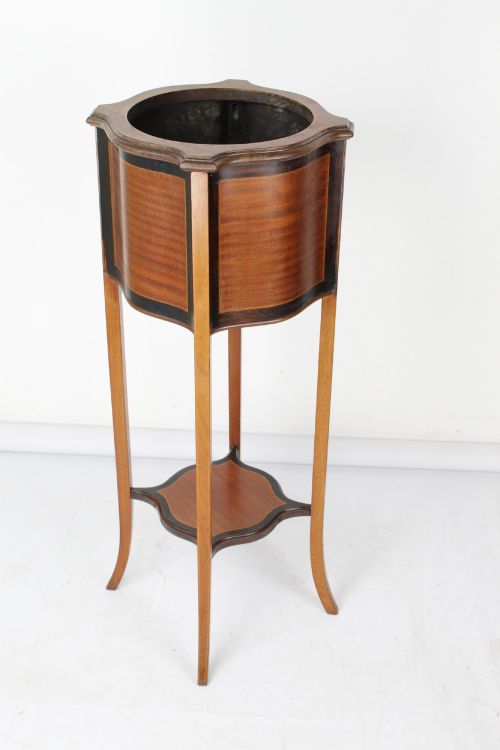
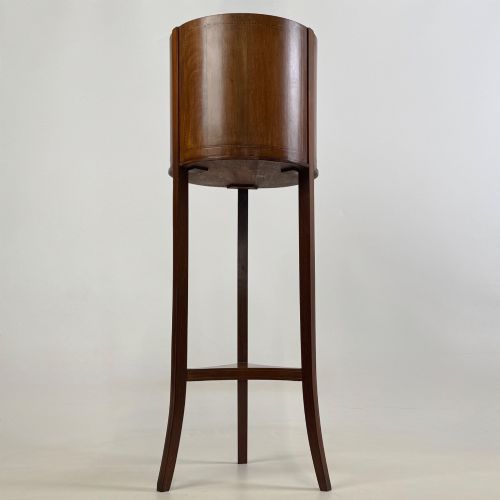
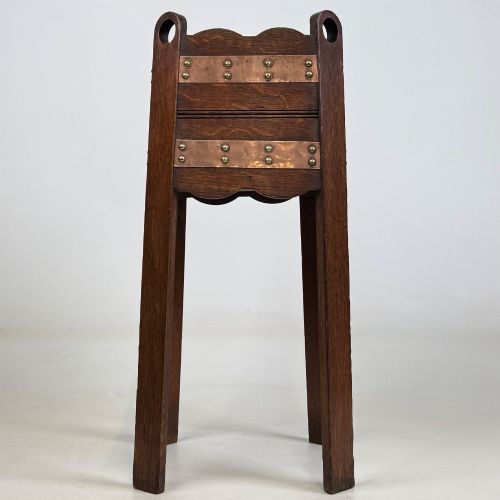


Wooden Planter Pedestal
These wooden planter pedestal designs elevate foliage and flowers, bringing height and structural focus to any room.
Wooden Planter Pedestal
When searching for a wooden planter pedestal, buyers encounter a variety of elevated display vessels designed to hold plants and flowers. These pieces combine utilitarian planting containers with raised architectural supports, serving as both functional garden accessories and interior furniture.
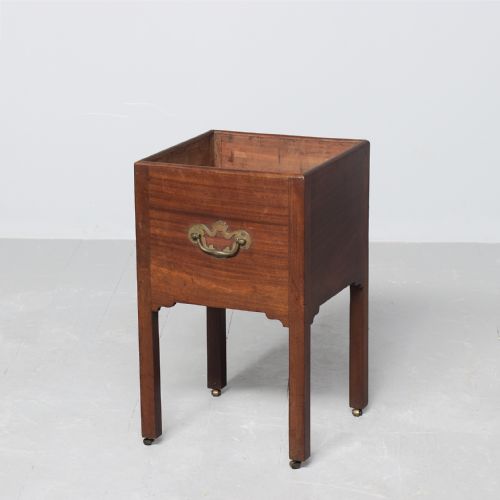
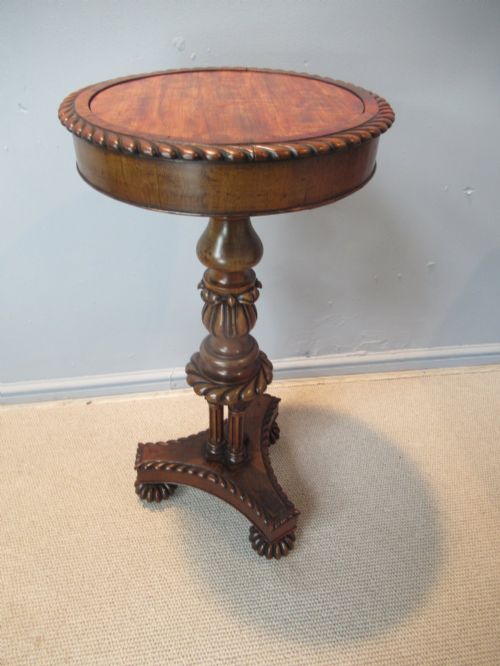
The selection on this page centres on pieces from the Georgian, Victorian, and Edwardian periods, alongside broader nineteenth-century works. Plant stands, jardiniere stands, and wine coolers function interchangeably within domestic settings to showcase greenery.
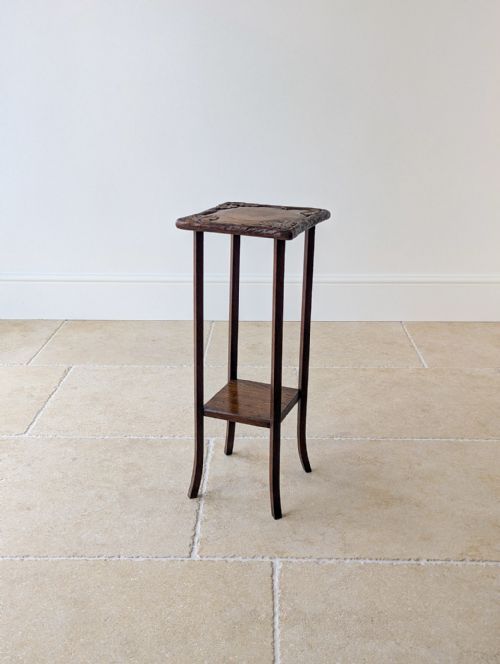
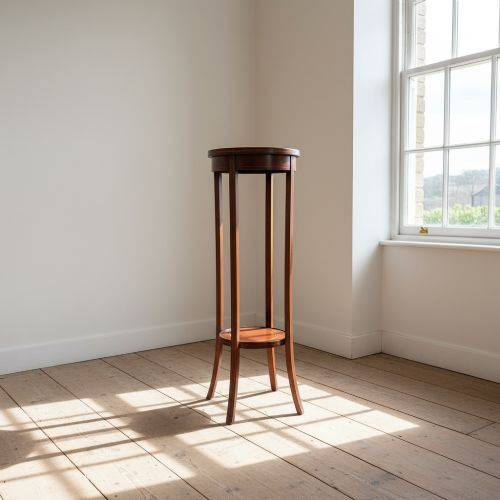
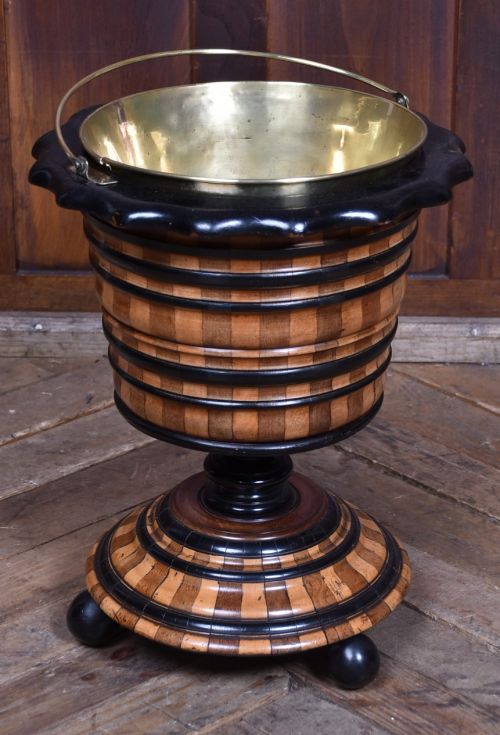
Common iterations range from slender torchere supports to coopered barrels and multi-tiered stands. Regional and stylistic variations include Chinese export pieces, Japanese Meiji period bonsai displays, and Dutch empire designs.
Materials and Construction
Cabinetmakers utilised dense hardwoods such as mahogany, oak, walnut, and ebony to construct durable frames capable of supporting heavy soil and damp pots. Selected pieces incorporate contrasting boxwood inlay or ebonised wood to accentuate geometric and floral patterns.
Metal components provide functional reinforcement and decorative contrast against the timber bodies. Brass liners, copper bands, and metal bindings protect the wood from moisture while securing coopered stave construction.
Listings feature diverse woods including mahogany, oak, walnut, and ebony, alongside brass and copper accents.
Assessing Quality and Craftsmanship
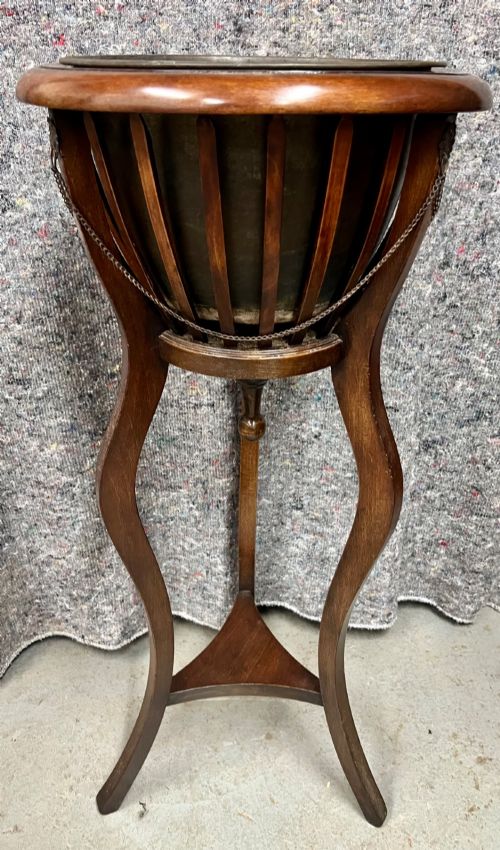
Superior examples demonstrate meticulous joinery, such as tightly fitted coopered staves in barrel-style planters and precisely carved details on tripod or pillar bases. The integration of high-grade secondary materials, including intact brass liners and marble inserts, elevates a piece.
The Wooden Planter Pedestal Glossary
- Jardiniere
- An ornamental pot or stand for holding flowers and plants. These vessels are typically manufactured from ceramic, metal, or wood.
- Coopered
- Constructed from wooden staves bound together with metal hoops, much like a traditional barrel. This technique ensures watertight integrity for holding damp plant matter.
- Torchere
- A tall, slender stand or candlestick holder adapted to support a plant pot or vase. The form originates from eighteenth-century lighting supports.
- Cellarette
- A lockable cabinet or cooler designed to hold bottles of wine, frequently repurposed as a planter. These freestanding timber containers often feature interior metal linings.
Wooden Planter Pedestal: Frequently Asked Questions
What is a wooden planter pedestal used for?
These elevated stands provide a dedicated platform to display indoor plants, ferns, and floral arrangements at eye level. Raising foliage off the floor improves room layout and highlights specific botanical specimens.
Historically, similar vessels also functioned as wine coolers or decorative basins within formal dining and reception rooms.
How do I identify an Edwardian plant stand?
Edwardian pieces often feature lighter mahogany or oak construction with subtle inlaid details, reflecting the refined tastes of the early twentieth century. They frequently adopt slender proportions and multi-tiered shelving.
Comparing leg profiles and timber finishes against known late nineteenth-century styles helps clarify the production era.
Are these stands suitable for live plants?
Many historical stands include original metal or brass liners designed to catch water drainage and protect the surrounding wooden structure. Using a secondary plastic pot inside the liner prevents direct moisture contact.
Checking the interior condition ensures the wood remains sound and capable of enduring regular watering.
What is the difference between a jardiniere and a plant stand?
A jardiniere refers specifically to the decorative pot or container that holds the plant, whereas a plant stand is the supporting pillar or table beneath it. Some historical designs integrate both elements into a single unified piece.
Combination items often feature fixed basins supported by tripod bases or sturdy pedestals.