


Vintage Horse Racing Print
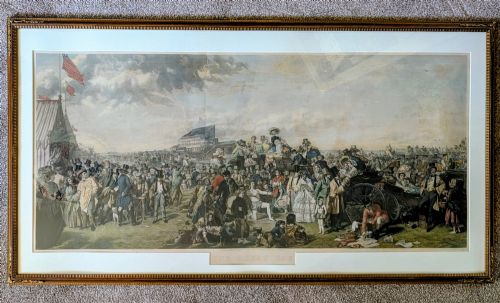
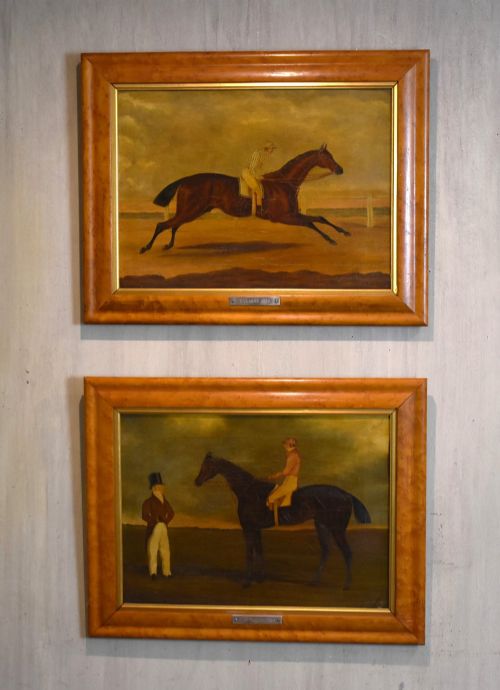
A vintage horse racing print captures the speed and tradition of the turf, bringing the atmosphere of the nineteenth and early twentieth century course directly to your wall.
Vintage Horse Racing Print
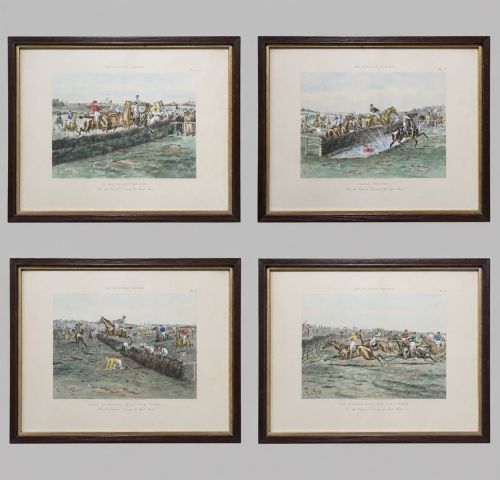
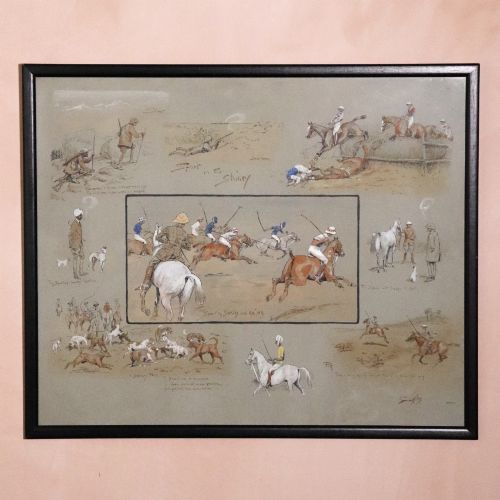
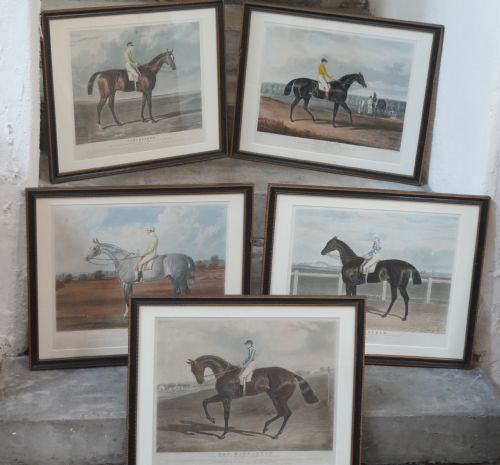
A vintage horse racing print brings nineteenth and early twentieth century sporting life into a room through framed engravings, chromolithographs, and photographic series. Buyers seeking a vintage horse racing print will encounter works originating from the Victorian, Edwardian, and later periods, often framed behind glass in wood or birds eye maple.
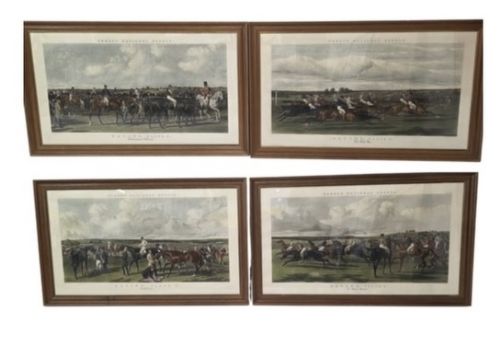
The selections range from individual antique sheets to sets of four or eight depicting famous racehorses, jockeys, and notable meetings. Alongside works after established artists, the category includes framed Vanity Fair double pages and specific studies by named creators.
Whether showing a bustling day at the course or a precise portrait of a runner with jockey up, these pieces reflect the enduring British and international fascination with equestrian sport.
Distinctions in Quality
Quality rests upon the crispness of the original impression, the fidelity of the hand-colouring where applied, and the integrity of the paper free from heavy fading or foxing. Complete sets maintain higher desirability than isolated sheets, particularly when paired with contemporary framing in materials such as birds eye maple.
The reputation of the artist or publisher, alongside the historical significance of the subject depicted, elevates an ordinary framed sheet to a significant collector piece.
Vintage Horse Racing Print Retail Price Guide 2026
Typical asking prices for vintage horse racing print among the pieces listed under this phrase on Sellingantiques today, from the lower quarter to the upper quarter. They describe what is for sale here now, not the wider market.
One unexpected piece of sporting history arrives disguised as an Edwardian upholstered armchair in a horse racing theme.
William Powell Frith·George Finch Mason·John Frederick Herring Snr·Gabriel Dauchot·Alfred Wheeler·John Atkinson·Isaac Cullin·Charles Johnson Payne Snaffles·Thomas Worth
The Vintage Horse Racing Print Glossary
- Chromolithograph
- A multicoloured print produced through a lithographic process using several stones, one for each colour. This technique yielded vibrant images popular in Victorian periodicals.
- Engraving
- A printmaking method where an artist cuts lines into a metal plate to hold ink. It produces sharp, precise details suited to early sporting illustrations.
- Aquatint
- A variant of etching that creates tonal areas resembling watercolour washes. It was frequently utilised for nineteenth century sporting subjects.
- Birds Eye Maple
- A figure in maple wood resembling tiny swirling eyes, often used for decorative nineteenth century framing. It adds warmth and texture to the presentation of prints.
Vintage Horse Racing Print: Frequently Asked Questions
How do I care for a vintage horse racing print?
Keep the framed piece away from direct sunlight to prevent fading of the paper and ink. Ensure the room humidity remains stable to protect both the paper and the wooden frame.
If the print is behind glass, clean the exterior gently with a dry cloth without spraying liquid directly onto the frame joints.
Are these prints originals or reproductions?
The selections include original period engravings, chromolithographs, and photographic prints dating from their respective years of publication. Many are antique works produced during the nineteenth and early twentieth centuries.
Later items reflect period framing and printing techniques specific to their era of origin.
How can I date a horse racing print?
Examine the paper type, printing technique, and framing style, as Victorian and Edwardian methods differ visibly from modern reproductions. Period inscriptions, publisher details, and dates within the plate mark or margin provide exact chronological clues.
Matching the subject to known historical races or artists active in the nineteenth or twentieth century also helps confirm the date.
What subjects appear in these prints?
The works depict famous racehorses with their jockeys, specific turf meetings, and general equestrian sporting scenes. Some pieces focus on humorous or character studies related to the racing world.
Others record historical race days and notable equestrian portraits from the nineteenth and twentieth centuries.