
Vintage Horse Canvas Artwork
Vintage horse canvas artwork brings together equine portraiture and rural sporting history in original oil paintings spanning the nineteenth and twentieth centuries.
Vintage Horse Canvas Artwork
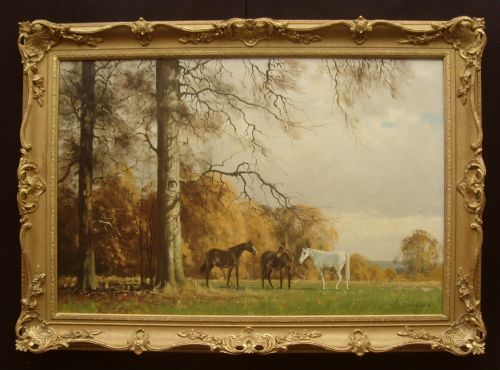
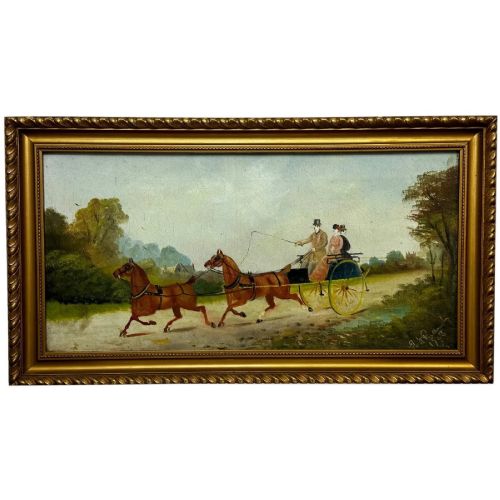
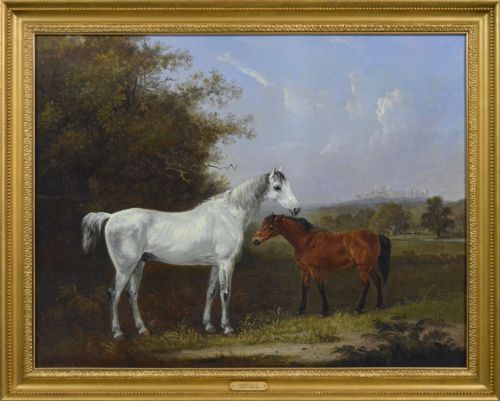
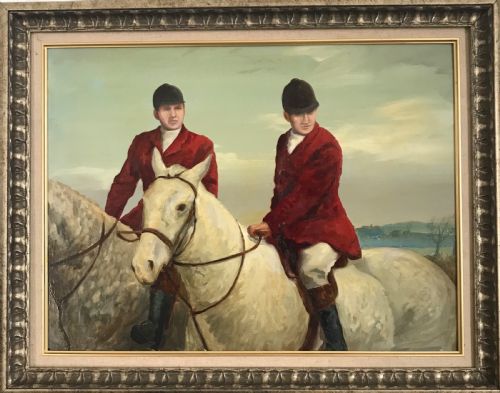
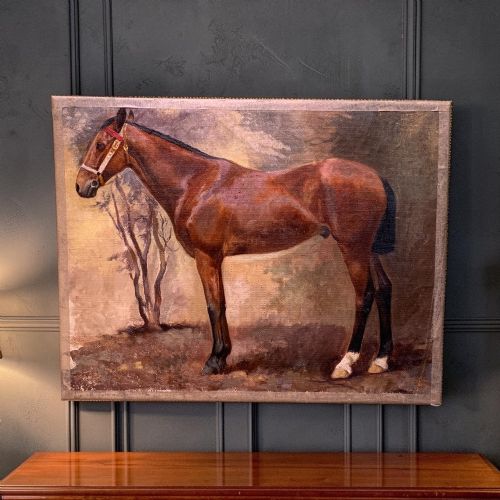
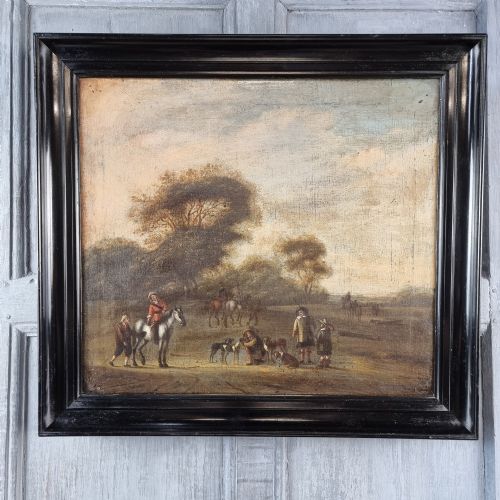
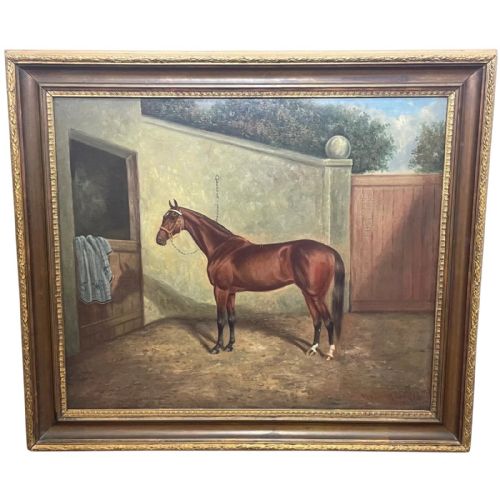
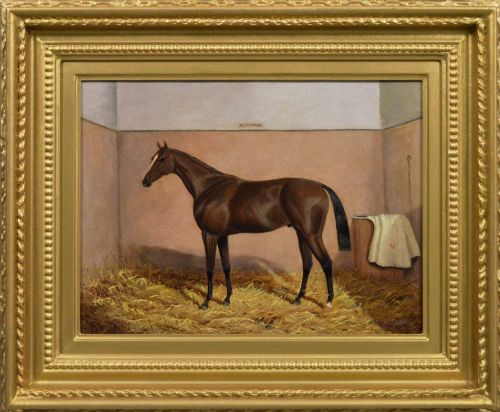
When you search for vintage horse canvas artwork, you encounter painted studies of hunters, racehorses, and working animals rendered on woven fabric. These works range from formal nineteenth-century portraits of named thoroughbreds to mid-twentieth-century depictions of ponies and rural landscapes.
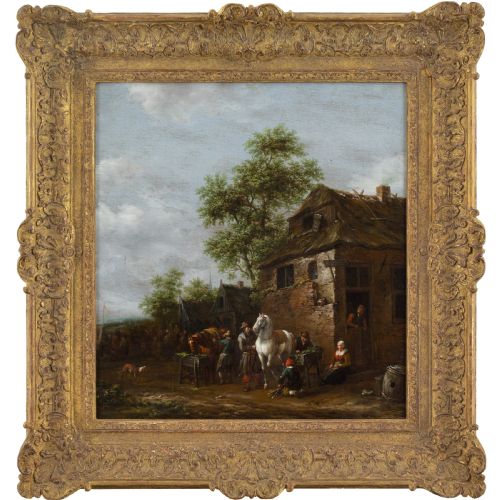
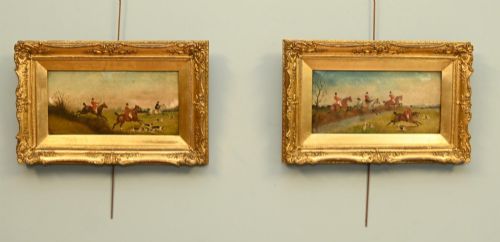
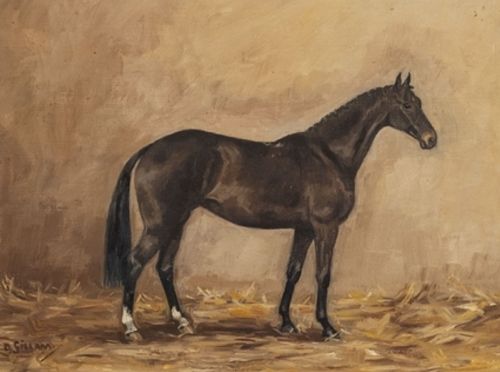
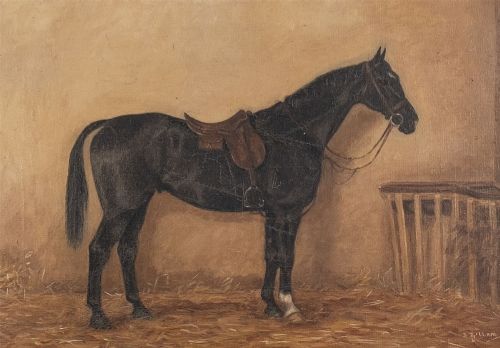
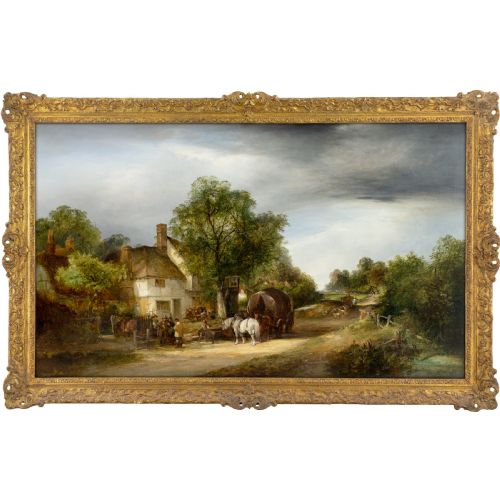
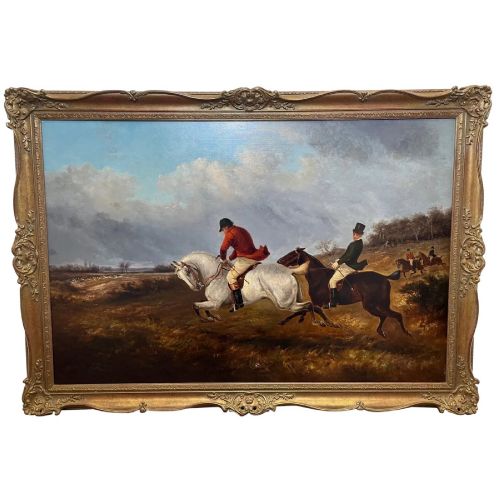
The selections on this page centre on oil paintings executed on canvas or wood supports. Subjects extend from individual bay and grey horses in stables to dynamic racing scenes and fox hunting gatherings in British and European countryside settings.
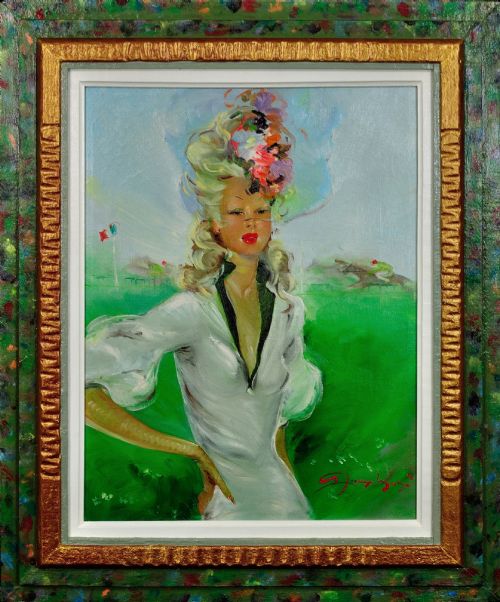
Makers and artists represented span the Victorian period through to the mid-twentieth century, capturing both prized equine champions and everyday farm horses. Each piece reflects the dominant artistic styles of its decade, from British realism to mid-century modern interpretations.
Oil Paint and Woven Canvas Technique
These works rely principally on oil paint applied to woven canvas supports stretched over wooden frames, or occasionally mounted directly on wood panels. Artists built up layers of pigment to capture the sheen of a horse coat, the texture of harness leather, and the depth of rural landscapes.
Frames frequently consist of giltwood or moulded wood matching the period of the painting. The combination of traditional oil media and stretched canvas allows these artworks to retain their tonal depth across successive centuries.
Listings feature oil paintings on canvas and wood spanning the Victorian period through to the 1960s.
Anatomy, Provenance, and Hand
Quality in vintage horse canvas artwork depends upon the artist's command of equine anatomy and the expressiveness of the brushwork. Skilled painters render muscle structure, posture, and light correctly, whereas lesser works rely on stiff proportions and flat backgrounds.
Attribution to a recorded artist or documented provenance relating to estates and galleries elevates a piece significantly. The strength of the composition and the preservation of the original oil surface determine the enduring character of the work.
Henry Barraud·Thomas Smythe·Albert Clark·Fred Fitzpatrick·Vernon DeBeauvoir Ward·Charles Walter Simpson·Gabriel Dauchot
The Vintage Horse Canvas Artwork Glossary
- Canvas
- A heavy woven fabric stretched across a wooden stretcher frame to serve as a support for oil painting. It provides a flexible yet durable surface favoured by artists since the Renaissance.
- Giltwood
- Wood carved and coated with a thin layer of gold leaf or metallic gilt paint, commonly utilised for traditional picture frames. It adds a reflective border that complements oil paintings.
- Equine Portrait
- A painting dedicated specifically to the likeness of a horse, often commissioned to record a valued hunter, carriage horse, or racehorse winner. These works frequently include stable details or landscape backgrounds.
- Sporting Art
- A genre of painting depicting field sports, horse racing, hunting, and rural pastimes. It gained immense popularity in British art during the eighteenth and nineteenth centuries.
- Impressionism
- An artistic style characterised by relatively small, thin, yet visible brush strokes and an emphasis on accurate depiction of light. In these listings, it appears in British and French mid-century interpretations.
Vintage Horse Canvas Artwork: Frequently Asked Questions
How do I identify the age of a vintage horse painting?
Examine the canvas weave, the stretcher construction behind the frame, and the style of the pigment. Handwritten inscriptions on the reverse or visible framing techniques often provide clues to the decade of creation.
Matching the clothing of any human figures or the breed characteristics depicted to known historical periods also helps narrow down the date.
Were these paintings always framed in giltwood?
Many nineteenth and early twentieth-century works feature ornate giltwood frames that were chosen to enhance the richness of the oil pigments. However, framing styles shifted towards simpler moulded wood profiles by the mid-twentieth century.
Some pieces retain their original period frames, while others have been reframed at later dates to suit changing interior aesthetics.
What is the difference between a racehorse portrait and a rural scene?
A racehorse portrait typically focuses on a named thoroughbred, often standing in profile or posed with a jockey and trainer to celebrate a specific victory. These works emphasise individual pedigree and physical conformation.
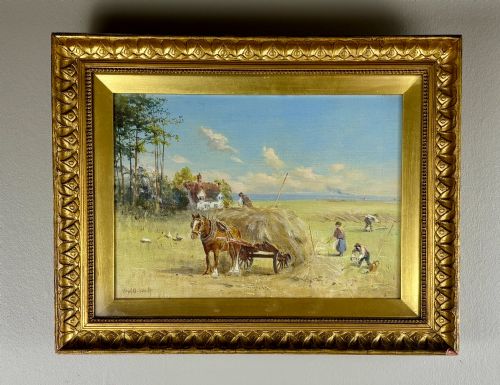
Rural scenes place horses within a wider working context, such as ploughing a field, pulling a hay wagon, or resting in a village landscape, prioritising atmosphere over individual identity.
How should I care for an oil painting on canvas?
Keep the artwork away from direct sunlight, high humidity, and rapid temperature fluctuations to prevent the canvas from sagging and the oil paint from cracking. Dust the surface gently with a soft, dry brush without applying pressure.
Avoid using liquid cleaners or touching the painted surface directly, as oils remain sensitive to moisture and abrasion over time.