


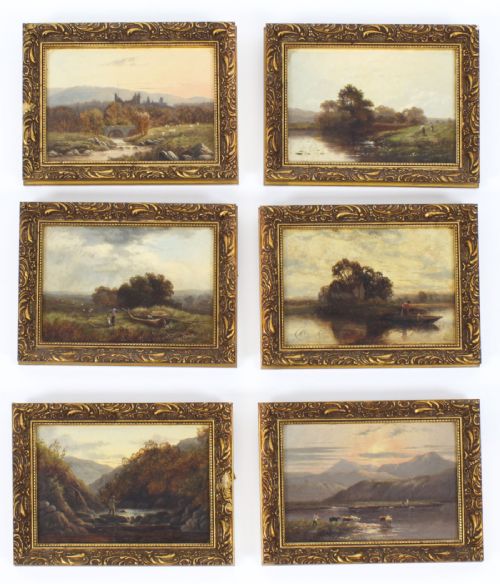

Earthen Tone Landscape Art
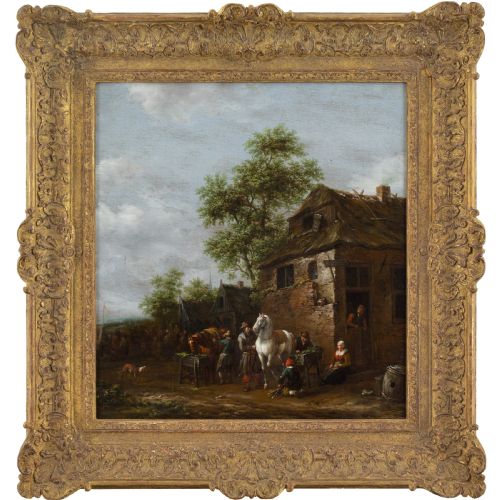
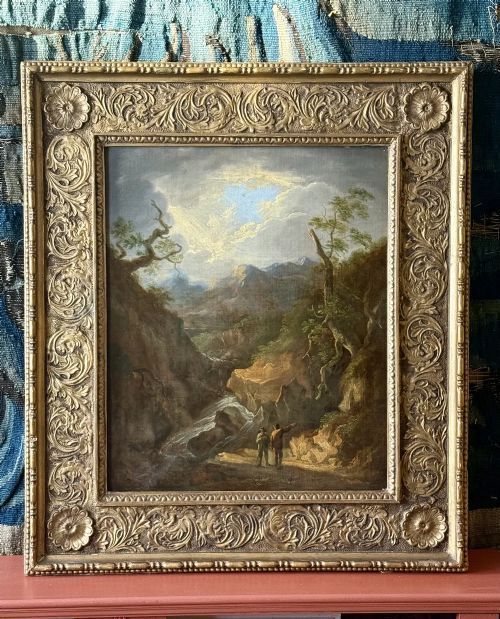
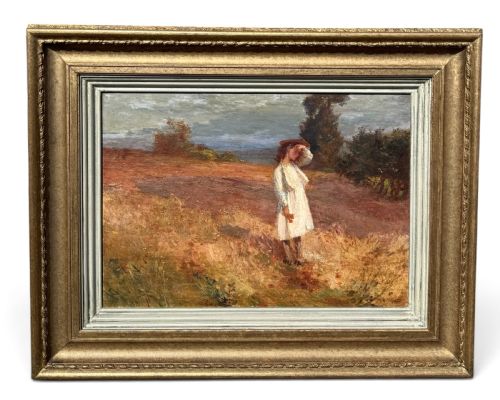
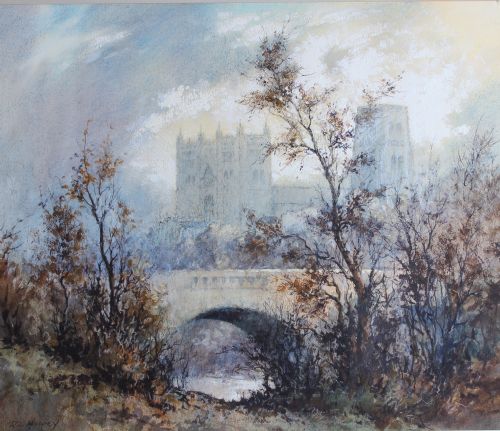
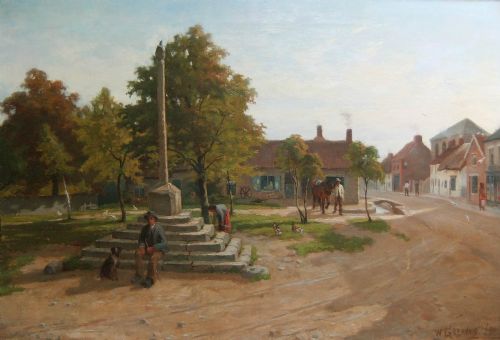
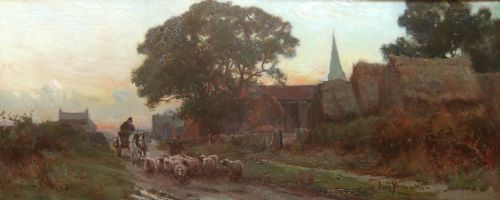
These works of earthen tone landscape art capture the muted pigments of fields, rivers and hills, offering a quiet connection to historic countryside views.
Earthen Tone Landscape Art
Earthen tone landscape art comprises paintings and wall tapestries depicting rural scenes, architectural views and coastal settings through natural palettes. Buyers searching for earthen tone landscape art encounter works spanning the seventeenth century through to the mid-twentieth century.
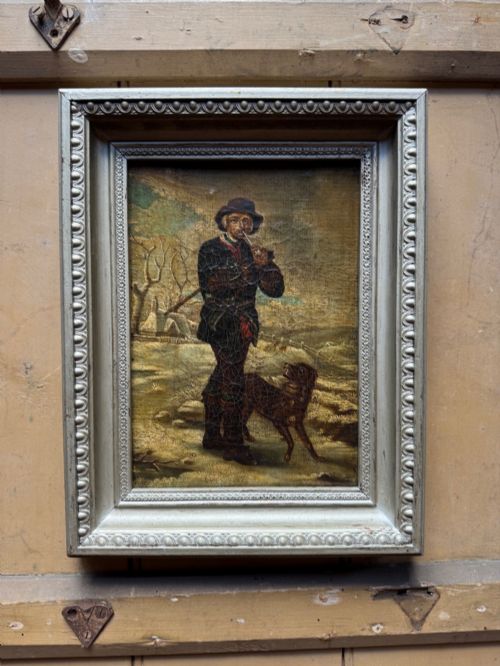
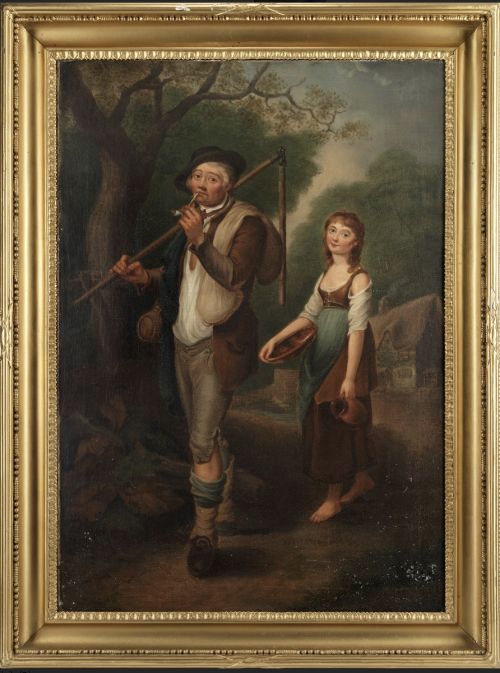
The selections feature oil paintings, watercolours, sand pictures and tapestries rendered in subdued pigments. Subjects range from mountainous paths and river valleys to pastoral farmyards and historic castles.
Materials and techniques
Artists executed these works primarily with oil paint on canvas or board, alongside watercolour on paper and woven wool or silk tapestries. Giltwood frames frequently complement the canvases, adding structural weight and decorative borders.
The technique relies on layered pigments and natural textures to build depth within the foliage, soil and sky. Sand pictures employ coloured sands arranged meticulously to depict farmyard scenes without traditional paint.
Listings feature works created across three centuries, spanning seventeenth-century Dutch landscapes to mid-twentieth-century British Impressionist views.
Distinctions in quality
Quality rests upon the handling of light, shadow and perspective within the composition. Superior examples demonstrate confident brushwork and precise anatomical or architectural drawing, while simpler pieces rely on naive or formulaic arrangements.
The preservation of the original surface, canvas tension and period framing also influence the standing of a piece. Works retaining their initial giltwood frames or signed documentation by documented hands hold greater interest.
Barent Gael·Benjamin Barker of Bath·Thomas Barker of Bath·Umberto Volpato·Robert Leslie Howey·William Greaves·Owen Bowen·James Orrock·Alphonse Robert·Francesco Zuccarelli·Thomas Whittle the Younger·Frederick W. Jackson·Ernest Higgins Rigg·Fred Lawson·James Ward·George Morland·James Hughes Clayton·Philip Naviasky·Edward John Cobbett
The Earthen Tone Landscape Art Glossary
- Oil on canvas
- A painting medium where pigments suspended in drying oil are applied to stretched canvas fabric. This technique allows for rich blending and textured impasto effects.
- Watercolour painting
- Artworks created using water-soluble pigments on paper supports. They offer translucent washes and delicate atmospheric effects.
- Verdure tapestry
- A wall hanging featuring a stylized landscape design dominated by green and earthy foliage. These textiles often depict wooded scenes and distant châteaux.
- Giltwood
- Wood decorated with a thin layer of gold leaf or powder. It is commonly found on traditional frames surrounding historic canvases.
Earthen Tone Landscape Art: Frequently Asked Questions
What periods do these landscapes cover?
The available works span from the seventeenth century through the Regency and Victorian eras up to the mid-twentieth century.
Each period brings distinct stylistic approaches, ranging from classical Dutch influences to British Impressionism and regional realism.
How should I display a tapestry?
Large tapestries require sturdy wall mounting systems that distribute the weight evenly along the upper edge.
Keep them away from direct sunlight and damp environments to protect the historic fibres and natural dyes.
Are watercolours fragile?
Watercolour paintings on paper are sensitive to ultraviolet light and excessive moisture.
Framing them behind protective glass with acid-free mounts safeguards the pigments from fading over time.
What subjects are common in these works?
Common subjects include pastoral farmyards, mountainous routes, river valleys, coastal scenes and historic English architecture.
Many compositions incorporate figures such as travellers, milkmaids or shepherds to provide scale to the natural scenery.