


Classic Oil Landscape Canvas
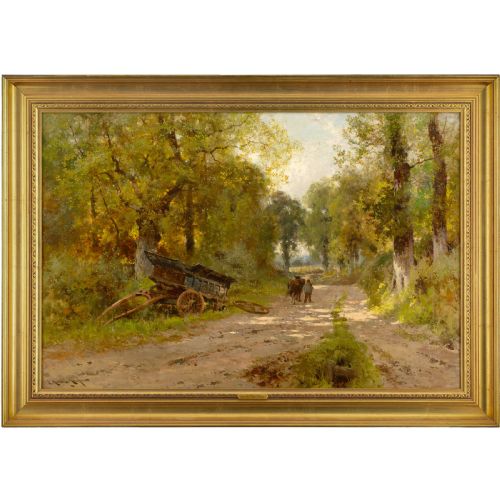
A classic oil landscape canvas brings the depth of nineteenth-century topography and pastoral scenes directly onto your wall.
Classic Oil Landscape Canvas
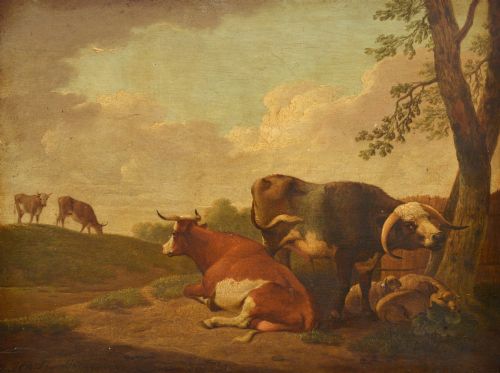
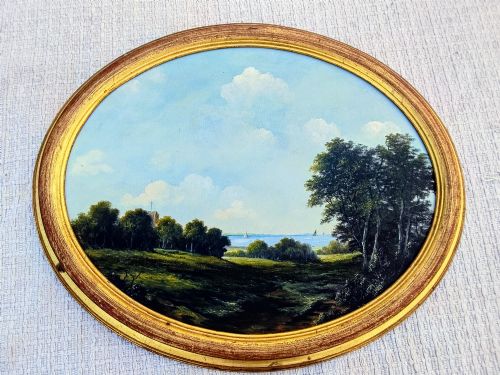
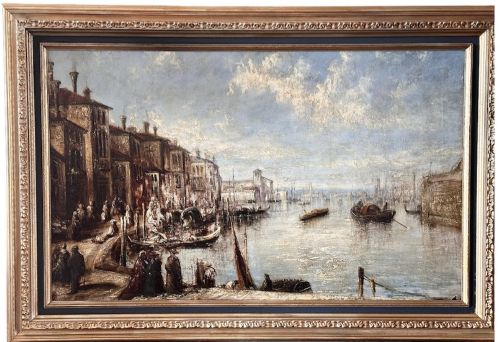
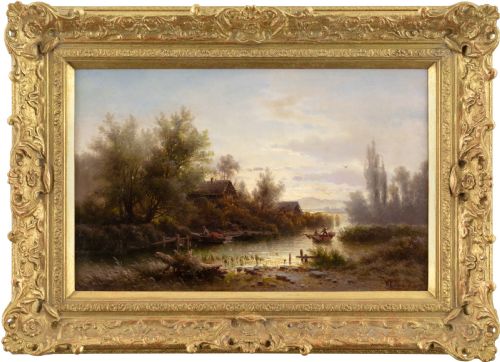
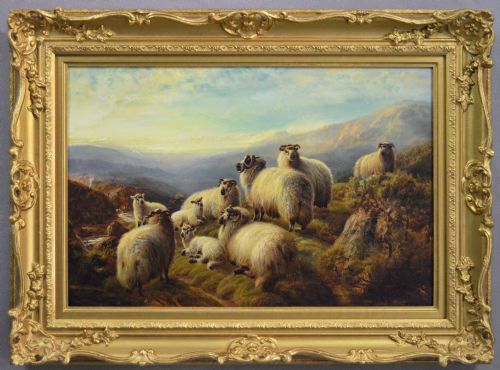
When you search for a classic oil landscape canvas, you encounter oil paintings on stretched canvas spanning seventeenth-century Dutch scenes to Victorian pastoral views. These works capture rivers, mountains, and coastal inlets across Britain and Europe, rendered in oil paint.
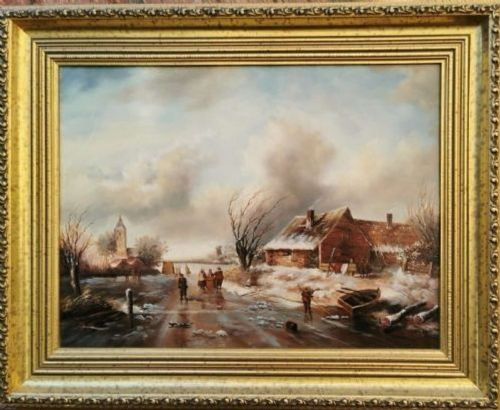
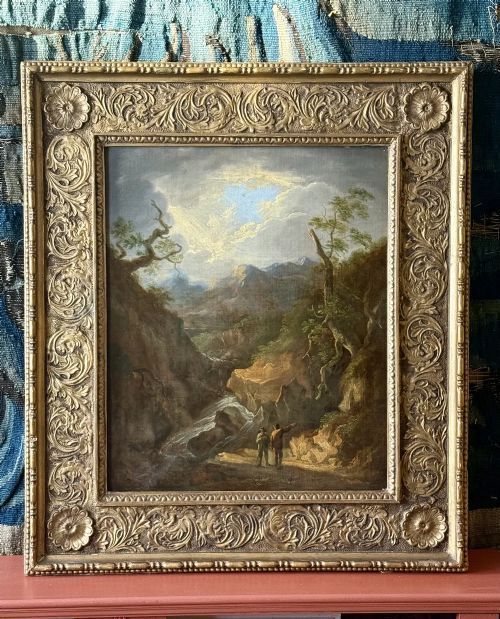
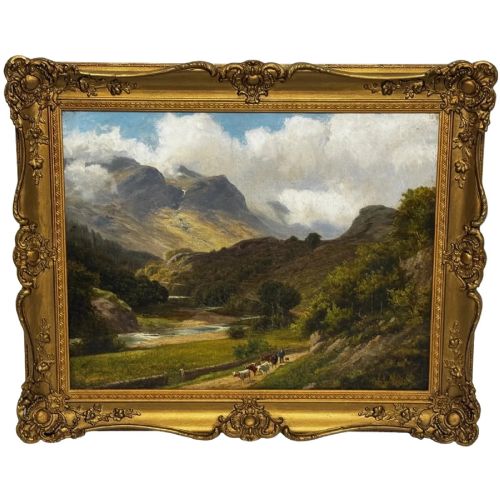
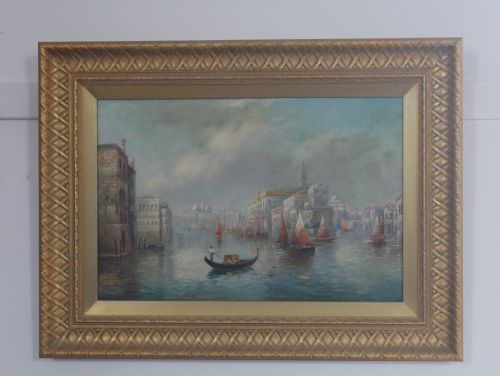
The selection on this page leans heavily toward nineteenth-century Victorian pieces, alongside Dutch school works and Regency mountain views. You find framed depictions of Welsh lakes, Venetian canals, and rural English rivers.
Makers and painters represented include named artists such as Alfred Pollentine, Benjamin Williams Leader, and William Henry Mander. These pieces offer a traditional window into historical topography and agrarian life.
Materials and construction
These works utilise oil paint applied to woven canvas supports, which are stretched over timber frames. Artists layered pigments to build atmospheric depth, capturing light on water, foliage, and skies.
Frames are constructed from wood, frequently embellished with giltwood or gilt finishes to complement the painted composition. The interaction between the canvas surface and the heavy wooden frame defines the physical object.
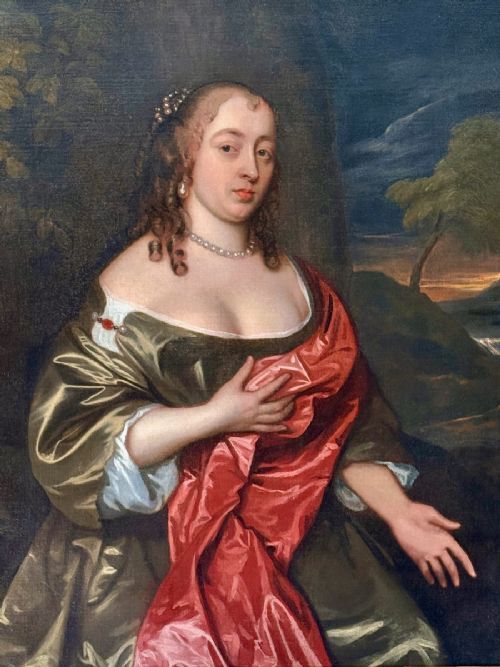
The listings span from seventeenth-century Dutch school compositions through to early twentieth-century British pastoral scenes.
Assessing quality
Quality rests upon the artist's handling of light, brushwork precision, and compositional balance within the canvas. Master works demonstrate confident pigment layering that creates genuine atmospheric perspective in skies and water.
The integrity of the canvas and the originality of the matching gilt wood frame contribute significantly to the piece's standing. Stronger examples display clear provenance through attributed signatures or distinct regional school characteristics.
Benjamin Barker of Bath·Hendrik Willem Schweickhardt·Francis Moltino·Albert Rieger·Sidney Richard Percy·Benjamin Williams Leader·Alfred Pollentine·Alfred de Breanski
The Classic Oil Landscape Canvas Glossary
- Canvas
- A heavy woven fabric used as a support surface for oil paintings. It is typically stretched tightly across a wooden chassis before painting begins.
- Giltwood
- Wood that has been coated with a thin layer of gold leaf or gilt. This finish is standard for traditional picture frames housing nineteenth-century oils.
- Baroque
- An artistic style originating in the seventeenth century characterised by dramatic contrast, rich colour, and dynamic movement. Works from this period often feature theatrical lighting in natural settings.
- Pastoral
- A genre of fine art depicting rural life, shepherds, and idealized country landscapes. These scenes emphasise tranquility and the harmony between humans and nature.
Classic Oil Landscape Canvas: Frequently Asked Questions
How do I care for an oil canvas?
Keep the canvas away from direct sunlight and dramatic humidity shifts to prevent paint cracking and wood warping.
Dust the surface gently with a soft, dry brush without applying pressure to the pigment layers.
How do I identify a Victorian landscape?
Victorian landscapes often feature romanticised rural views, pastoral animals, and dramatic skies associated with nineteenth-century realism.
Look for framing styles and artist signatures typical of the period between eighteen thirty-seven and nineteen hundred.
What is the Dutch School style?
The Dutch School encompasses seventeenth-century painting traditions focused on realistic lighting, expansive skies, and detailed natural scenery.
These compositions frequently showcase subdued earth tones and meticulous attention to weather and waterways.
How were these paintings originally framed?
Original framing typically involved heavy timber structures finished in gilt wood or gold leaf to enhance the artwork's visual weight.
Matching the frame to the painting's historical period preserves the integrity of the piece.