


18th Century Costume Artwork
These 18th century costume artwork pieces capture historical attire through oil paint, watercolour, and canvas, offering a direct window into past fashion.
18th Century Costume Artwork
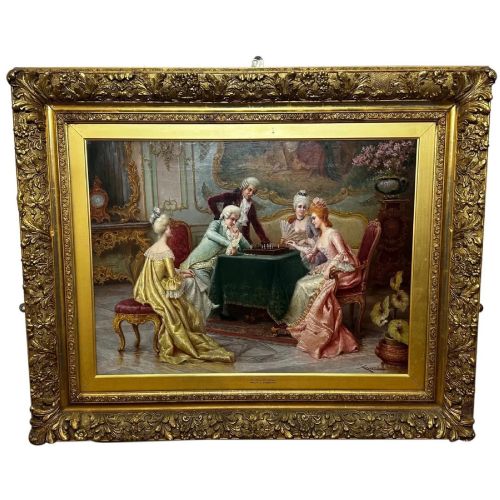
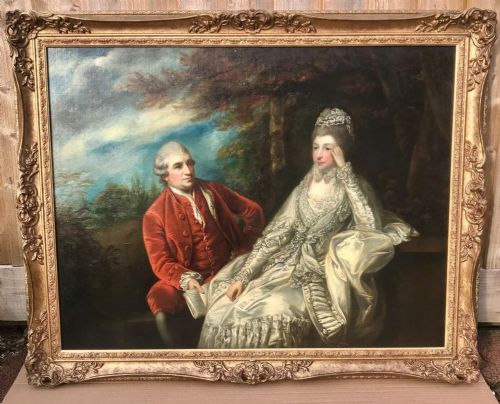
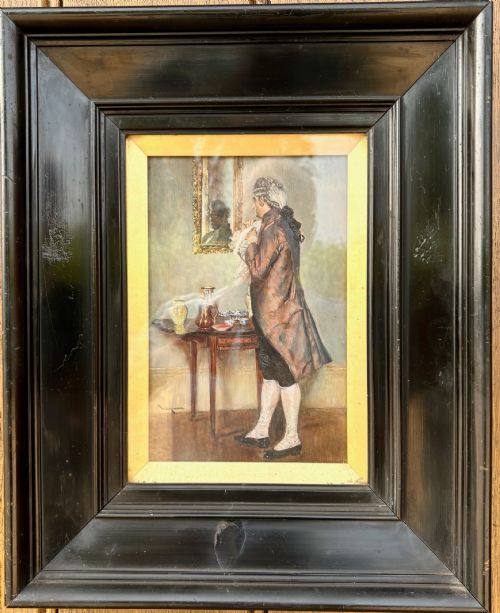
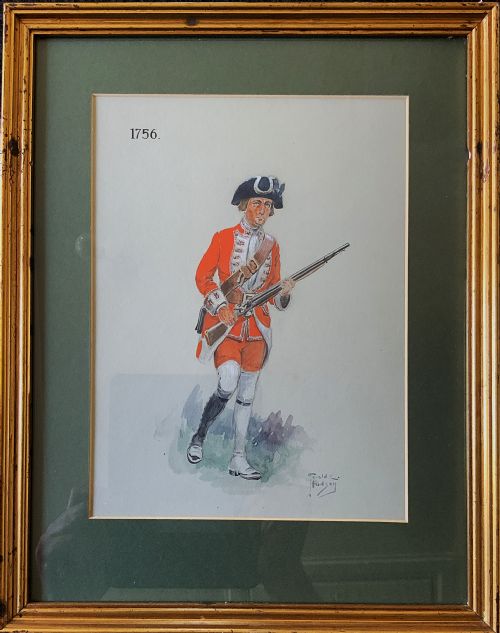
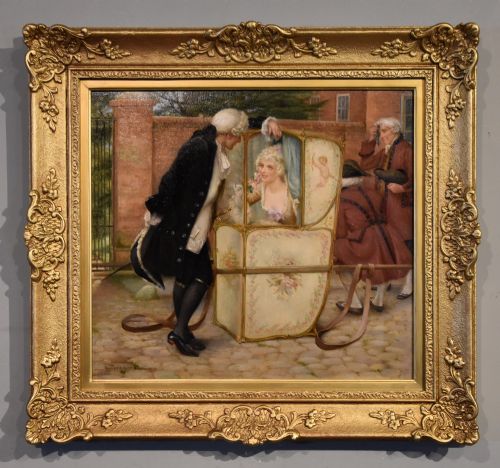
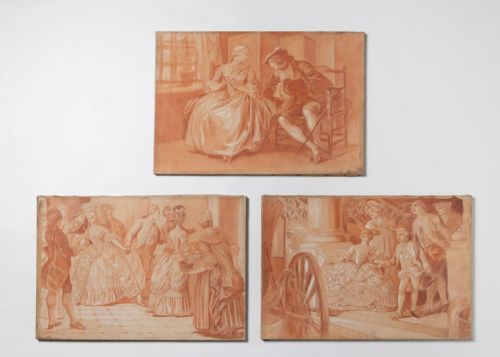
When you search for 18th century costume artwork, you are looking at visual representations of historical clothing and figures across multiple periods. The selection on this page includes items made in the 18th century alongside later interpretations from the 19th and early 20th centuries. These works record historical fashion, military uniforms, and period garments through oil on canvas, paper, and watercolour mediums.
The pieces you are most likely to meet here span Georgian, Victorian, and Edwardian styles, executed by painters working in oil and watercolour. Subjects range from individual portraits to genre scenes featuring gentlemen playing bowls or cards in period dress. Framed pictures and oils on board round out the physical forms available.
How They Were Made
Artists utilised oil paint on canvas, board, and paper to build rich textures and deep colour tones for these depictions. Watercolour and wash techniques appear frequently on paper surfaces, often capturing fine details in military uniforms and everyday dress.
Framing materials such as giltwood and plain wood provide the structural border for these works, protecting the canvas or paper underneath. Glass is also utilised to shield delicate watercolours from environmental wear.
Listings feature works in oil and watercolour, spanning the 18th, 19th, and early 20th centuries within Georgian and Victorian styles.
What Varies in Quality
The handling of the medium determines how effectively the artist renders the drape and texture of period garments. Superior works display a confident brushwork in oil or precise control in watercolour, bringing clarity to the historical subject.
The integration of the figure within its setting distinguishes finer examples from simpler compositions. Works executed by established painters demonstrate a deeper understanding of period light and costume construction.
W.D. Almond·Delapoer Downing·John Sanderson Wells·Frank Moss Bennett·Arturo Orselli·Joaquín Luque y Roselló·Marcel Brunery·Edmund Alphonse Andre
The 18th Century Costume Artwork Glossary
- Oil on Canvas
- Pigment mixed with drying oil applied to a stretched woven fabric support. This combination allows for rich blending and textured application.
- Watercolour
- A paint consisting of colour suspended in a water-soluble vehicle, typically applied to paper. It creates transparent washes that highlight fine illustrative details.
- Giltwood
- Wood that has been treated with a thin layer of gold leaf or gold paint. It frequently frames traditional portraiture and genre paintings.
- Genre Painting
- The pictorial representation of scenes from everyday life, often involving figures in historical or domestic settings. These works focus on narrative rather than formal portraiture.
- Georgian
- The period of British history covering the reigns of the four Georges, associated with specific architectural and sartorial styles. Pieces in this style reflect the aesthetics of that era.
18th Century Costume Artwork: Frequently Asked Questions
What periods do these artworks come from?
The listings include genuine pieces from the 18th century alongside later 19th and early 20th-century interpretations. Artists from the Victorian and Edwardian eras frequently painted historical costume scenes.
This mix means you can find both contemporary records and nostalgic later depictions of historical dress.
What materials are used in these works?
Painters utilised oil on canvas, board, and paper to create these depictions of historical dress. Watercolours and wash on paper also appear frequently.
Frames are commonly constructed from wood or giltwood, occasionally protected with glass.
How were these paintings displayed?
These framed pictures were designed to hang in domestic interiors, parlours, and studies. They served as decorative focal points that signaled an interest in history and fine art.
The inclusion of giltwood and wood frames helped integrate the artwork into period interior schemes.
How do I care for costume artwork?
Keep works on paper and canvas away from direct sunlight to prevent fading of watercolours and oil pigments. Stable indoor humidity protects both the wooden frames and the painted surfaces.
Glazed watercolours benefit from being kept in dry environments to avoid moisture accumulation under the glass.