

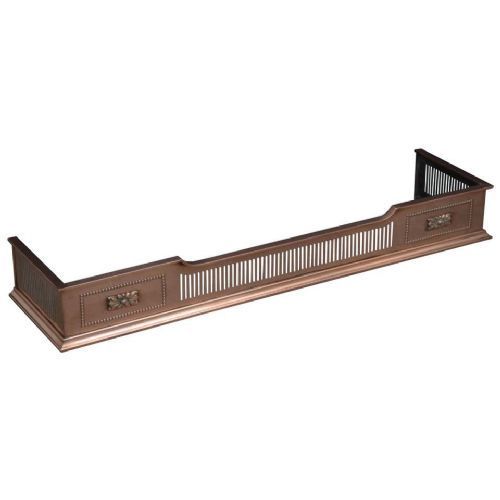


Vintage Hearth Surround
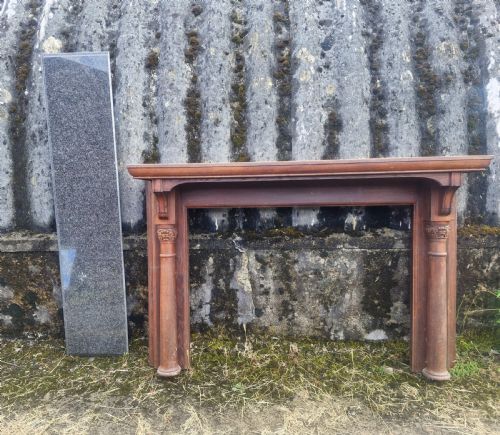
A vintage hearth surround anchors a room with period weight, offering functional protection and architectural character around an active fireplace.
Vintage Hearth Surround
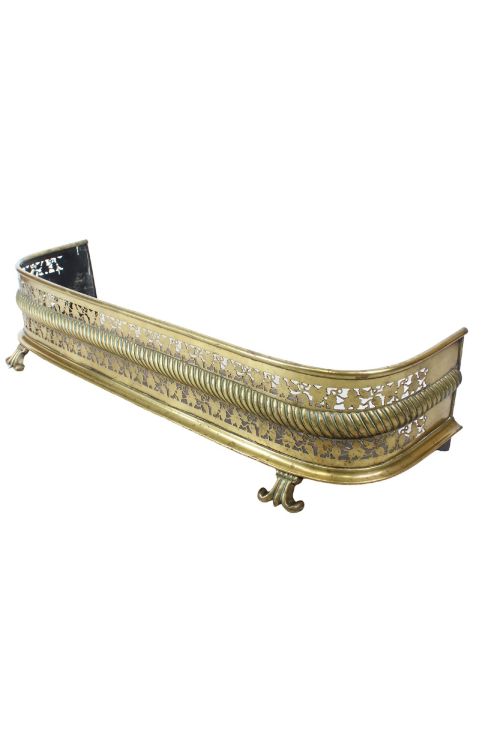
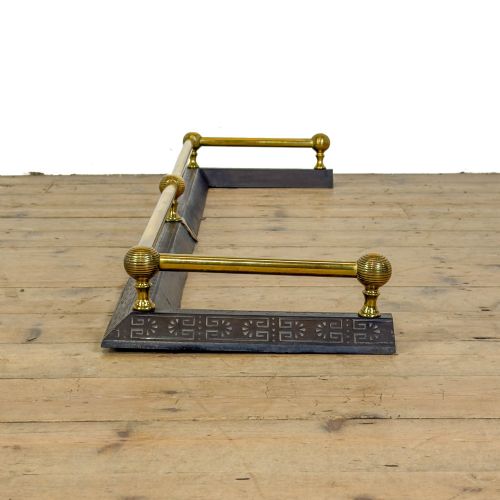
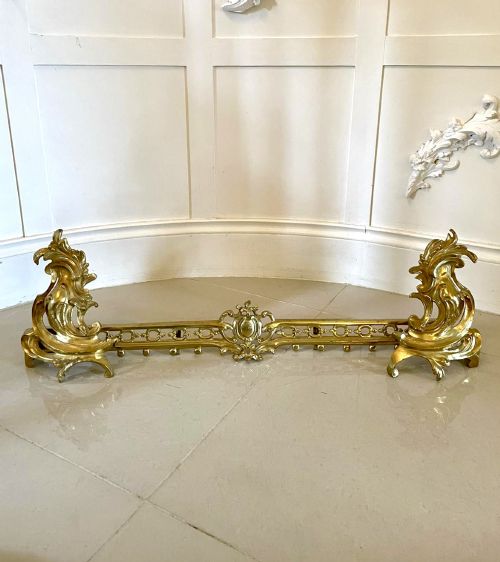
A vintage hearth surround encompasses fireplace fenders, club fenders, fire guards, and fire fronts that define the floor space directly in front of a domestic fireplace. These architectural and decorative ironmongery pieces emerge primarily from Victorian, Edwardian, and Art Deco periods, spanning the nineteenth and early twentieth centuries.
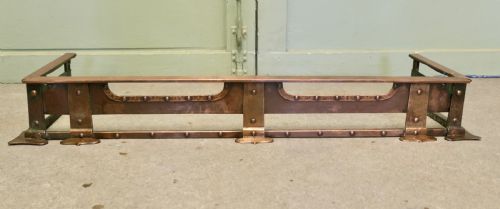
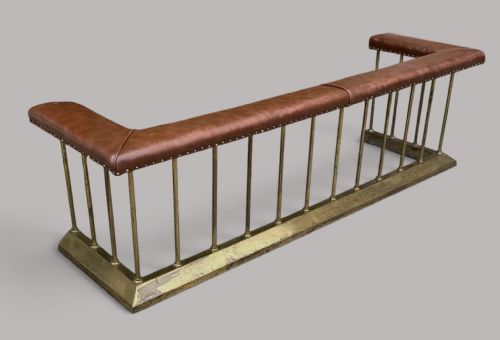
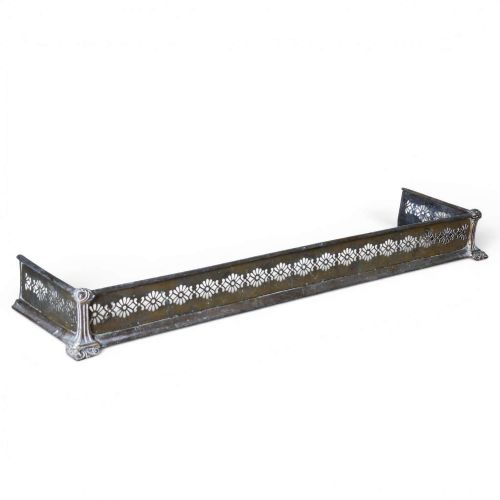
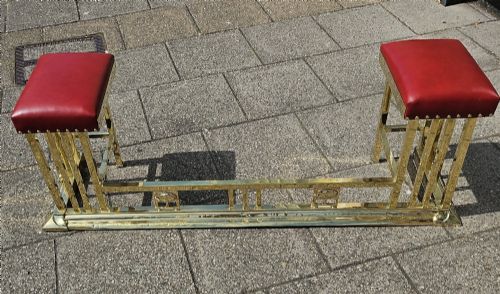
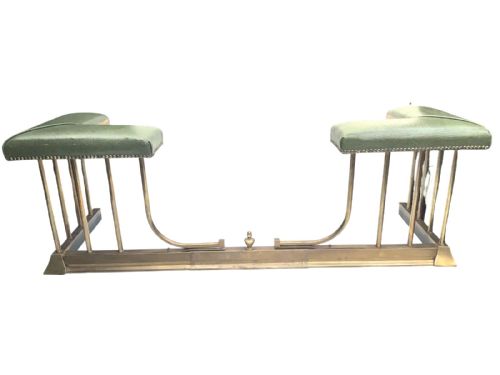
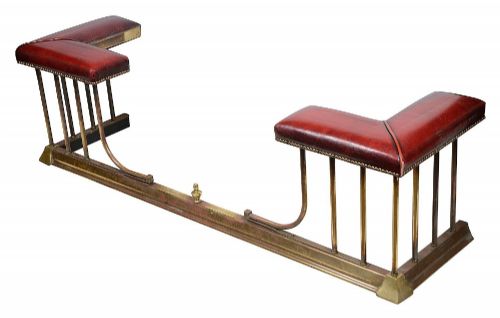
Buyers meet a diverse array of configurations on this page, ranging from simple pierced brass kerbs to substantial club fenders fitted with leather seating benches. Styles shift from ornate French Rococo and Louis XVI Neoclassical castings to geometric Art Deco lines and honest Arts and Crafts hand-beaten metalwork.
Originating in British country houses and urban drawing rooms alike, these surrounds served to keep stray embers away from floor coverings while providing practical warmth close to the hearth. The surviving examples reflect decades of domestic use, retaining patinas shaped by coal fires and polishing over generations.
Materials and Construction
Metal fabrication dominates the construction, utilising cast iron, brass, copper, steel, and bronze shaped through casting, piercing, riveting, and beating. Artisans joined heavy iron bases with bright brass rails, decorative patera, and delicate wire mesh guards.
Upholstered club fenders integrate organic materials like oak frames and leather seating cushions, often finished with buttoning or stud work above metal bases. Copper and brass components frequently display hand-beaten textures, floral motifs, or structural riveting characteristic of Arts and Crafts workshops.
Some club fenders were built extra wide so visiting politicians could argue politics while warming their coat-tails.
Judging Quality
Quality rests in the weight of the metal gauge, the crispness of chased or cast ornamentation, and the structural integrity of extending mechanisms. Superior pieces employ thick brass and heavy cast iron that resist warping under sustained hearth heat, whereas lighter iterations bend easily.
Artisanal execution distinguishes standard production from exceptional work, visible in hand-pierced fretwork, tightly secured rivets, and well-fitted leather upholstery on club seats. Patina also dictates distinction, where undisturbed natural ageing on copper and bronze outshines over-polished surfaces.
The Vintage Hearth Surround Glossary
- Club fender
- A low, metal-framed fender incorporating upholstered bench seating on top, allowing people to sit close to the fire. These originated in large country houses.
- Patera
- A circular ornamental disk carved or cast in low relief, often resembling a classical medallion or flower motif. Makers frequently placed these at the corners of brass fenders.
- Pierced brass
- Metal sheet perforated with decorative cut-out patterns, allowing light to pass through. This technique lightens the visual weight of heavy nineteenth-century kerbs.
- Fire guard
- A protective metallic screen placed in front of an open grate to catch flying sparks. They protect carpets and rooms from open fire hazards.
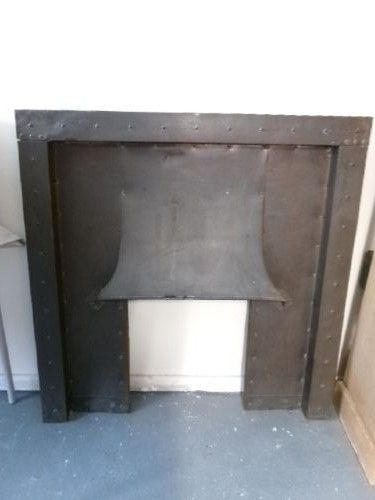
- Brutalist riveted
- A robust industrial style utilising exposed, heavy metal rivets and unpolished plates. Arts and Crafts metalworkers favored this honest structural aesthetic.
Vintage Hearth Surround: Frequently Asked Questions
How do I measure for a vintage hearth surround?
Measure the width and depth of your fireplace hearth stone to ensure the metal kerb or fender sits squarely upon it without overhanging the edges.
Take into account any protruding hearth stones or fire surrounds that might interfere with extending mechanisms or club fender seating dimensions.
What is the difference between a fender and a club fender?
A standard fender is a low metal barrier designed simply to contain ash and embers within the hearth space.
A club fender includes upholstered leather or fabric seating cushions along the top rails, transforming the fireplace border into a fireside bench.
How do I clean brass and copper fireplace surrounds?
Dust the metal regularly with a dry cloth to prevent soot and ash accumulation from pitting the surface over time.
Avoid harsh chemical abrasive cleaners that strip away the historical patina, opting instead for gentle proprietary metal creams applied sparingly.
Can adjustable fenders fit different fireplace sizes?
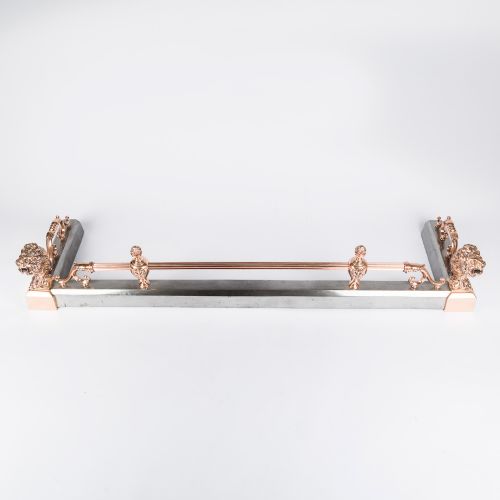
Many brass and steel fenders feature central sliding extending mechanisms that allow the overall width to expand or contract within a specific range.
Check the minimum and maximum span measurements to confirm the piece adjusts properly to your specific hearth opening.