


Vintage Headboard and Footboard
A vintage headboard and footboard setup provides a solid anchor for the bedroom, combining period metalwork or timber frames.
Vintage Headboard and Footboard
Buyers seeking a vintage headboard and footboard will encounter robust metal frameworks alongside substantial wooden bedsteads. The selection spans single, double, and king sizes tailored for various room proportions.
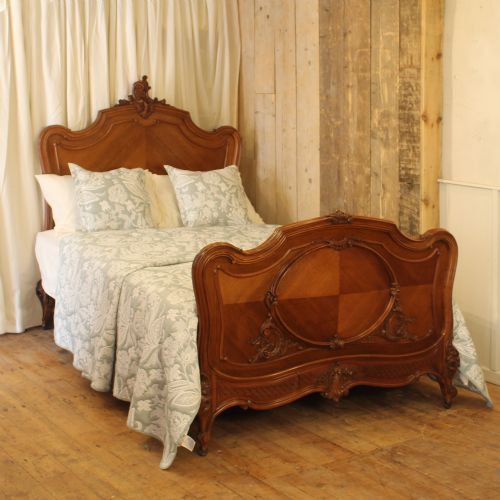
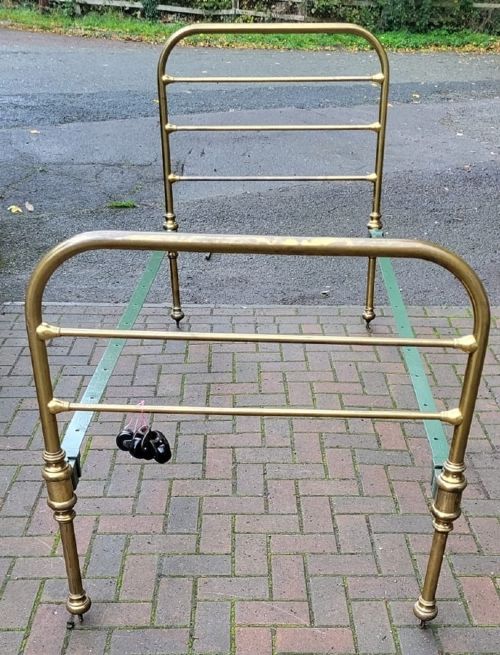
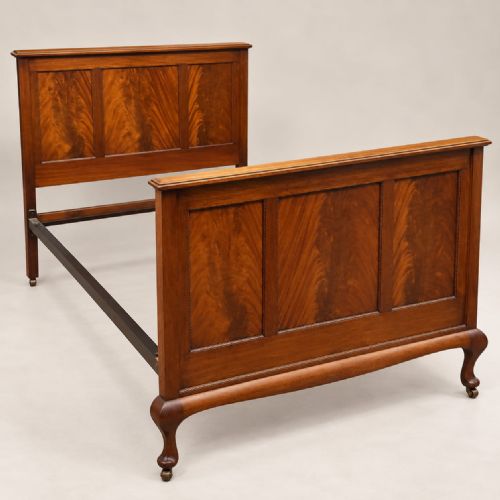
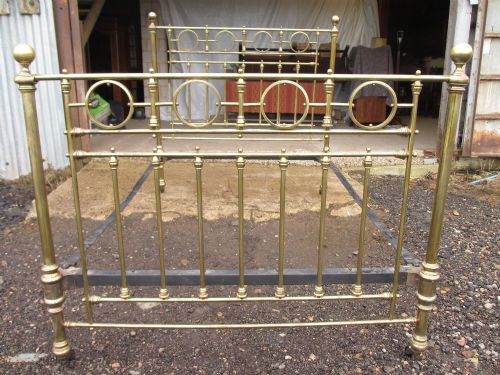
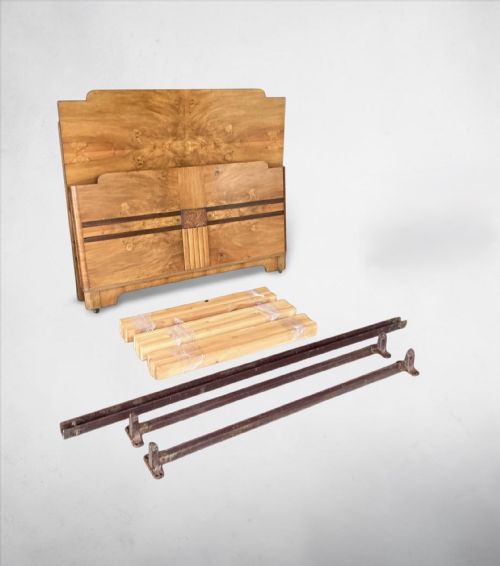
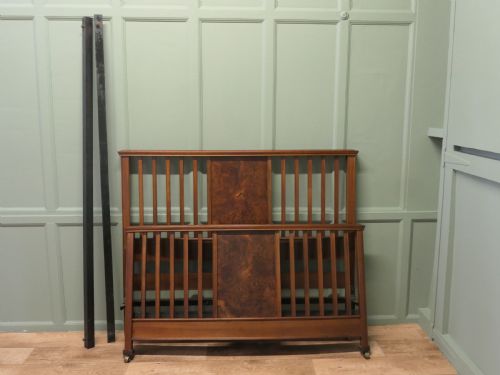
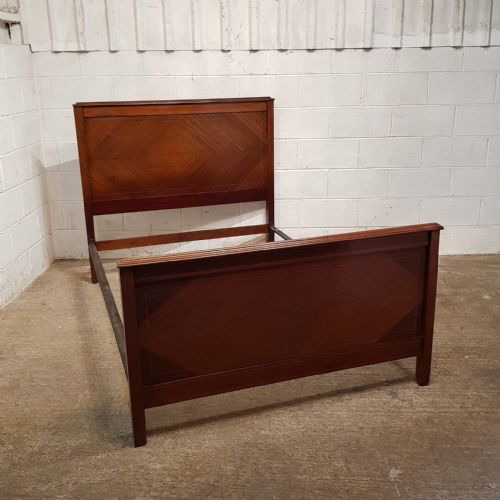
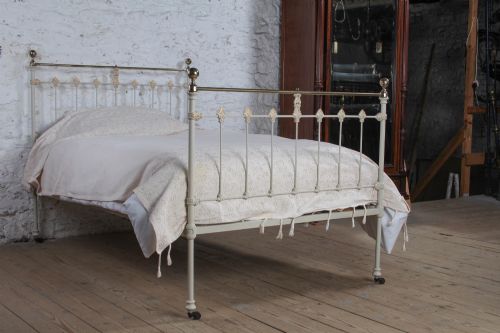
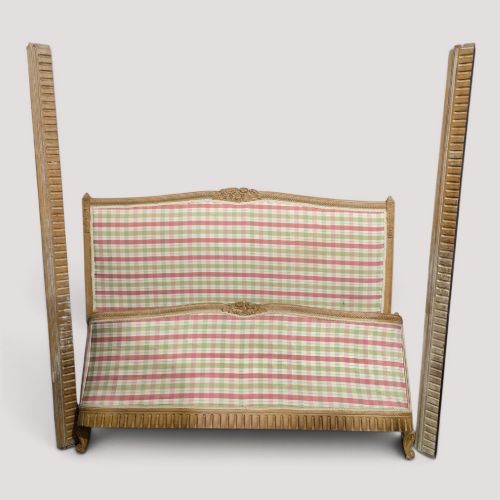
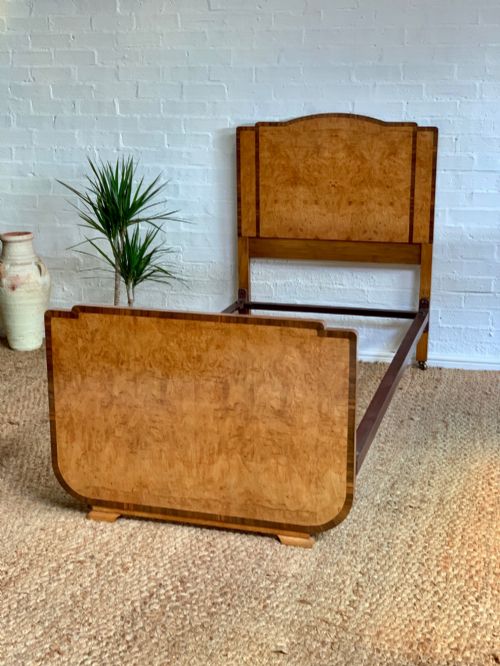
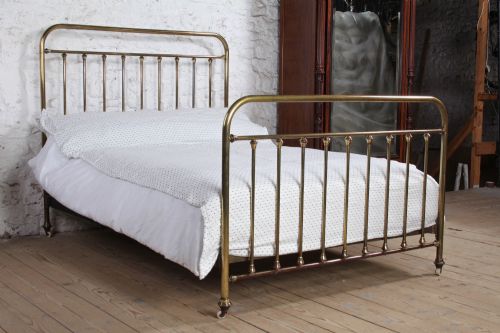
Victorian brass and iron pieces dominate alongside Edwardian mahogany and Art Deco burr walnut frames. French regional styles such as Louis XV and Louis XVI appear frequently among the timber offerings.
These items function as complete bedsteads or frame sets designed to support modern mattress dimensions while retaining their original nineteenth and twentieth-century character.
Materials and construction methods
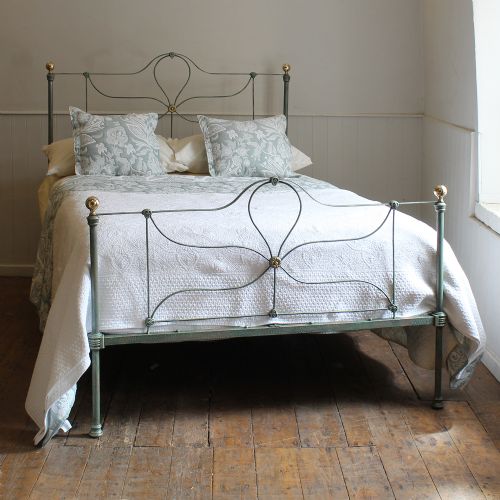
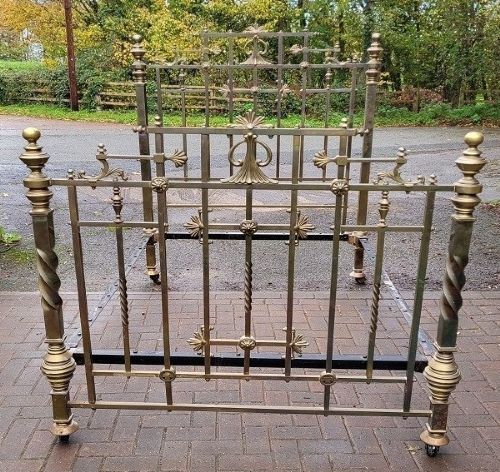
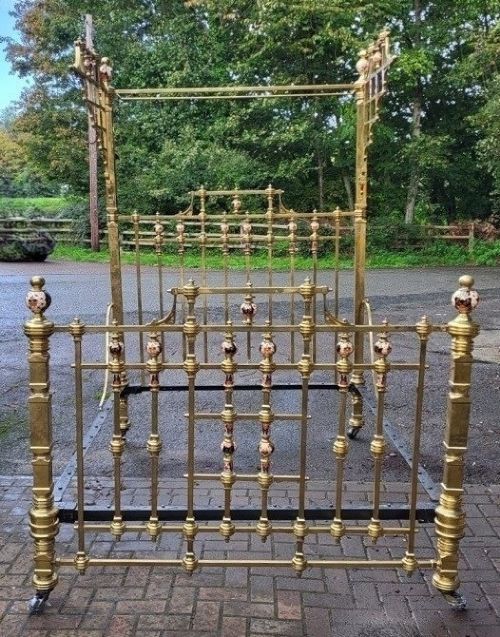
Metal frames utilise brass, cast iron, and wrought iron, often combined with slot-in frame sets and castors for mobility. Brass components receive polished finishes while iron frameworks provide structural integrity.
Timber constructions employ walnut, burr walnut, mahogany, maple, and satinwood. Cabinet makers shaped these woods into curved panels and carved details, frequently pairing figured veneers with solid frames.
Listings feature brass, iron, walnut, mahogany, and maple materials spanning the Victorian, Edwardian, and Art Deco periods.
Distinguishing quality in period frames
The degree of ornamentation separates standard production models from exhibition pieces. Elaborate casting details on brass or intricate hand-carving on walnut define the upper tier of manufacture.
The choice of timber veneer, such as burr walnut or birds Eye maple, dictates visual depth. Superior examples maintain original structural hardware and balanced proportions across the head and foot sections.
Waring & Gillow·Winfield·RW Winfield·Maple & Co
The Vintage Headboard and Footboard Glossary
- Bedstead
- A framework of a bed upon which springs and mattresses are supported. These structures usually incorporate both head and foot sections.
- Half Tester
- A type of bed canopy that extends only partway down the length of the bed. It attaches directly to the headboard.
- Burr Walnut
- Wood taken from the warted growth on a walnut tree, yielding highly figured grain patterns. It is sliced into veneers for decorative furniture panels.
- Cast Iron
- Iron shaped by being poured into a mould while molten. This material forms sturdy bed frames and ornamental details.
- Satinwood
- A durable hardwood with a lustrous yellow sheen. It serves as a fine timber for cabinet work and inlay.
Vintage Headboard and Footboard: Frequently Asked Questions
How do I fit a modern mattress?
Many period bedsteads accommodate standard mattress dimensions through adapted side rails or modern slatted bases placed within the original iron frame. Checking the internal width and length against current sizing standards ensures a correct fit.
Adjustment may be required for older French or non-standard dimensions. Consulting the specific measurements listed for each bedstead prevents compatibility issues.
Are brass and iron beds sturdy?
Metal frames utilise heavy cast iron and solid brass components designed to support substantial weight. The original slot-in joints lock together securely under tension.
Routine maintenance involves checking the joint fixings to maintain structural stability. These materials offer long-term durability when handled with care during assembly.
How do I clean polished brass?
Maintenance requires gentle dusting with a soft cloth to prevent surface scratching. Avoid abrasive compounds that strip protective lacquers or vintage patination.
Specialist metal cleaners suit unlacquered surfaces needing brighter reflection. Preserving the natural ageing often appeals more to collectors than an overly bright finish.
What defines Art Deco bed design?
Art Deco frames feature streamlined geometric forms and symmetrical arrangements. Makers utilised figured veneers like burr walnut and birds eye maple to create striking surface patterns.
These pieces emerged during the interwar period, offering a distinct contrast to ornate Victorian styling. Their curved profiles showcase the machine age influence on domestic furniture.