


Vintage Harbour Seascape
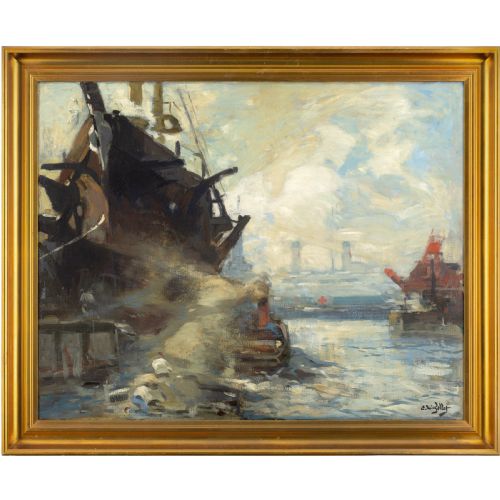
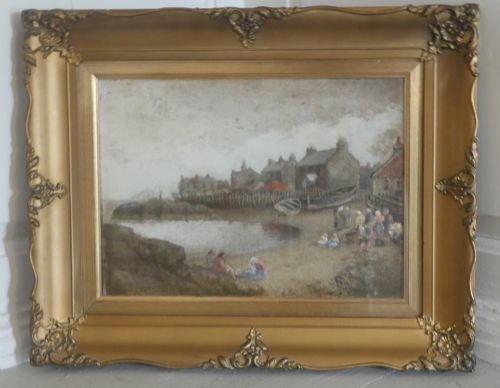
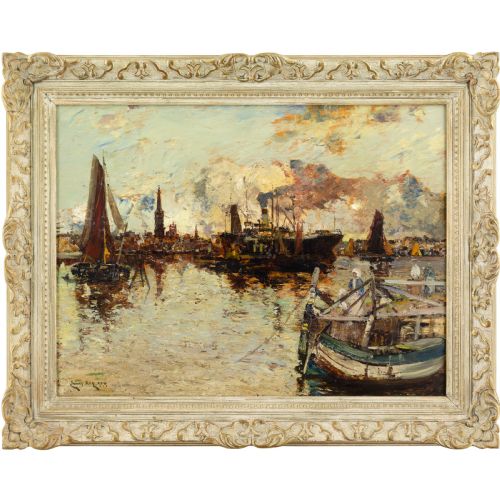
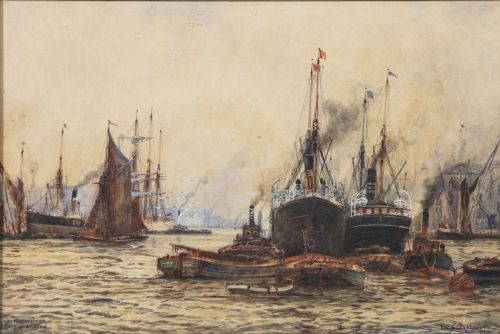
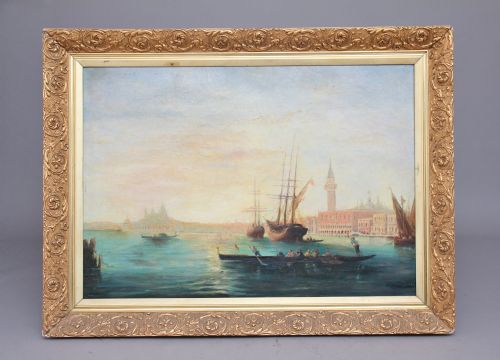
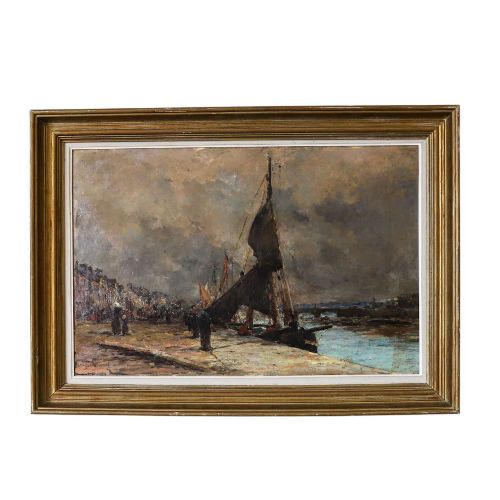
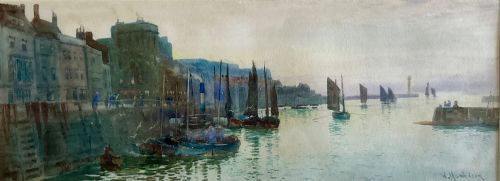
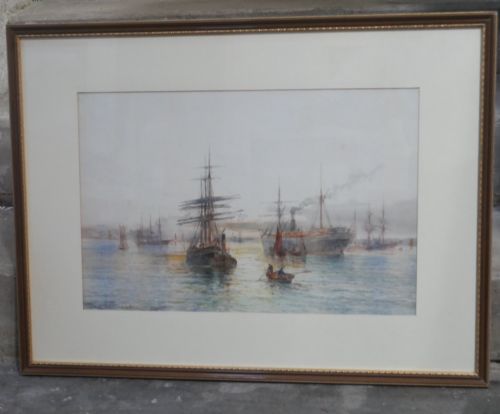
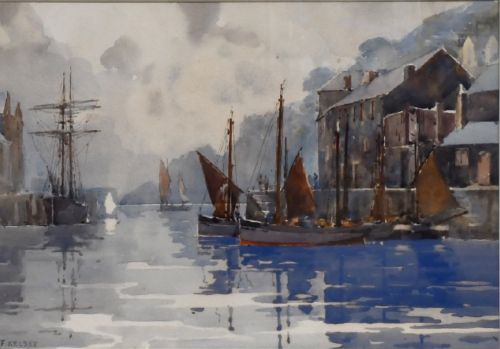
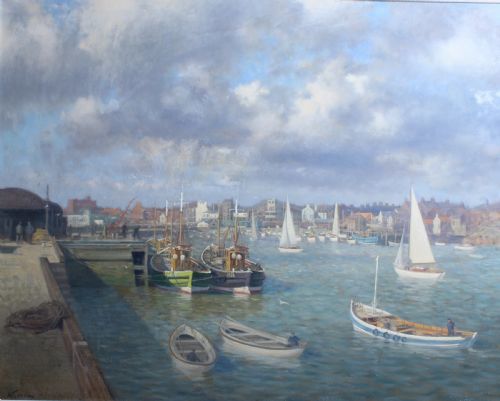
A vintage harbour seascape captures coastal life and maritime industry through oil paint and watercolour across British and European ports.
Vintage Harbour Seascape
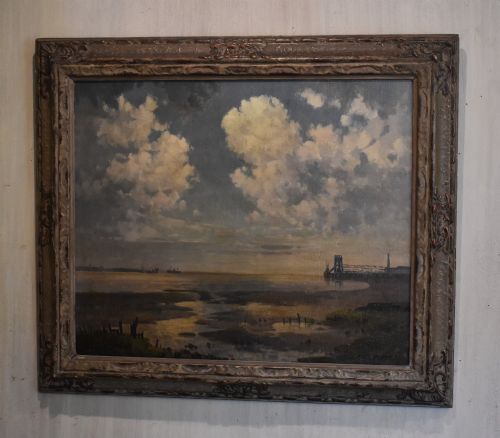
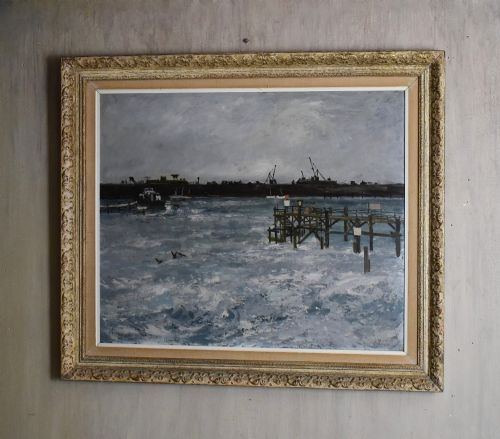
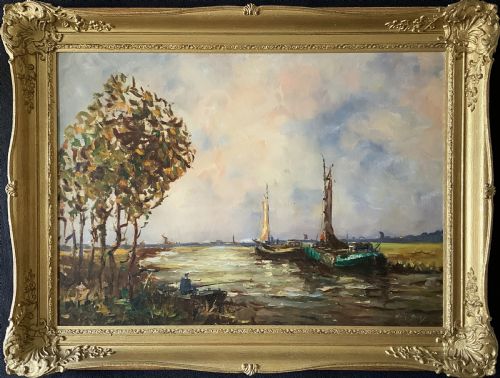
When searching for a vintage harbour seascape, collectors encounter original paintings depicting coastal inlets, fishing boats, and maritime activity from the nineteenth century through the mid-twentieth century.
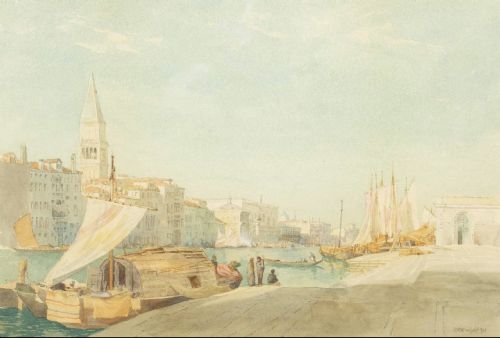
The selections available here range from Victorian watercolours of Cornish fishing ports to mid-century oil paintings of European canals and industrial quays.
Most pieces document specific locations such as St Ives, Whitby, Venice, and French coastal towns, executed in styles spanning Impressionism, Post-Impressionism, and British maritime traditions.
How They Were Made
Artists applied oil paint or watercolour to canvas, wood panels, or heavy paper support, frequently working en plein air to capture immediate atmospheric changes by the water.
Gilt wood frames often house these works, providing a traditional border that complements the maritime subject matter and the texture of the painted surface.
Listings feature works executed on canvas, wood, paper, and gilt wood frames from the Victorian era to the 1960s.
What Varies in Quality
The strength of a vintage harbour seascape lies in the artist's handling of light upon water and the confident execution of architectural and nautical forms.
Compositional balance and the preservation of the original pigment without excessive restoration distinguish superior examples from standard decorative works.
Kenneth Cozens·Eugène-Louis Gillot·Edward Mills·William Banks Fortescue·James Kay RSW·Frank William Scarbrough·Clive Browne·Peter Brannan·Richard Henry Wright·Willem Bos·William Matthison·Frank Kelsey·Walter Goodin·Lokre·William Edward Webb·Edward Matthew Elliott·Richard Harry Carter·Gyrth Russell·Jean-Baptiste Olive·Raymond Picque·William Lee Hankey·George Turland Goosey·Adrian Van Porten·Fred Waugh·T.S. Wallis
The Vintage Harbour Seascape Glossary
- Plein air
- Painting outdoors to directly observe the landscape and shifting effects of light. This method defined much of Impressionist marine art.
- Seascape
- A work of art depicting the sea, coastal views, or marine vessels. These compositions focus primarily on water and shorelines rather than inland scenery.
- Watercolour
- A paint consisting of colour suspended in a water-soluble vehicle, typically applied to paper. It offers transparent washes ideal for capturing atmospheric harbour light.
- Impressionism
- A nineteenth-century art movement characterised by relatively small, thin, yet visible brush strokes and an emphasis on accurate depiction of light. Artists applied this style extensively to maritime subjects.
Vintage Harbour Seascape: Frequently Asked Questions
How do I date a vintage harbour seascape?
Examination of the materials, framing style, and artist signatures often provides a reliable timeframe. Clothing styles of figures on the quayside or the type of vessels depicted also point to specific decades.
Purchasing works with documented artist biographies helps narrow the execution date. Period framing techniques offer further clues to the age of the piece.
Where were most of these scenes painted?
British fishing ports in Cornwall, Yorkshire, and Scotland appear frequently in these listings. European locations, particularly in France, Italy, and the Netherlands, also feature prominently.
Artists gravitated toward active maritime centres where local industries and coastal geography provided varied compositional subjects.
Should I choose oil or watercolour?
Oil paintings on canvas or board provide heavier texture and rich colour depth suitable for stormy seas and robust harbour scenes. Watercolours on paper offer delicate transparency that suits bright coastal light and calm waters.
Both mediums were utilised extensively by marine artists throughout the nineteenth and twentieth centuries.
How do I care for these paintings?
Display artworks away from direct sunlight and excessive humidity to protect pigments and paper supports. Maintaining stable indoor temperatures prevents warping of wooden panels and canvas stretchers.
Professional framing with conservation-grade materials ensures long-term preservation of both oils and watercolours.