

Vintage Hanging Light Shade
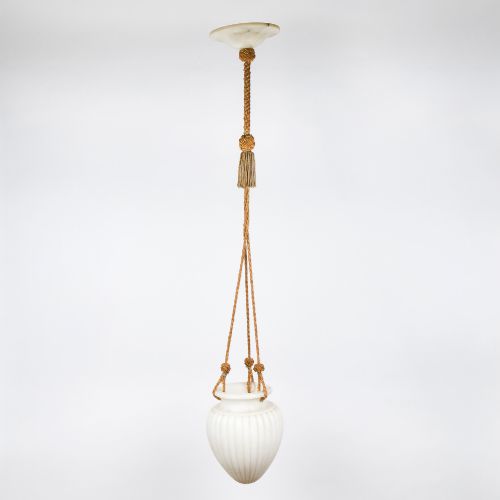
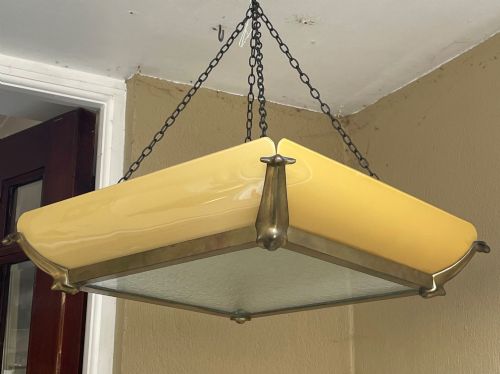
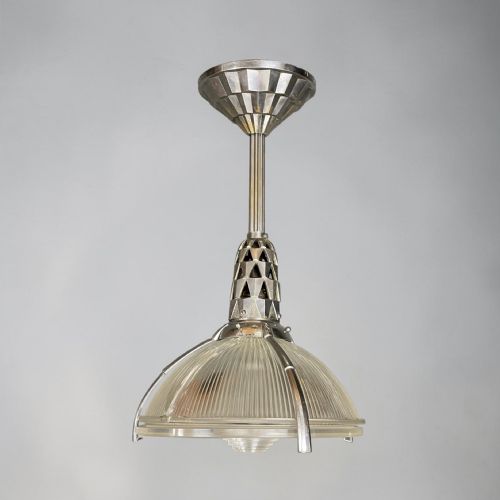
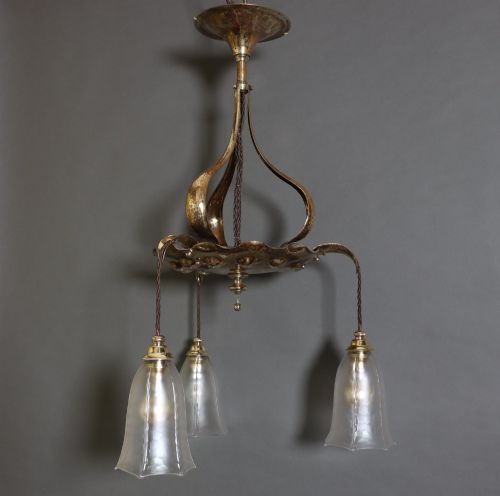
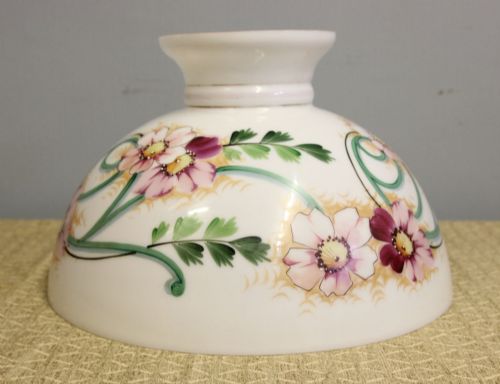
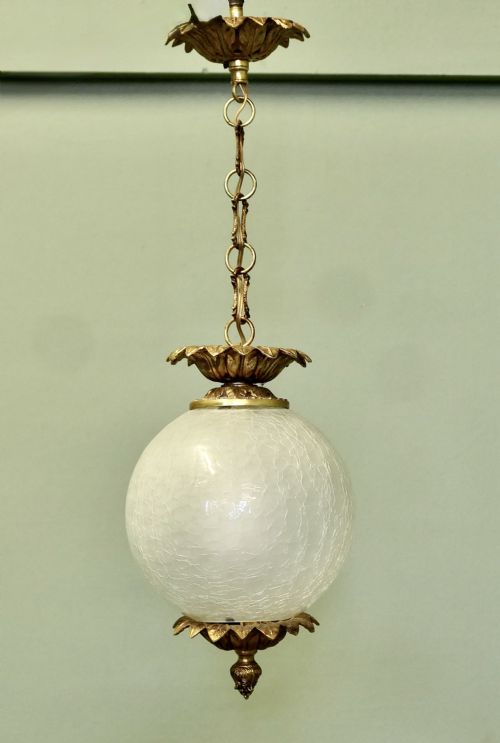
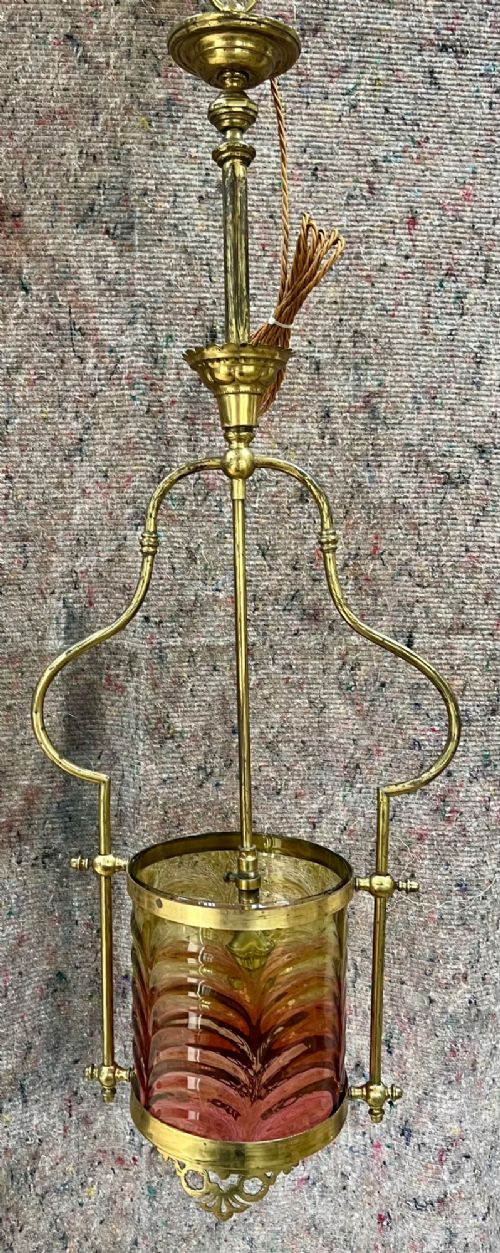
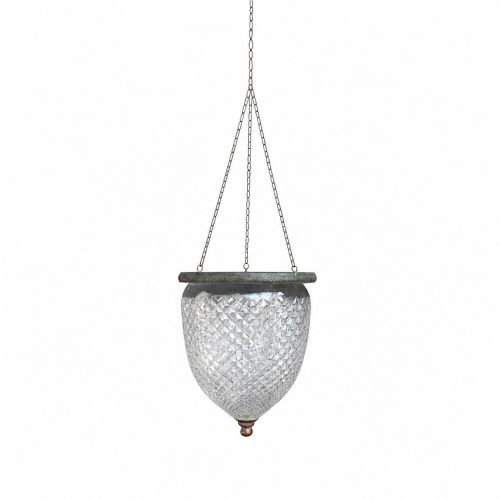
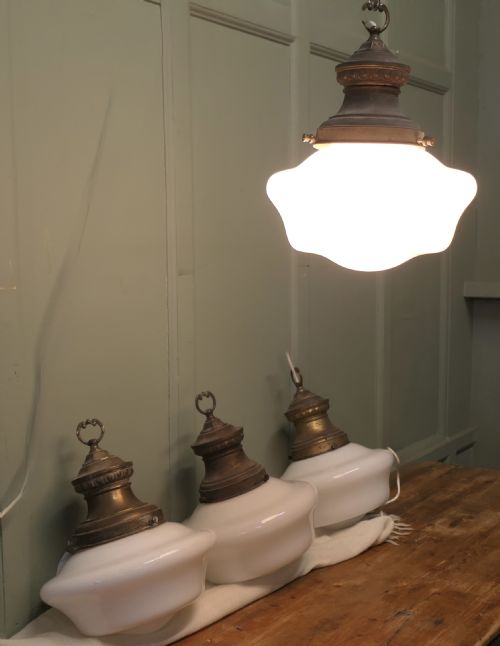
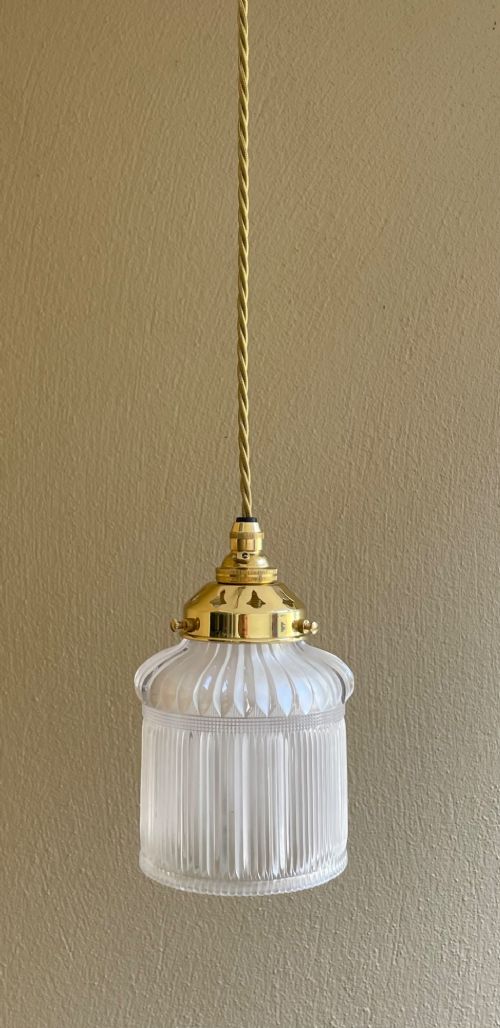
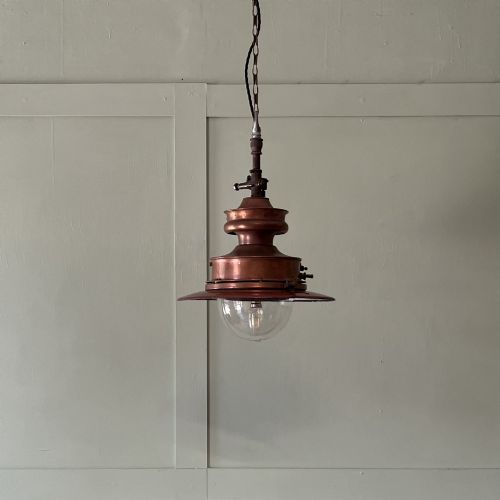
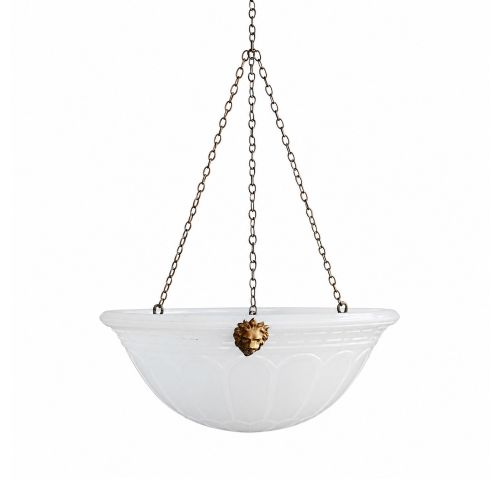
These vintage hanging light shade pieces bring period character to a room, casting warm illumination through glass and metal.
Vintage Hanging Light Shade
A vintage hanging light shade serves as a central illumination fixture suspended from the ceiling. When searching for a vintage hanging light shade, buyers encounter various historical designs ranging from simple glass globes to ornate brass fittings.
The selections span multiple eras including the Victorian period, Edwardian times, and the 1920s and 1930s. Art Deco and industrial styles appear frequently alongside classical revival pieces.
Pendant lights, ceiling lights, and chandeliers dominate the offerings. Many examples utilise opaline glass, brass mounts, and copper structures.
Materials and construction methods
Glass forms the primary medium for diffusion, utilising techniques such as moulding, cutting, and frosting. Opaline, moonstone, and crackle glass appear regularly in period pieces.
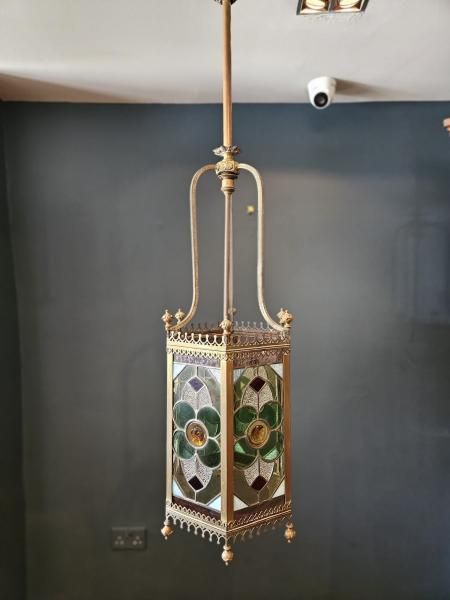
Metalwork provides the structural framework, predominantly utilising brass and copper alongside general metal components. These metals are shaped into chains, galleries, and ceiling roses to support the weight of the glass shades.
Distinctions in quality
Quality depends on the weight and clarity of the glass used in the shade. Thicker, hand-moulded or deeply cut glass indicates superior craftsmanship compared to thin, mass-produced alternatives.
The execution of the metal mounts determines the overall integrity of the piece. Solid brass or copper fittings with intricate casting reflect higher standards than stamped, lightweight hardware.
Émile-Jacques Ruhlmann·VESTARAY
The Vintage Hanging Light Shade Glossary
- Plafonnier
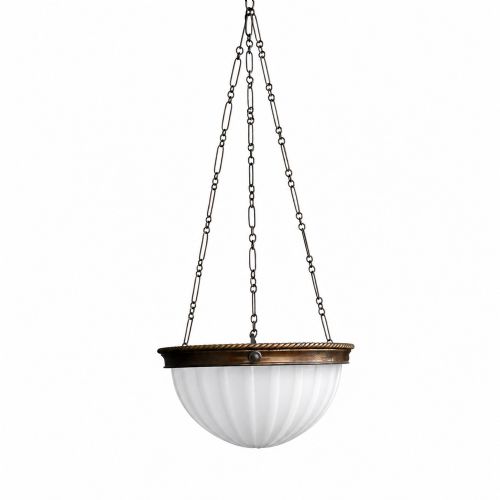
- A bowl-shaped ceiling light fixture that mounts flush or hangs closely from the ceiling. These glass shades often feature moulded decoration and direct light downward.
- Opaline glass
- A milky, semi-translucent glass developed to soften glare while diffusing light evenly. It appears in white and pastel shades across early twentieth-century lighting.
- Rise and fall chandelier
- A mechanical hanging light equipped with a pulley system to adjust the height of the fixture. This mechanism allowed users to lower the light for maintenance or reading.
- Holophane
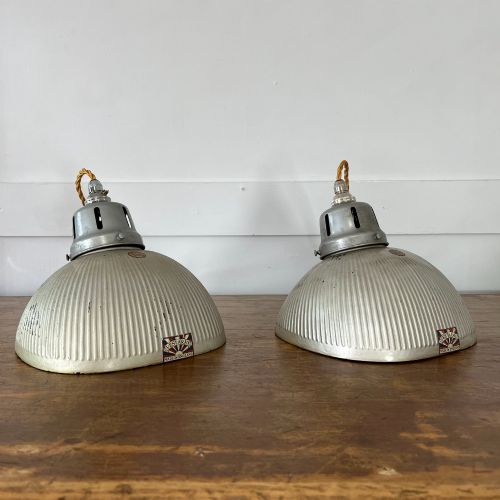
- A brand of scientific glass shade designed with prismatic ribs. These ribs direct and distribute light efficiently while reducing harsh shadows.
- Slip shade
- A moulded glass shade designed to slide into a metal frame or multi-arm fixture. This style is particularly characteristic of Art Deco lighting design.
Vintage Hanging Light Shade: Frequently Asked Questions
How do I hang a vintage pendant light?
Most vintage hanging lights suspend from a ceiling hook connected to an electrical supply. Professional installation is recommended to support the weight of brass and glass fixtures safely.
Ensure the ceiling rose and chain match the drop height required for the room. Proper wiring checks should be performed before connecting older fixtures.
What periods do these light shades come from?
The inventory includes pieces from the Victorian era, the Edwardian period, and the 1920s and 1930s. Art Deco and industrial styles are prominent among these twentieth-century items.
Earlier nineteenth-century examples also appear alongside classical revival designs.
Are these lights compatible with modern bulbs?
Many vintage fixtures accommodate standard modern screw or bayonet bulbs, provided the wattage does not exceed safe limits for historic glass and wiring. LED bulbs offer a cooler alternative that protects antique materials from excess heat.
Check the fitter size of the shade to ensure the bulb and holder pass through securely.
How do I clean opaline glass shades?
Wash opaline glass gently in lukewarm water using a mild, non-abrasive detergent. Avoid harsh scrubbing or soaking metal mounts attached to the glass.
Dry thoroughly with a soft cloth to prevent water spots on the translucent surface.