
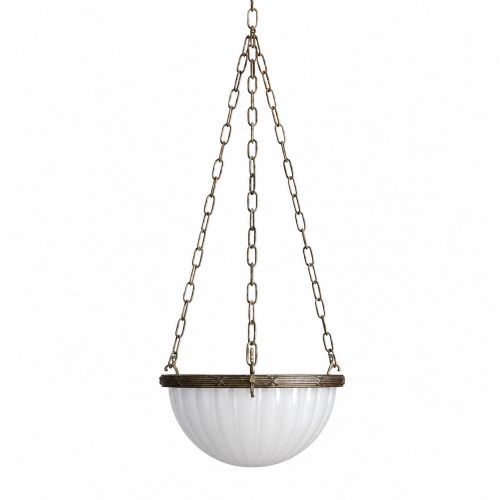


Antique Bowl Light Shade
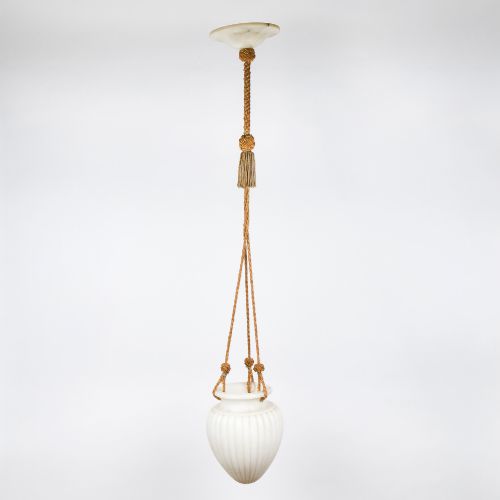
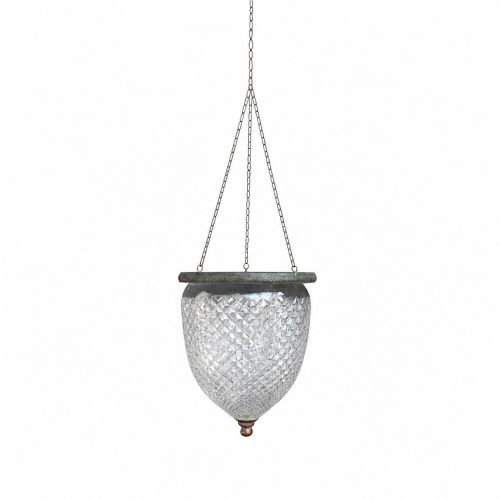
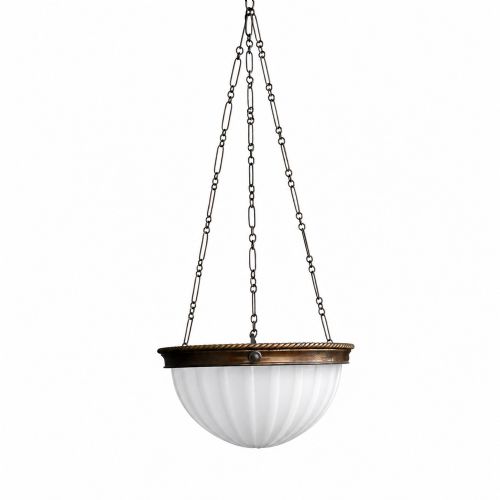
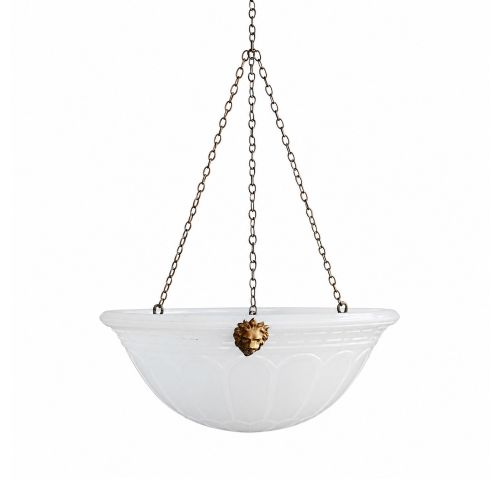
An antique bowl light shade suspends illumination in a room, offering functional downward glow through sculpted glass, alabaster, or crystal.
Antique Bowl Light Shade
An antique bowl light shade is a suspended ceiling fixture designed to cast diffused illumination downwards into a room. These pieces range from shallow dishes to deep hemispherical bowls supported by metal mounts or chains.
Buyers frequently encounter Art Deco opalescent glass and pressed satin glass plafonniers alongside Edwardian cut glass dishes on this page. Pieces date from the Victorian era through the 1930s, spanning styles such as Arts and Crafts, Art Nouveau, and Neoclassical.
What varies in quality
The weight and depth of the glass or alabaster heavily influence the quality of a shade, as thicker materials produce a more even diffusion of light. Intricate moulding, hand-cutting, and surface gilding distinguish standard production items from finer artistic works.
The craftsmanship of the metal suspension hardware, including cast bronze mounts and detailed rams head fittings, dictates the overall coherence of the fixture. Matching original chains, canopies, and brackets preserve the integrity of the piece.
Listings feature items spanning the Victorian era through the 1930s, utilising brass, bronze, alabaster, frosted glass, and cut crystal.
René Lalique·Verrerie Des Vosge
The Antique Bowl Light Shade Glossary
- Plafonnier
- A ceiling light featuring a bowl or dish shade fitted close to the ceiling or suspended by short rods and chains. This French term typically applies to decorative glass and alabaster fixtures from the early twentieth century.
- Moonstone glass
- A type of semi-translucent white glass that emulates the soft sheen of a moonstone. It scatters bulb illumination evenly without harsh glare.
- Opalescent glass
- Glass containing ingredients that cause it to display milky blue or orange tones when lit. Makers used this technique to create striking visual depth in Art Deco lighting.
- Cut glass
- Glass decorated by grinding facets or patterns into the surface using rotating wheels. This method enhances light refraction across Edwardian and Victorian pendant bowls.
- Alabaster
- A fine-grained, translucent stone carved into hanging dishes and bowls. Its natural veining allows warm, muted light to filter through the material.
Antique Bowl Light Shade: Frequently Asked Questions
What rooms suit an Art Deco plafonnier?
An Art Deco plafonnier suits hallways, dining rooms, and bedrooms where a flush or semi-flush ceiling light provides balanced downward illumination. The geometric frosted and opalescent glass shades complement period interiors and modern spaces alike.
Their shallow profile works particularly well in rooms with standard ceiling heights where hanging chandeliers might hang too low.
How do I tell Edwardian cut glass from Victorian styles?
Edwardian cut glass shades tend to feature lighter, more restrained geometric facet patterns that reflect a shift toward simpler interiors. Victorian pieces often display heavier brass mounts, ornate bronze fittings, and deeper ruby or cut crystal bowls.
Examining the metalwork and the weight of the glass helps distinguish the earlier Victorian aesthetic from the brighter Edwardian designs.
Can I replace the fabric cord on a pendant light?
Replacing the fabric cord on an antique pendant light is straightforward for a qualified electrician using modern braided flex that matches the historic aesthetic. Preserving original brass or copper cord grips helps maintain the character of the suspension.
Updating the internal wiring ensures safety while keeping the original shade and metal gallery intact.