

Antique Ceiling Light Shade
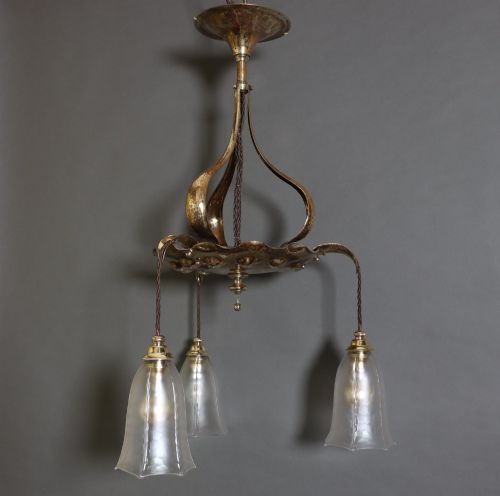
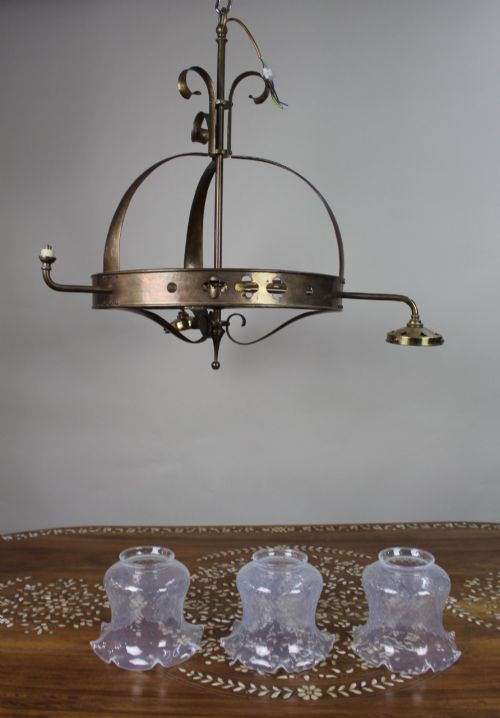
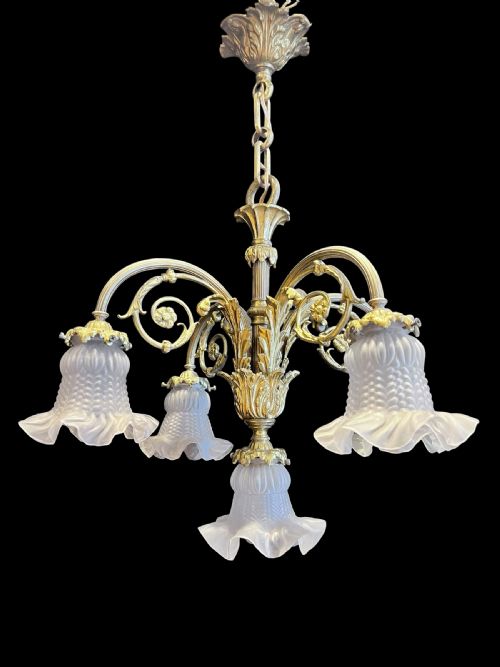
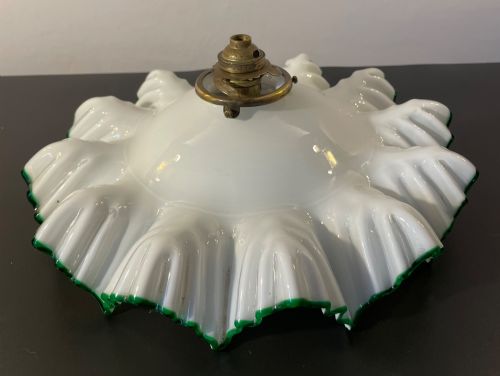
An antique ceiling light shade brings period warmth overhead, offering an array of glass and metal styles from the Victorian era to the 1940s.
Antique Ceiling Light Shade
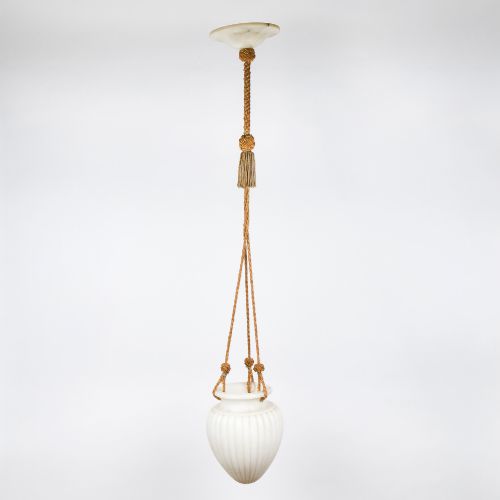
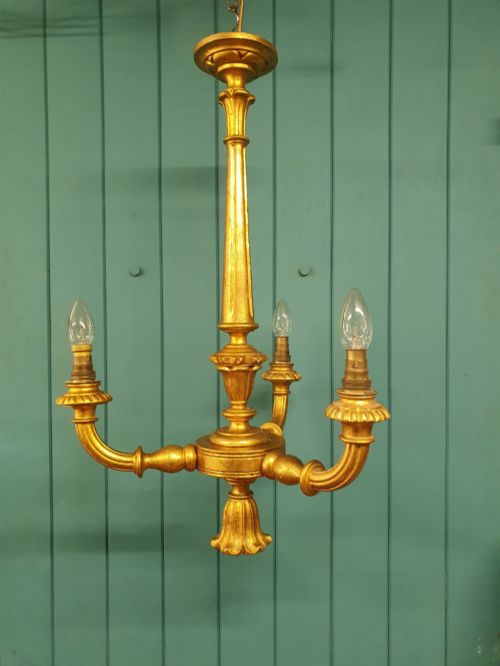
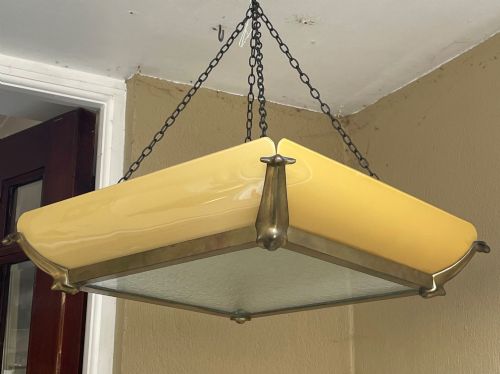
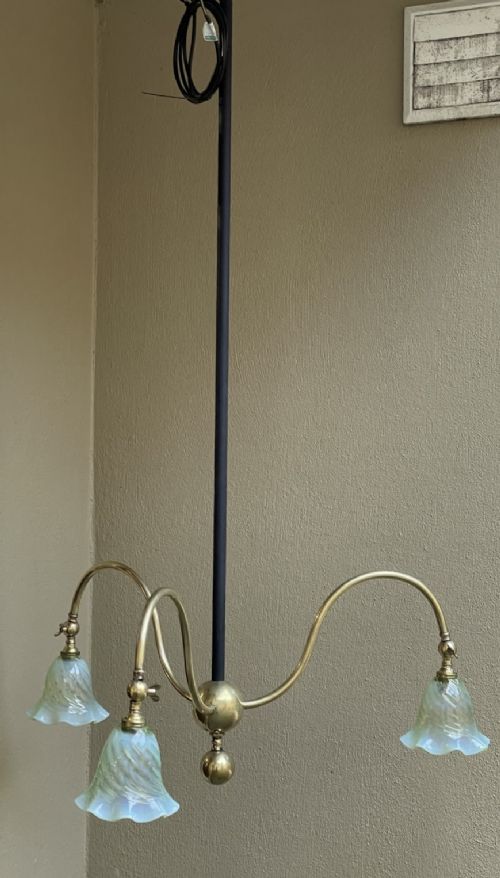
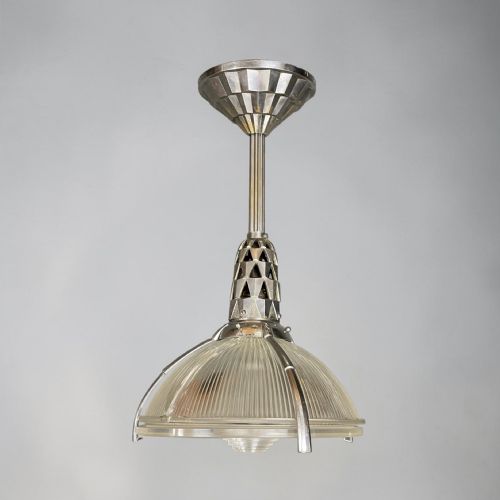
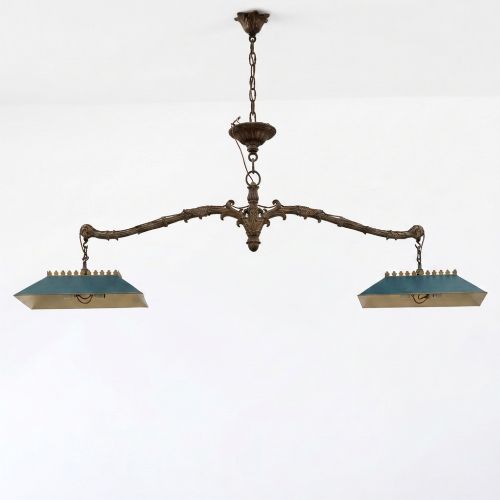
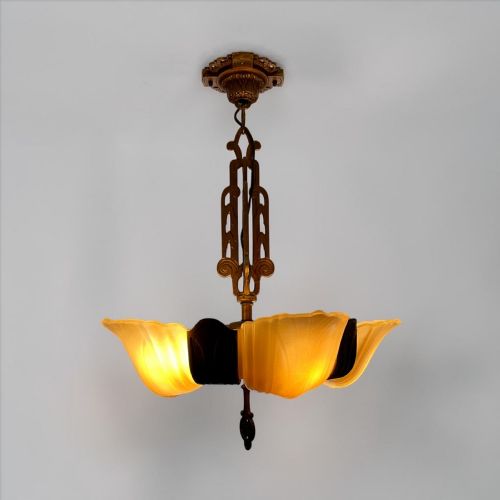
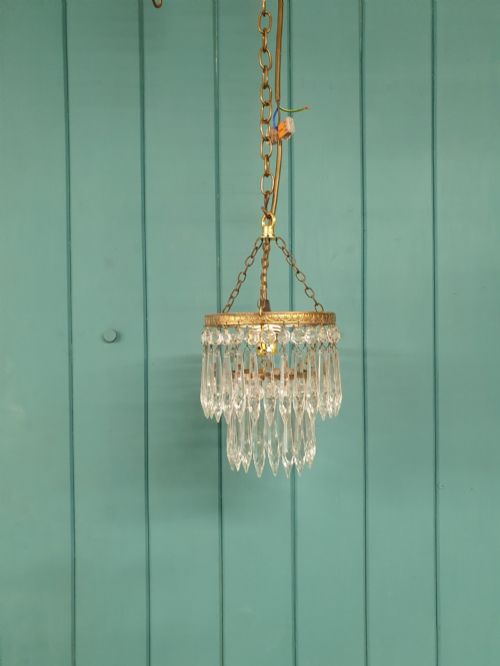
When searching for an antique ceiling light shade, buyers encounter everything from modest domestic glass globes to grand chandeliers and lanterns spanning the nineteenth and twentieth centuries. These fixtures illuminate rooms with character derived from specific historical eras, including the Edwardian period, Art Deco, and the Industrial style.
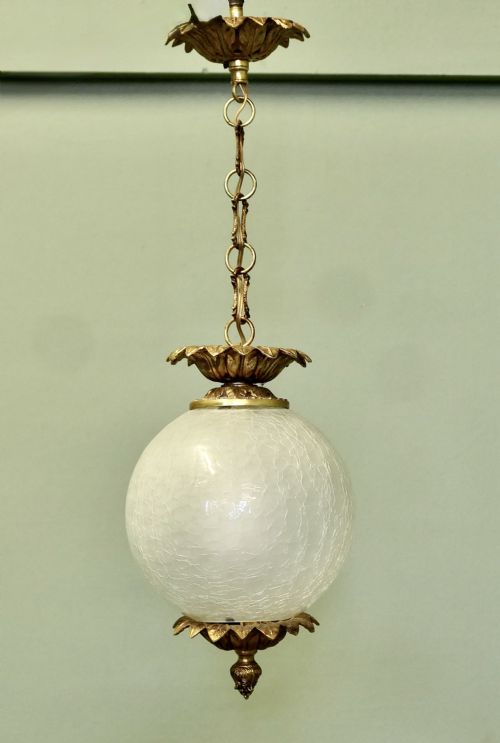
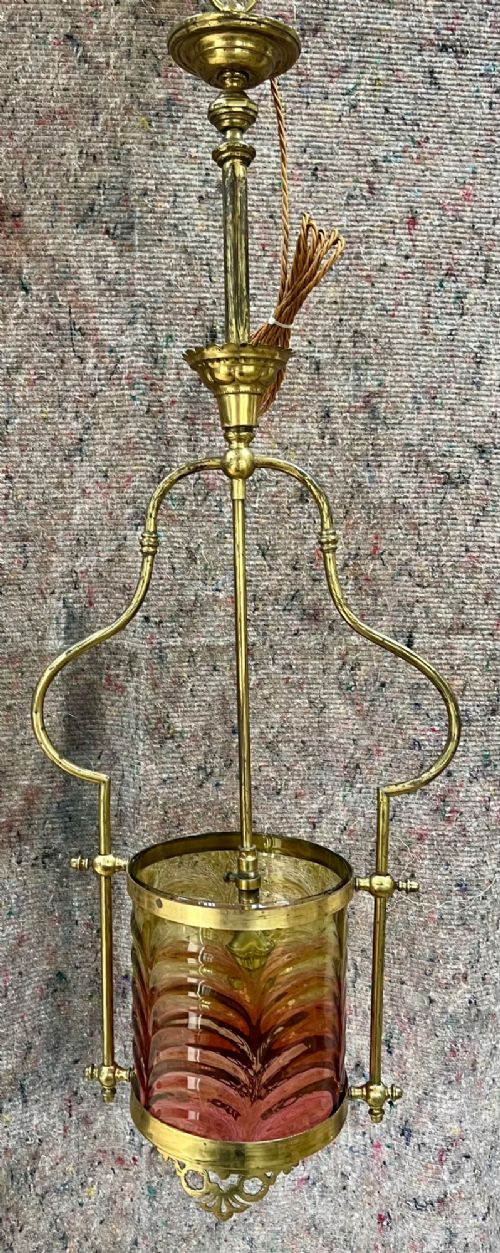
The most common versions met on this page include glass pendant lights, brass fittings paired with opaline or cut glass shades, and robust copper or metal lanterns. Dating ranges across the Victorian epoch, the early twentieth century, and the 1930s, reflecting shifts in interior illumination and domestic design.
Makers and origins span English workshops, French ateliers, and American designs, utilising materials that diffused gas or early electric light. Whether seeking a simple frosted shade or a multi-armed brass gasolier, the selection provides functional illumination anchored in historical craftsmanship.
Materials and construction methods
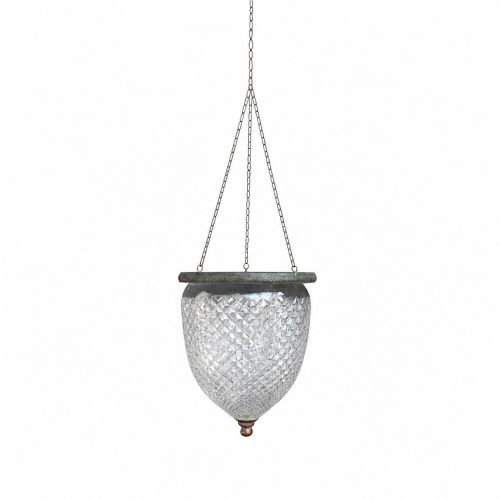
Glass production forms the backbone of these fixtures, utilising techniques such as moulding, acid-etching, and hand-painting to create frosted, opaline, crackle, moonstone, and cut crystal surfaces. Metal components rely primarily on cast or spun brass, copper, and giltwood, providing sturdy structural skeletons for hanging pendants and chandeliers.
Assembly methods combine metalwork with specialised glass fabrication, such as leaded stained glass panels soldered together for lanterns or slip shades fitted securely into brass frames. The integration of brass fittings with glass shades or prismatic optics required precision engineering to balance weight and ensure safe suspension from ceilings.
Pendant lights, multi-arm chandeliers, and flush-mounted plafonniers represent the primary ceiling lighting forms found in the collection.
Distinctions in quality and execution
Quality reveals itself in the weight and clarity of the glass, where deep hand-cutting, unblemished crystal, and carefully controlled opalescence elevate a piece far above standard pressed glass. The refinement of the metalwork also dictates value, distinguishing finely cast brass leaf designs or gilt bronze mounts from simpler utilitarian pressings.
Proportion and design integrity set superior examples apart, particularly in matched sets of industrial lights or signed creations by notable designers. The harmony between the original shade and its mounting hardware demonstrates the maker's original intention and overall execution.
Émile-Jacques Ruhlmann·Jefferson
The Antique Ceiling Light Shade Glossary
- Gasolier
- A multi-branched ceiling fixture originally designed for gas lighting before being converted for electricity. They often display elaborate brass or bronze framing.
- Opaline glass
- An opaque or semi-translucent glass, often white, designed to diffuse light softly without harsh glare. It gained immense popularity during the nineteenth and early twentieth centuries.
- Prism chandelier
- A hanging light decorated with cut glass or crystal prisms that refract light into spectral colours. These pieces were designed to maximise illumination in formal rooms.
- Slip shade
- A glass shade that slides or slips directly into a supporting metal frame, characteristic of American Art Deco design. They provide a streamlined, geometric aesthetic.
Antique Ceiling Light Shade: Frequently Asked Questions
How do I hang a heavy antique glass shade?
Heavy glass shades and chandeliers require secure anchoring into ceiling joists using a rated metal hook or bracket. Professional installation ensures the wiring and structural weight support are safely managed.
Because antique fixtures often use older wiring standards, a qualified electrician should inspect the fitting to ensure it meets modern safety regulations before hanging.
Were these lights originally wired for electricity?
Many nineteenth-century and early twentieth-century fixtures started as gasoliers or oil lamps before being converted to accept electric bulbs. This historical transition means metal components often retain clever adaptations for modern wiring.
Finding original fittings alongside converted burners is common, preserving the dual history of the piece as lighting technology evolved.
How do I clean delicate antique glass shades?
Delicate glass shades benefit from gentle hand washing in warm soapy water using a mild detergent and a soft cloth. AVOID abrasive pads that can scratch fragile frosted or hand-painted surfaces.
Metal components should be dusted carefully to preserve any patination, keeping moisture away from antique brass or copper finishes.
Can I mix different styles in one room?
Mixing lighting styles, such as pairing an industrial pendant with an Edwardian glass shade, adds layered character to a modern interior. The key is finding a common material, such as brass or aged metal, to tie disparate pieces together.
Scale and hanging height also help unify contrasting fixtures within the same living space.