

Vintage Glass Light Fitting
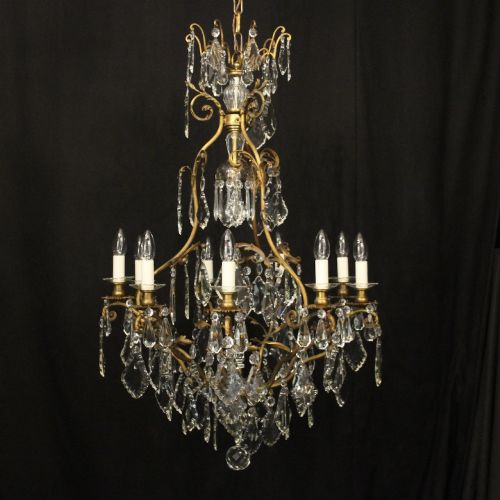
A vintage glass light fitting brings period illumination into a room, combining moulded or cut elements with metal frames for domestic interiors.
Vintage Glass Light Fitting
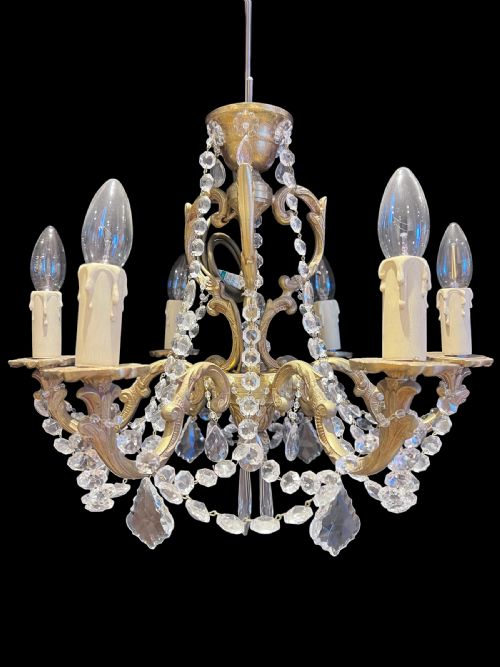
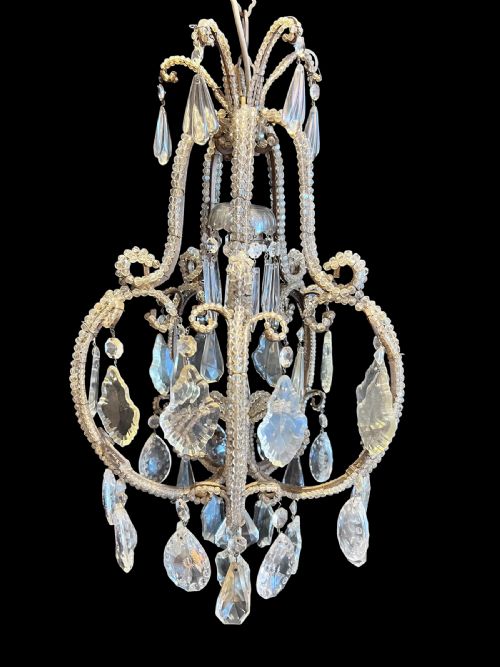
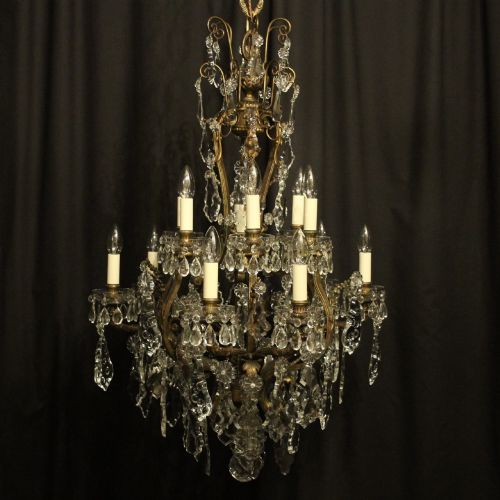
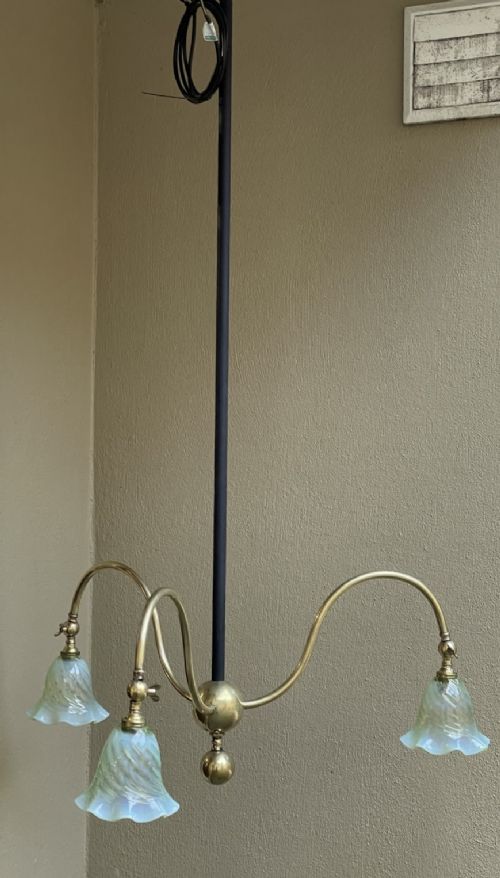
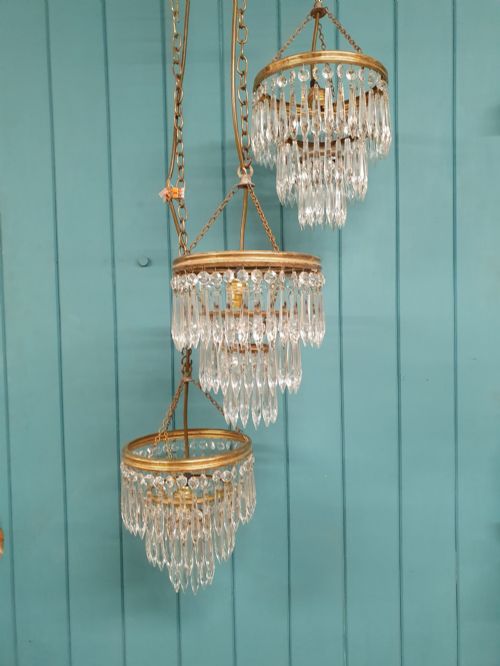
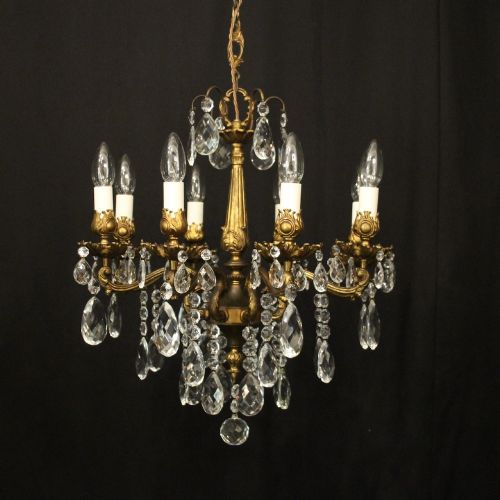
When buyers search for a vintage glass light fitting, they encounter a range of ceiling fixtures, chandeliers, pendant lights, and wall lights dating from the nineteenth century through the mid twentieth century. These objects illuminate spaces through suspended glass drops, domes, prisms, and shades supported by metal frameworks.
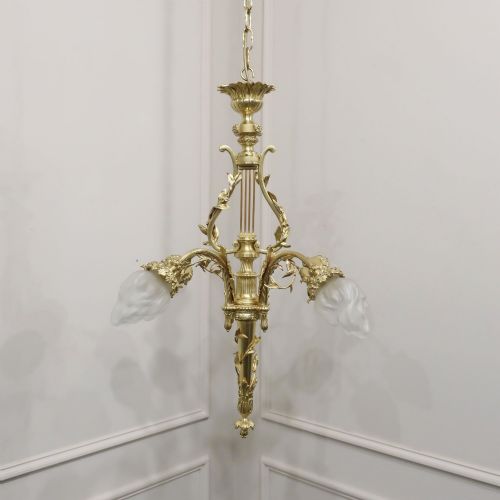
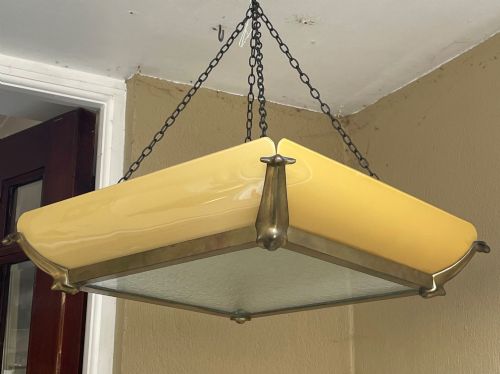
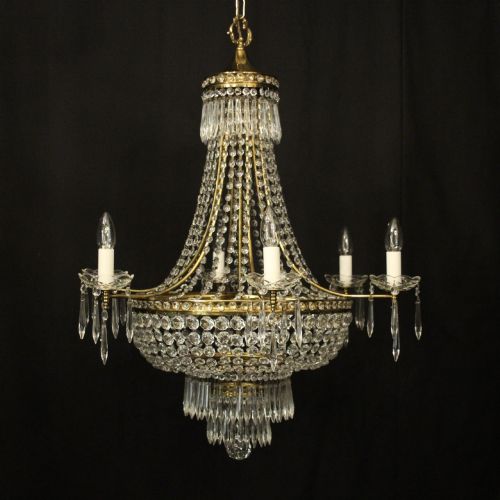
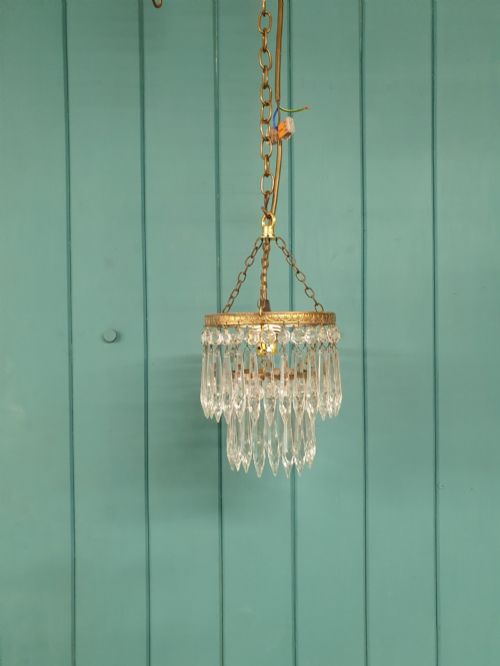
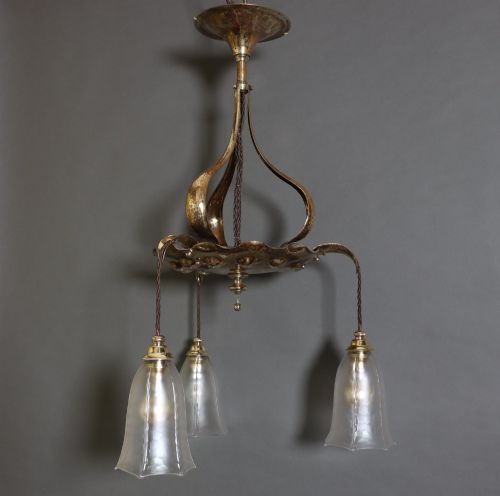
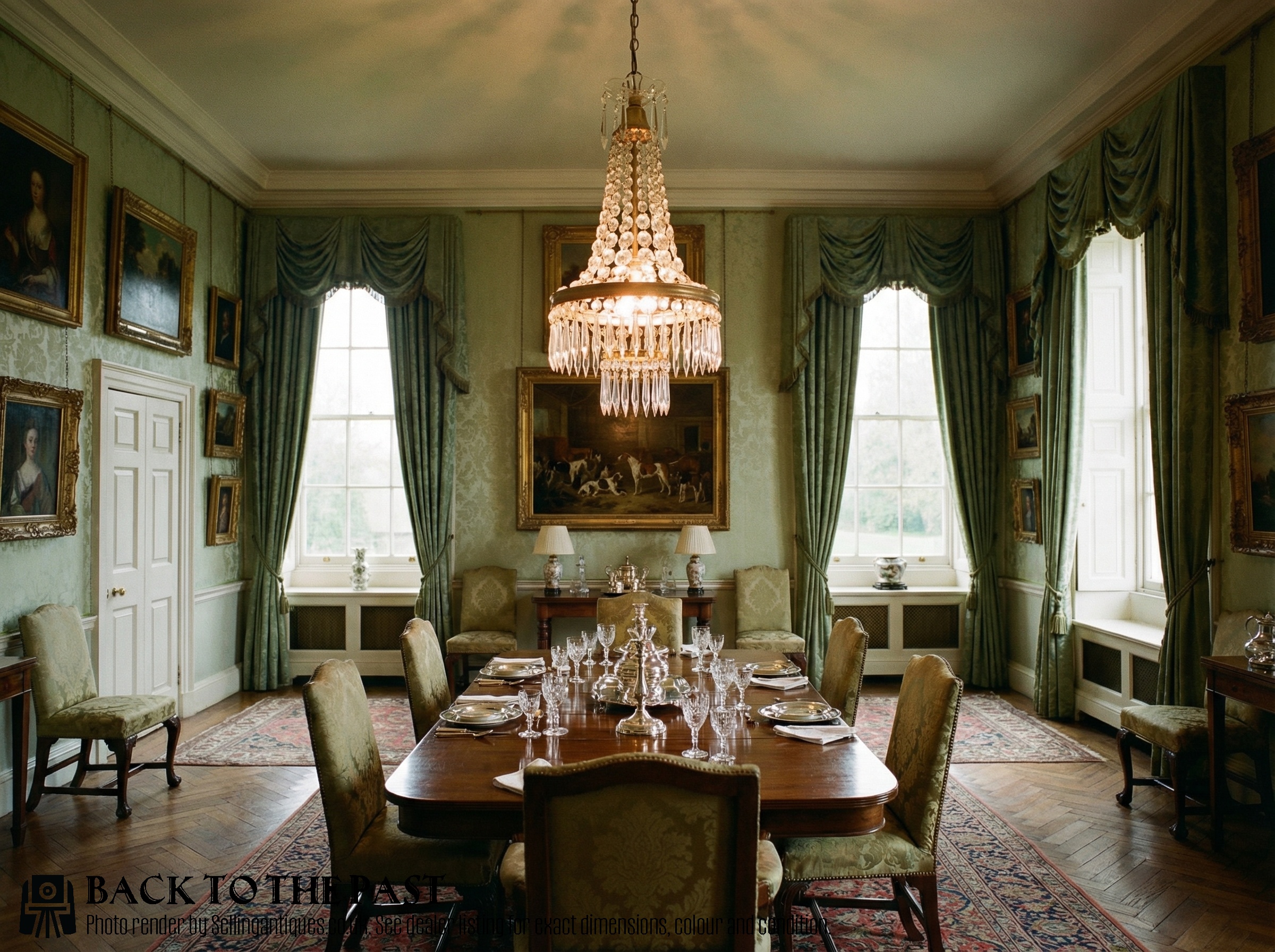
The most common examples on this page are multi-light chandeliers and single pendant lights originating from the 1920s and 1930s, alongside Edwardian designs. French styles dominate the selection, including Empire tent and waterfall configurations, Rococo revival pieces, and industrial pendants.
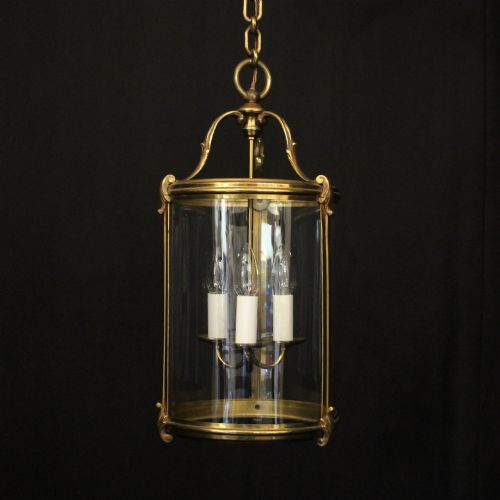
Pieces span various forms from simple glass ceiling domes to large ballroom chandeliers holding numerous lights. Smaller spike chandeliers, hall lanterns, and wall lights also appear frequently across the periods represented.
What varies in quality
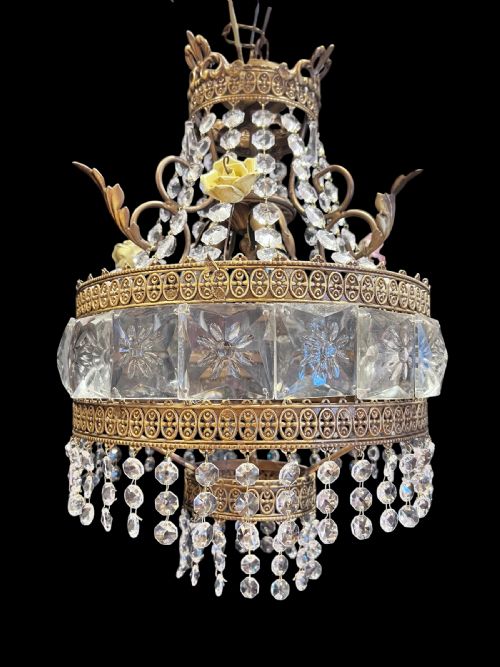
The sophistication of the glass cutting and the clarity of the crystal separate standard examples from finer productions. Intricacy in the metal casting, such as detailed gilt bronze mounts or porcelain flower additions, denotes higher craftsmanship.
Proportion and scale dictate the visual impact of a fixture, where balanced tent and waterfall arrangements or well-matched crystal prisms maintain harmony across the entire piece.
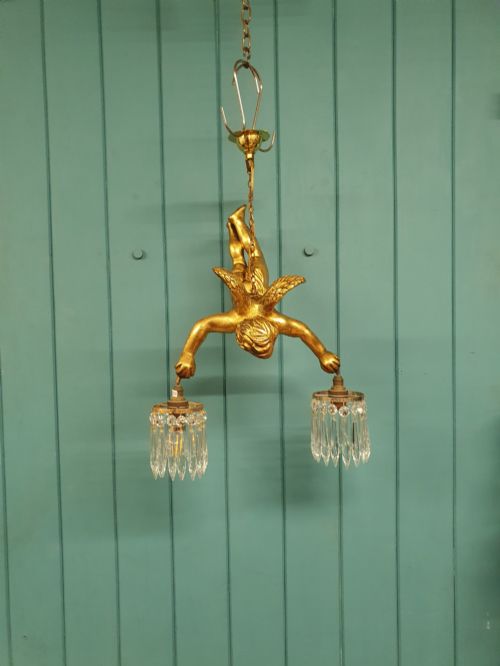
A flying cherub occasionally holds up the glass spikes above your head.
The Vintage Glass Light Fitting Glossary
- Tent and waterfall
- A chandelier style featuring an upper conical section of glass beads above a cascading arrangement of crystals. This configuration reflects light outward across the room.
- Plafonniere
- A ceiling-mounted bowl light fitting set close to the plaster. These fixtures provide direct downward illumination in hallways and smaller rooms.
- Coffin prism
- A flat, faceted glass drop shaped like a narrow wedge. These prisms refract ambient light through sharp geometric edges.
- Spelting
- A zinc alloy used as a substitute for bronze in decorative metal castings. It permits detailed ornamentation on figures and frames.
- Holophane
- A brand of prismatic glass designed to direct and diffuse light efficiently. These industrial shades feature distinct external ribs.
Vintage Glass Light Fitting: Frequently Asked Questions
How do I hang a heavy chandelier?
Suspension requires fixing directly into ceiling joists using a steel hook and adequate chain capacity to bear the weight of the metal and glass.
Professional electrical installation ensures the internal wiring safely handles the total wattage of multiple lamp holders.
How do I clean antique glass?
Remove delicate crystals individually and wash them in warm soapy water using a soft cloth. Dry each piece thoroughly before reattaching it to the metal frame.
Avoid harsh chemical sprays that can degrade gilt finishes on brass and bronze components.
What periods do these fittings cover?
The selection spans from the late nineteenth century through Edwardian designs up to the Art Deco period of the 1930s and 1940s.
Earlier pieces often reflect French Empire or Rococo styles, while later decades favour industrial forms and streamlined glass shades.
Can I replace missing glass drops?
Matched replacement crystals can be sourced by matching the cut, size, and fastening type of the original prisms.
Even small variations in glass tint or facet count become noticeable within a large tent and waterfall chandelier.