
Vintage Hanging Cabinet
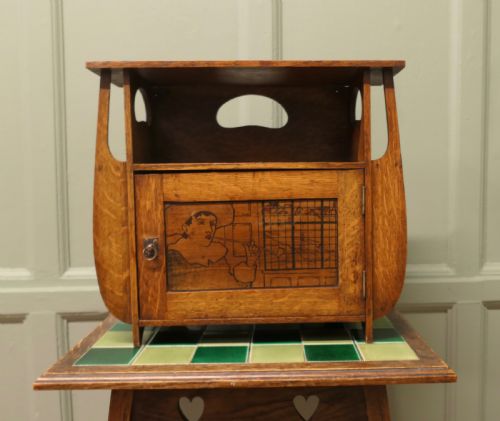
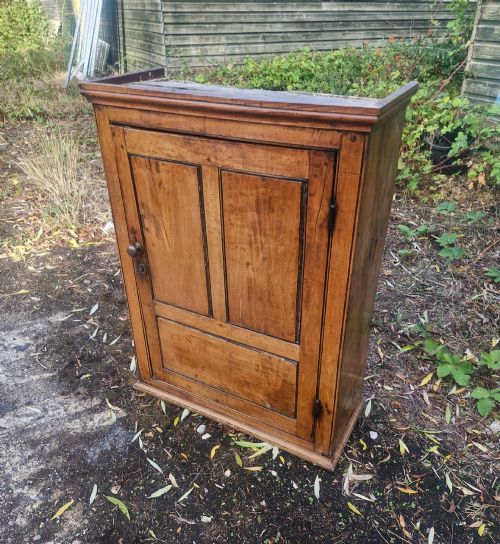
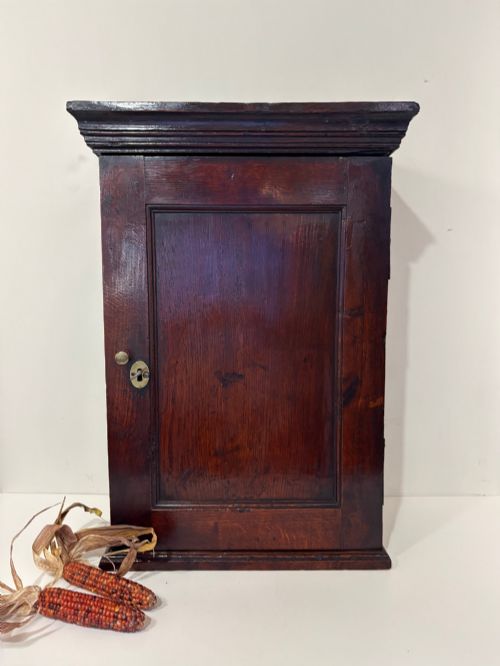
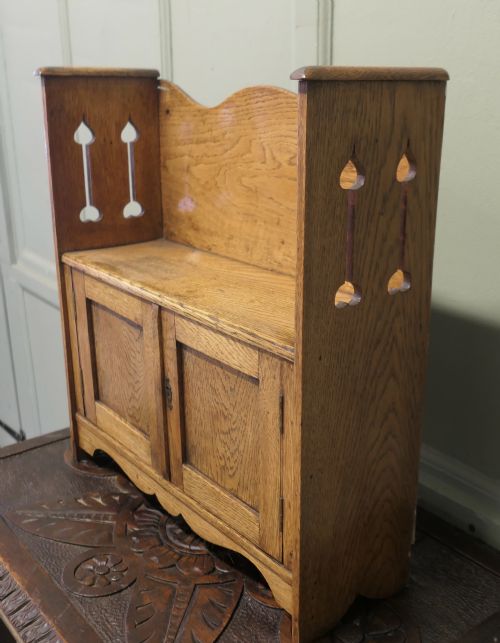
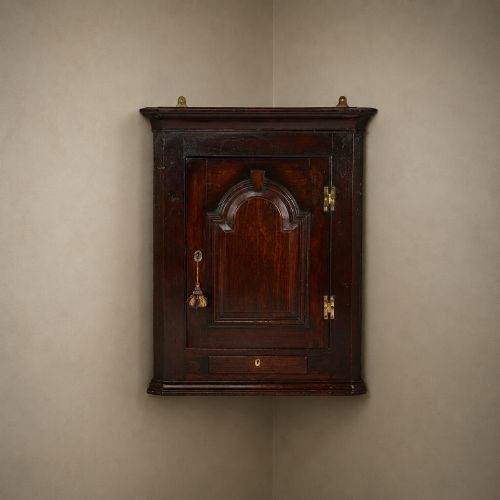
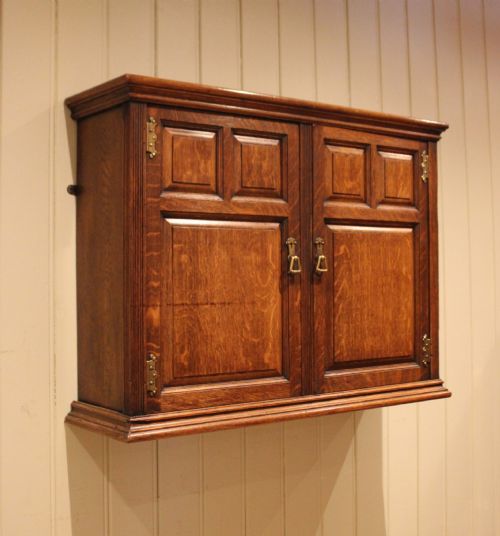
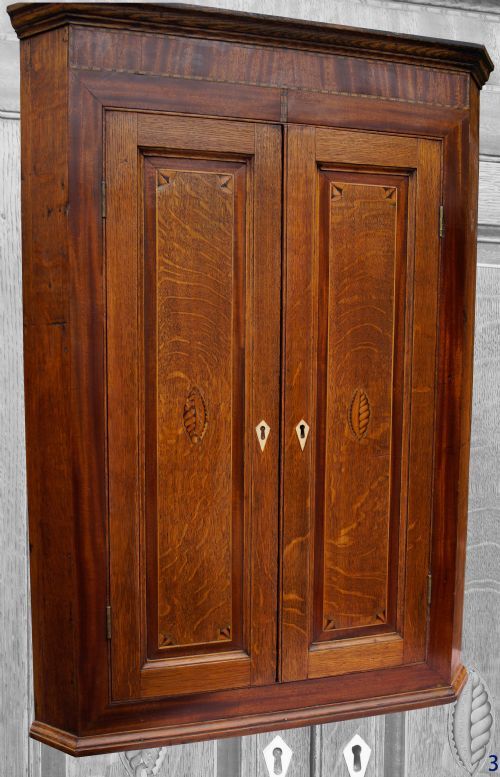
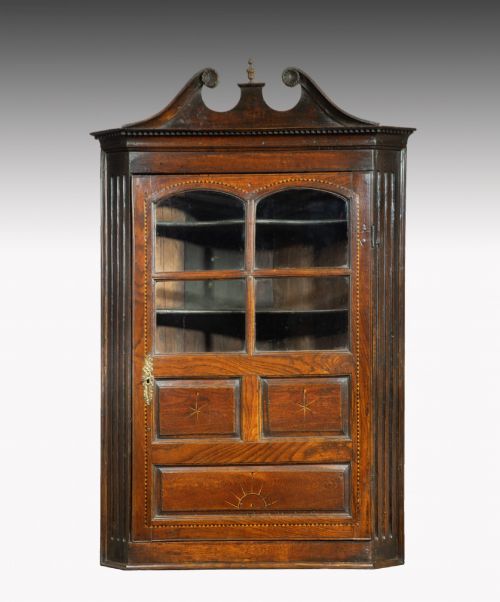
These vintage hanging cabinet examples are wall-mounted storage pieces built from timber, combining practical utility with period character.
Vintage Hanging Cabinet
A vintage hanging cabinet provides compact wall storage, frequently taking the form of a corner cupboard or flat wall-mounted box to save floor space in domestic interiors. The pieces on this page span several centuries, with particular strength in Georgian and Victorian examples alongside continental painted work.
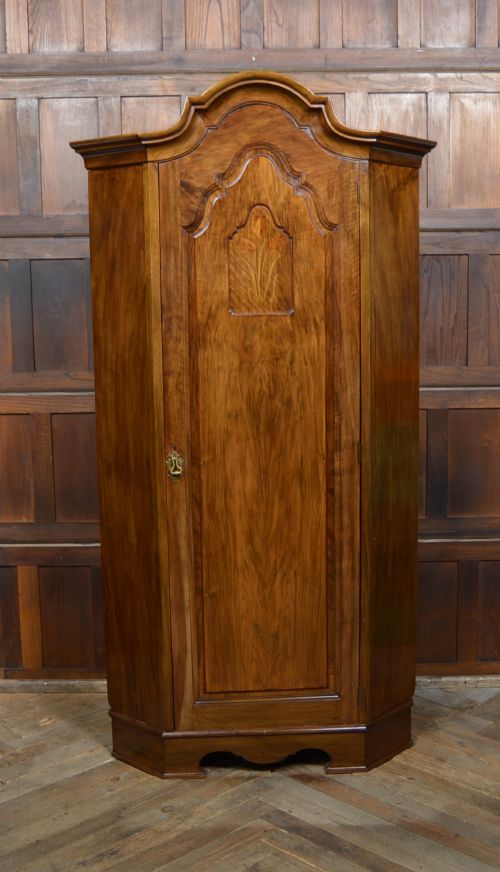
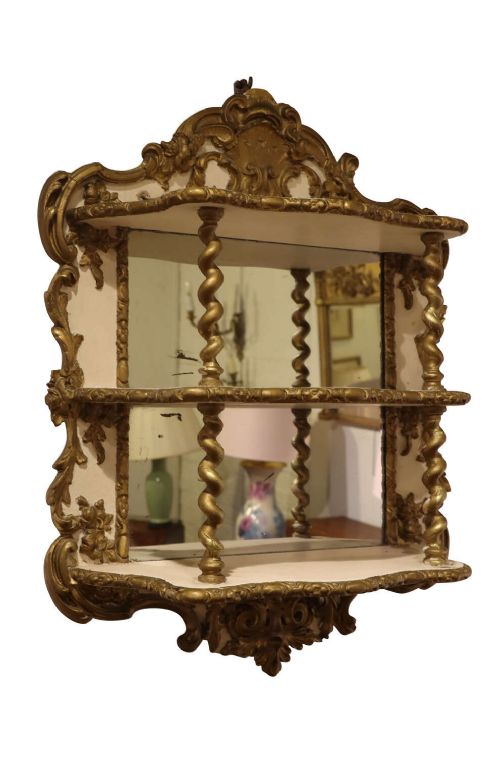
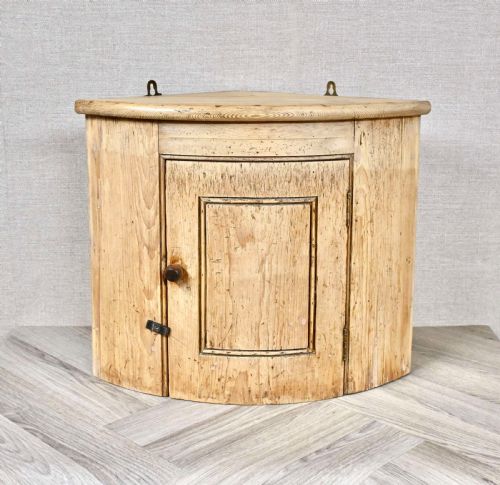
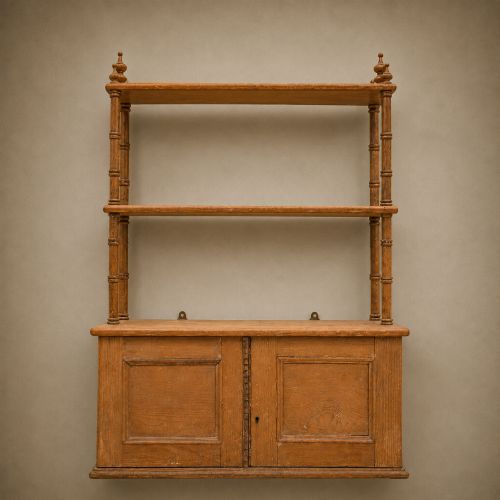
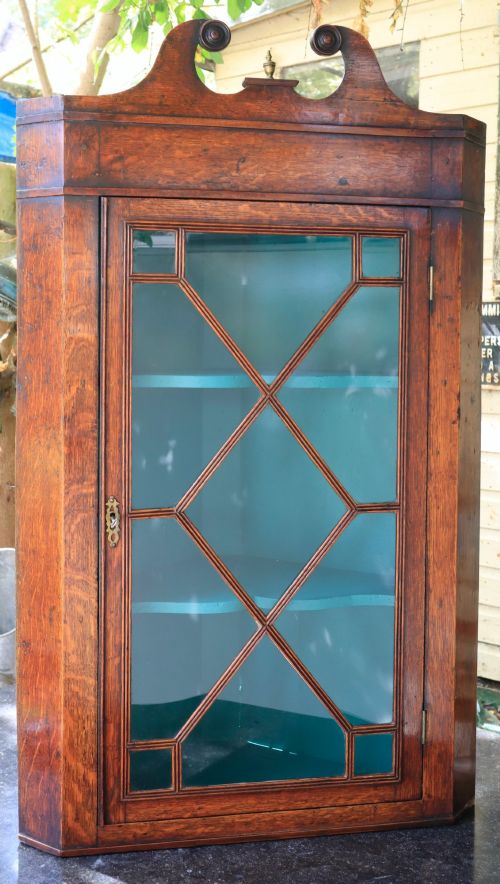
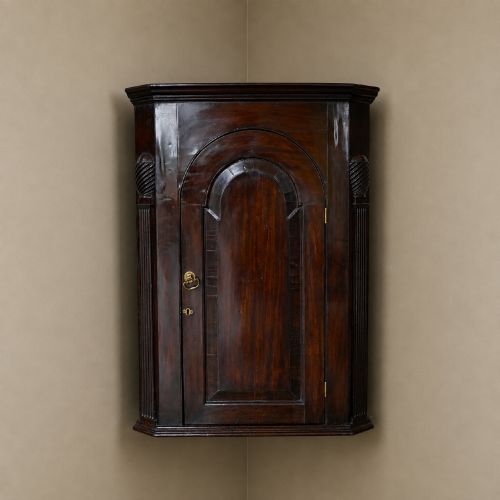
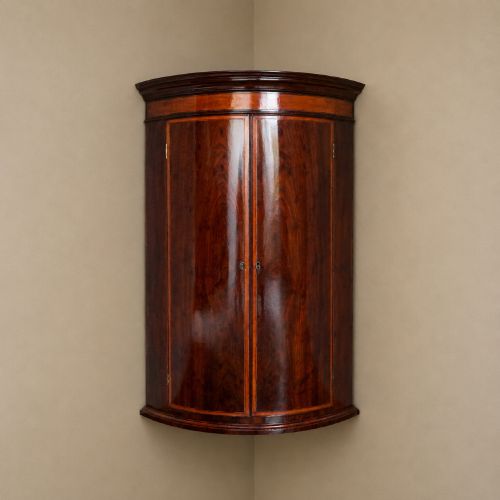
Buyers encounter numerous corner units designed to fit neatly into domestic angles, utilising otherwise empty room space. Alongside these, flat-fronted wall cabinets, glazed display vitrines and open shelving units appear frequently across the inventory.
How they were made
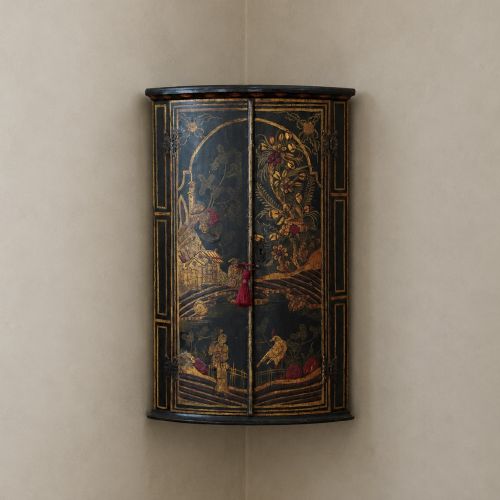
Cabinetmakers relied heavily on timbers such as oak, mahogany, pine and walnut, joining boards with traditional joinery methods suited to hanging weights. Many surfaces display exposed grain, while others carry historical paint finishes, japanned Chinoiserie decoration or gilt highlights.
Hardware played a functional and decorative role, incorporating brass hinges, escutcheons and key plates alongside functional iron latches. Glazed doors utilise small glass panes held in timber framing, allowing contents to remain visible while protected from dust.
One industrious maker thoughtfully provided dedicated slots inside for carving knives.
What varies in quality
Quality rests upon the selection of timber and the crispness of cabinet construction, where dense figure in mahogany or fine grain in oak lifts a piece above standard utilitarian work. The survival of original fittings, including brass hinges, working locks and keys, marks the higher tier of survival.
Proportion and decorative restraint dictate distinction, separating simple vernacular cupboards from refined Georgian or Arts and Crafts pieces with considered mouldings and panel work. Surface patination tells its own story, favouring pieces that retain their honest original finish over heavy modern intervention.
Arthur Simpson
The Vintage Hanging Cabinet Glossary
- Bow front
- A convex curved cabinet front that projects outward from the corners. This rounded profile softens the rigid angles of a room.
- Japanned
- European imitation of East Asian lacquerwork, typically executed in raised black and gold motifs. It creates a highly decorative orientalised surface.
- Étagère
- A set of open shelves for displaying small ornaments or books. These pieces hang directly upon the wall to conserve floor space.
- Vitrines
- Glass-fronted display cabinets designed to showcase porcelain and precious objects. The glazed doors keep dust away from delicate contents.
- Escutcheon
- A protective metal plate surrounding a keyhole. It prevents the timber from wearing around the lock.
Vintage Hanging Cabinet: Frequently Asked Questions
How do I hang a heavy timber cabinet?
Wall-mounted cabinets require secure fixing directly into masonry or through plasterboard into wooden wall studs using heavy-duty brackets.
Given the weight of hardwood timber and glass doors, proper structural support ensures the piece remains safely suspended without pulling away from the wall.
Where were corner cupboards typically placed?
These units found homes in dining rooms, parlours and kitchens to store glassware, ceramics, spices or household provisions out of the way.
Their triangular footprint allowed them to utilise dead corner space efficiently in smaller period rooms.
How do I care for antique wood surfaces?
Keep wooden cabinets away from direct sunlight and radiators to prevent the timber from drying out, warping or splitting over time.
Apply occasional natural beeswax polish to feed the grain and maintain a soft protective lustre without building up heavy chemical layers.
How can I tell a Georgian piece from a Victorian one?
Georgian examples often display formal architectural proportions, flame mahogany veneers and subtle classical mouldings rooted in eighteenth-century design.
Victorian cabinets tend to show heavier construction, darker finishes and revival styles that reflect the eclectic tastes of the nineteenth century.