

Vintage Hallway Lantern
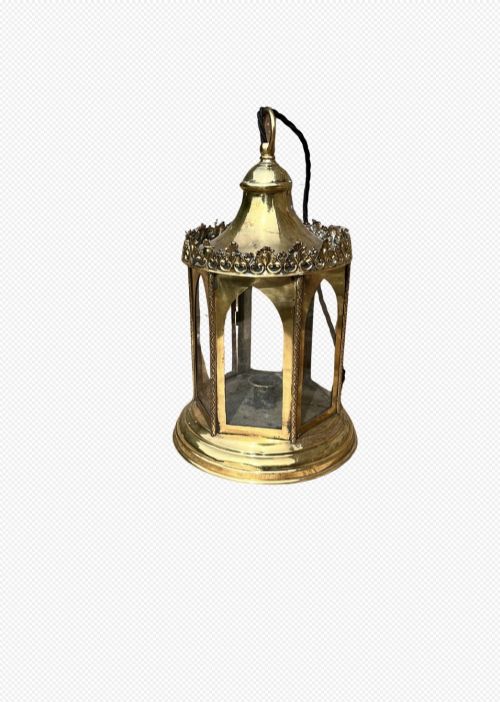
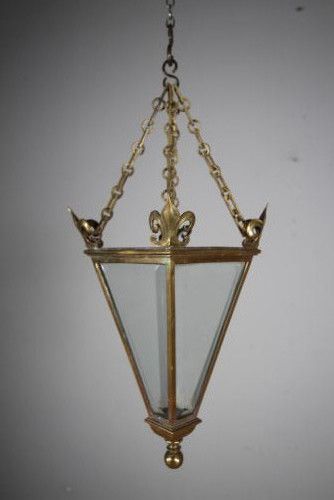
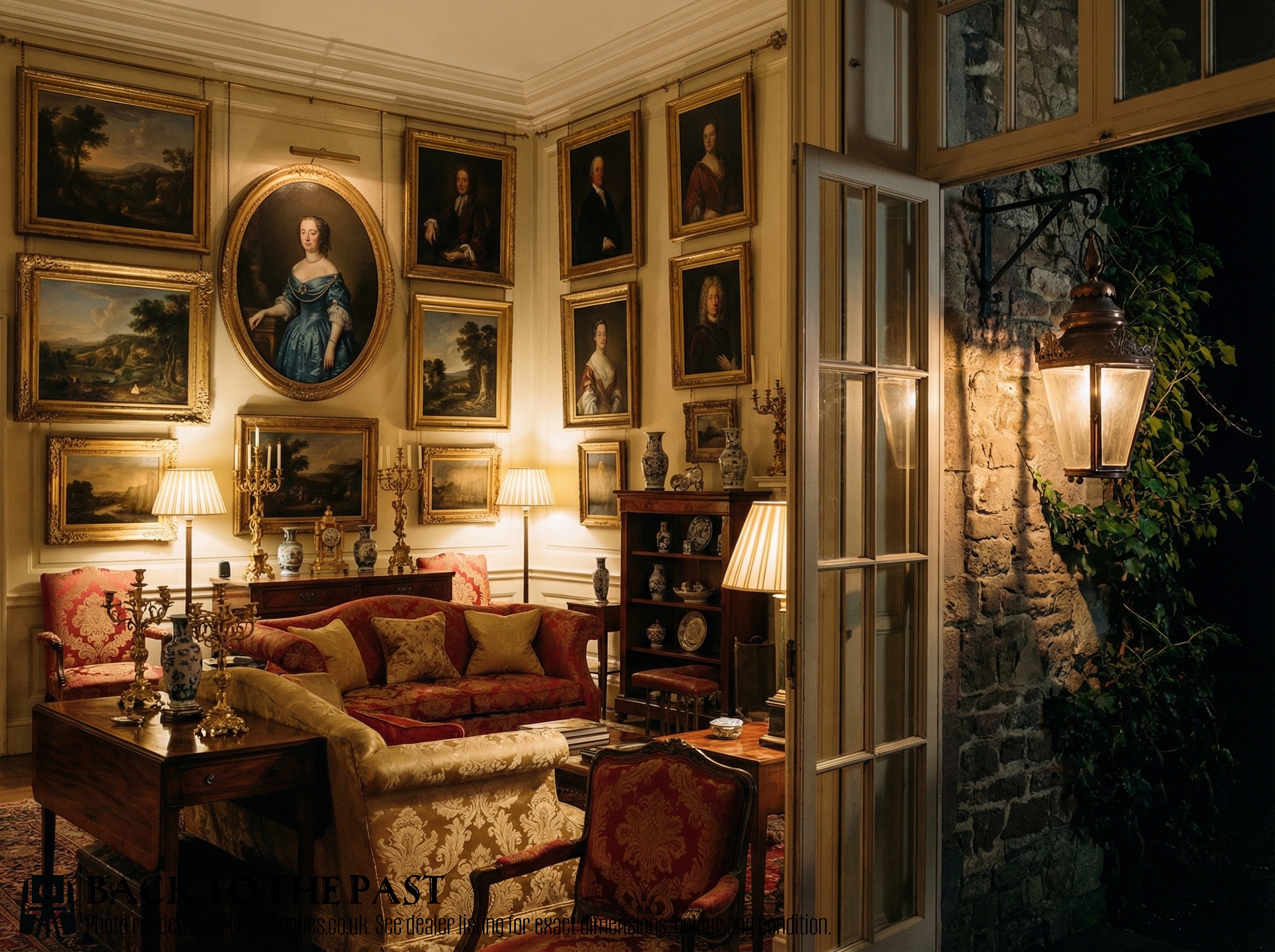
A vintage hallway lantern brings weight and architectural presence to an entrance, casting warm light through glass and metal.
Vintage Hallway Lantern
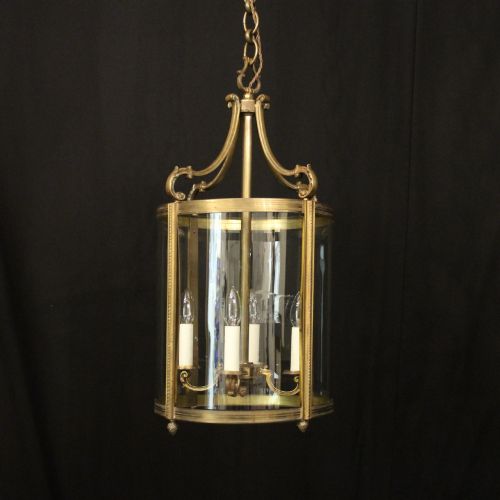
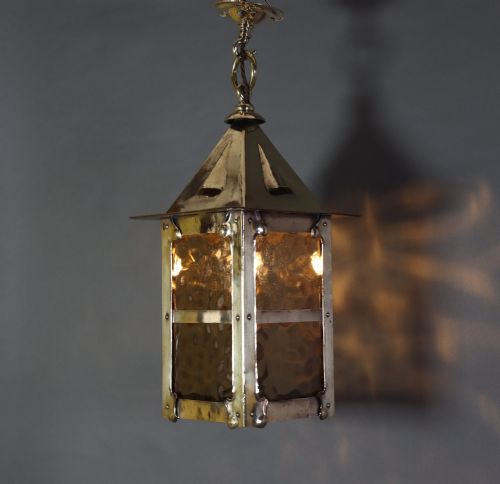
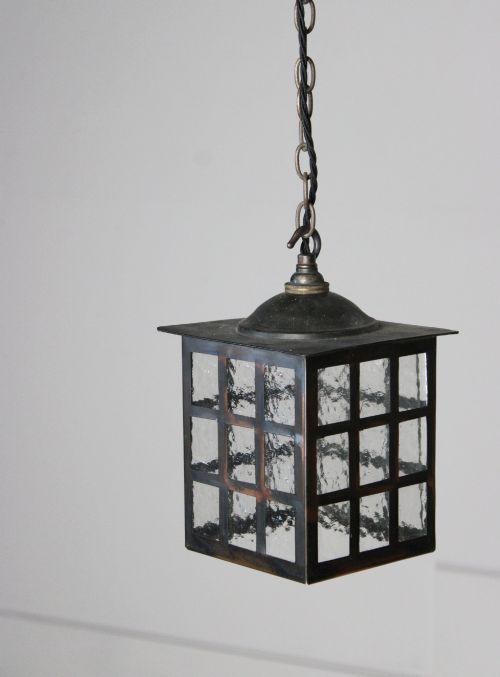
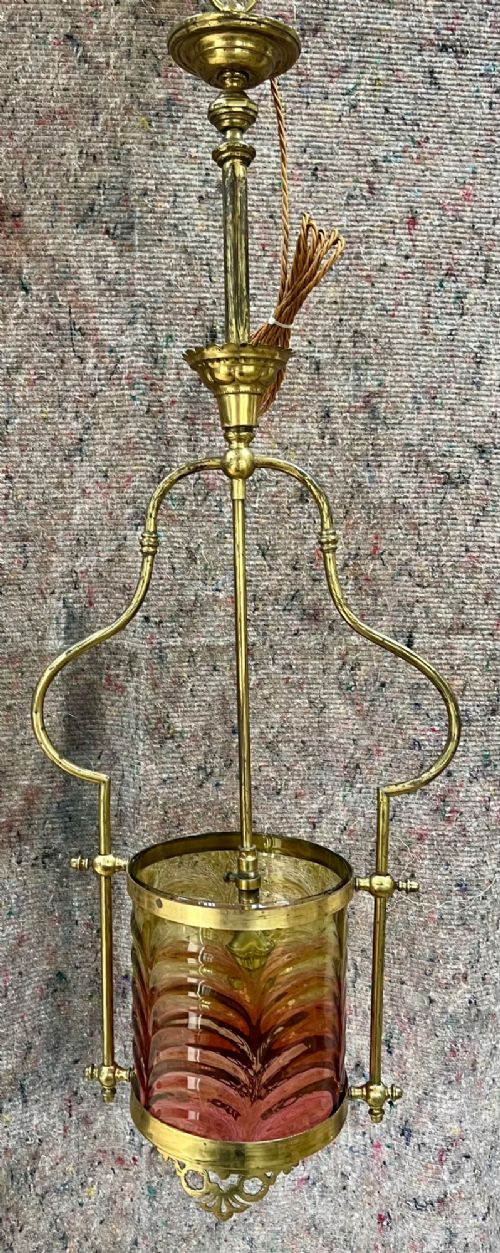
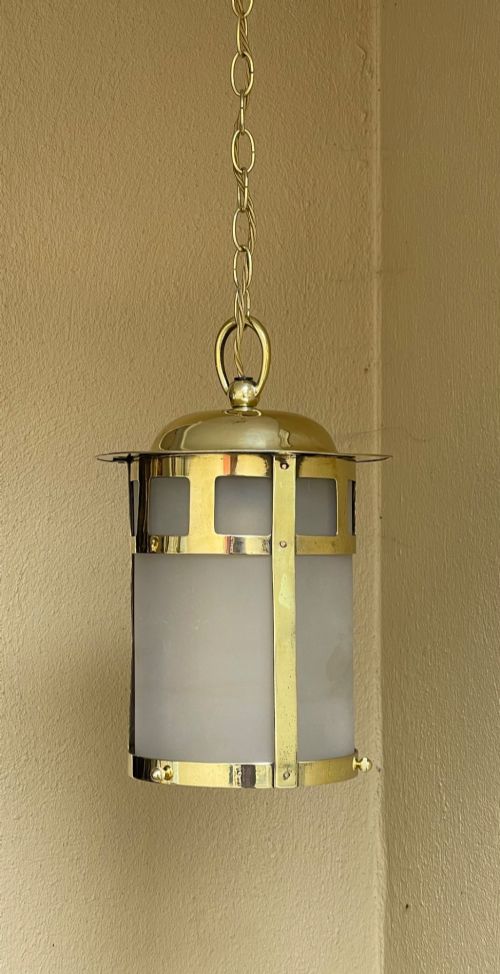
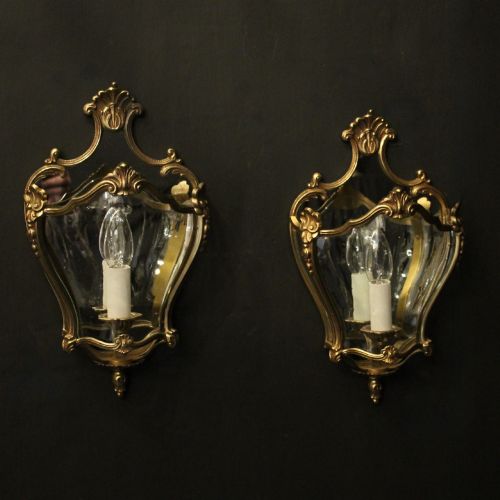
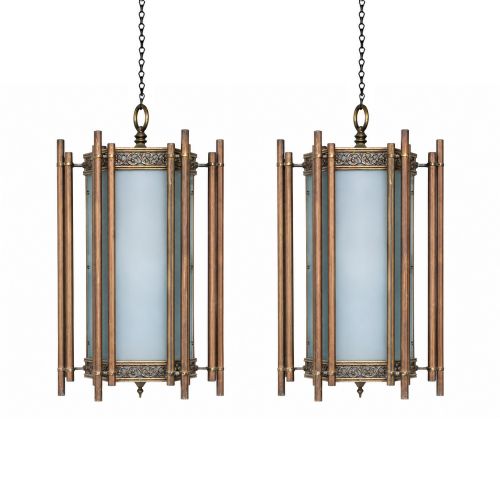
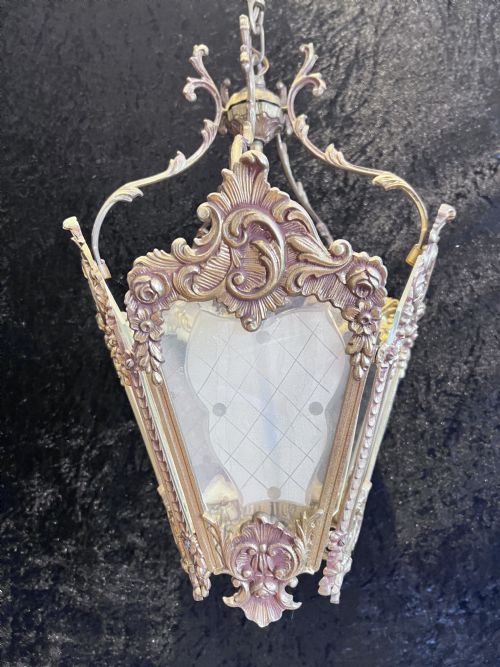
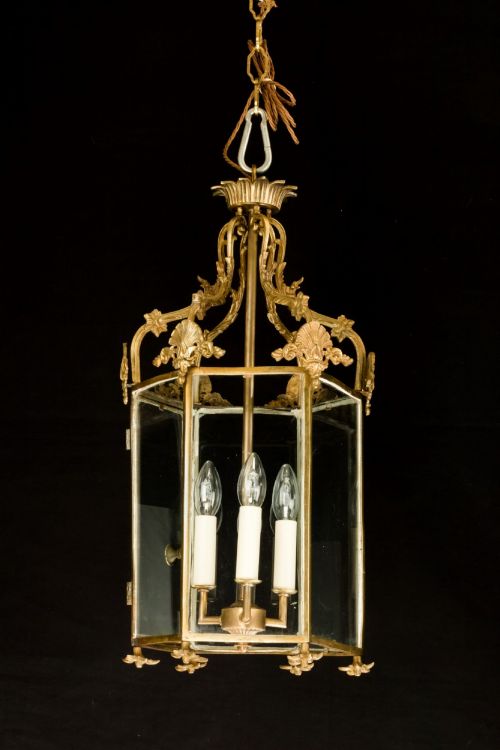
A vintage hallway lantern provides character and illumination to an entryway, drawing on designs from the nineteenth and early twentieth centuries. These fixtures combine metal frames with glass panels to direct light downward and outward into entrance spaces. Examples on this page span the Victorian, Edwardian, and Art Deco periods, alongside French styles.
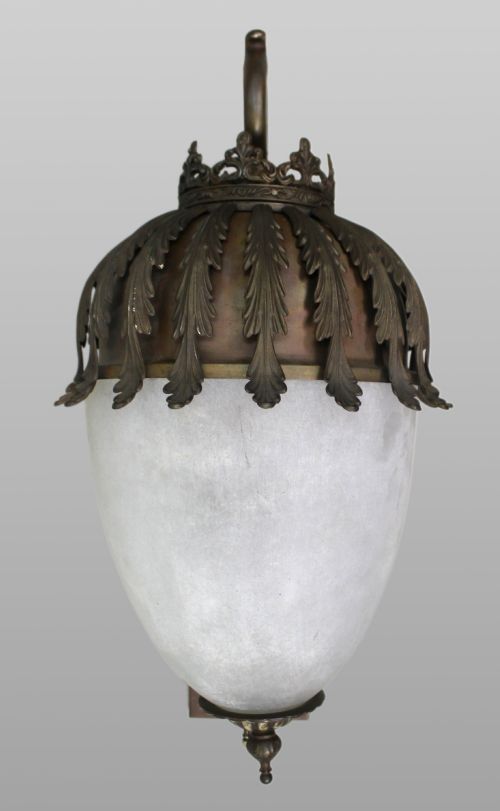
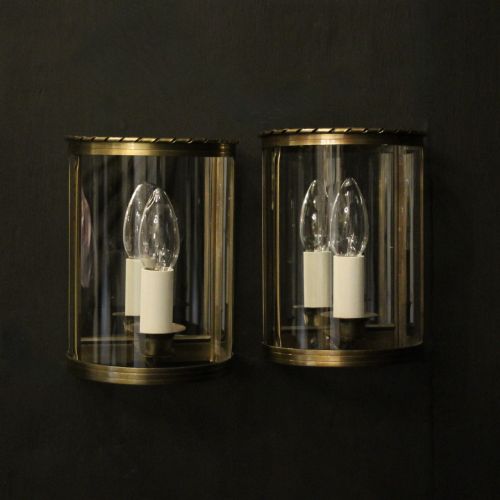
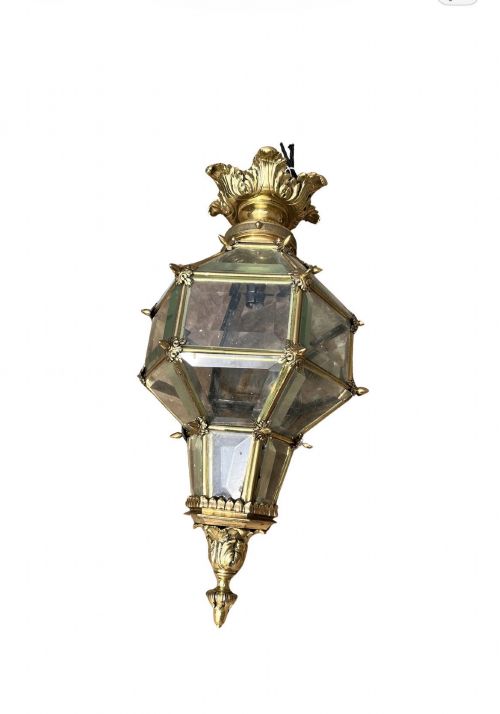
Forms vary from single pendant lights and hanging lanterns to half lanterns and wall sconces designed for mounting close to a wall. Materials range from polished brass and copper to wrought iron, bronze, and gilt bronze. Buyers encounter simpler domestic hall lanterns alongside grander architectural pieces originating from hotels or French chateaux.
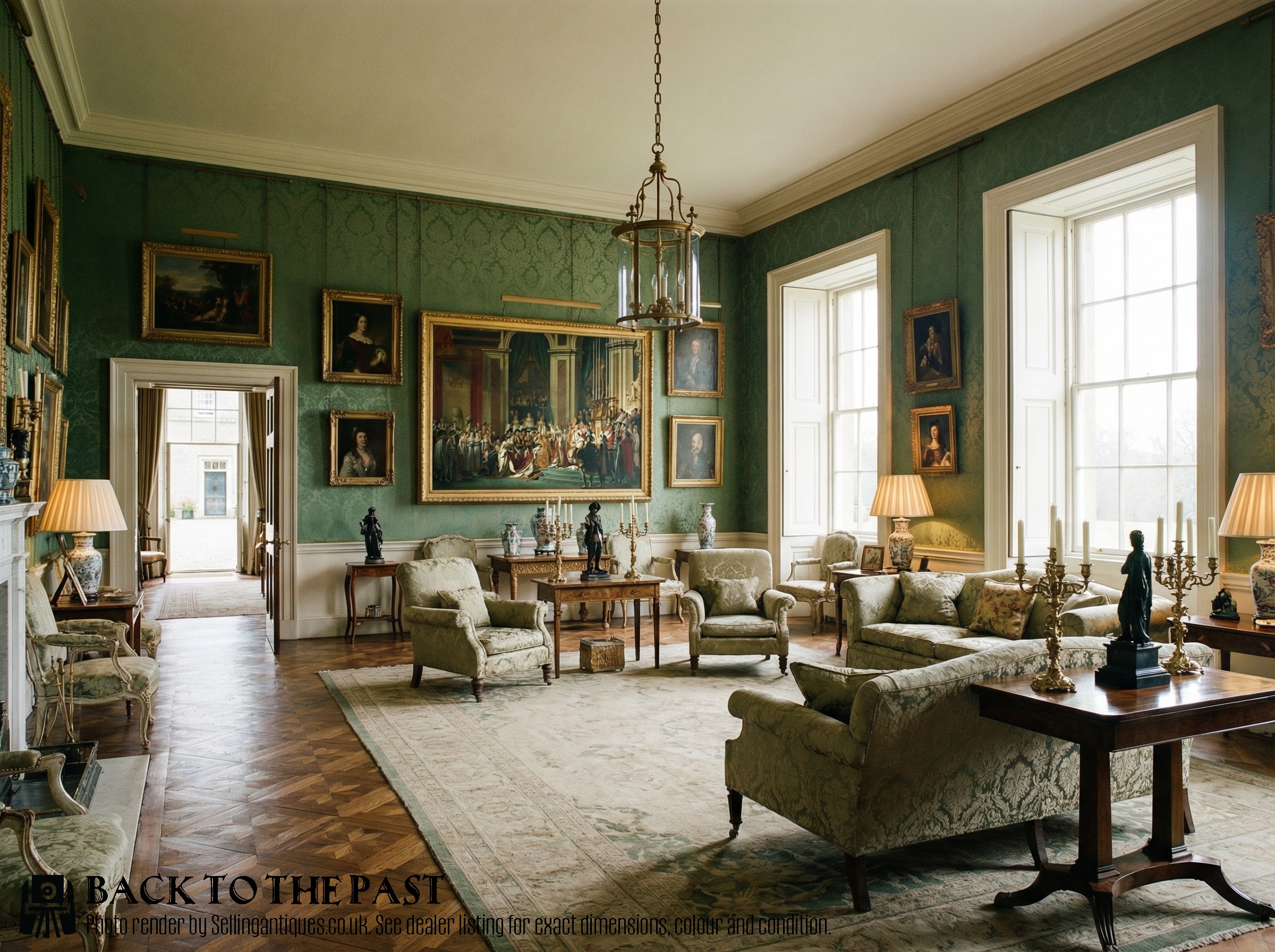
Materials and construction
Makers utilised durable base metals like brass, copper, bronze, and wrought iron to form the structural framework of each lantern. These metals were cast, beaten, or soldered to create rigid housings capable of supporting glass panels and suspension hardware. Gilt bronze finishes add an opulent layer to French designs, while wrought iron provides a heavier, forged aesthetic.
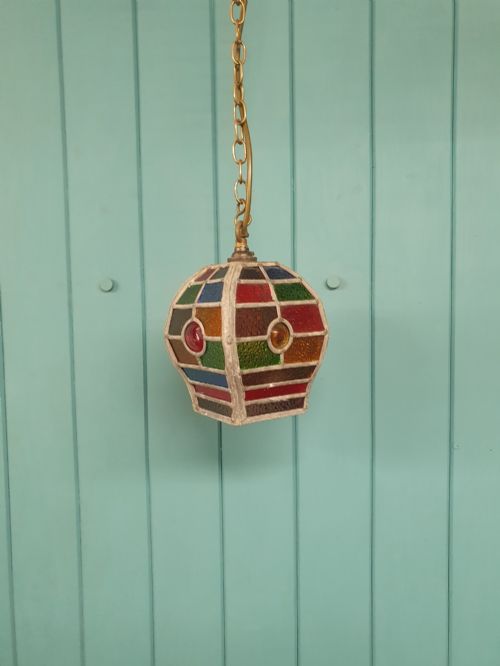
Glass panels are integral, utilising clear, frosted, moulded, leaded, or stained variants to diffuse the internal light source. Many original pieces were built for candles or gas before being converted for electricity during subsequent decades. Construction methods emphasise secure glazing channels and robust hanging loops to bear the weight of the metal and glass assembly.
Vintage Hallway Lantern Retail Price Guide 2026
Typical asking prices for vintage hallway lantern among the pieces listed under this phrase on Sellingantiques today, from the lower quarter to the upper quarter. They describe what is for sale here now, not the wider market.
Listings feature brass as the most common metal, alongside copper, bronze, wrought iron, and gilt bronze across multiple periods.
Distinctions in quality
Quality rests upon the weight of the cast metal, the crispness of decorative chasing, and the thickness of the glass panels. Superior pieces display substantial bronze or brass frames with finely detailed ornamentation rather than thin, stamped sheet metal. The integration of hand-moulded or bevelled glass further separates standard utility lighting from finer artistic commissions.
Provenance and origin elevate certain pieces, particularly signed works or those sourced from notable hotels and institutional buildings. Craftsmanship evident in specialised schools like Arts and Crafts or Art Nouveau yields distinct artistic integrity. The harmony between the original period wiring provisions and the structural integrity of the frame dictates the overall standard.

F&C Osler
The Vintage Hallway Lantern Glossary
- Half lantern
- A light fixture split flat on one side for mounting directly against a wall rather than hanging centrally from a ceiling. This format suits narrow corridors where hanging clearance is limited.
- Gilt bronze
- Bronze metal treated with a fine layer of gold to produce a rich, luminous metallic surface. This technique appears frequently on decorative French lighting fixtures.
- Leaded glass
- Individual pieces of glass joined together by strips of lead to form patterned window panels. It appears in decorative porch and hallway fixtures.
- Toleware
- Painted or lacquered metalware, typically tin or steel, finished with decorative pigments. It provides a coloured alternative to raw brass or copper.
- Pendant light
- A hanging light fixture suspended from the ceiling by a chain, cord, or metal rod. These fixtures form the central illumination source for high-ceilinged entrance halls.
Vintage Hallway Lantern: Frequently Asked Questions
How do I hang a heavy brass lantern?
Heavy brass and bronze lanterns require secure anchoring into ceiling joists or structural lintels using appropriate steel fixings. A licensed electrician should evaluate the weight distribution and ensure the electrical box supports the load safely.
Professional installation prevents structural failure and guarantees that the hanging chain or rod aligns correctly with the height of the hallway.
Are these lanterns wired for modern electricity?
Many vintage fixtures have been rewired for contemporary electrical standards, though some retain older wiring that requires updating. Buyers should inspect the internal lamp holders and cables to confirm they meet current safety regulations.
Rewiring a period lantern is straightforward for an electrician and allows the integration of modern dimmers and LED bulbs while preserving the antique housing.
How do I clean antique glass and brass?
Glass panels can be removed carefully from their frames and washed with warm soapy water before being dried thoroughly. Brass and copper surfaces benefit from gentle dusting and occasional cleaning with non-abrasive metal care products to maintain their natural patina.
Avoid harsh chemical dips that strip away the aged surface character accumulated over decades of use in hallways and porches.
What is the difference between an Edwardian and Art Deco lantern?
Edwardian lanterns often draw on classical or floral motifs, utilising polished brass and flowing lines typical of the early twentieth century. Art Deco lighting introduces geometric shapes, streamlined profiles, and combinations of brass and copper reflecting modern industrial progress.
Examining the decorative details on the metal frame reveals which design movement influenced the maker during construction.