




Vintage Grey Dresser
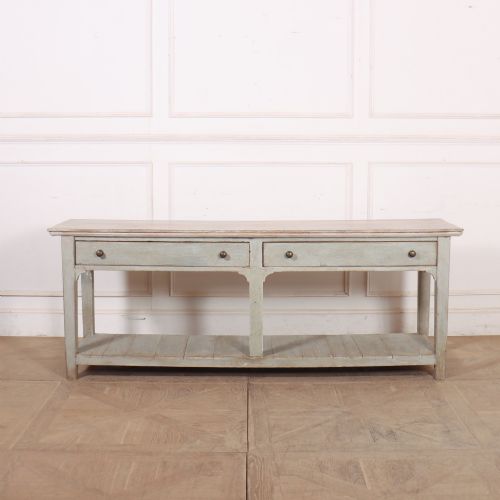
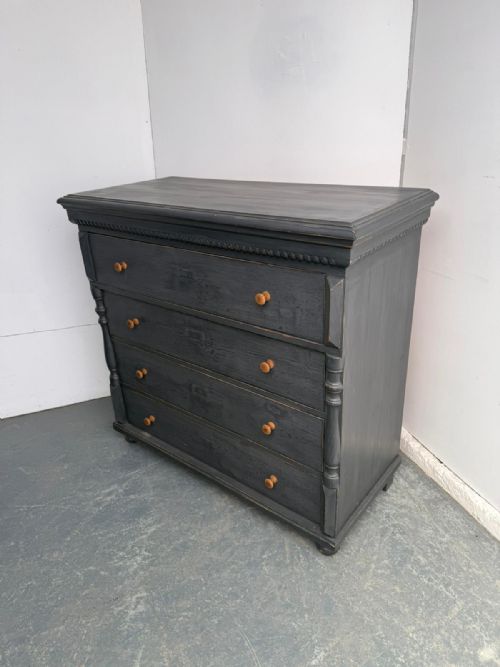
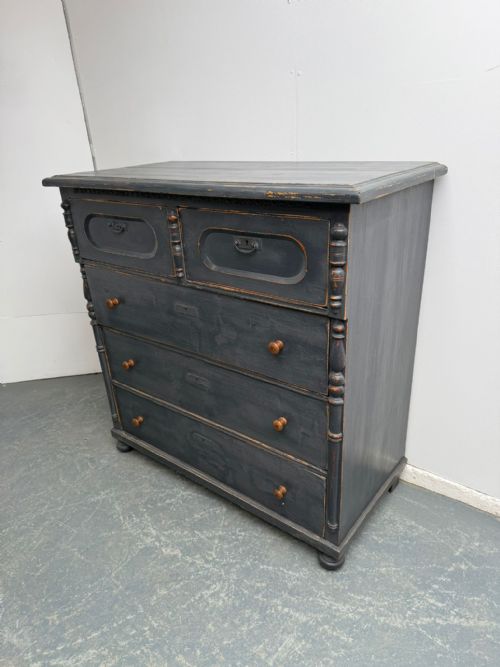
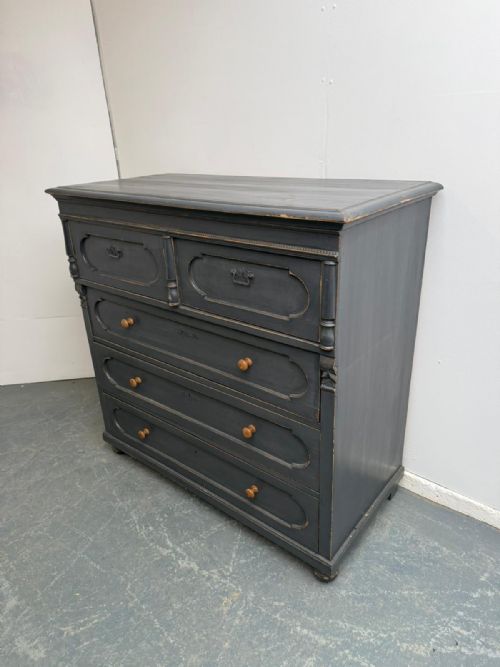
A vintage grey dresser brings painted character and practical storage to a room, ranging from English potboard bases to French commodes.
Vintage Grey Dresser
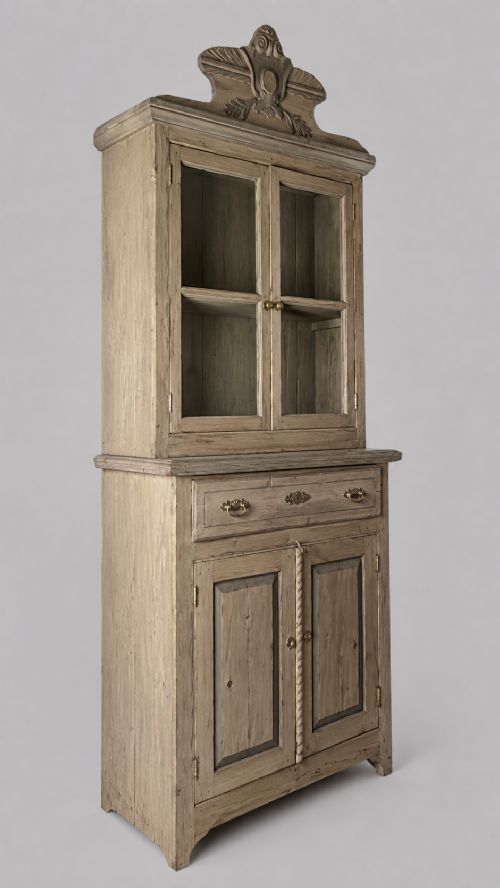
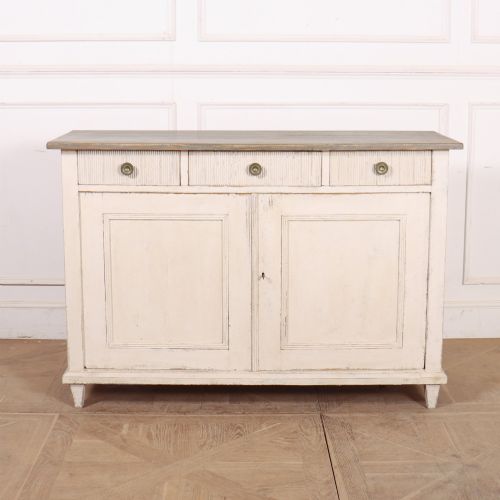
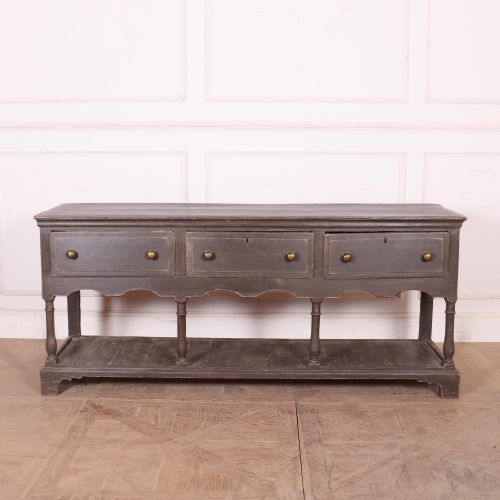
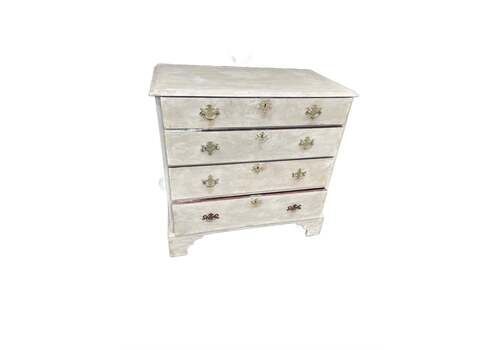
When buyers search for a vintage grey dresser, they encounter a broad selection of painted storage furniture spanning several centuries and regions. The options on this page focus heavily on chest of drawers and dresser base formats finished in various shades of grey paint.
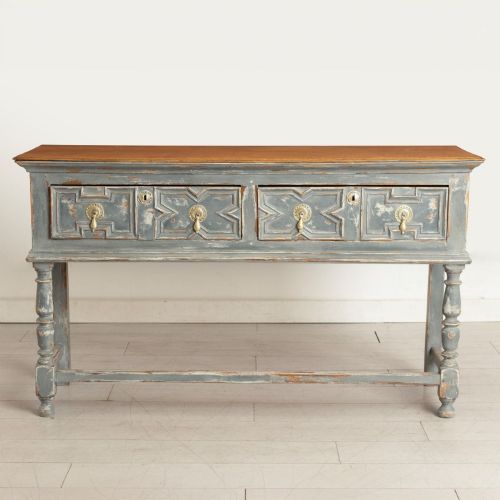
The pieces originate from domestic and continental workshops, incorporating styles such as French Provincial, Gustavian, Victorian, and English Country. Alongside traditional drawer chests, the selection includes glazed cupboards, servers, and potboard dresser bases.
Most examples date from the nineteenth century, though eighteenth-century pieces and early twentieth-century items also appear. These functional forms served various storage roles in period homes and now provide adaptable storage for modern interiors.
How they were made
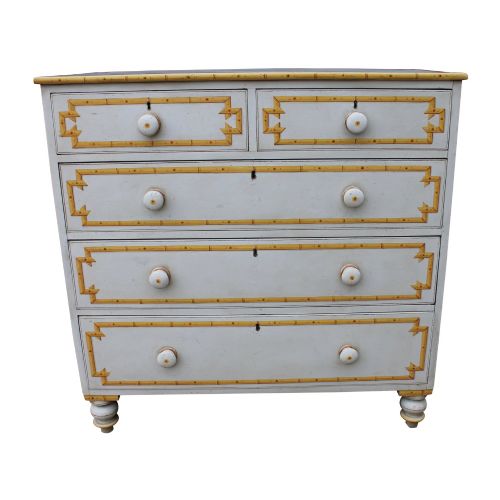
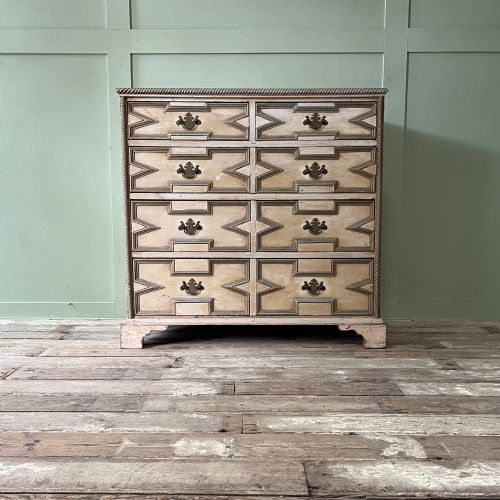
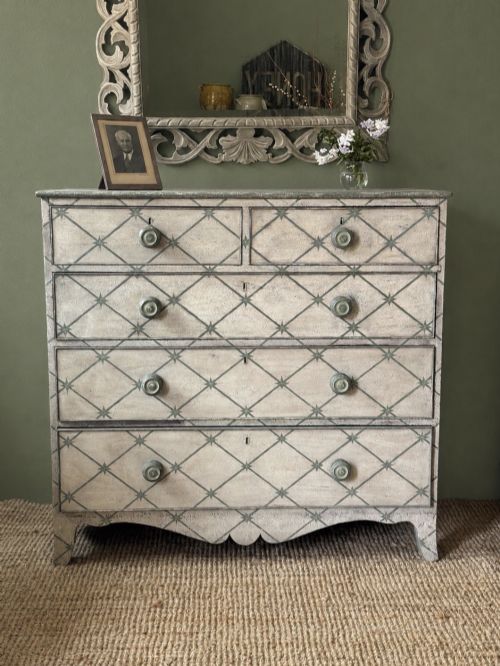
Construction relies primarily on traditional timber carcases using pine, oak, walnut, and mahogany, often enhanced by painted wood finishes. Many items feature decorative surface treatments, ranging from applied grey paint to faux bamboo moulding and carved details.
Hardware typically includes brass pulls and handles, while certain commodes and cabinets incorporate fitted marble tops. Cabinetmakers employed classic joinery techniques suited to each regional style, whether building sturdy English potboard bases or serpentine continental commodes.
Makers occasionally turned solid wood into convincing bamboo stalks just to satisfy a nineteenth-century fascination with exotic plants.
What varies in quality
Quality in these painted pieces rests on the integrity of the underlying timber structure and the execution of the surface finish. Superior examples display balanced proportions, clean drawer operation, and original painted decoration rather than heavy modern restoration.
Finer items often feature specific regional traits, such as serpentine fronts or detailed carving on oak and walnut carcases. The choice of materials, from solid pine and oak to decorative mahogany veneers and marble tops, also distinguishes standard regional pieces from high workshop productions.
Sir Clough Williams-Ellis·Edwards and Roberts
The Vintage Grey Dresser Glossary
- Dresser base
- A lower sideboard or cabinet component of a traditional kitchen or dining room dresser, usually featuring drawers and open potboards below.
- Commode
- A decorative chest of drawers or low cabinet of French or continental origin, often fitted with a marble top.
- Potboard
- An open lower shelf on a dresser base, historically used for storing pots and kitchen utensils.
- Serpentine front
- A piece of furniture featuring a gently curved front that bows outward in the centre and curves inward at the sides.
- Faux bamboo
- Wood turned and carved to imitate the segmented stalks of natural bamboo, popular in nineteenth-century decorative furniture.
Vintage Grey Dresser: Frequently Asked Questions
What is a vintage grey dresser?
A vintage grey dresser is a practical storage item, such as a chest of drawers, commode, or dresser base, finished in a grey painted surface.
These items span various periods from the eighteenth to the early twentieth century, originating from English, French, Scandinavian, and other continental workshops.
How were dresser bases used?
Dresser bases served as functional storage furniture in kitchens, dining rooms, and hallways for utensils, linen, and household goods.
The lower surface and drawers provided accessible storage, while open potboard shelves held larger pots and tableware.
How do I style a grey painted chest?
A grey painted chest works well in bedrooms, living rooms, and hallways as a focal storage point that complements neutral or bold colour schemes.
Its painted finish pairs naturally with wooden floors, brass hardware, and decorative items placed on the top surface.
How do I identify a Victorian painted chest?
Victorian painted chests often feature robust pine or hardwood carcases with multiple drawer configurations and traditional nineteenth-century joinery.
Clues lie in the construction methods, drawer linings, and the character of the painted finish applied over the wood.