

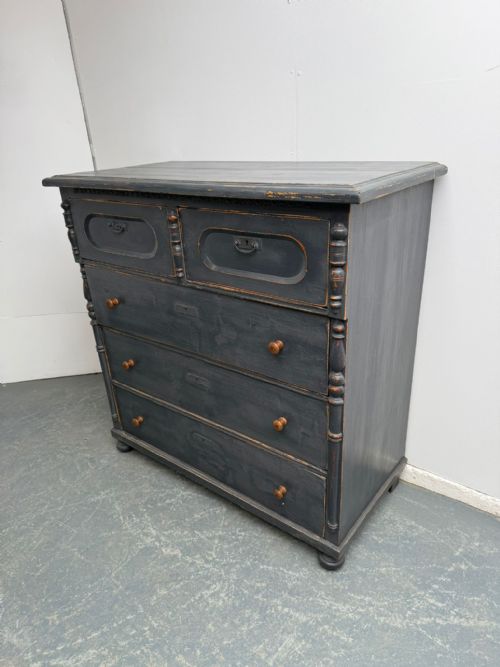


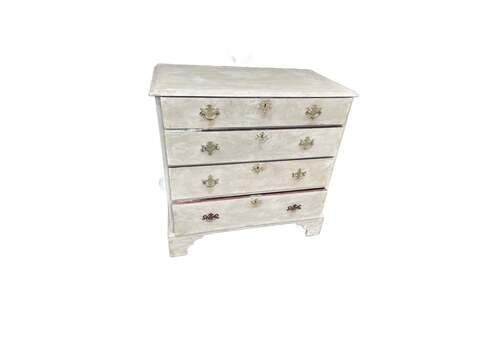


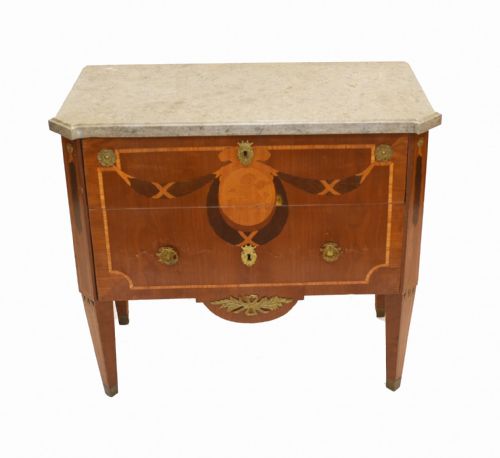


Vintage Grey Bedroom Storage
These pieces of vintage grey bedroom storage bring practical organisation and painted charm to a room, drawing on decades of provincial and traditional craftsmanship.
Vintage Grey Bedroom Storage
The objects span multiple eras, including nineteenth-century examples and twentieth-century pieces carrying styles like French Provincial and Victorian Country. These items serve daily storage needs while introducing muted, neutral tones to bedroom interiors.
How they were made
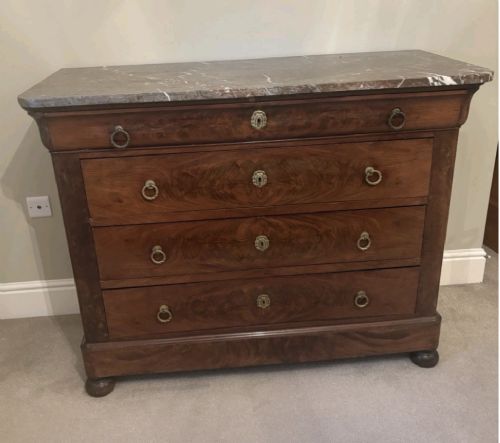
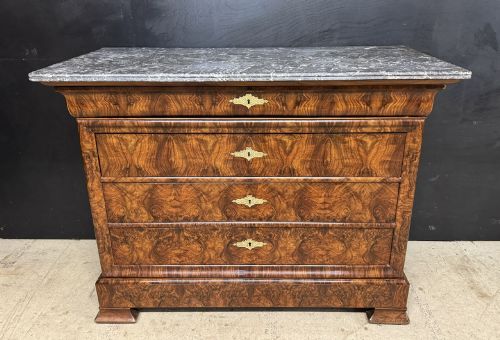
Carpenters built these storage items primarily from solid timber such as pine, oak, and walnut, often applying decorative paint surfaces or retaining exposed mahogany and flame mahogany veneers. Structural integrity relied on traditional joinery methods suited to heavy daily domestic use.
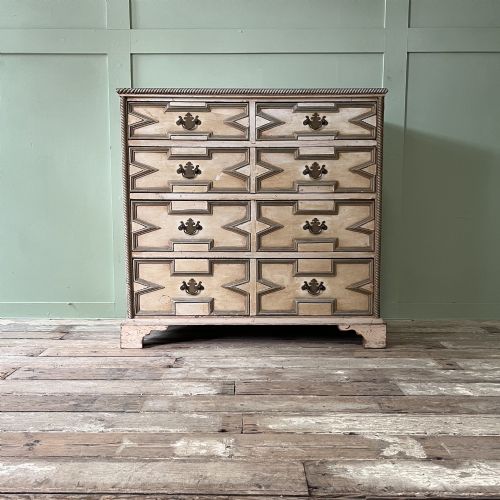
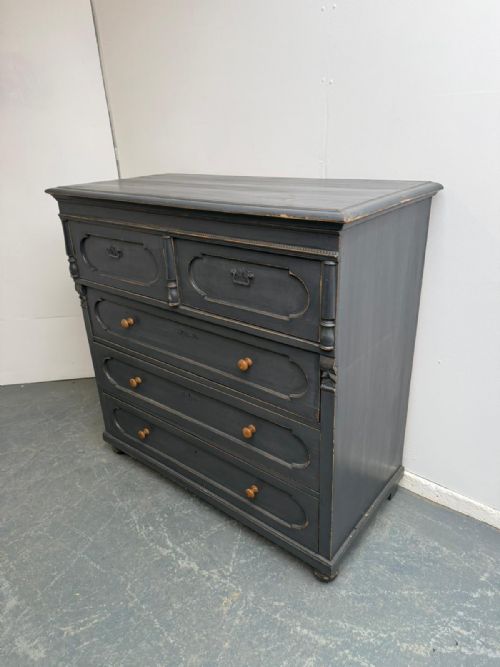
Surface details frequently include carved wooden elements, applied brass hardware, and inset marble tops that added durability and weight to continental commodes. Paint finishes range from distressed grey layers to decorative schemes incorporating faux bamboo or Chinoiserie motifs.
Vintage Grey Bedroom Storage Retail Price Guide 2026
Typical asking prices for vintage grey bedroom storage among the pieces listed under this phrase on Sellingantiques today, from the lower quarter to the upper quarter. They describe what is for sale here now, not the wider market.
The listings span from the mid-eighteenth century to the early twentieth century, incorporating pine, oak, walnut, and marble.
What varies in quality
The standard of construction separates basic utility pieces from finer cabinetmaking, visible in the choice of timber and the precision of the drawer dovetails. Finer examples integrate heavier materials like marble slabs and employ sophisticated veneers such as flame mahogany or burr walnut.
Decorative ambition also distinguishes the range, moving from simple painted pine storage cupboards to intricately carved French commodes and signed pieces by known makers. The harmony of the painted finish and the integrity of the original hardware influence the character of each item.
Sir Clough Williams-Ellis·Edwards and Roberts
The Vintage Grey Bedroom Storage Glossary
- Commode
- A low cabinet or chest of drawers, typically of French origin, designed for bedroom storage. These pieces often feature marble tops and decorative painted or veneered surfaces.
- Faux bamboo
- A decorative technique where wood is carved or turned to resemble natural bamboo stalks. This style appears on nineteenth-century bedroom furniture.
- Serpentine
- A furniture front or top shaped with a central convex curve flanked by concave sections. This undulating profile requires skilled carpentry.
- Biedermeier
- A Central European style from the nineteenth century focusing on utilitarian comfort and clean lines. It frequently utilises domestic wood veneers without excessive ornamentation.
Vintage Grey Bedroom Storage: Frequently Asked Questions
What is a commode?
A commode is a low chest of drawers or cabinet originally used in bedrooms for storing personal items. They often feature decorative painted finishes or marble tops.
Continental examples from the nineteenth century demonstrate how these pieces combined practical storage with formal interior decoration.
How do I clean painted wood?
Painted wooden surfaces benefit from gentle dusting with a soft, dry cloth to remove surface particles. Avoid harsh chemical cleaners that might lift or discolour the historic paint layers.
Maintaining a stable room temperature helps protect both the timber substrate and the integrity of the painted finish over time.
Where were these pieces used?
These storage items belonged primarily in domestic bedrooms, dressing rooms, and private chambers. Their role was to hold clothing, linens, and personal possessions out of sight.
Today, they transition easily into modern hallways, living rooms, and bedrooms to provide concealed storage surfaces.
How to tell periods apart?
Distinguishing between periods involves examining the structural timber, the style of the hardware, and the application of decorative paint. Victorian pieces often utilise pine, while continental commodes display mahogany or walnut veneers.
Stylistic cues such as Dutch Neoclassical lines or French Provincial carving further anchor an item to its specific era of production.