

Vintage Gold Brooch Pin
A vintage gold brooch pin brings together the detailed craftsmanship of past decades and the bright warmth of precious metal.
Vintage Gold Brooch Pin
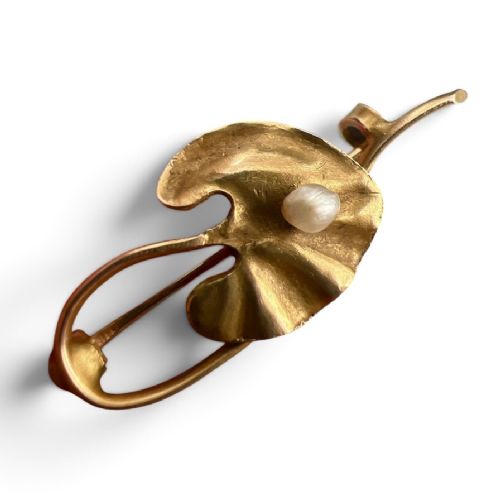
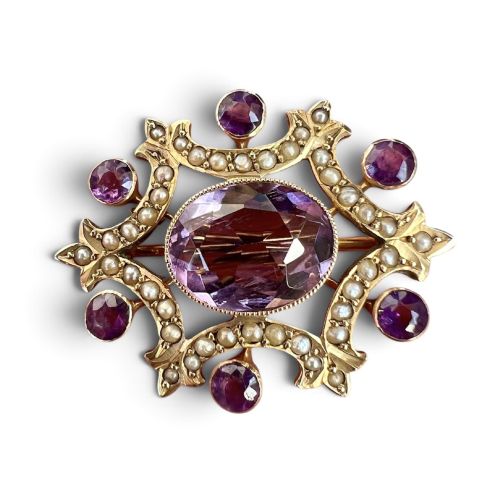
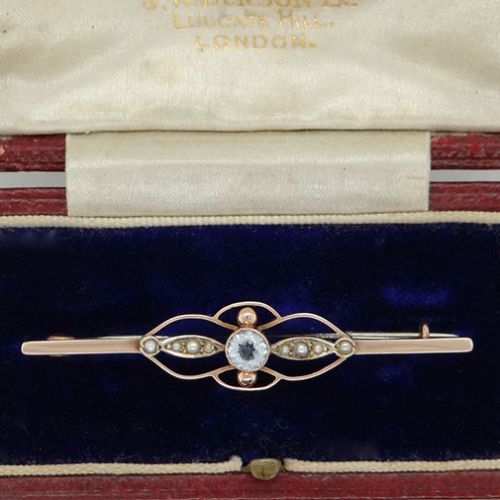
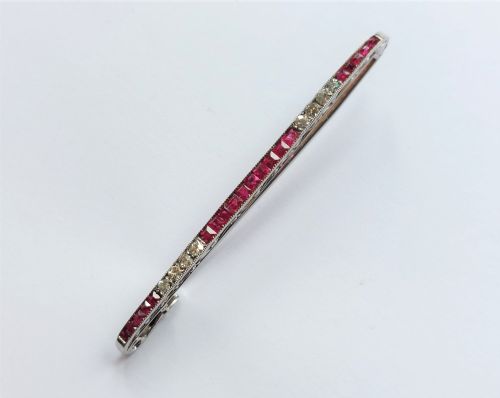
A vintage gold brooch pin is a wearable ornament designed to fasten garments while displaying precious stones and fine metalwork. Buyers seeking these items will find a wide variety of forms originating from the nineteenth century through the mid-twentieth century.
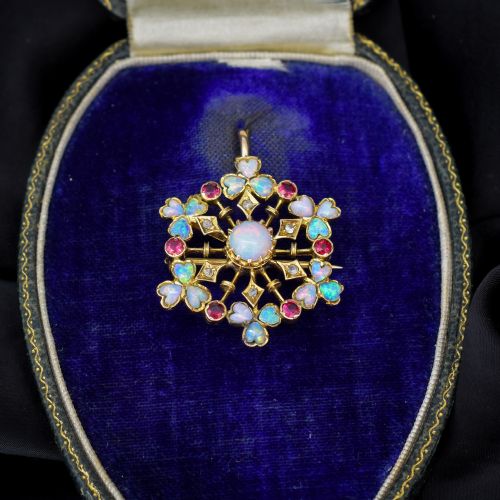
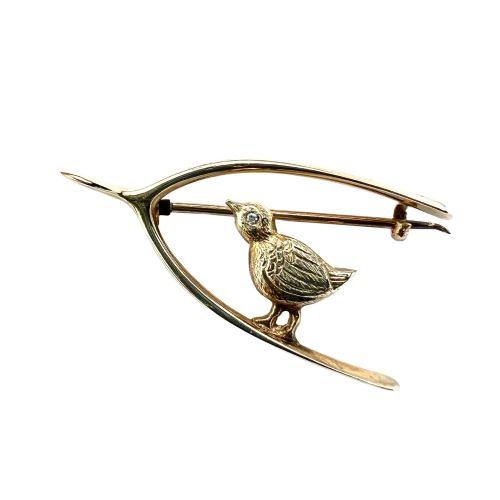
Beyond simple clasps, many designs function as multi-purpose items, including stick pins, pendants with drops, and convertible brooch-pendants. Natural gemstones such as opals, rubies, and diamonds often form the central decorative elements of these wearable works of art.
How they were made
Goldsmiths utilised varying purities of gold, including nine-carat, fifteen-carat, and eighteen-carat alloys, alongside silver settings for mounting diamonds in earlier pieces. Metalwork techniques combined cast or stamped foundations with hand-applied wirework, granulation, and engraved surface details.
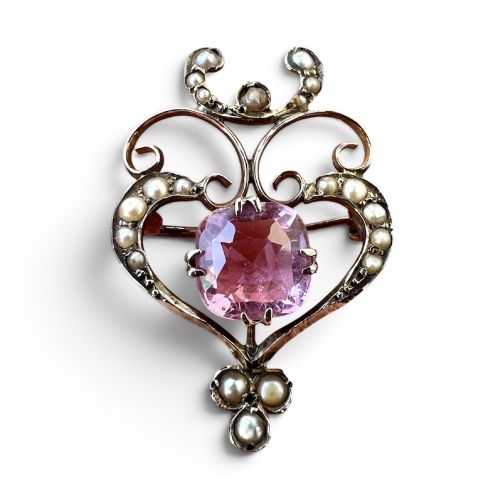
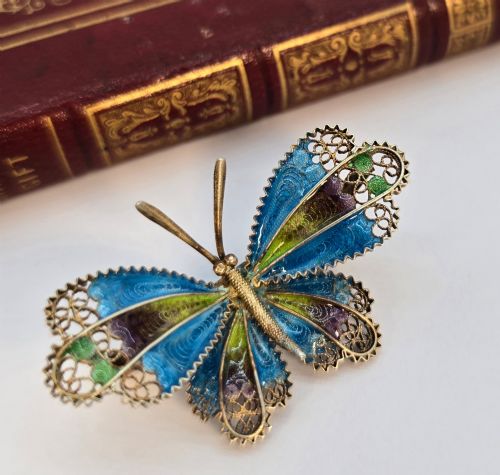
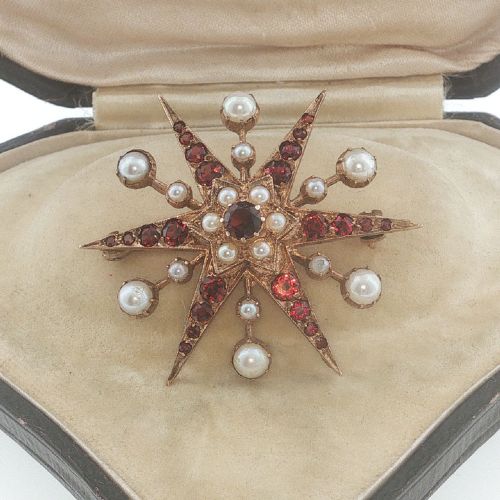
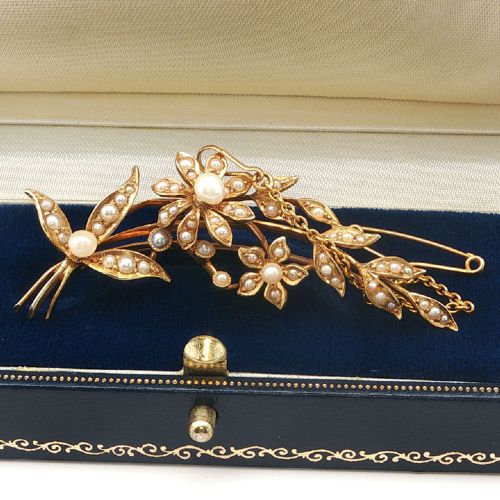
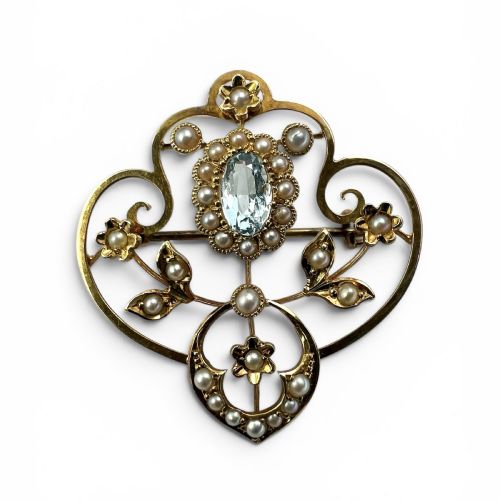
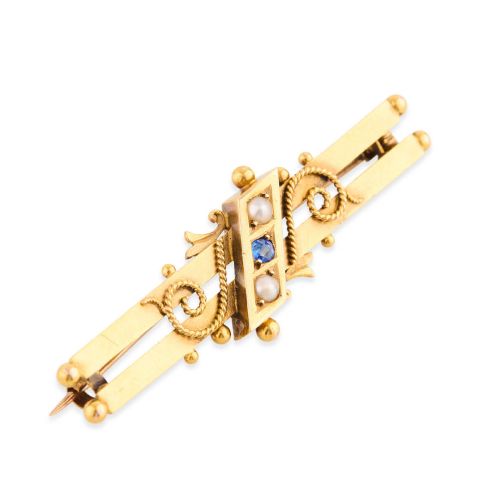
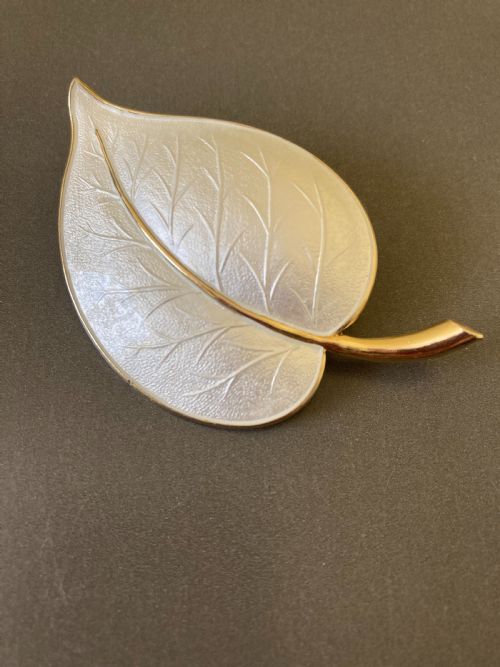
Gemstones such as seed pearls, turquoise, amethysts, and rubies were meticulously set by hand using collet, bezel, or prong settings. Enamelling and shell cameo carving further demonstrate the diverse artisanal methods employed across the Victorian, Edwardian, and Art Deco periods.
What varies in quality
The distinction between standard examples and the finest pieces lies in the complexity of the design and the purity of the materials. Superior items often feature substantial gold weights, larger or higher-grade diamonds, and intricate multi-gemstone arrangements.
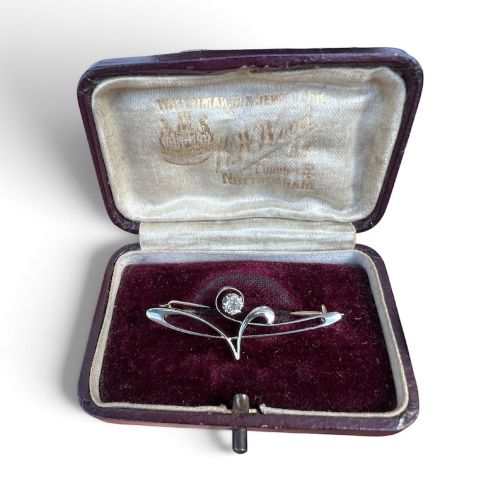
Artisanal execution dictates overall merit, visible in the precision of stone-setting, the crispness of chased or carved details, and the survival of delicate components like seed pearls and enamelwork. Maker signatures and original fitted presentation boxes also elevate specific pieces.
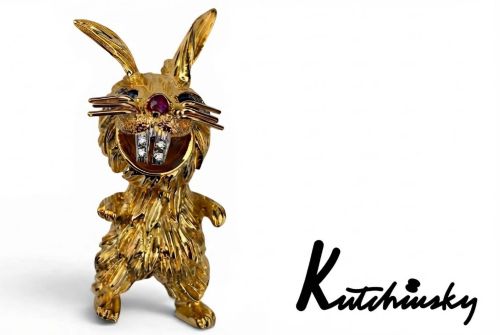
Kutchinsky·Aksel Holmsen·Ben Rosenfeld
The Vintage Gold Brooch Pin Glossary
- Bar brooch
- A slender horizontal metal rod that forms the structural base of the jewel, frequently mounted with stones.
- Seed pearl
- A very small, naturally formed or cultured pearl used in clusters or floral arrangements.
- Silver gilt
- Silver that has been coated with a thin layer of gold, often employed in Edwardian and Art Deco pieces to enhance contrast.
- Cameo
- A method of carving a shell or stone to create a raised relief image against a contrasting background.
- Stick pin
- A long pin topped with an ornamental head designed to be secured vertically in a lapel or cravat.
Vintage Gold Brooch Pin: Frequently Asked Questions
How do I wear a vintage gold brooch pin safely?
These pieces secure best when fastened through sturdy fabrics such as wool, tweed, or heavy cotton rather than delicate silks. Ensure the safety catch or roll-over clasp is fully engaged before wearing.
For added security on valuable items, a small silicone pin guard can be placed over the sharp end behind the garment. Storing the piece in a dedicated box prevents bending of the pin stem when not in use.
Were these brooches used for purposes other than fastening clothes?
Many historical examples served dual functions, operating simultaneously as pendants by incorporating a hidden folding loop on the reverse. Others doubled as chatelaine attachments or ornamental hatpins during the Victorian and Edwardian eras.
Jewellery sets often included matching bracelets or earrings alongside the primary brooch. Convertible mounts allowed wearers to adapt a single jewel to changing fashions throughout the day.
How can I distinguish an Edwardian piece from a Victorian one?
Edwardian designs generally favour lighter, airier platinum and high-karat gold settings dominated by diamonds, seed pearls, and aquamarines. The aesthetic leans toward garland styles, lace-like filigree, and bow motifs.
Victorian pieces typically display heavier gold weights, warmer rose or yellow hues, and sentimental gemstone combinations like turquoise and garnet. Subject matter in the earlier period often embraces mourning jewellery, naturalistic floral sprays, and shell cameos.
What is the best way to clean antique gold and pearls?
Natural seed pearls and turquoise are porous materials that require gentle care, avoiding harsh liquid jewellery dips, ultrasonic cleaners, and abrasive cloths. Warm water and a mild soap applied with a soft brush will remove surface dust safely.
Gold mounts can be polished lightly with a specialist microfibre cloth to restore their lustre without touching vulnerable gems. Professional cleaning is recommended for antique pieces with complex settings.