



Vintage Gold Bar Pin
A vintage gold bar pin delivers the slender, purposeful elegance of past decades straight to a modern lapel.
Vintage Gold Bar Pin
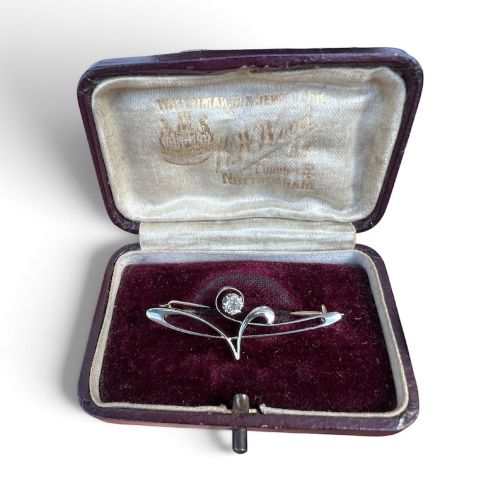
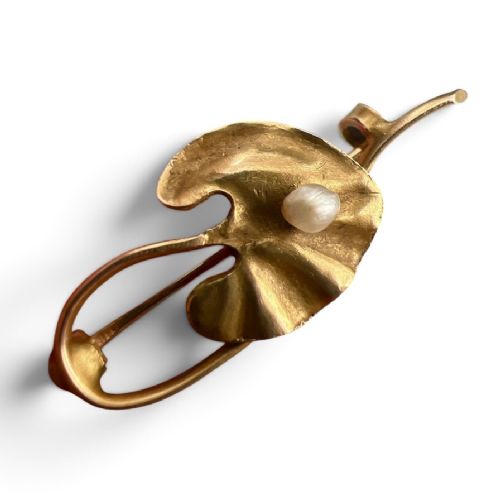
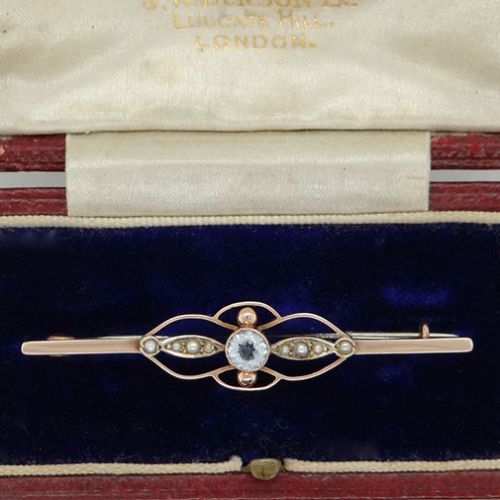
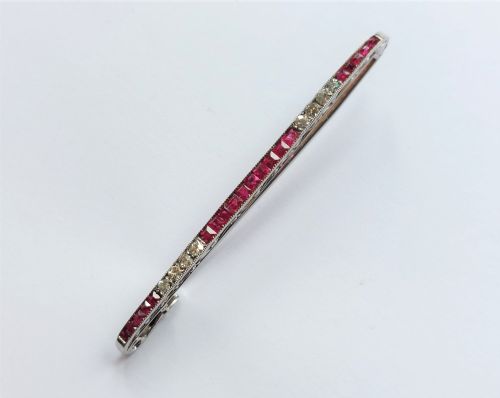
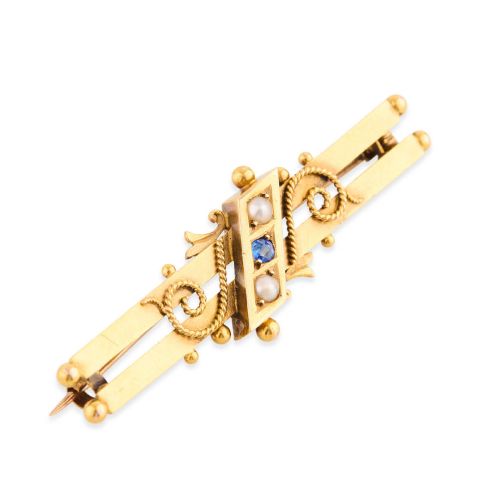
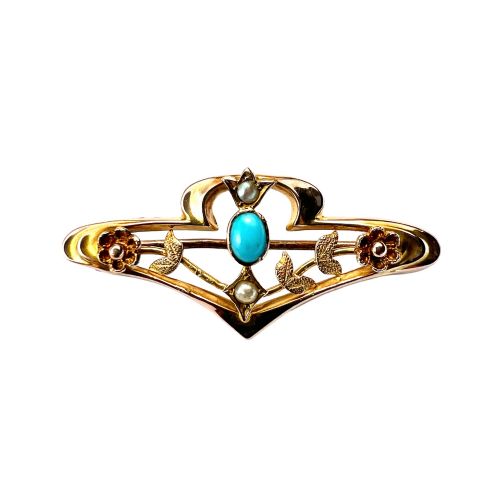
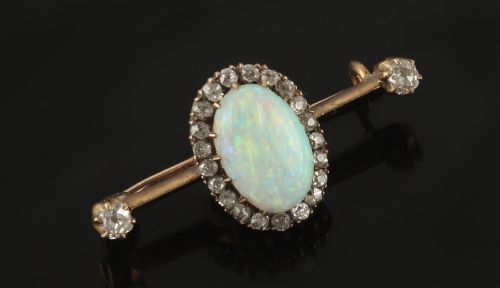
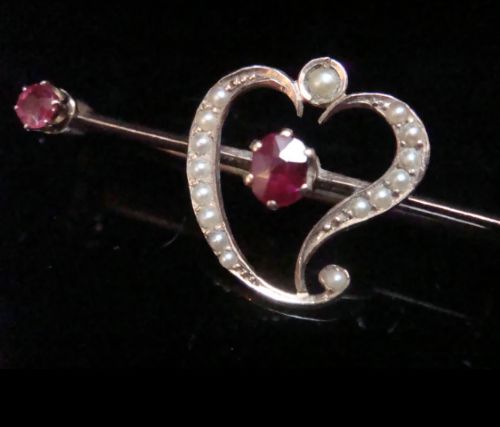
A vintage gold bar pin forms a narrow linear brooch designed to fasten garments or secure a tie, appearing frequently across Victorian, Edwardian and Art Deco periods. These pieces utilise slender lengths of yellow, rose or white gold, often set with central clusters of diamonds, pearls, rubies or sapphires.
How they were made
Goldsmiths fabricated these pieces using combinations of yellow gold, rose gold and platinum, frequently casting or drawing the metal into slender rigid bars. Stones were secured via early claw settings, grain settings or bezel mounts designed to hold small old-cut diamonds and seed pearls safely.
Artisans incorporated piercing, engraving and millegrain edging to decorate the metal surfaces, particularly during the Edwardian and Art Deco eras. Pin stems relied on traditional C-clasps or safety catches characteristic of late nineteenth and early twentieth-century jewellery manufacture.
The inventory spans diverse motifs including swallows, crescents, hearts, bicycles and geometric diamond clusters.
What varies in quality
Quality rests in the precision of the metalwork, the symmetry of the gem settings and the integrity of the original pin mechanism. Finer examples display crisp hand-engraving, well-matched natural gemstones and sturdy gold alloys without structural thinning.
Design complexity also distinguishes the range, moving from plain utilitarian bars to intricate multi-stone clusters involving rubies, emeralds or certified diamonds. The balance between the central motif and the supporting bar determines the overall visual harmony.
The Vintage Gold Bar Pin Glossary
- Bar brooch
- A brooch featuring a narrow horizontal metal shaft as its primary structural element. These pieces were worn frequently at the neck or fastening lapels.
- Old-cut diamond
- A diamond cut by hand before modern brilliant-cut standards were established, exhibiting smaller tables and deeper pavilions. They display a characteristic soft candlelit sparkle under low light.
- Seed pearl
- A very small natural or saltwater cultured pearl used in clusters or borders on Victorian and Edwardian jewellery. They add a delicate white lustre to floral and crescent motifs.
- Millegrain
- A decorative jewellery technique creating a raised border of tiny, bead-like metal points along the edges of a setting. This finish softens transitions between metal and stone.
- C-clasp
- An early form of brooch fastening shaped like the letter C, often paired with a simple pin stem without a locking mechanism. It represents a standard closure on nineteenth-century pieces.
Vintage Gold Bar Pin: Frequently Asked Questions
How do I wear a bar pin safely?
Pin the piece through tightly woven fabrics such as wool coat lapels, heavy scarves or structured jacket collars to support the weight of the gold and gemstones.
Ensure the pin stem engages securely behind the safety clasp or C-catch, and avoid wearing delicate bar pins on loose silks where the metal might snag.
How do I tell Victorian from Edwardian bar pins?
Victorian pieces tend to feature warmer rose gold, heavier mounts and romantic motifs like horseshoe shapes, crescents and turquoise hearts dating from the late nineteenth century.
Edwardian items showcase lighter platinum-topped gold, airy openwork filigree and diamond-set swallows or floral garlands reflecting the graceful aesthetic of the early twentieth century.
Were bar pins used as tie pins?
Shorter bar pins often functioned to secure cravats and neckties in place during the Victorian and Edwardian periods, combining decorative appeal with practical utility.
Longer versions served primarily as dress ornaments fastened across the chest or securing lace collars and shawls.
What gold purities should I expect?
British pieces from the nineteenth and early twentieth centuries frequently utilise nine carat or fifteen carat gold, reflecting historical assay standards used before eighteen carat became standard.
French and continental examples often employ eighteen carat yellow or white gold alongside platinum settings.