
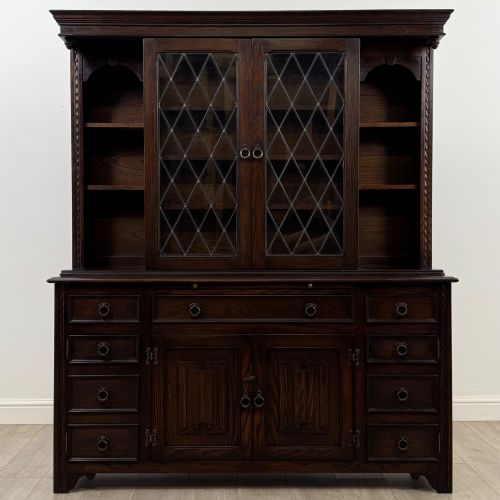
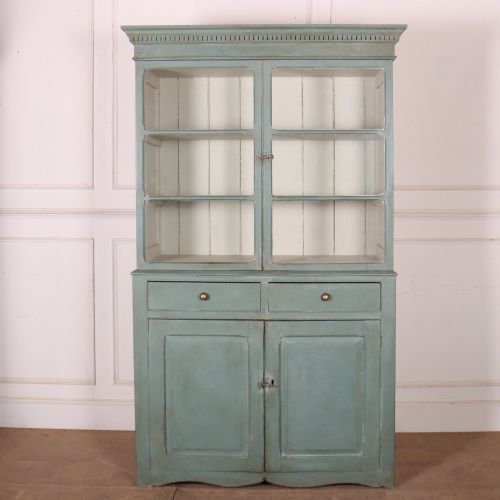
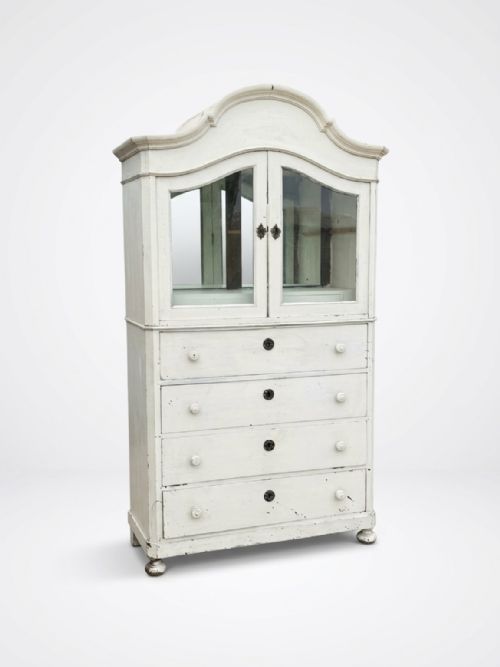
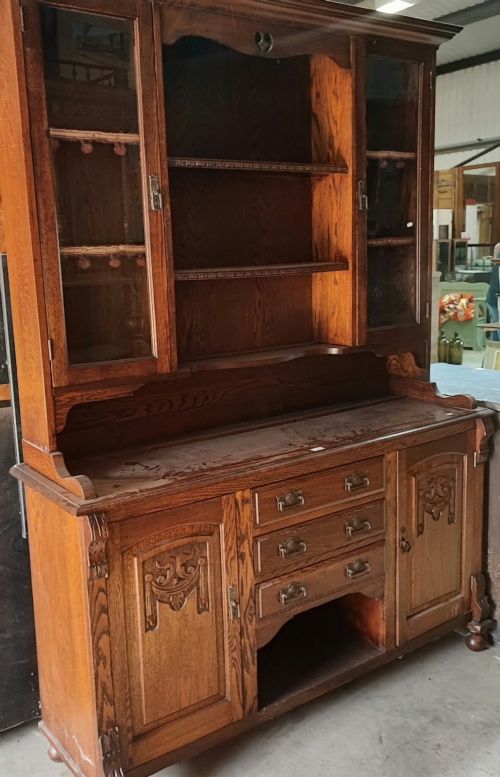
Vintage Glazed Dresser
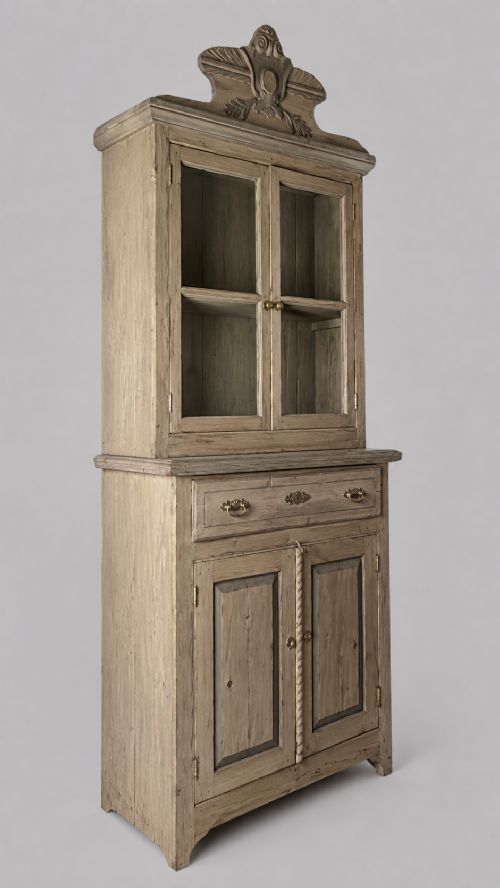
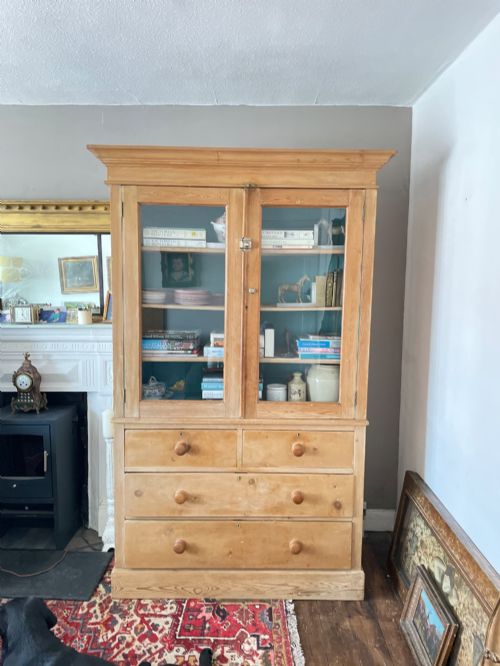
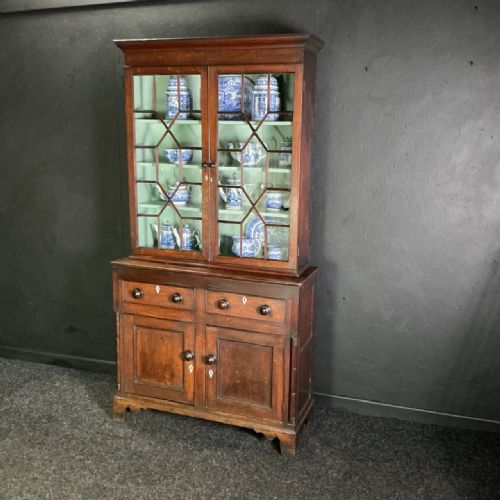
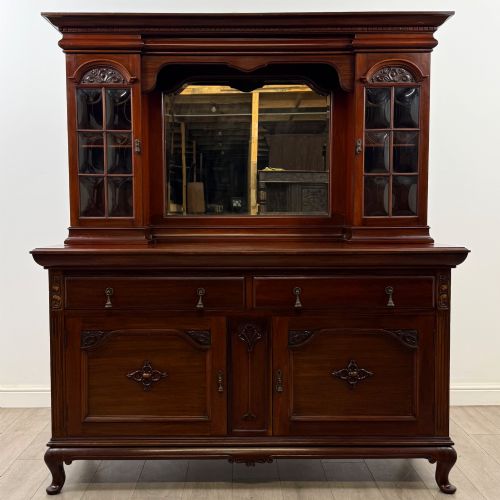
A vintage glazed dresser brings practical storage and display together, pairing timber construction with glass doors to hold china, books or kitchen provisions.
Vintage Glazed Dresser
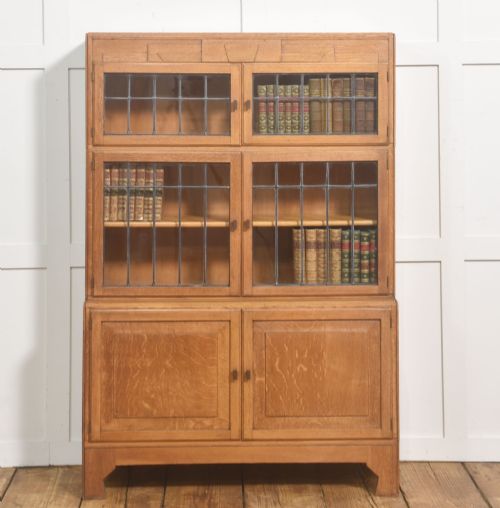
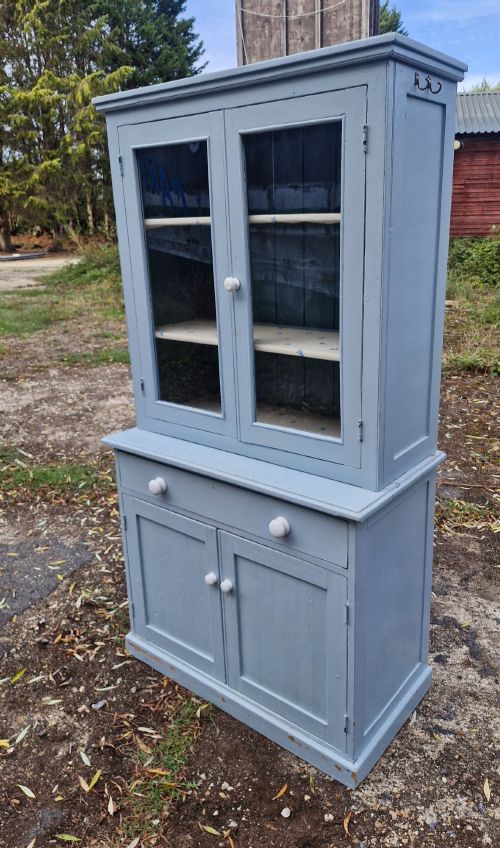
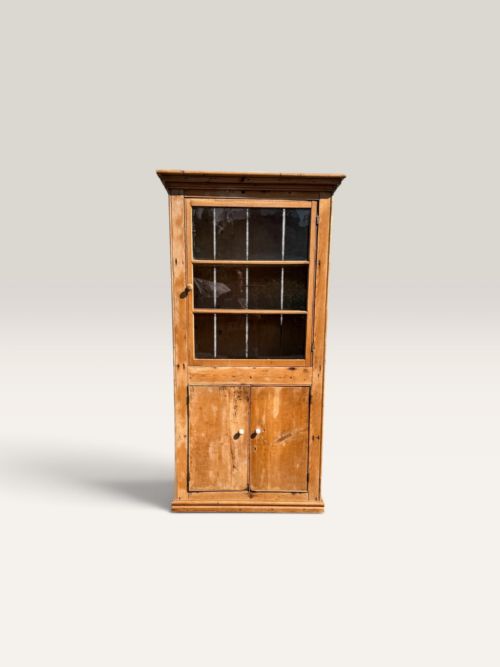
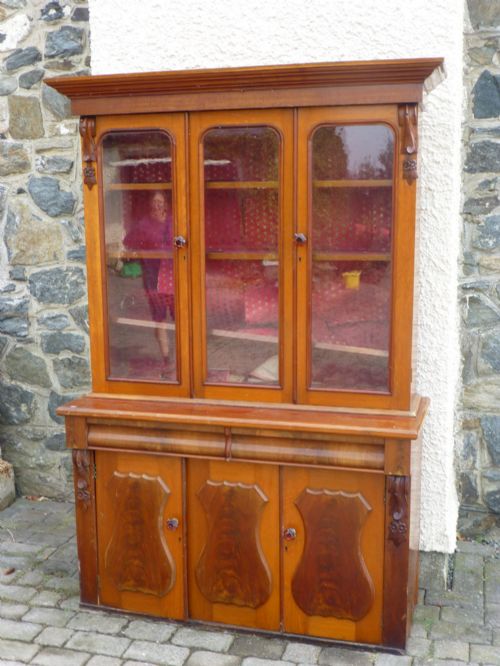
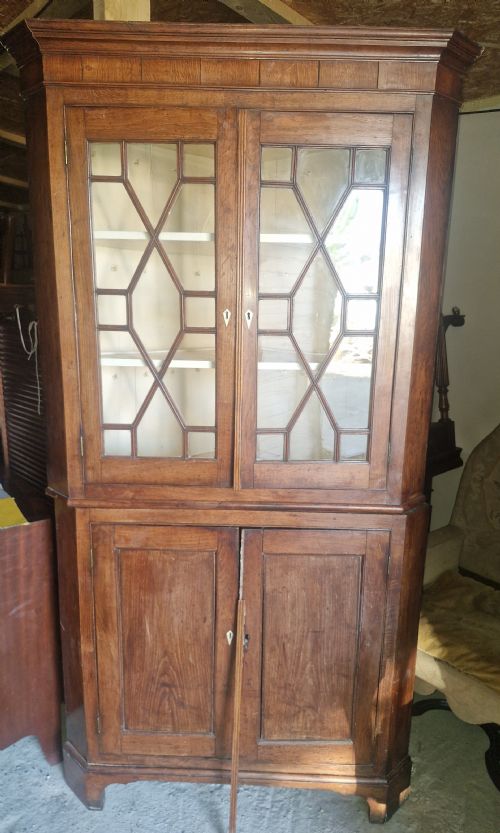
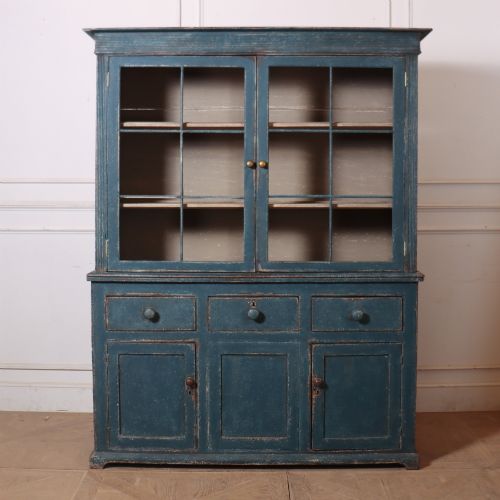
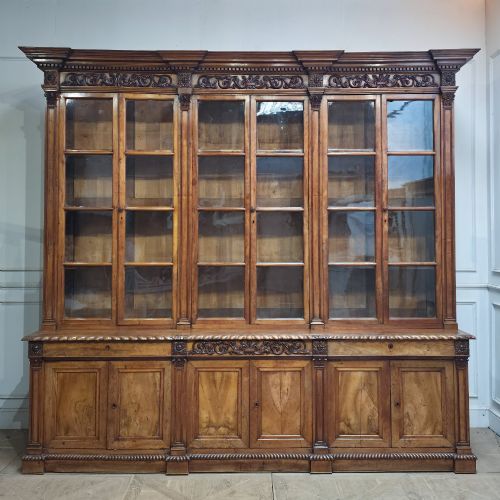
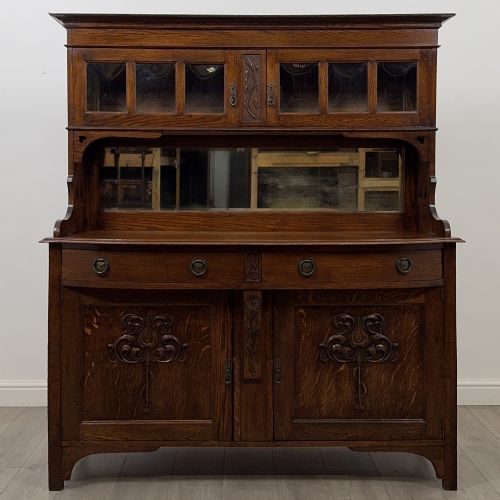
A vintage glazed dresser combines a lower storage base, often fitted with cupboards or drawers, with an upper display section enclosed by glass doors. These pieces emerge from the nineteenth and early twentieth centuries, spanning Victorian, Edwardian, and Art Deco periods, alongside regional country styles from England, Wales, Scotland, France, Sweden, and Hungary.
The layout adapts to various domestic settings, appearing as tall bookcases, two-part kitchen cupboards, Welsh dressers, and breakfront display cabinets. Oak, pine, and mahogany form the predominant structures, frequently finished with waxed surfaces, painted treatments, or scumble effects.
Materials and Construction
Makers construct these dressers using solid hardwoods like oak and mahogany alongside softer timbers such as pine, often pairing them with brass hardware and iron fittings. Glass panels are fitted into wooden frames or secured with lead cames, particularly in Edwardian and Art Deco bookcase designs.
Joinery methods reflect the period, utilising stable two-part construction for larger kitchen dressers and bookcases to ease transport. Surfaces receive traditional finishes, ranging from clear wax polish to layered painted coats and interior washes.
Listings feature regional variations including English, Welsh, Scottish, French, Swedish, and Hungarian examples in oak, pine, and mahogany.
Build and Proportion
Quality rests in the timber selection and the integrity of the original construction, distinguishing sturdy hardwoods and well-figured grain from utilitarian painted pine. Attention to proportion, original glass panes, and sound joinery determine the standing of each piece.
The survival of original hardware, brass hinges, and intact leaded glazing sets finer cabinets apart from examples with altered components or replacement shelving.
Maple & Co.
The Vintage Glazed Dresser Glossary
- Welsh dresser
- A traditional kitchen storage unit featuring a base of drawers and cupboards surmounted by open shelves or a glazed display cabinet. These pieces originated in rural households for daily culinary use.
- Lead came
- A slender rod of cast lead with an H-shaped profile used to hold individual panes of glass together in leaded windows and cabinet doors. This technique is common in Arts and Crafts and Art Deco pieces.
- Scumble
- A decorative painting technique involving a translucent top layer manipulated over a lighter base colour to simulate grained timber. It appears frequently on nineteenth-century pine furniture.
- Breakfront
- A cabinet design where the central section projects forward from the flanking wings. This architectural arrangement adds depth and visual rhythm to larger bookcases and sideboards.
- Two-part
- A piece of furniture constructed in upper and lower sections that separate for moving and installation. This method applies to tall kitchen dressers and heavy library bookcases.
Vintage Glazed Dresser: Frequently Asked Questions
How do I clean a waxed pine dresser?
Use a soft, dry cloth to remove dust from the timber surfaces and glass panels on a regular basis. Avoid modern silicone sprays that can damage older wax finishes.
Apply a traditional beeswax polish sparingly once or twice a year to nourish the pine and maintain a soft sheen. Buff gently with a clean cloth after application.
Can these dressers be separated into two parts?
Many larger kitchen dressers and tall bookcases are built in two distinct sections to facilitate transport and placement. The upper glazed cabinet simply rests upon or fixes securely to the lower sideboard base.
Check the construction details of individual pieces before moving them, as smaller or fitted cabinets may be built as a single rigid unit.
How do I secure a tall bookcase to the wall?
Tall furniture with glass doors requires stable footing and proper wall anchoring to prevent tipping, particularly on uneven floors. Use discreet brackets attached to the upper rear framework.
Ensure the fixings bite into solid timber studs or masonry rather than just plasterboard to support the weight securely.
What is the difference between a Welsh dresser and a bookcase?
A traditional Welsh dresser pairs a lower cupboard or drawer base with upper display space, historically designed for kitchen provisions and tableware. A bookcase focuses primarily on shelved storage behind glazed or open doors.
Both forms overlap in the nineteenth-century vernacular tradition, where kitchen cupboards often served double duty for books and household goods.