
Vintage Glass Vessel
A vintage glass vessel brings brilliant light and colour to a room through centuries of hand-formed craft.
Vintage Glass Vessel
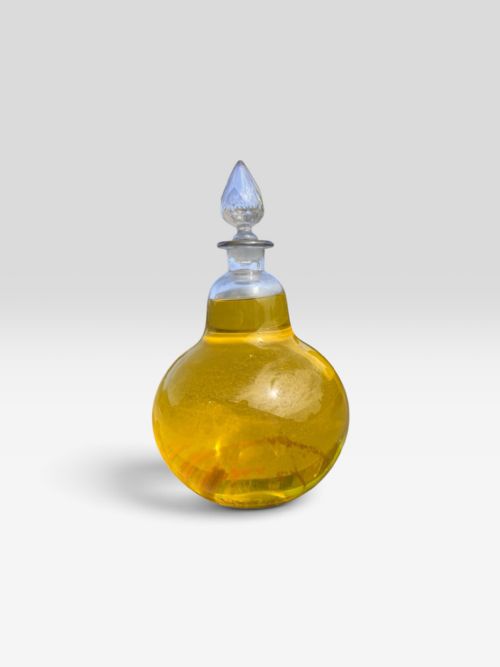
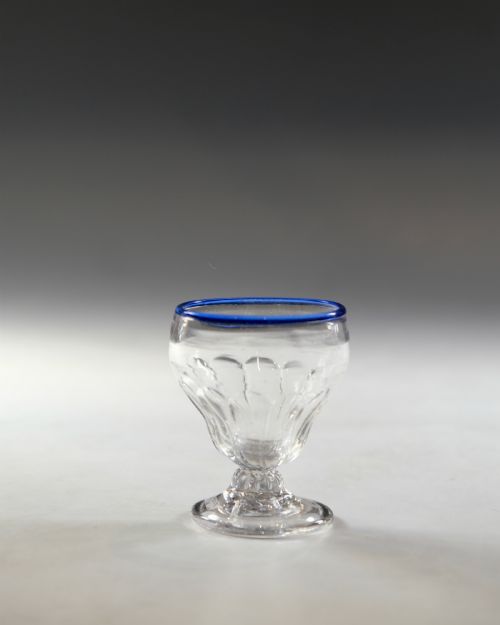
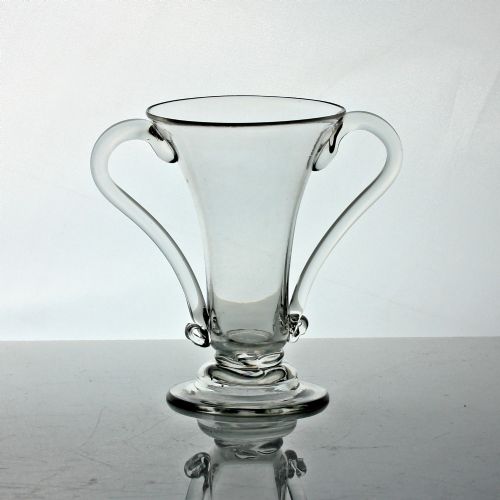
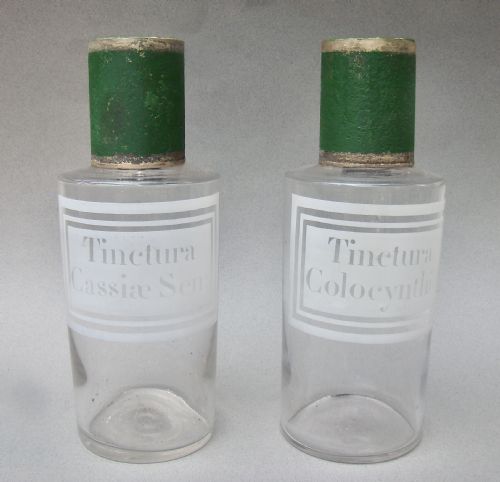
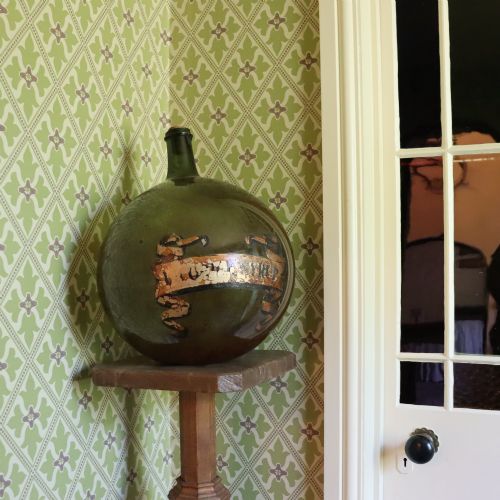
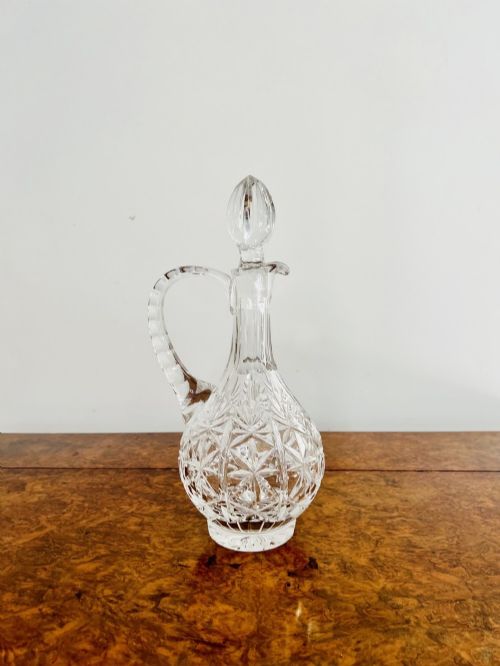
When a buyer searches for a vintage glass vessel, they encounter a diverse range of functional and decorative items spanning multiple centuries. The selection includes Georgian bonnet glasses and jelly glasses, Victorian pharmacy carboys and apothecary jars, alongside Edwardian decanters and ewers.
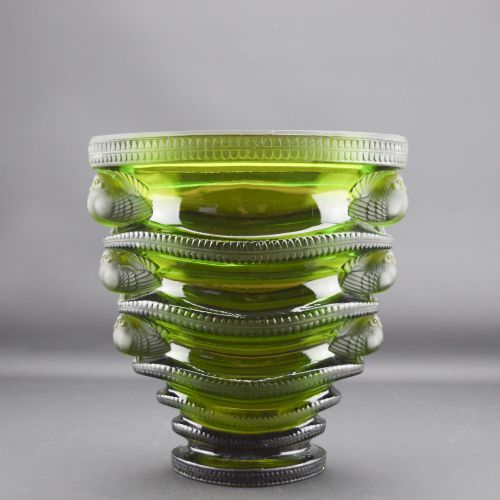
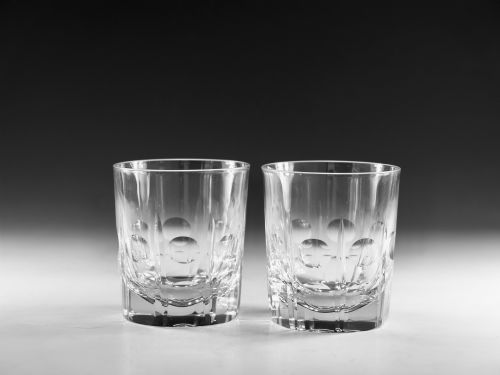
Twentieth-century examples dominate the offerings, featuring Art Deco vases, decanters, and heavy-walled vessels from prominent makers. Alongside these stand utilitarian items, such as milk glass flasks and tumblers, reflecting domestic and scientific uses from the eighteenth century onwards.
Artistic developments emerge clearly across the periods, shifting from early hand-blown utility items to highly decorative opalescent, cameo, and pate de verre creations. Buyers meet everything from simple table glassware to monumental studio pieces.
What varies in quality
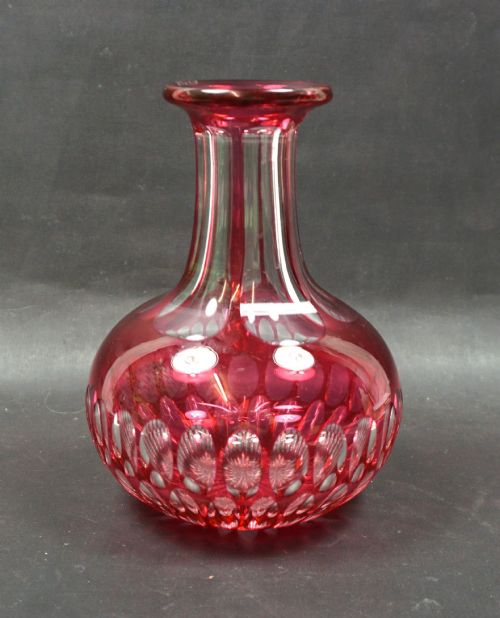
Clarity of the material, precision of the wheel-cut facets, and depth of the coloured overlay define the upper tier of production. Superior pieces exhibit crisp detail in engraved or enamelled motifs without surface bubbling or optical distortion in the body.
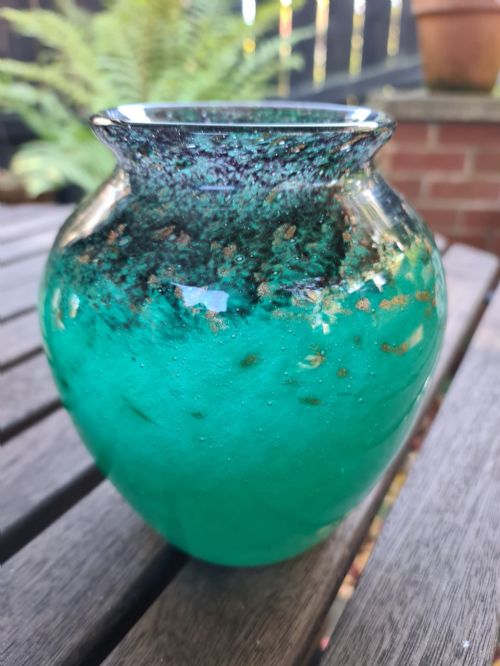
The sophistication of the design execution and the prestige of the studio or maker elevate certain items far above standard domestic wares. Signed mouldings and complex chemical colouration, particularly in opalescent and pate de verre pieces, signal master craftsmanship.
Vintage Glass Vessel Retail Price Guide 2026
Typical asking prices for vintage glass vessel among the pieces listed under this phrase on Sellingantiques today, from the lower quarter to the upper quarter. They describe what is for sale here now, not the wider market.
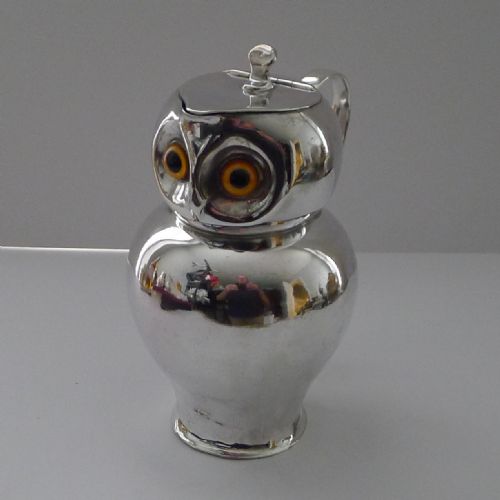
A startled silver owl with bright glass eyes keeps watch from a perch among the glassware.
Rene Lalique·Daum·Amalric Walter·Johann Loetz·Val St Lambert
The Vintage Glass Vessel Glossary
- Carboy
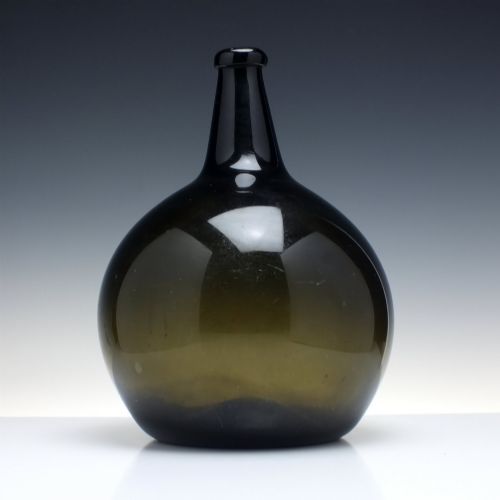
- A large, bulbous glass vessel traditionally used for holding liquids safely in laboratory or apothecary settings. These heavy containers often feature thick, blown walls designed to withstand chemical storage.
- Opalescent glass
- A translucent milky glass that displays milky-blue or fire-like highlights when lit from the front or side. This technique gained immense popularity among French designers in the early twentieth century.
- Pate de verre
- A kiln-casting method where finely crushed glass is mixed with a binder and fired inside a mould. This process produces dense, richly coloured objects with a characteristic sugar-like texture.
- Cameo glass
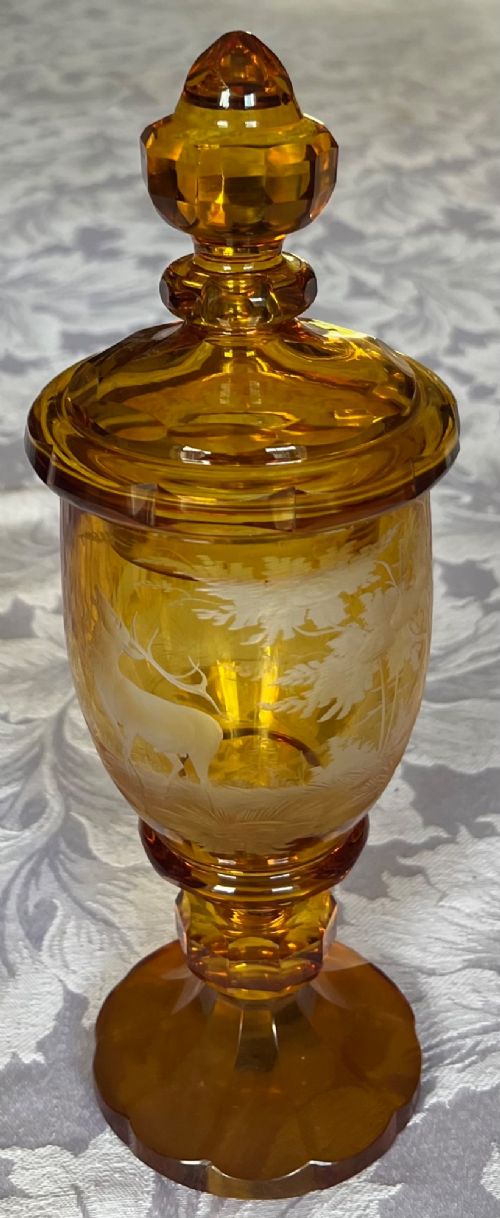
- A vessel created by fusing two or more distinct layers of coloured glass together before carving away the exterior layer to form raised designs. The resulting contrast highlights intricate pictorial scenes.
- Bonnet glass
- An eighteenth-century stemmed glass featuring a wide, shallow bowl, typically used for serving small sweets or jellies at formal tables. Their delicate proportions distinguish them from standard drinking vessels.
Vintage Glass Vessel: Frequently Asked Questions
What is an apothecary carboy used for?
Apothecary carboys served historically in pharmacies and laboratories to store large quantities of liquids, distilled water, or chemicals safely.
Today, collectors appreciate these large vessels primarily as decorative interior statement pieces that catch natural light.
How do I identify Art Deco glass?
Art Deco pieces typically display geometric patterns, stylised motifs, heavy mouldings, and strong colour contrasts characteristic of the interwar period.
Signatures from major studios or distinct manufacturing techniques like pate de verre often accompany these designs.
What is cased glass?
Cased glass consists of two or more distinct layers of different coloured glass fused together during the blowing process.
Artisans then cut through the top layer to reveal the contrasting colour underneath, creating sharp visual depth.
How should I clean antique glass?
Cleaning requires warm water and mild soap, avoiding harsh abrasive materials that can scratch delicate surfaces or historic metal mounts.
Careful handling is essential, particularly with pieces featuring applied silver, enamel, or thin hand-blown walls.