
Vintage Glass Table Lighting
Vintage glass table lighting brings ambient illumination and tactile colour to a room, spanning periods from the Victorian era to Art Deco.
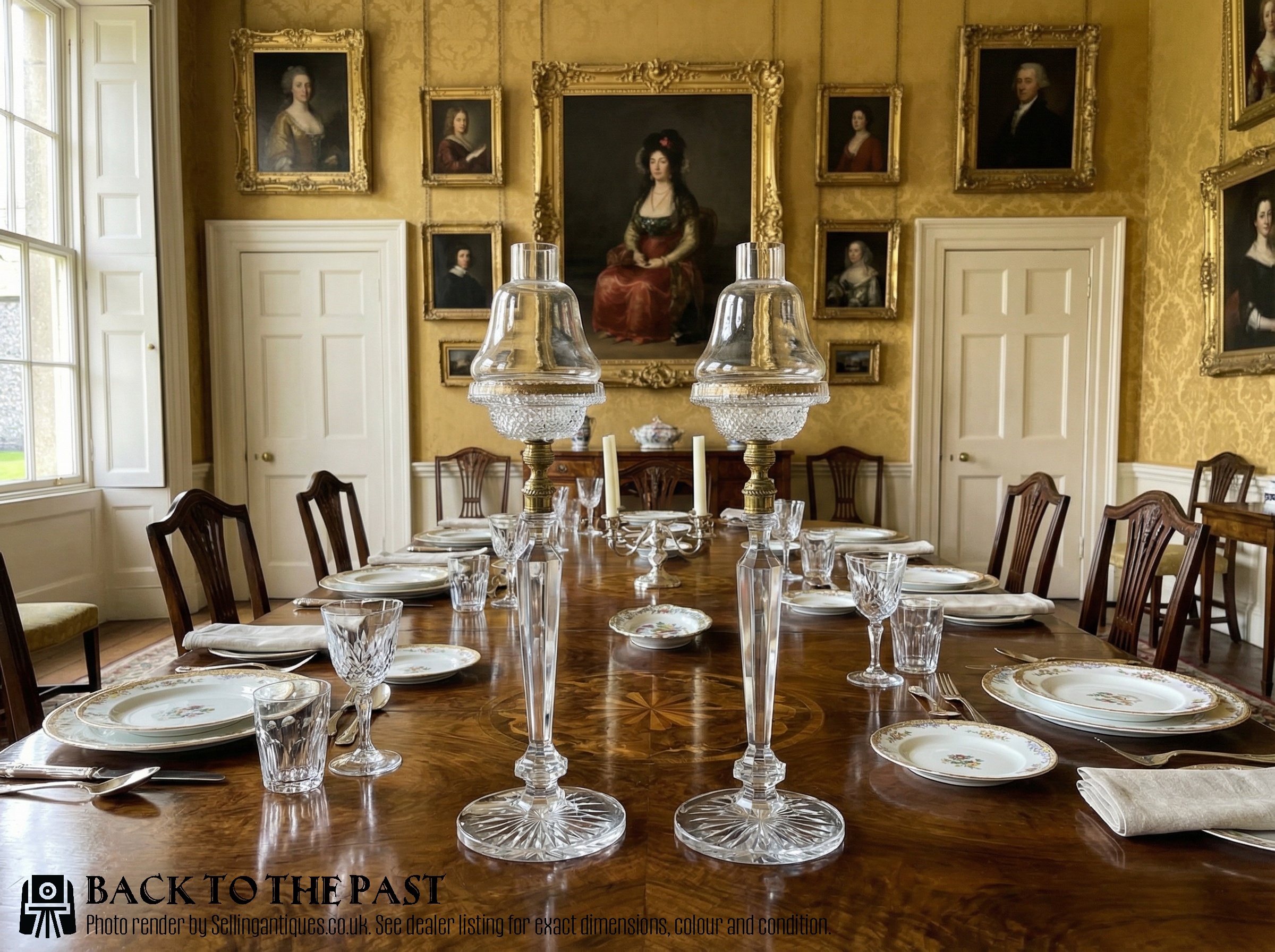
Vintage Glass Table Lighting
Vintage glass table lighting encompasses functional and decorative pieces designed to illuminate interior spaces using glass combined with various metals and ceramics. When searching for vintage glass table lighting, buyers encounter oil lamps, candle lamps, and electrified table lamps originating from the Victorian period through to the 1930s.
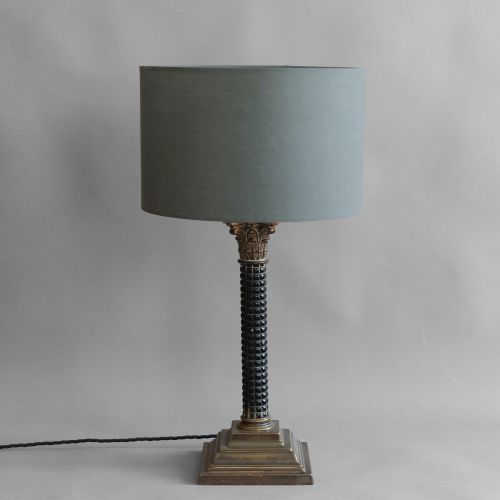
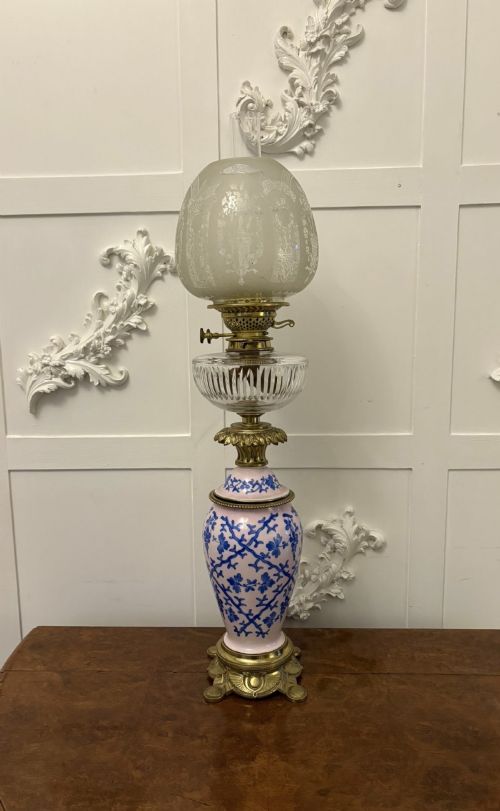
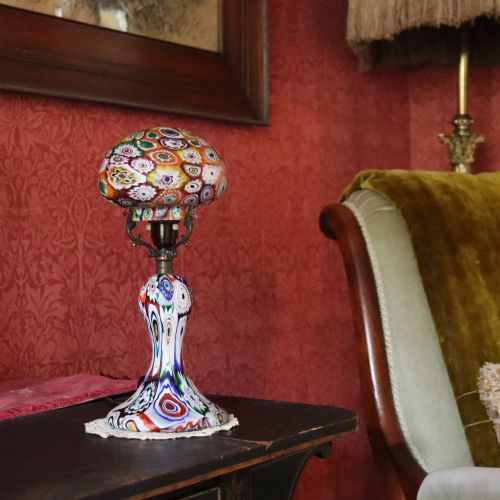
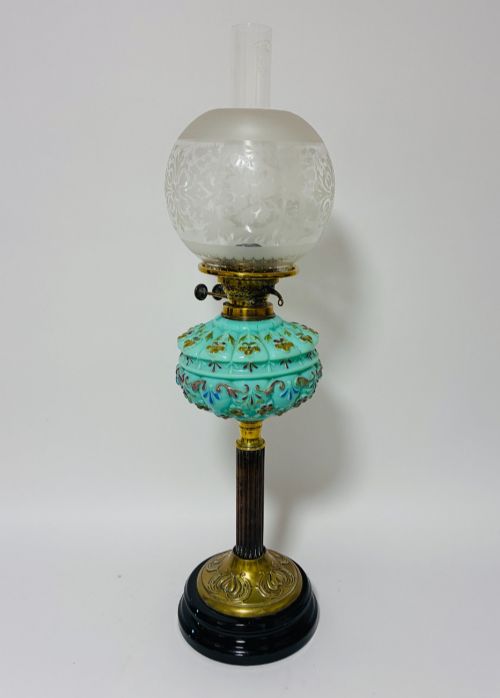
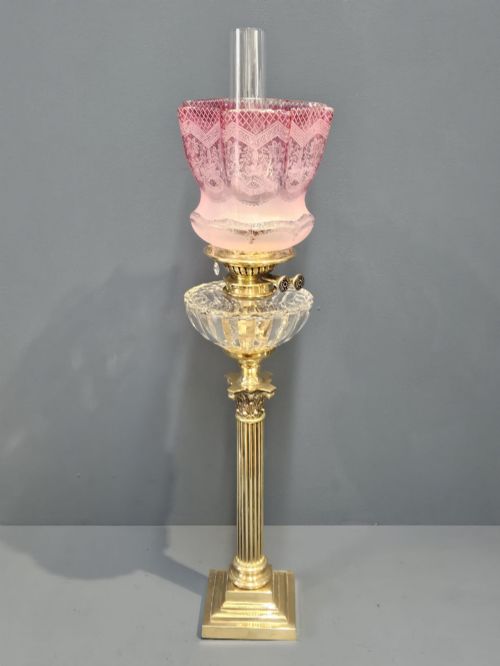
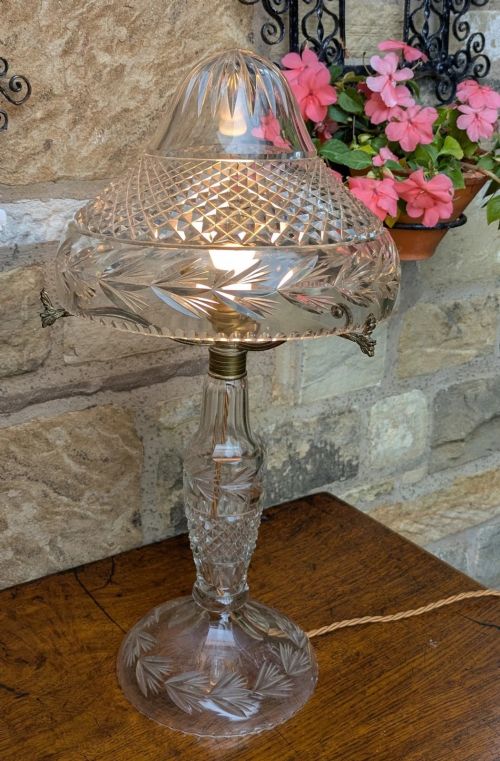
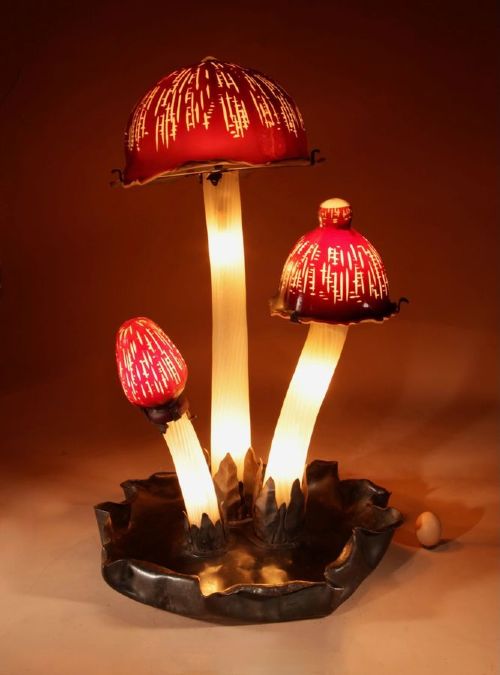
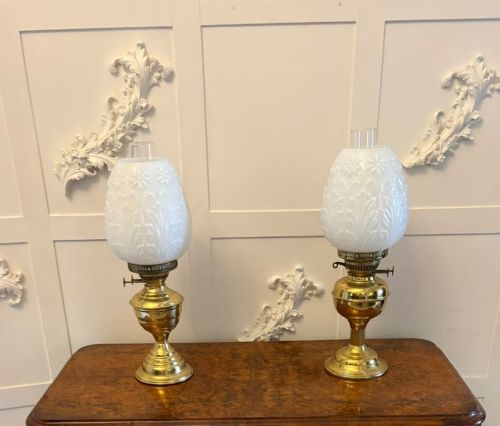
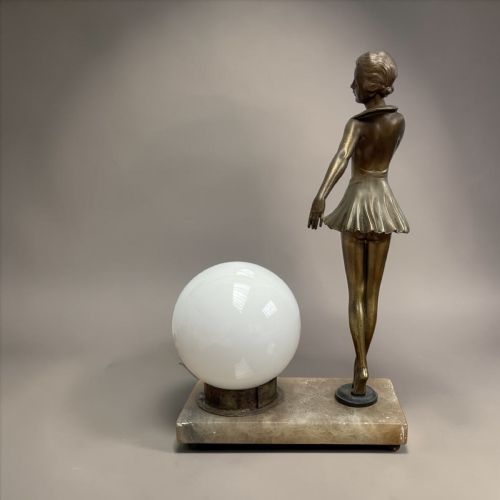
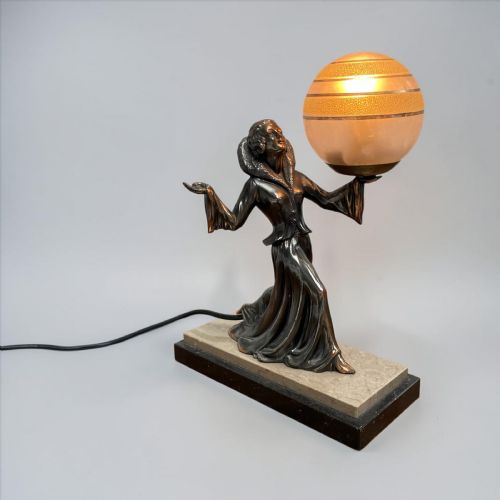
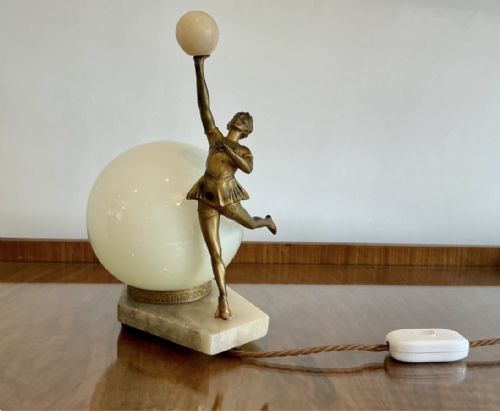
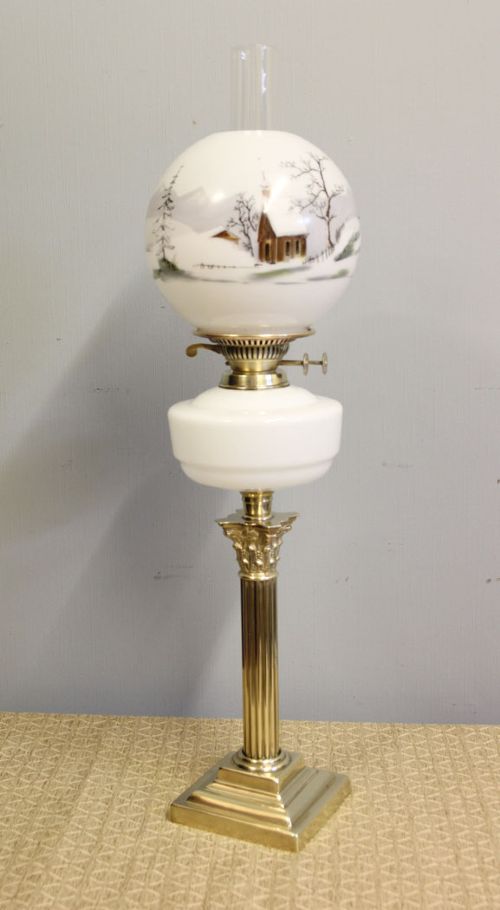
The selection ranges from Victorian oil lamps featuring opaline or cranberry glass fonts and shades to Art Deco frosted and mottled glass designs. Forms include Corinthian column oil lamps, figural lady lamps, and mushroom lamps, drawing upon styles such as French Belle Epoque, Edwardian, and Art Nouveau.
Pieces frequently incorporate brass, copper, marble, and gilt bronze alongside hand-blown, cut, or opalescent glass components. These items originate from British, French, Bohemian, and Italian workshops, reflecting diverse manufacturing centres of the nineteenth and early twentieth centuries.
How they were made
Construction relies on the combination of worked glass with structural metals such as brass, copper, and gilt bronze, often mounted upon heavy marble or ceramic bases for stability. Glass elements are hand-blown, cut, moulded, or cased, producing coloured effects in cranberry, amber, and opaline variants.
Metal components are cast, turned, or wrought, creating architectural columns, figural subjects, and burner mounts that secure glass shades and fonts. Assembly techniques involve threaded fittings, collars, and rivets to join delicate glass reservoirs and chimneys to durable metal bases.
Listings feature glass table lighting spanning from the 1850s Victorian era through to Art Deco pieces of the 1930s.
What varies in quality
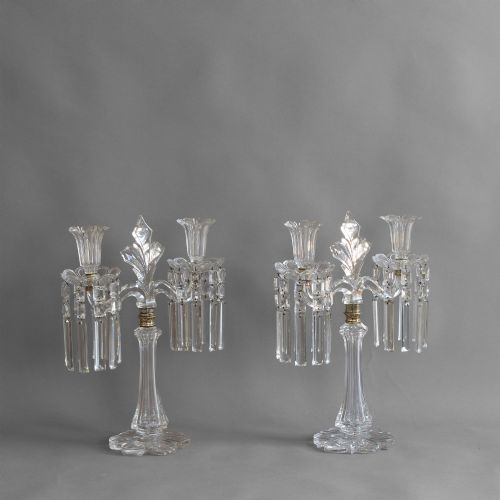
Quality rests in the weight, clarity, and execution of the glass and metalwork, distinguishing standard production items from exceptional studio pieces. Substantial cast brass bases, precise cutting on crystal, and finely blended opalescent or mottled glass indicate superior craftsmanship.
The integration of artistic details, such as hand-painted decoration on shades, complex figural castings, and marked components by notable makers, elevates a piece. Harmony between the glass shade, font, and supporting metal structure defines the visual success of the lamp.
Fratelli Toso·Charles Schneider·Lacroix Lalique·Gustave Serrurier Bovy
The Vintage Glass Table Lighting Glossary
- Opaline Glass
- An opaque or translucent glass, often pastel in colour, popular in Victorian and Art Deco lighting for diffusing light softly. It provides an even, milky glow across shades and fonts.
- Cranberry Glass
- A rich red glass produced by adding gold chloride to the molten batch, frequently seen in Victorian oil lamp shades. This distinct hue deepens when light passes through the material.
- Corinthian Column
- An architectural support style featuring ornate acanthus leaf capitals, frequently utilised in brass oil lamp bases during the nineteenth century. It lends a classical proportion to tall table lighting.
- Mottled Glass
- A variegated glass technique where patches of colour are fused into the body, characteristic of Art Deco lighting designs. It creates a cloudy, atmospheric texture when illuminated.
- Duplex Burner
- A double-wick mechanism developed in the nineteenth century to increase the luminosity of oil lamps. It requires wider fonts and galleries to support the dual flame arrangement.
Vintage Glass Table Lighting: Frequently Asked Questions
How do I date an oil lamp?
Dating relies upon burner patents, collar types, and stylistic indicators such as column orders or aesthetic movement motifs. Victorian examples often feature heavy brass or ceramic bodies with hand-painted glass fonts.
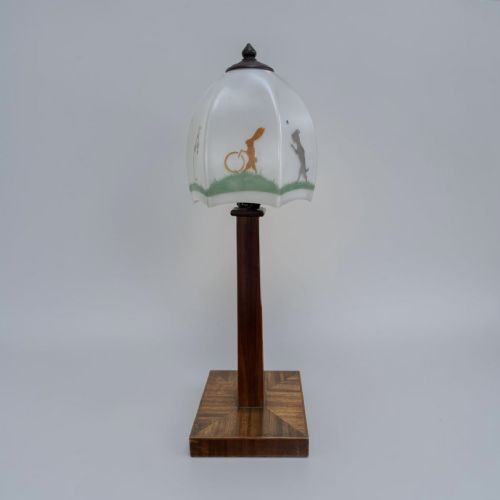
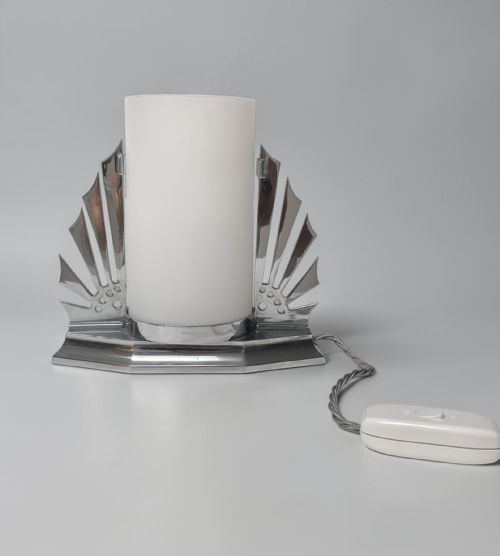
Later pieces from the 1920s and 1930s adopt geometric Art Deco forms, utilising moulded opaline or mottled glass paired with chromium or wrought iron bases.
Were these lamps electrified later?
Many surviving oil lamps and candle lamps undergo conversion to electricity to suit modern domestic use. This conversion typically preserves the original brass burners, fonts, and glass shades while integrating internal wiring.
Unconverted oil lamps retain their original wick mechanisms and brass collars, serving as decorative table pieces or requiring professional rewiring for functional lighting.
What is an opaline shade?
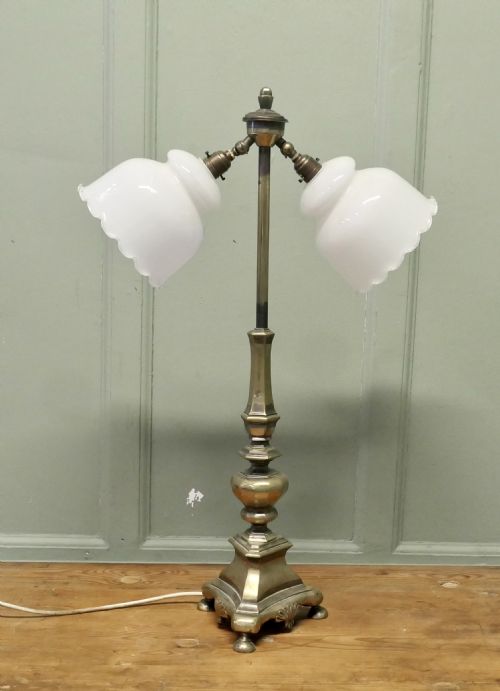
An opaline shade is made from translucent, milky glass designed to soften and diffuse the glare from a flame or bulb. These shades appear frequently on Victorian and Edwardian brass desk and table lamps.
They offer a smooth, even spread of light and come in shades ranging from pure white to soft pinks and blues.
How do I clean vintage glass shades?
Cleaning requires warm water and mild soap, avoiding harsh abrasives that might damage hand-painted motifs or delicate glass surfaces. Care must be taken with antique glass, particularly around painted winter scenes or floral details.
Metal components benefit from dusting with a soft cloth, keeping polishes away from vulnerable glass edges and historic patinas.