

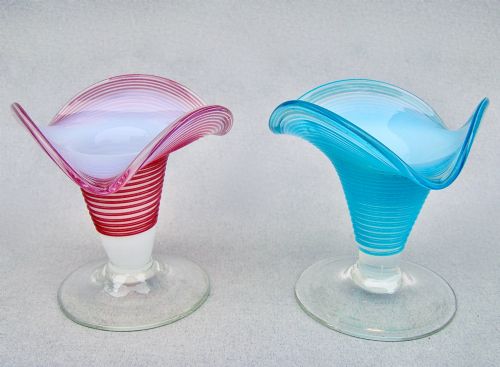



Antique Glass Candle Stands
These antique glass candle stands catch the light and hold a room's attention, bringing sparkle and a quiet weight to a mantelpiece or dining table.
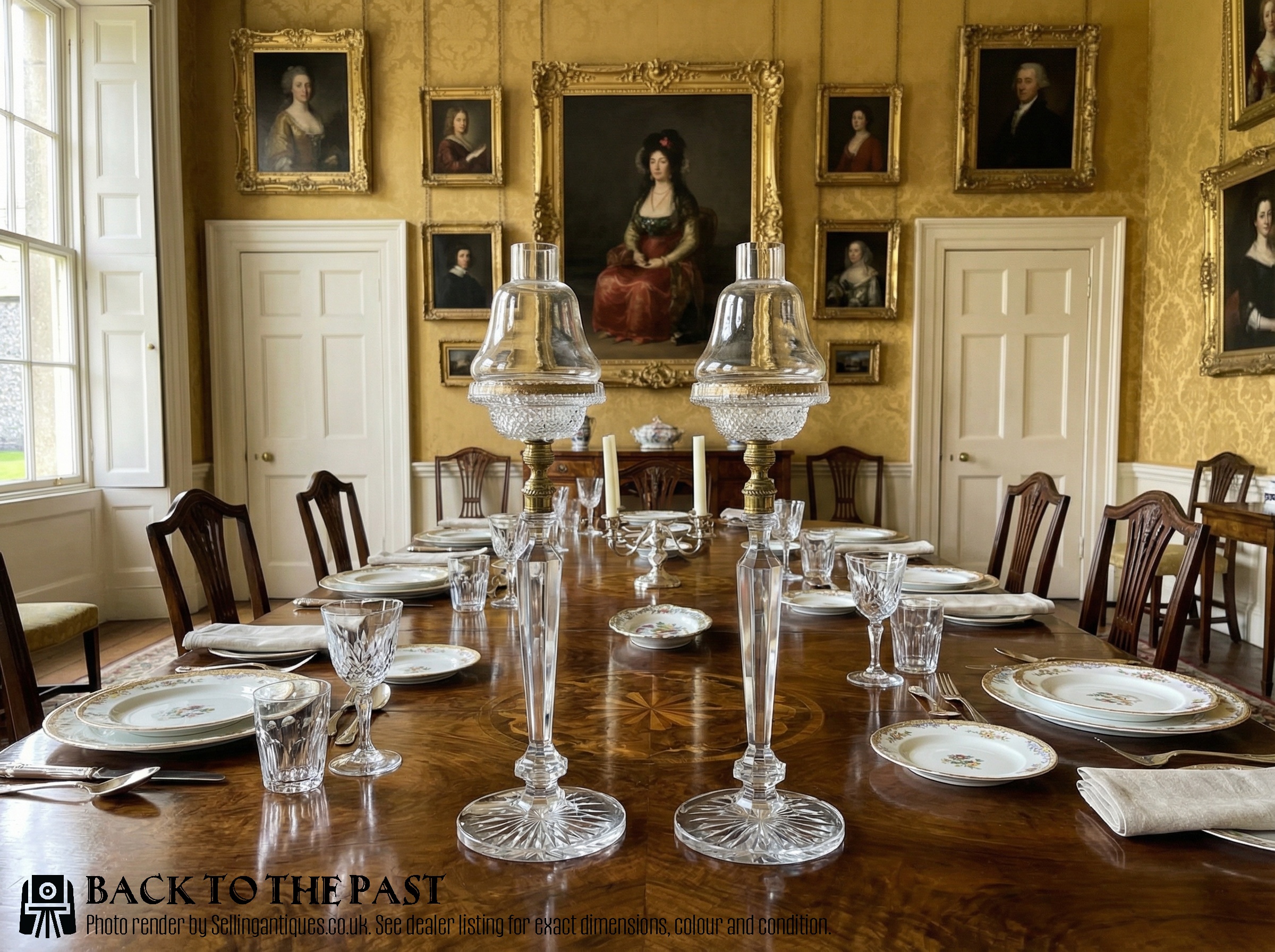
Antique Glass Candle Stands
When you search for antique glass candle stands, you are looking at items designed to support candles while celebrating the reflective properties of glass and crystal. The pieces available here span the Victorian era, the nineteenth century, and into the early decades of the twentieth century, including the Art Nouveau and Art Deco periods.
The forms on this page range from standard candlesticks and paired lustres to multi-branch candelabras and specialised night fairy light holders. You will frequently encounter matched pairs, alongside occasional larger table centerpieces and silver-plated column designs incorporating glass shafts.
How they were made
Makers utilised clear crystal glass, lead glass, and ruby glass, often combining the transparent material with brass, silver plate, or tin components. Cutting techniques created faceted surfaces designed to refract candlelight effectively across a room.
Many examples feature structural elements such as domed and folded feet or barley twist stems, while French and English workshops integrated metal mounts to support multi-branch configurations.
Antique Glass Candle Stands Retail Price Guide 2026
Typical asking prices for glass candle stands among the pieces listed under this phrase on Sellingantiques today, from the lower quarter to the upper quarter. They describe what is for sale here now, not the wider market.
Materials recorded across these items include cut glass, crystal, ruby glass, brass, silver plate, and tin.
What varies in quality
Quality rests upon the clarity of the glass, the precision of the cut facets, and the integrity of any mounted metalwork in brass, silver plate, or silver metal. Heavier lead glass and deeply cut crystal display superior light refraction compared to simpler pressed alternatives.
The presence of original drops on lustres and the harmony between glass components and metal fittings distinguish finer examples from standard production pieces.
The Antique Glass Candle Stands Glossary
- Lustre
- A glass candle stand hung with cut glass pendants, or drops, designed to sparkle when illuminated. These pendants catch and multiply the candlelight.
- Candelabra
- A branched candle holder designed to support multiple candles simultaneously. They often feature a central light with several branching arms.
- Ruby glass
- Deep red glass created by adding gold or copper oxide to the molten batch during manufacture. It was highly popular for nineteenth-century decorative tableware.
- Lead glass
- Glass containing lead oxide, which increases brilliance, weight, and workability for cutting. It forms the basis of much fine antique crystal.
Antique Glass Candle Stands: Frequently Asked Questions
How do I clean antique glass candle stands?
Wash them gently by hand using lukewarm water and a mild detergent, avoiding harsh abrasives that might scratch the surface. Dry them thoroughly with a soft cloth to maintain their clarity and brilliance.
Take particular care around metal mounts or silver-plated sections, keeping moisture away from joined areas where brass or tin meets the glass.
What is the difference between a candlestick and a candelabra?
A candlestick is a single-nozzle holder designed to support one candle at a time. They often feature columns or barley twist stems.
A candelabra incorporates multiple branches extending from a central shaft, allowing it to hold several candles at once for greater illumination.
Are these candle stands safe to use with real candles?
Most antique glass candle stands accommodate standard taper candles securely, provided the base and nozzle dimensions match. Ensure the candle sits straight before lighting.
Monitor the burning flame closely, especially with pieces featuring hanging glass drops or delicate ruby glass, to prevent excessive heat buildup.
How do I date antique glass candle stands?
Dating relies on stylistic clues such as the silhouette, the depth and pattern of the cut glass, and the manufacturing characteristics of any attached metal. Victorian pieces often show heavy crystal cutting or incorporate ruby red coloration.
Later items from the 1920s and 1930s frequently adopt Art Deco geometry or simpler barley twist forms reflecting changing interior tastes.