




Victorian Glass Candle Lamps
Victorian glass candle lamps are luminous table and mantel pieces designed to shield a naked flame while casting colour across a room.
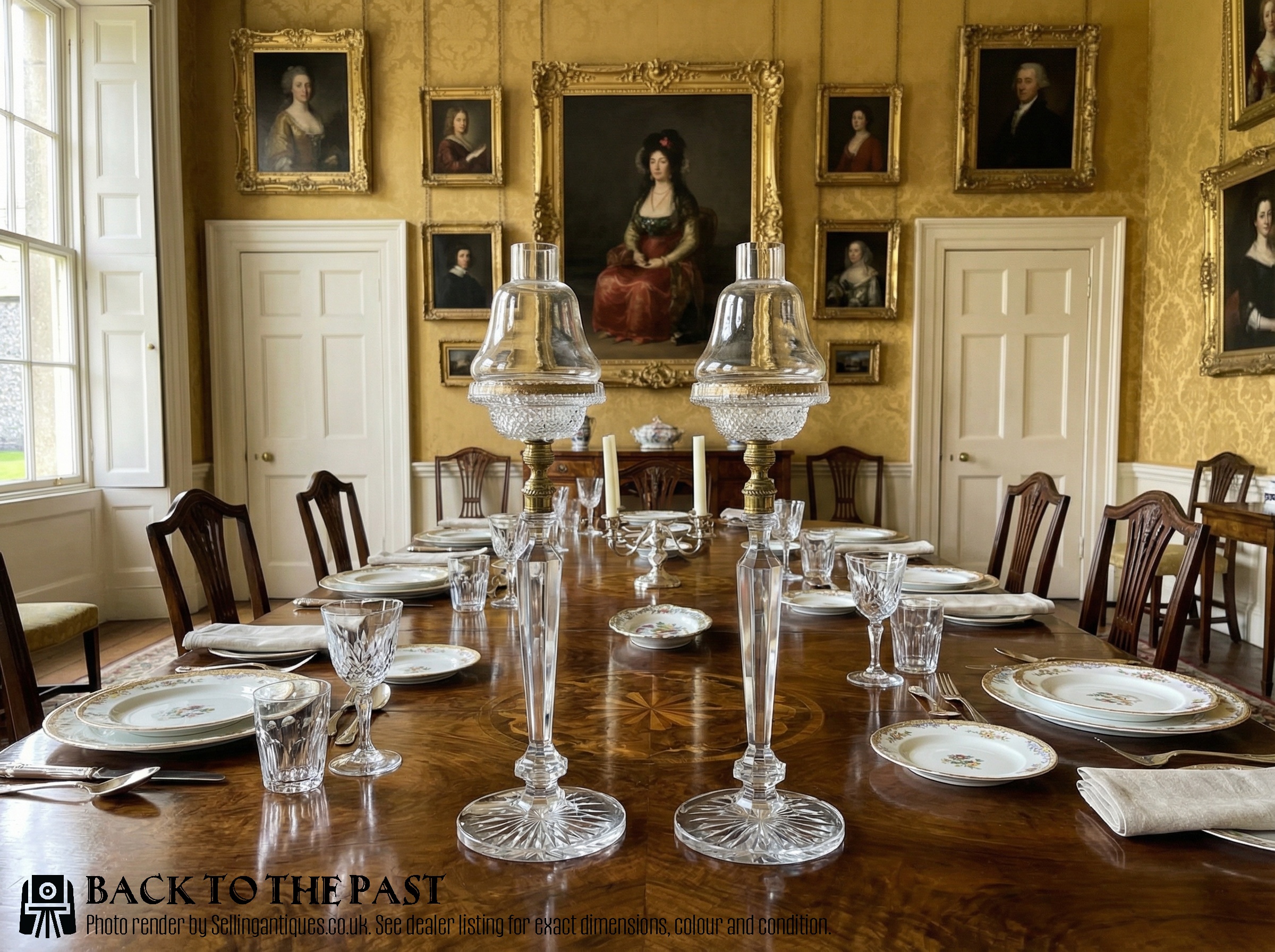
Victorian Glass Candle Lamps
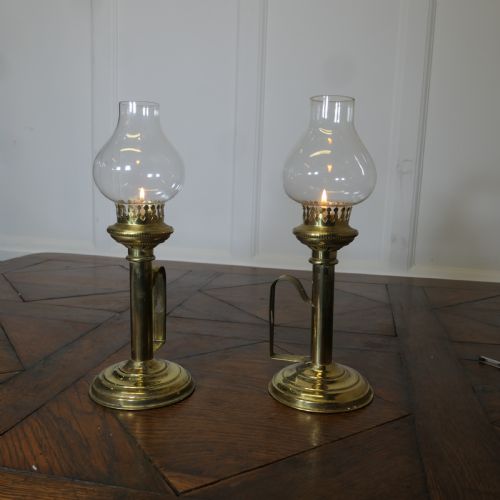
Victorian glass candle lamps combine a metal base with a protective glass shade or chimney to steady the flame and diffuse the light. These pieces range from simple brass and glass table examples to elaborate multi-branch candelabra.
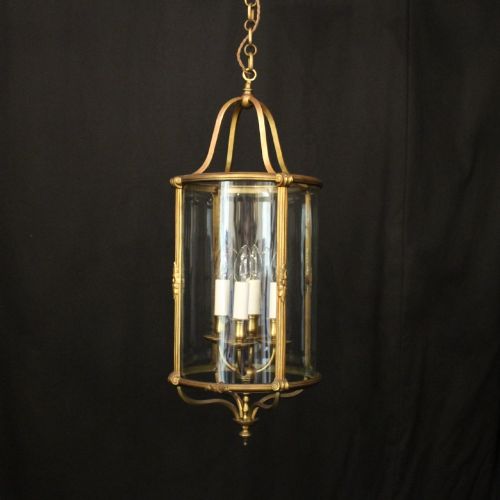
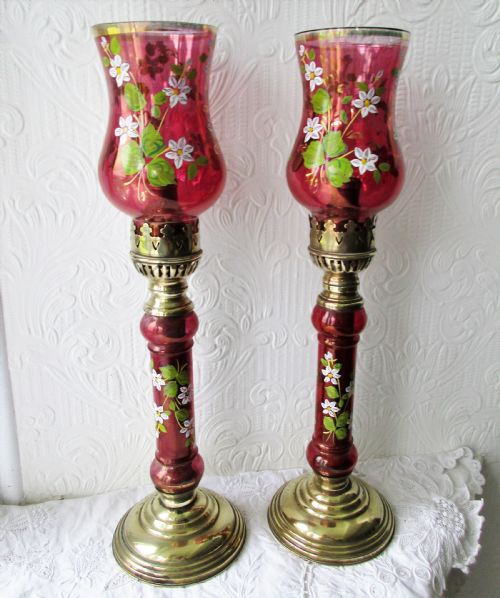
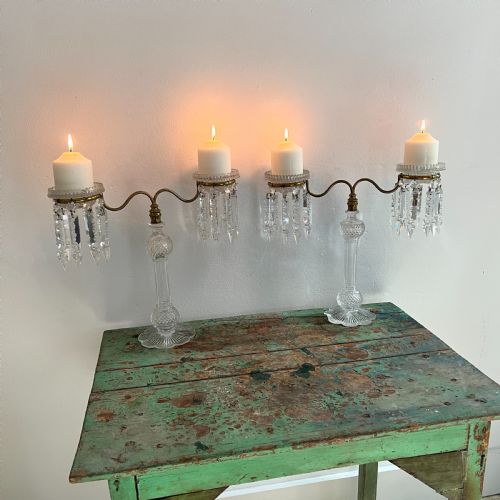
The versions most commonly met here belong to the nineteenth century, often featuring ruby glass or cranberry glass paired with brass, silver plate, or gilt bronze. They take the form of mantel lustres, hanging lanterns, and dedicated candle lamps with chimneys.
Makers such as Clarke's Patent dominate the specialised field of fitted glass candle lamps with their Cricklite designs. Other examples present French neoclassical influences or Georgian revival styles within the Victorian period.
How they were made
Makers formed these items using combinations of brass, silver plate, and gilt bronze for the structural mounts and bases. Hand-blown and cut glass provided the coloured shades, chimneys, and hanging lustres that caught the light.
Specialist glasshouses produced rich hues like ruby and cranberry through specific mineral additions to the molten batch. Metalwork components were cast, chased, and fitted to hold the glass elements securely in place around the candle socket.
Victorian Glass Candle Lamps Retail Price Guide 2026
Typical asking prices for victorian glass candle lamps among the pieces listed under this phrase on Sellingantiques today, from the lower quarter to the upper quarter. They describe what is for sale here now, not the wider market.
Some Victorian night lights doubled as nursery guardians, keeping the dark at bay with a steady ruby glow.
What varies in quality
Quality rests in the weight and crispness of the metal mounts alongside the depth of colour in the glass components. Finer pieces display sharp hand-cutting on crystal shades and substantial brass or gilt bronze casting.
Original matching sets with intact chimneys or matching sets of hanging lustres command greater attention from collectors. The presence of patent markings or maker stamps adds distinction to specific nineteenth-century designs.
Clarke's Patent
The Victorian Glass Candle Lamps Glossary
- Cricklite
- A patented glass candle lamp system designed by Clarke, featuring specialised glass shades and candlesticks to burn night lights safely. These pieces often bear specific patent stamps.
- Mantel lustre
- A decorative Victorian candle holder hung with cut glass prisms that refract the candlelight. They typically sit in pairs upon a fireplace mantelpiece.
- Storm shade
- A tall glass cylinder placed over a candle to protect the flame from drafts and sudden air movements. They appear on both brass candlesticks and specialised lamps.
- Gilt bronze
- Metalwork coated with a thin layer of gold, commonly used for decorative mounts on nineteenth-century French and English lighting. It offers a rich, durable surface finish.
Victorian Glass Candle Lamps: Frequently Asked Questions
What is a Victorian glass candle lamp?
A Victorian glass candle lamp is a lighting piece from the nineteenth century that utilises a glass shade, chimney, or globe to shelter a candle flame. They were designed to provide steady illumination while adding decorative colour to a room.
These items range from simple brass and glass table candlesticks to complex multi-branch candelabra with hanging crystal prisms. The glass elements often feature rich ruby or cranberry tones.
How did people use candle lamps?
People placed these lamps on dining tables, mantelpieces, and hallways to illuminate interiors before the widespread adoption of electric lighting. The glass chimneys protected the flame from draughts and helped project the light outward.
Specialised designs, such as night light lamps, provided a soft, continuous glow in bedrooms or corridors. The reflective qualities of the glass and polished metal enhanced the available light from a single candle.
How do I clean antique glass candle lamps?
Cleaning requires removing the glass shades or chimneys from their metal mounts and washing them gently in warm, soapy water. Avoid submerging weighted or plated metal bases to protect the original finish.
Patinated brass and silver plate benefit from careful dusting rather than aggressive polishing, which can remove age and character. Cotton swabs help clean hard-to-reach areas inside cut glass components.
How can I tell a Victorian candle lamp from a later reproduction?
Victorian pieces display period manufacturing traits such as hand-blown glass irregularities, heavy brass casting, and genuine age wear on the metal surfaces. Patents and maker names, such as Clarke's Cricklite, often appear stamped into the metal components.
Later reproductions frequently lack the weight, depth of colour in the glass, and honest patination found on nineteenth-century examples. Examining the construction of the fitter rims and collar mounts helps confirm period origin.