

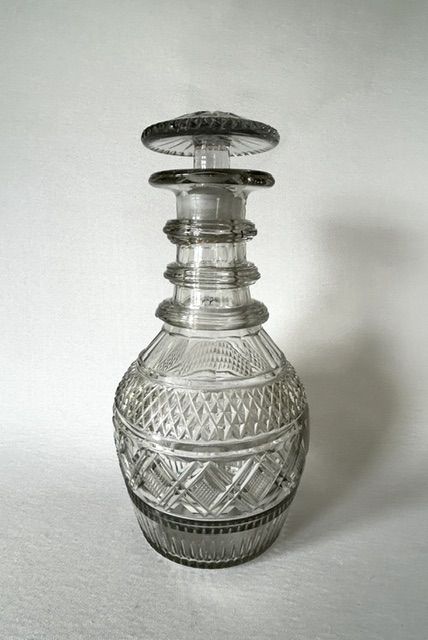
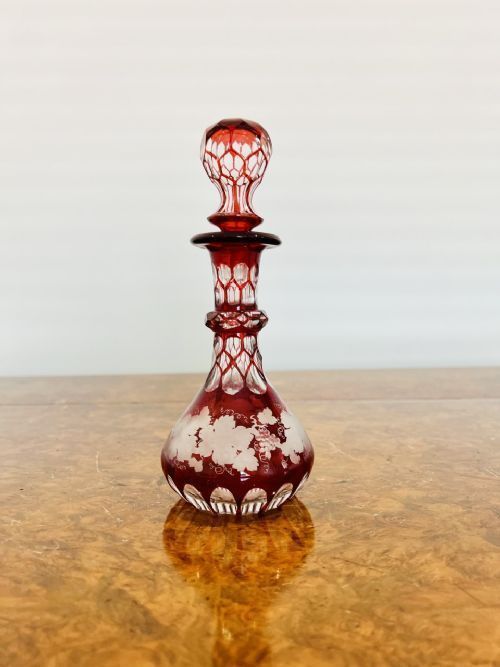
Vintage Glass Stopper
These vintage glass stopper examples seal vintage decanters, scent bottles, and chemist jars with period craftsmanship.
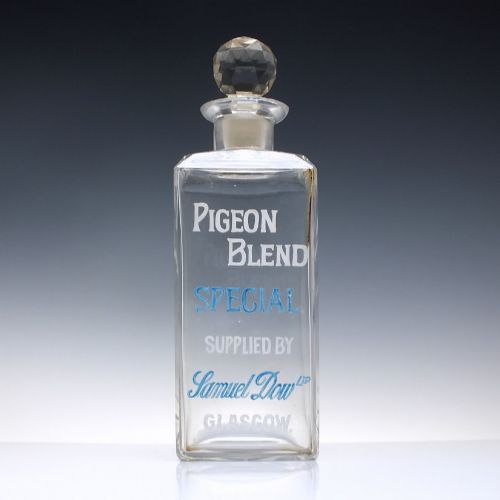
Vintage Glass Stopper
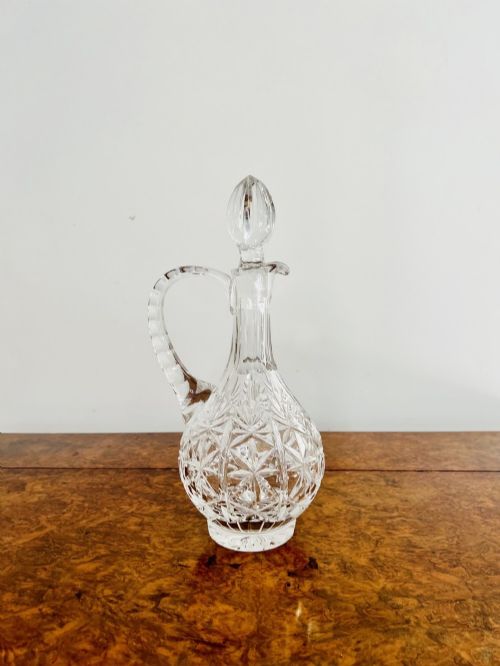
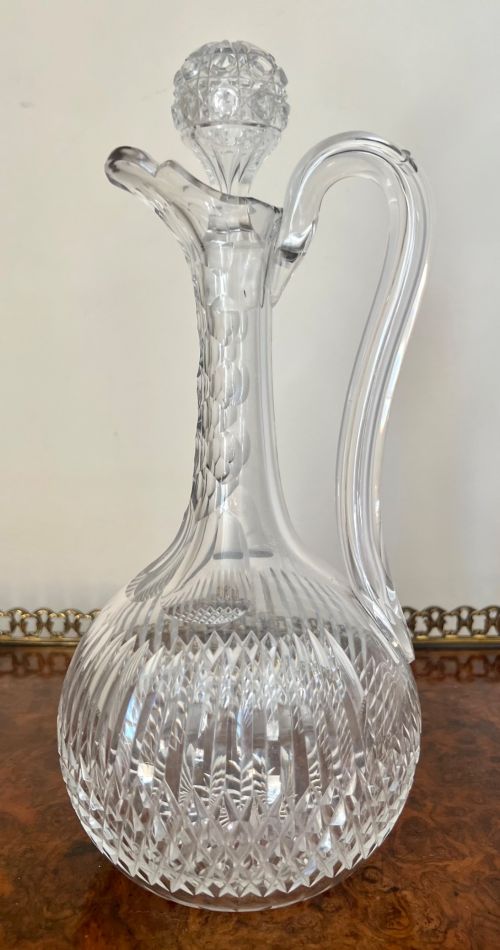
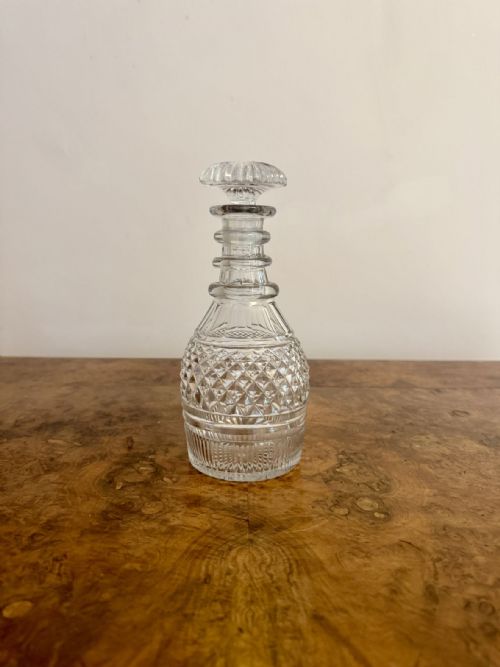
When searching for vintage glass stopper options, buyers encounter functional closures belonging to decanters, perfume bottles, and apothecary jars. These components originate from Victorian, Edwardian, and Art Deco periods, spanning the nineteenth and early twentieth centuries. Most items appearing on this page stem from this broad era of traditional glassware production.
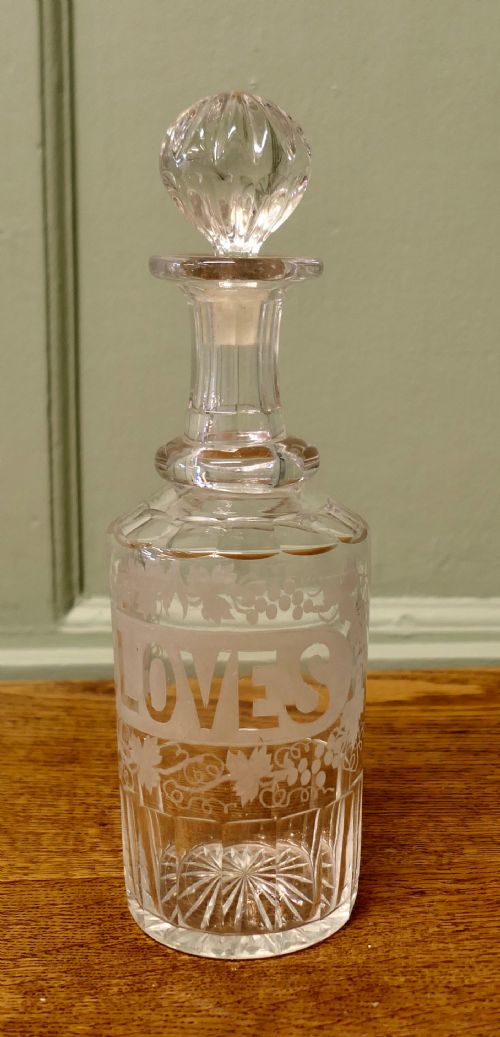
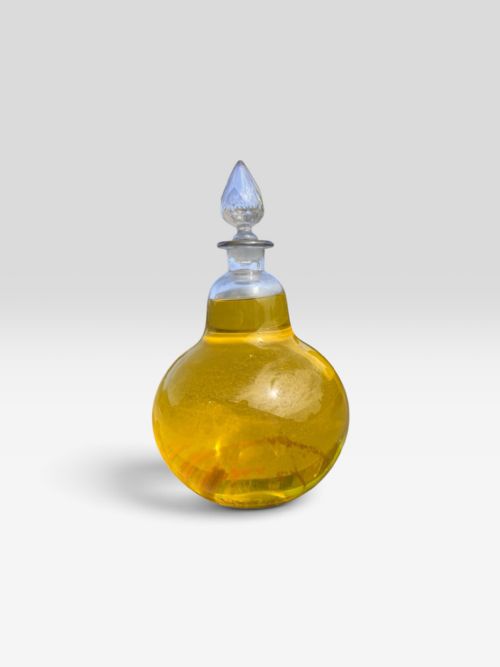
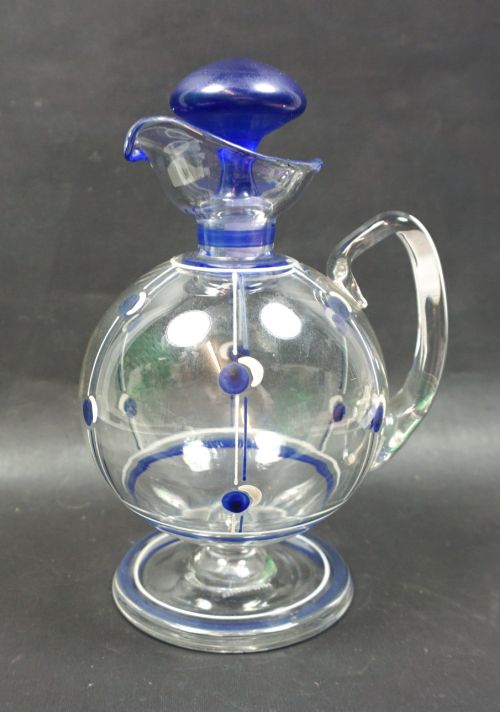
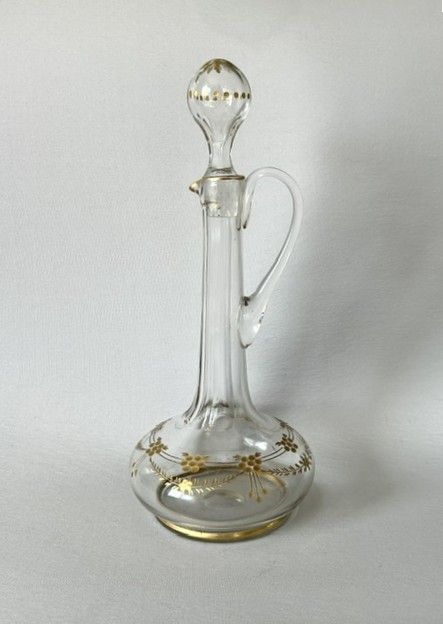
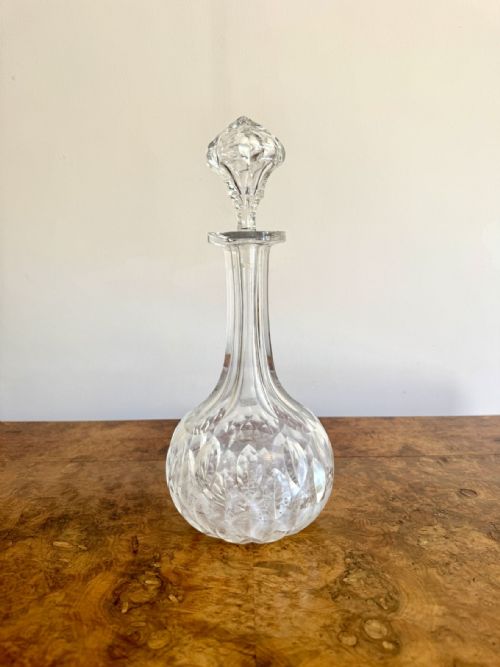
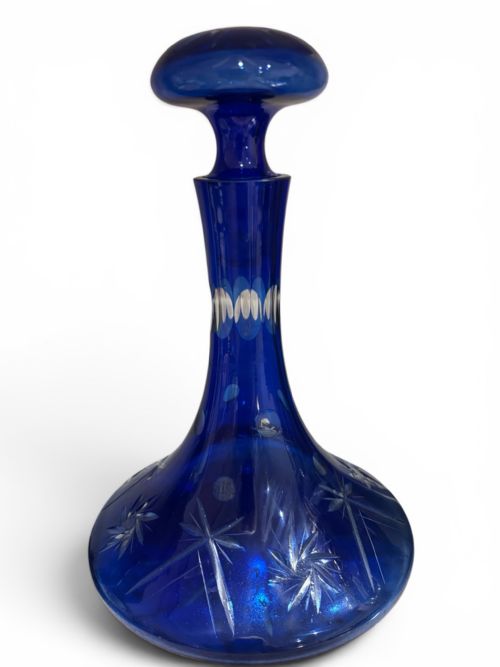
The objects take various forms, from simple pharmacy stoppers to ornate faceted finials on spirit decanters and wine jugs. Materials range from clear glass and lead crystal to coloured variants such as Bristol blue and ruby glass. Items frequently accompany vessels meant for spirits, wine, or apothecary contents.
Materials and construction methods
The pieces rely on traditional glassmaking methods including hand blowing and moulding. Makers utilised clear glass, lead crystal, and coloured glass pastes, often applying cut glass techniques to create faceted surfaces and geometric patterns. Etched motifs and enamel decoration appear across numerous examples from nineteenth and twentieth-century workshops.
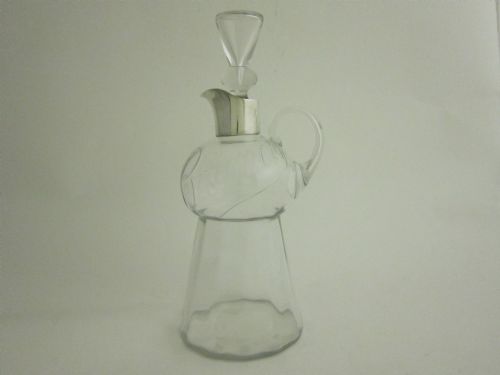
Many stoppers and their host vessels incorporate secondary materials like sterling silver collars, silverplate mounts, and gilded accents. These metal additions work alongside the glass elements to secure contents and ornament the items.
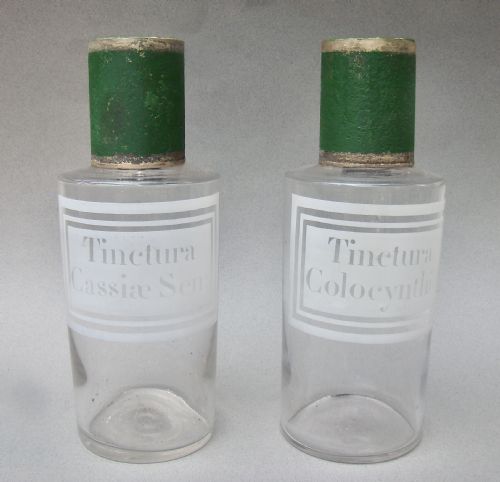
Object types recorded across the inventory include wine jugs, apothecary bottles, scent flasks, and spirit decanters with matching closures.
Distinctions in quality and execution
Quality separates through the precision of the glass cutting and the clarity of the material used. Fine examples display sharp, clean facets and well-balanced proportions that fit the neck of the bottle securely without wobble.
The presence of supplementary artistic work, such as detailed hand-applied enamel decoration, precise etching, or matching silver mounts, elevates the standard of an individual piece above basic utility items.
Karl Palda·Stevens and Williams
The Vintage Glass Stopper Glossary
- Lead crystal
- A type of glass containing lead oxide, which increases the weight, brilliance, and clarity of the finished object.
- Apothecary jar
- A container formerly used by chemists to store medicines or herbs. These often feature large, distinctive stoppers.
- Latticinio
- A glassmaking technique involving opaque white or coloured glass threads embedded within clear glass. It creates delicate linear patterns inside the material.
Vintage Glass Stopper: Frequently Asked Questions
What fits a vintage glass stopper?
These stoppers fit period decanters, spirit bottles, perfume bottles, and chemist jars originating from the Victorian, Edwardian, and Art Deco eras.
Matching a loose stopper requires measuring the ground glass portion of the peg to ensure it fits the neck opening of the vessel correctly.
How are cut glass stoppers made?
Makers shaped the glass through hand blowing or moulding before using abrasive wheels to cut facets and decorative patterns into the surface.
Detailing like etching or enamel painting was often added subsequently before final polishing.
How do I identify a Victorian stopper?
Victorian examples often feature heavy lead crystal, deep hand-cut facets, or characteristic colours such as Bristol blue and ruby glass.
Companions to these pieces typically include etched decanters, pharmacy carboys, and spirit bottles from the nineteenth century.
What materials accompany glass stoppers?
Many items feature secondary materials like sterling silver collars, silverplate mounts, and gilt decoration applied to the glass.
These metal components were common on Edwardian scent bottles, perfume decanters, and claret jugs.