




Port Wine Decanter
These port wine decanter pieces range from Georgian crystal bottles to sterling silver labels, offering the proper vessels for serving old port.
Port Wine Decanter
When you search for a port wine decanter, you encounter a mix of glass bottles, silver labels, and funnels originating from the Georgian, Regency, and Victorian periods. The glass vessels themselves span forms like the ship's decanter, Prussian style bottles with multiple neck rings, and half-bottle sizes designed to hold fortified wine securely.
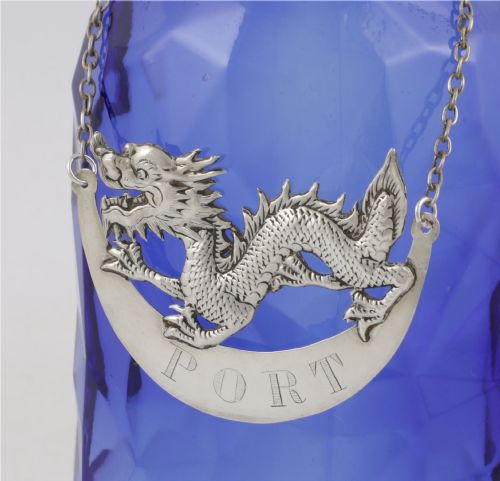
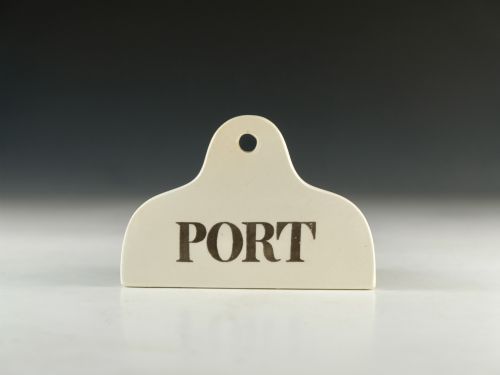
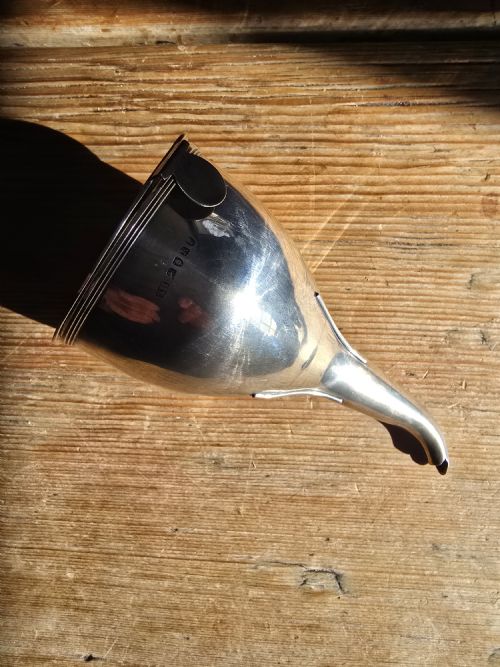
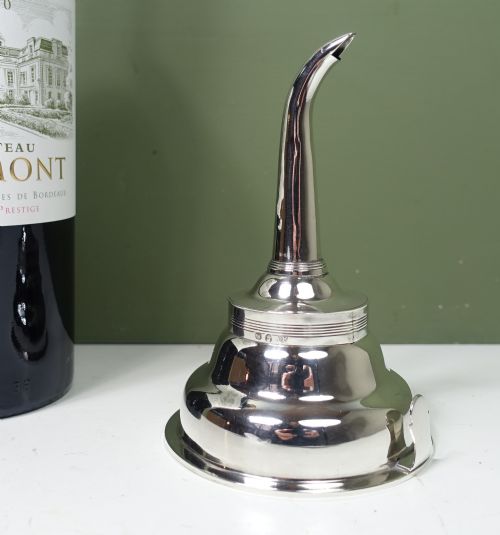
Alongside the bottles, the selections include delicate creamware and glazed earthenware, often accompanied by sterling silver wine funnels and hanging labels inscribed with the word port. These pieces reflect the traditional rituals of dining rooms from the eighteenth century through the twentieth century.
Materials and construction
The glassware relies on lead crystal and cut glass, shaped by hand-blowing techniques that produce heavy, light-catching walls and fitted stoppers. Many glass bodies feature distinct cut rings around the neck, a practical addition for a firm grip during pouring.
Metal components utilise sterling silver and silver gilt, fashioned into funnel bowls and pierced strainers or stamped into decorative bottle tags. Makers employed chasing, engraving, and hallmarks to finish these silver elements.
Distinctions in quality
Quality rests on the depth and crispness of the glass cutting, the clarity of the metal crystal, and the proportional balance of the vessel. Superior glass decanters retain their original matching stoppers and show minimal surface wear.
In silver labels and funnels, the distinction lies in the sharpness of the maker's mark, the intricacy of vine leaf or figural piercing, and the weight of the silver sheet used to form the piece.
Lowe & Sone of Chester·Solomon Hougham·Phipps & Robinson·Charles Rawlings·Hester Bateman
The Port Wine Decanter Glossary
- Ship's decanter
- A glass wine bottle with a broad, flat base and a tapered body designed to prevent tipping on board a vessel. This form remained popular in domestic dining rooms for its stability.
- Wine funnel
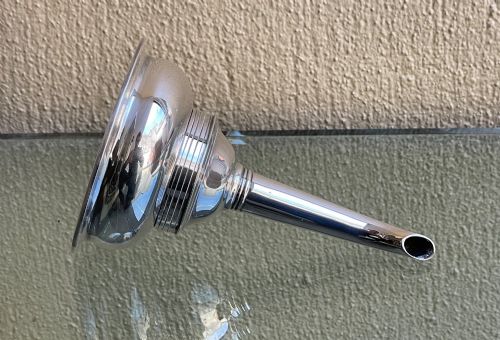
- A metal utensil featuring a bowl and a perforated or spouted stem used to decant wine while filtering out sediment. Many include a removable strainer insert.
- Decanter label
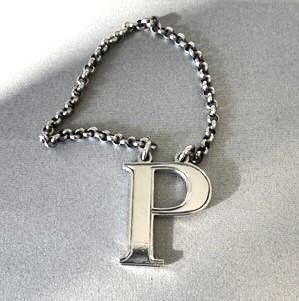
- A small metal tag hung from the neck of a bottle by a chain to identify the contents. They appear in shapes such as vine leaves, crescents, and rectangles.
- Prussian decanter
- A bottle style characterised by a tapering cylindrical neck with three or more raised glass rings. This form emerged during the Georgian period.
- Lead crystal
- Glass containing lead oxide, which increases the weight, refractive index, and clarity of the material. It allows for deep, sharp wheel-cut decoration.
Port Wine Decanter: Frequently Asked Questions
How do I use a ship's decanter?
The broad base provides exceptional stability, making it practical for modern dining tables just as it was at sea. Pour your port slowly into the wide body to let the wine breathe.
Ensure the original stopper is seated firmly after pouring to keep the vintage fresh. Handle the heavy lead crystal with care against hard surfaces.
What is a silver wine funnel for?
A wine funnel guides port from the bottle into the decanter while the internal mesh strains out sediment and cork fragments. Georgian examples were standard equipment for serious cellars.
Rest the funnel in the neck of the decanter and pour steadily. Clean the silver mesh gently after use to preserve the pierced metalwork.
How do I date an antique decanter label?
Examine the piece for silver hallmarks, which often include a town mark, a date letter, and a maker's mark. These stamps reveal the exact year and assay office of manufacture.
Style also offers clues, as early Georgian labels often feature simple crescent shapes while Victorian versions adopt elaborate vine leaf motifs.
Are glass stoppers interchangeable?
Stoppers were individually ground to fit a specific decanter neck during production, meaning they rarely interchange securely between bottles. A mismatched stopper will often rock or leave a gap.
Look for matching number marks cut into both the base of the stopper and the inside of the decanter neck where applicable.