




Vintage Glass Side Lamp
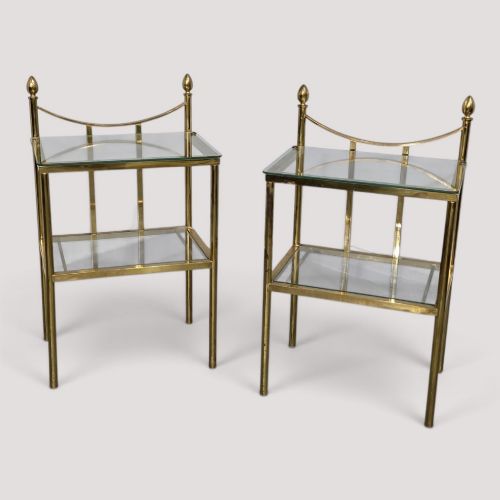
These vintage glass side lamps and related tables bring period illumination and reflective surface detail to an interior.

Vintage Glass Side Lamp
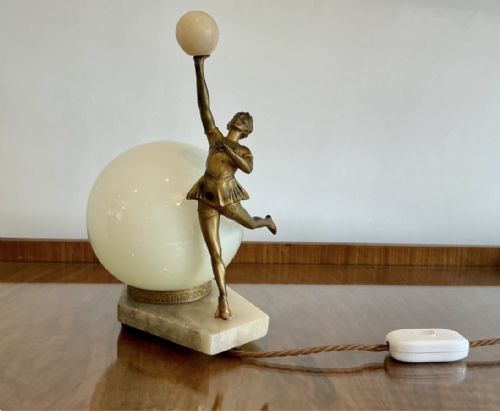
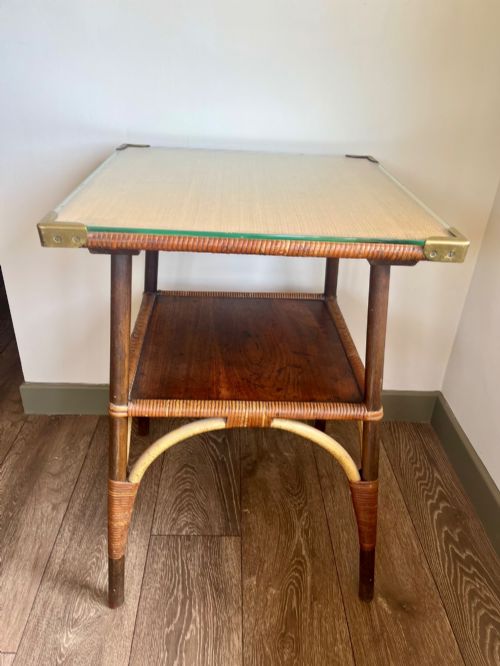
A vintage glass side lamp brings together illumination and glass elements, spanning periods from the late nineteenth century through to the mid twentieth century. Buyers encounter forms ranging from simple table lamps to figural designs and paired lights suited for placement on surfaces alongside seating. The selection includes styles such as Art Deco, Art Nouveau, and Edwardian pieces, alongside occasional and side tables.
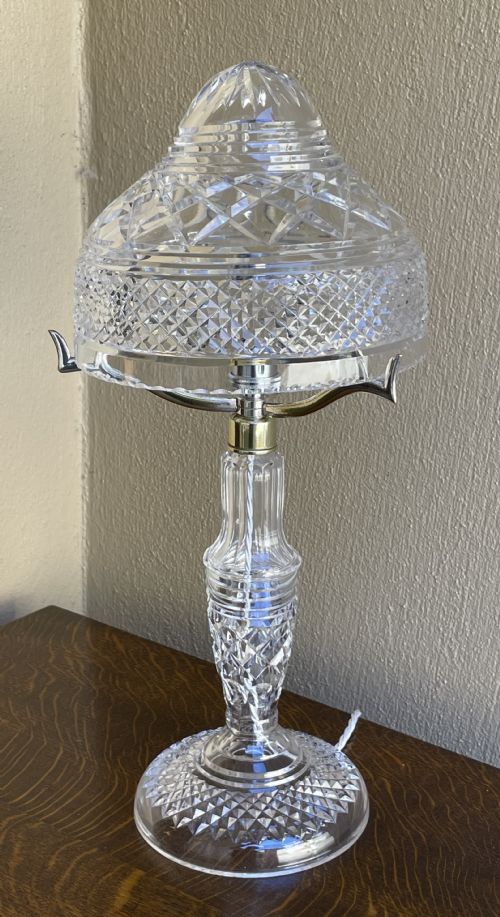
Art Deco examples dominate the selection, featuring glass shades paired with chrome, brass, wrought iron, or enamelled elements. French pieces appear frequently, often showcasing notable glass shades or figural bases. Simpler crystal mushroom lamps and early twentieth century cut glass designs sit alongside more elaborate figural lamps depicting ladies, seagulls, or cherubs.
Judging quality
Quality rests in the harmony between the glass shade and the supporting metal or figural base, particularly in Art Deco and French examples. Pieces bearing specific attribution to known makers or incorporating complex moulded glass demonstrate superior design execution.
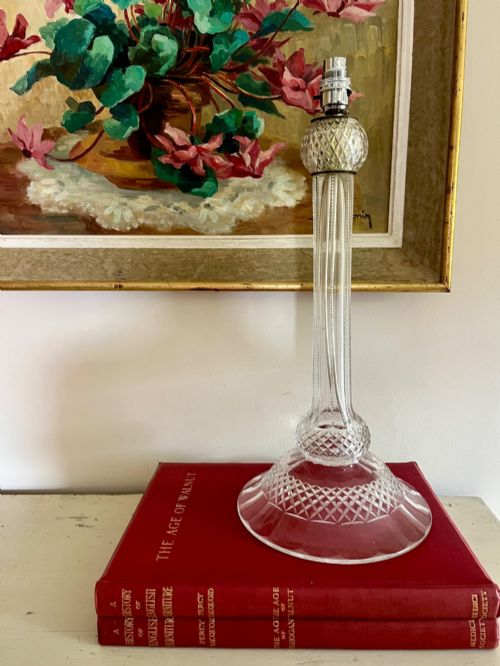
The clarity and cut of crystal elements, the weight of the metal components such as bronze or chrome, and the integrity of specialised glass shades distinguish the finest pieces in the range.
The listings feature glass side lamps spanning the Regency period, the nineteenth century, and early twentieth century movements including Art Deco and Art Nouveau.
Charles Schneider·Daum·Muller Bros·Baccarat·Karl Palda·Peter Ghyczy·Dryad Leicester·Lloyd loom
The Vintage Glass Side Lamp Glossary
- Art Deco
- A design style prevalent in the nineteen-twenties and nineteen-thirties characterised by geometric shapes, streamlined forms, and stylised ornamentation. It appears frequently across the glass shades and metal bases of these lamps.
- Frosted glass
- Glass treated to create a translucent surface that diffuses light softly. It is seen on nineteenth century and Art Deco figural lamp shades.
- Cut crystal
- Glass cut with facets that refract light intensely. This material forms the body of mushroom lamps and early twentieth century table lights.
- Mottled glass
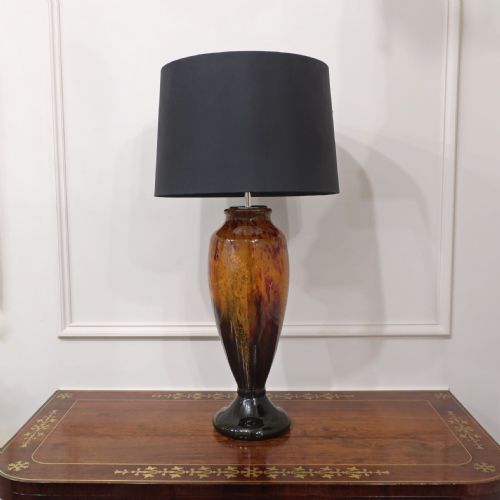
- Glass displaying a patchy or marbled coloration. This finish appears on period table lamps styled after notable designers.
Vintage Glass Side Lamp: Frequently Asked Questions
How do I identify an Art Deco glass lamp?
Art Deco glass lamps typically feature geometric lines, stylised figural elements, and chrome or wrought iron supports dating from the nineteen-twenties and nineteen-thirties. The glass shades often display mottled colours or modernist moulding.
These pieces reflect the machine age aesthetic and frequently incorporate materials like nickel and brass alongside the central glass component.
What is a mushroom lamp?
A mushroom lamp is a table lamp with a curved, rounded glass shade resembling the cap of a mushroom. They often utilise cut crystal or twin bulb configurations.
These designs provide diffused downward illumination and date predominantly to the early decades of the twentieth century.
Are French glass lamps different from English ones?
French glass lamps from this period frequently showcase artistic shade production from specialised glassworks. They often pair wrought iron or nickel bases with distinctive frosted or coloured glass.
English and other European counterparts tend towards alternative metal pairings such as brass and bronze, alongside different figural motifs.
How do I style a side lamp with a matching table?
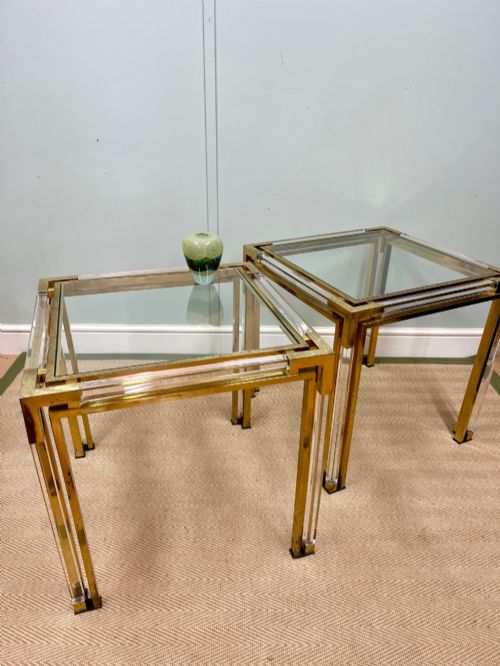
Side lamps and lamp tables from periods like the nineteen-thirties can be placed together to coordinate surfaces and lighting in a room. Brass and glass tables complement lamps utilising similar metal frames.
Combining these elements maintains period consistency across occasional tables and lighting fixtures.