
French Accent Table Light
A french accent table light brings period character and focused illumination to a room, combining decorative metalwork with glass or porcelain.

French Accent Table Light
When searching for a french accent table light, a buyer encounters a diverse selection of lighting fixtures alongside occasional small tables from the nineteenth and early twentieth centuries. The pieces span periods from the mid-nineteenth century through the Art Deco era of the 1920s and 1930s.
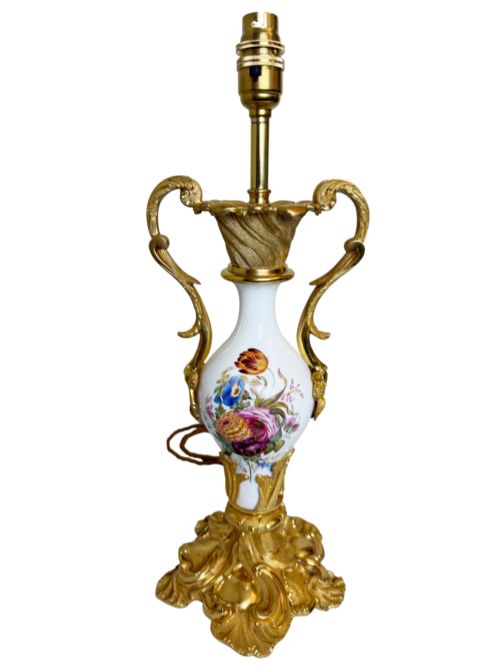
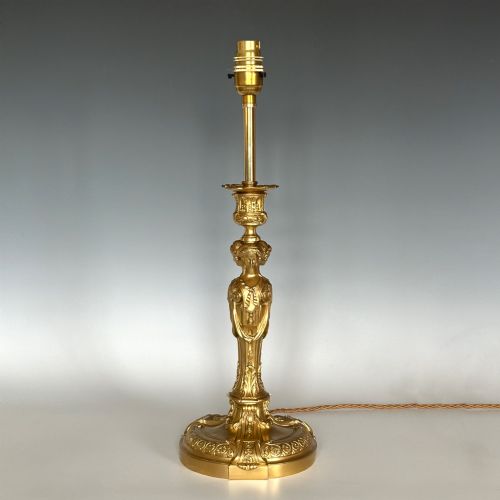
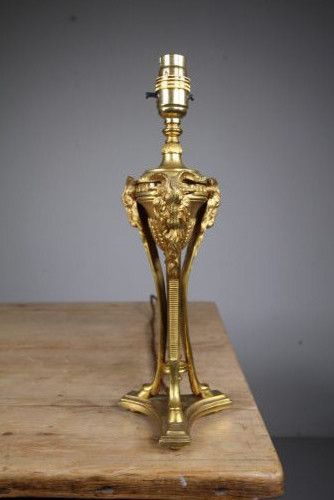
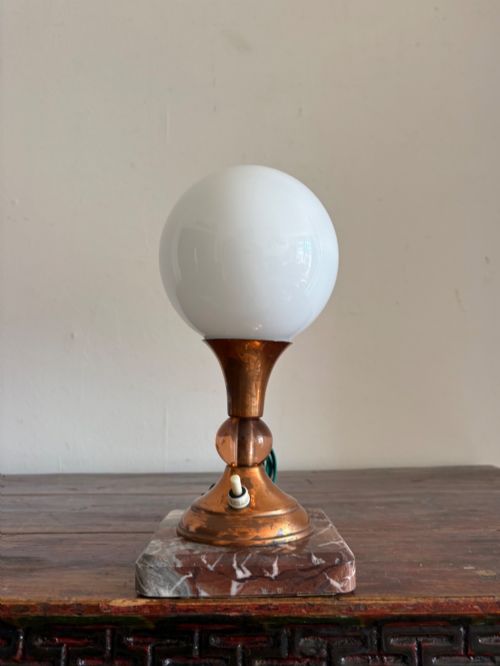
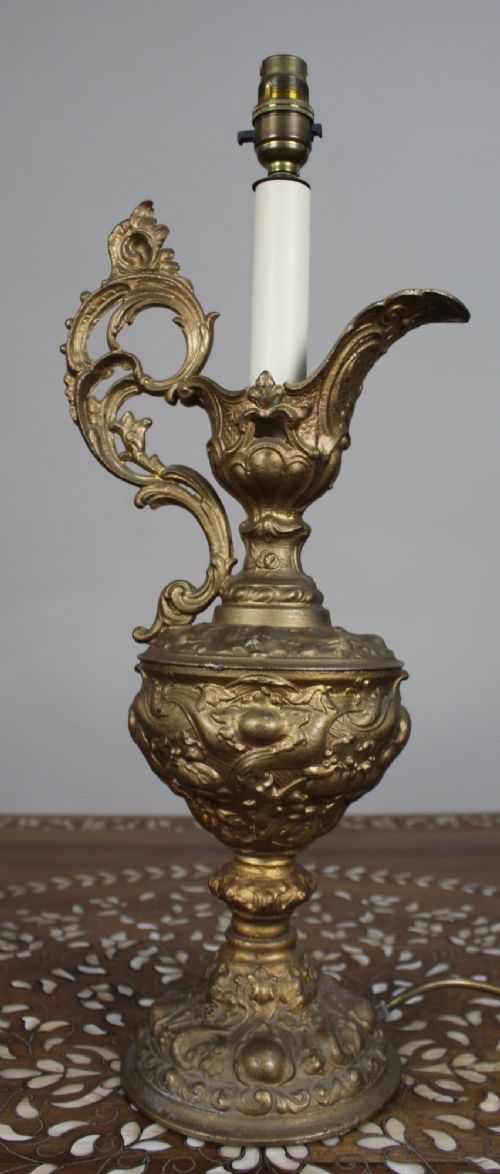
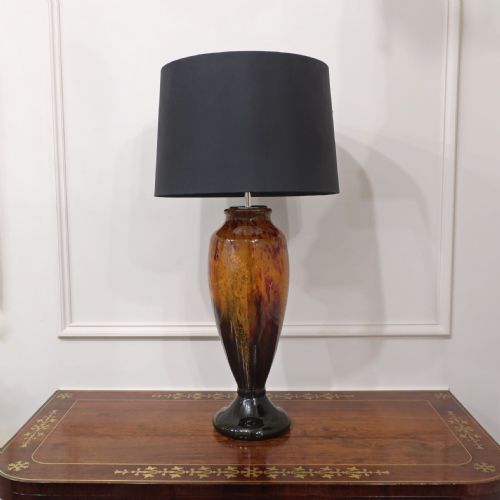
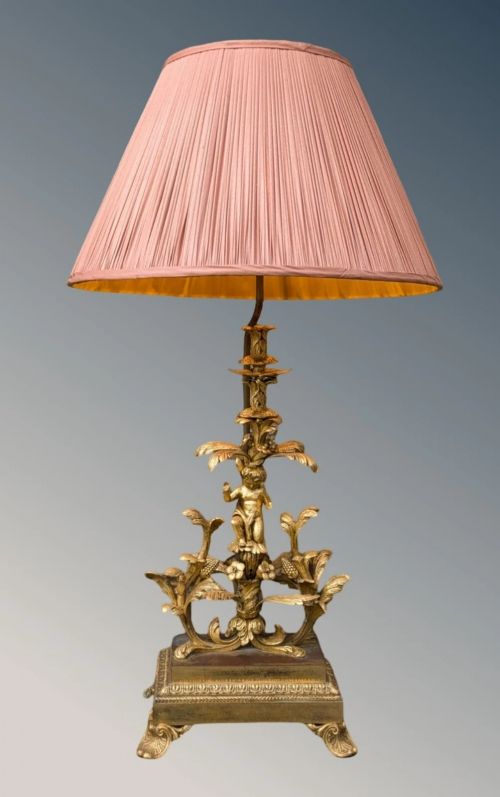
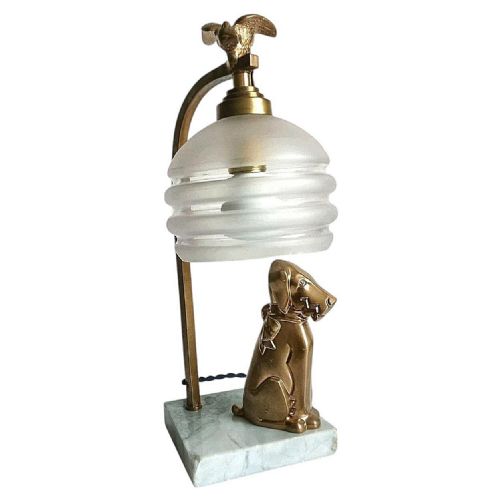
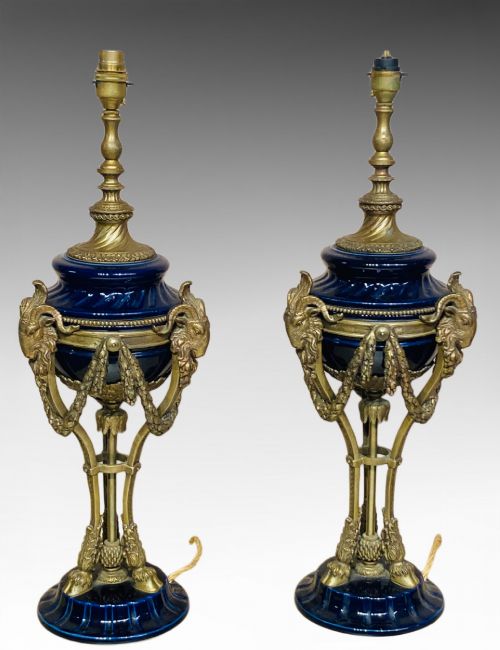
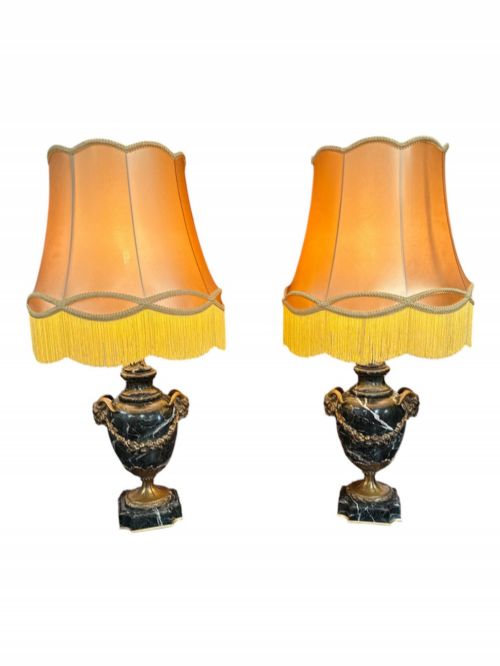
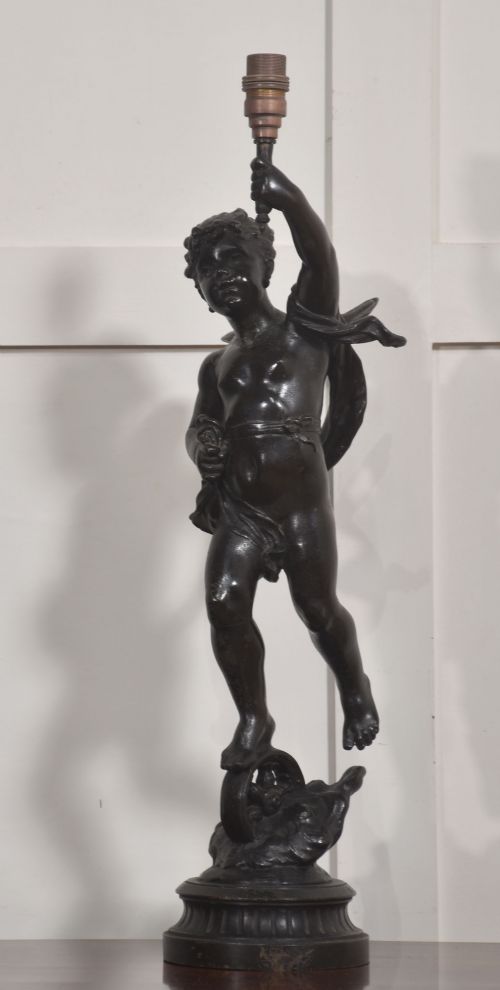
Table lamps dominate the selection, appearing in various stylistic iterations including Rococo Revival, Art Nouveau, and French Neoclassical. These lighting pieces frequently incorporate sculptural elements such as cherubs, animals, or classical urn motifs.
Occasional coffee, side, and centre tables also emerge within this category, representing the broader nineteenth-century and provincial furniture tradition. These smaller tables utilise materials like oak and faux bamboo to provide functional surface space.
Materials and construction techniques
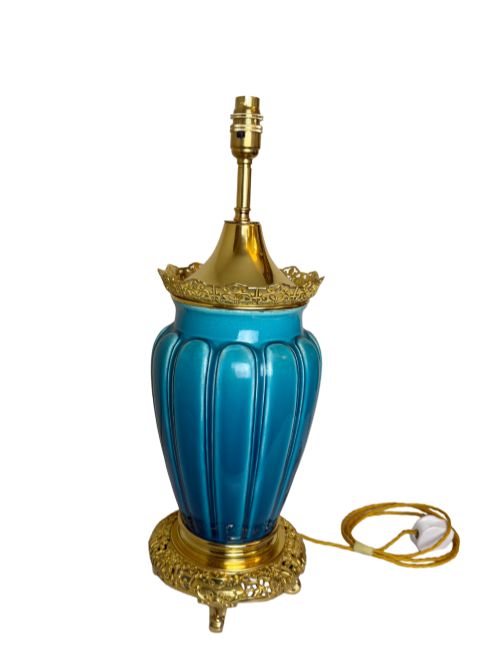
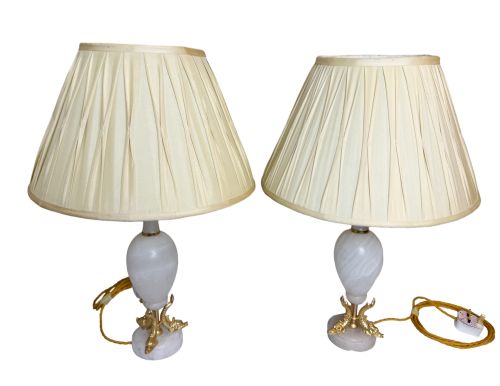
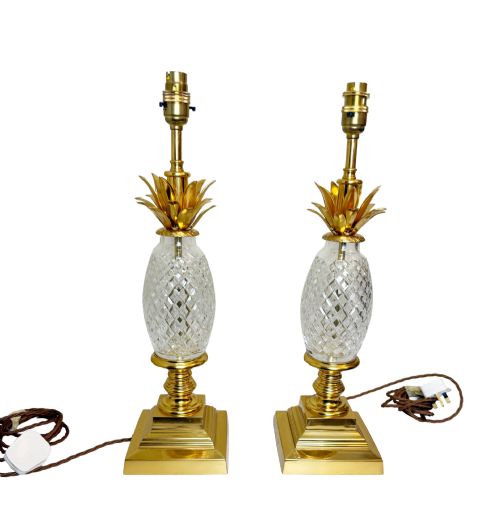
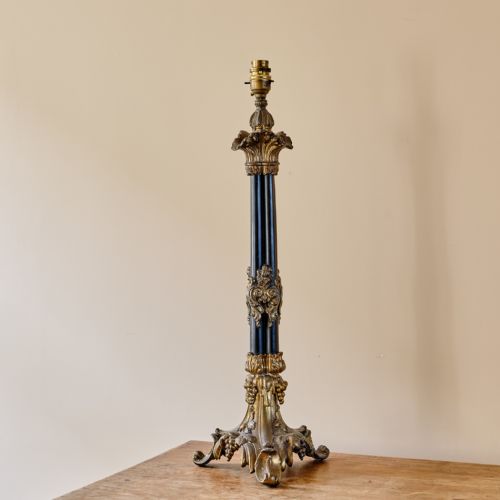
The construction of these lamps relies heavily on cast metals such as gilt bronze, ormolu, brass, and spelter, often paired with bases of marble or onyx. Artisans shaped these metallic components to form intricate mounts, floral designs, and structural supports.
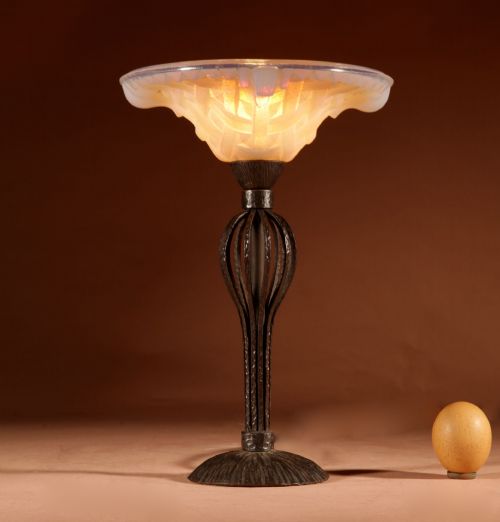
Shades and body components incorporate specialised glass techniques, including opaline, frosted, mottled, and enamelled glass produced by notable glasshouses. Porcelain elements also appear, providing contrasting colour and smooth glazed surfaces alongside the metalwork.
Listings feature items spanning the nineteenth century through the 1930s, utilising brass, marble, and frosted glass.
Distinctions in craftsmanship
The standard of ciselure and finishing on the gilt bronze and ormolu mounts determines the upper tier of the range, separating finely chased metalwork from simpler cast examples. Crisp detailing in floral and figural motifs indicates superior workmanship.
The quality of the glass components, particularly signed shades from established interwar glassmakers, elevates the integrity of a piece. Substantial stone bases of solid marble or onyx further distinguish more substantial examples from lighter alternatives.
Charles Schneider·Muller Bros·Daum·Degue
The French Accent Table Light Glossary
- Ormolu
- Gilded bronze, where a mercury-gilding technique was historically applied to a bronze base. This finish produces a rich, deep golden tone characteristic of fine nineteenth-century lighting.
- Spelter
- A zinc alloy frequently utilised as a less expensive alternative to bronze during the nineteenth and early twentieth centuries. It accepts patination well to simulate heavier metals.
- Opaline glass
- An opaque or translucent glass that transmits a soft, diffused light, popular in decorative lighting of the nineteenth century. It often displays pale pastel shades.
- Baccarat
- A renowned French crystal manufacturer known for producing high-clarity glass elements and figurines. Their output is frequently integrated into luxury table lighting.
- Chasing
- The manual refinement of cast metal surfaces using small punches and hammers. This technique sharpens details on bronze and brass mounts after casting.
French Accent Table Light: Frequently Asked Questions
What periods do these lights come from?
The available lighting spans from the mid-nineteenth century through the Art Deco period of the 1920s and 1930s. Earlier examples often reflect Rococo or Neoclassical revivals.
Later pieces embrace the clean lines and geometric forms typical of Art Deco design and interwar glass production.
What materials were used for the bases?
Bases frequently incorporate natural stone materials like heavy marble and onyx to provide structural stability. Metals such as gilt bronze, brass, and patinated bronze are also common.
Some examples pair these stone and metal foundations with ceramic bodies or porcelain sections.
Are small tables included in this category?
Yes, occasional side tables, coffee tables, and centre tables appear alongside the lighting fixtures. These furniture pieces date back to the mid-nineteenth and early twentieth centuries.
They utilise materials like oak and faux bamboo to complement the decorative arts selection.