
Vintage Glass Paraffin Lamp
A vintage glass paraffin lamp brings working period illumination to a room, combining tactile heavy reservoirs with decorative shades.
Vintage Glass Paraffin Lamp
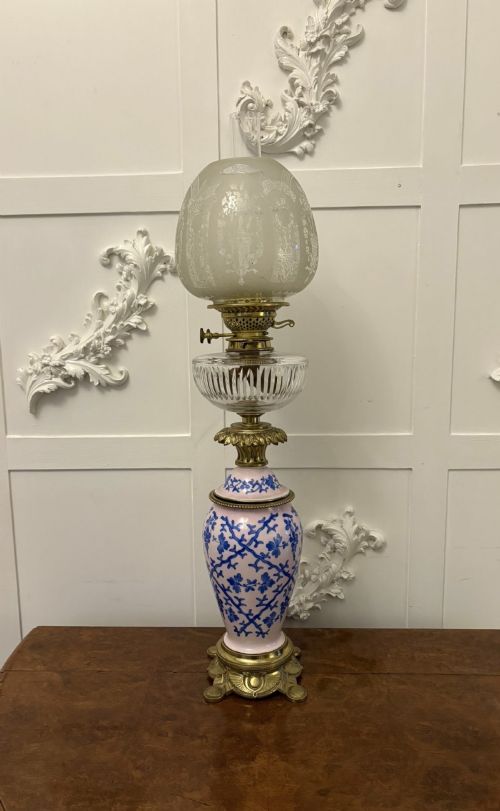
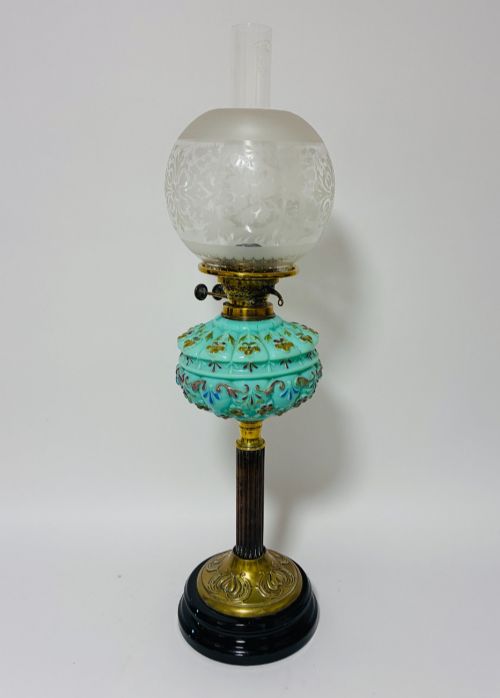
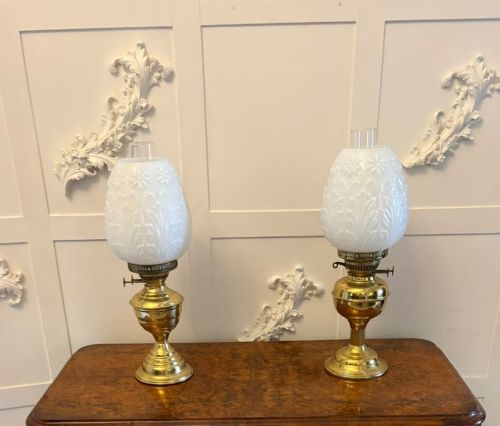
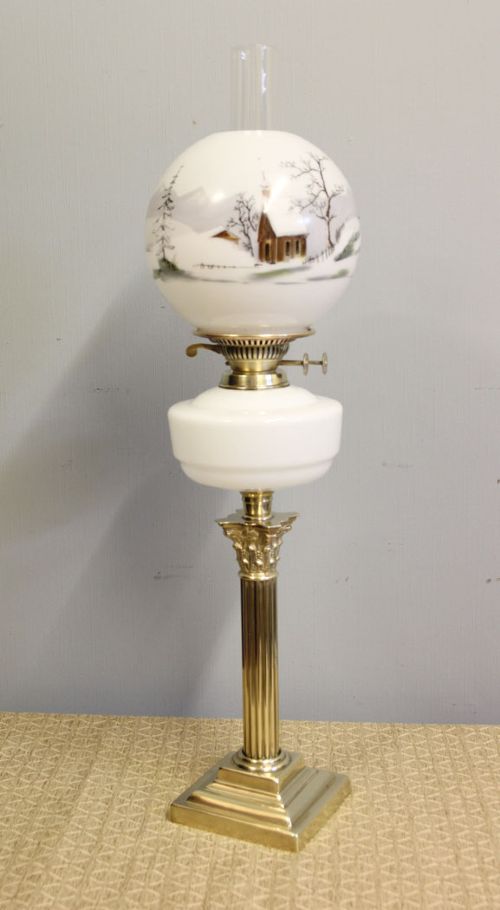
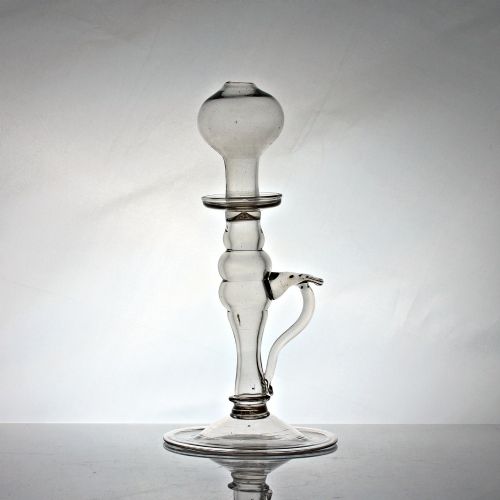
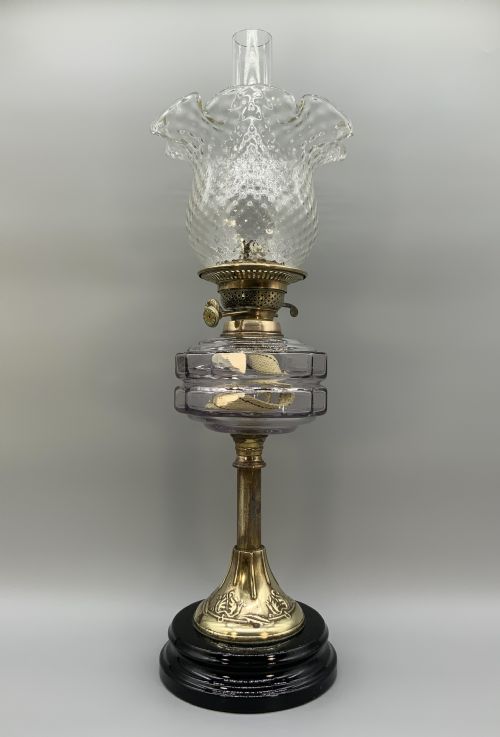
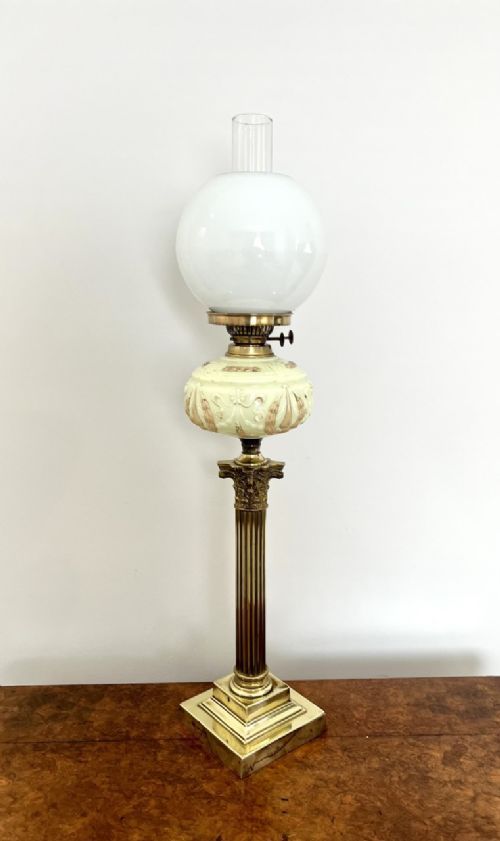
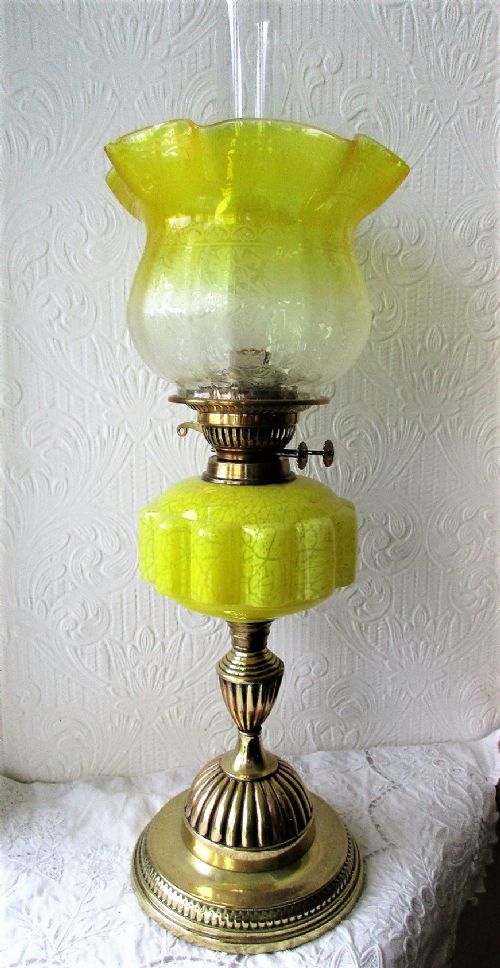
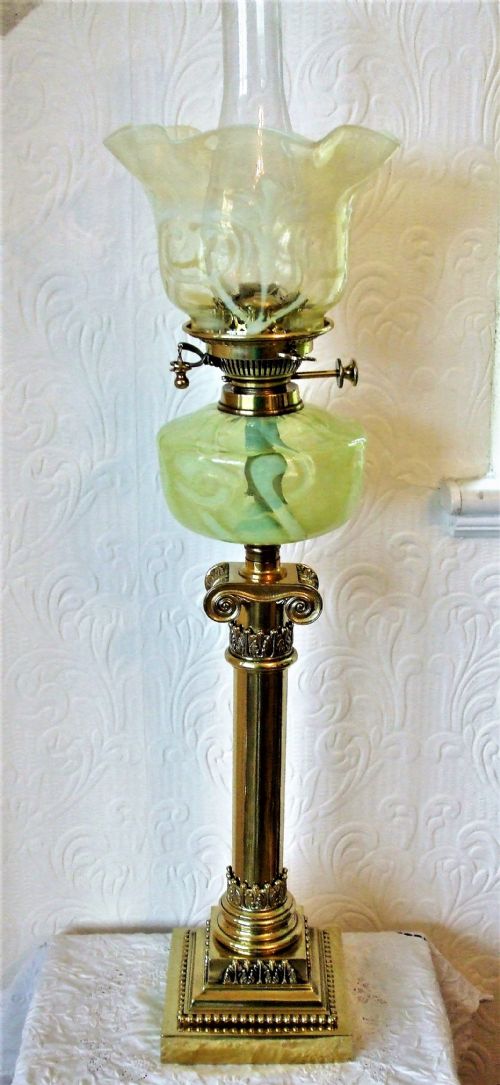
A vintage glass paraffin lamp is a functional lighting antique from the eighteenth century to the early twentieth century, spanning Georgian, Victorian and Edwardian periods. Most examples encountered here pair a glass or ceramic reservoir with a brass column and a matching glass shade.
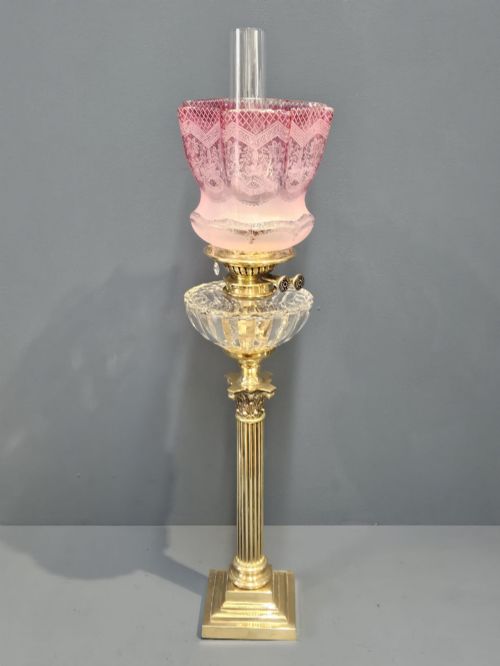
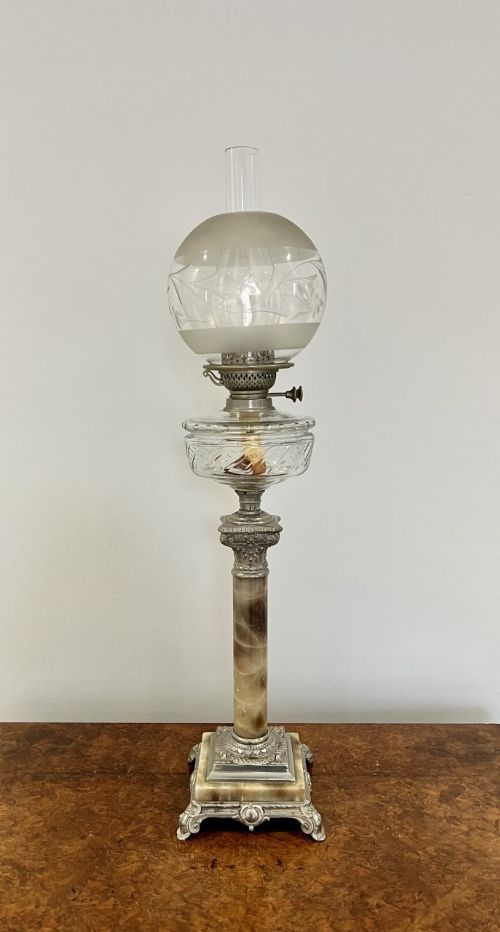
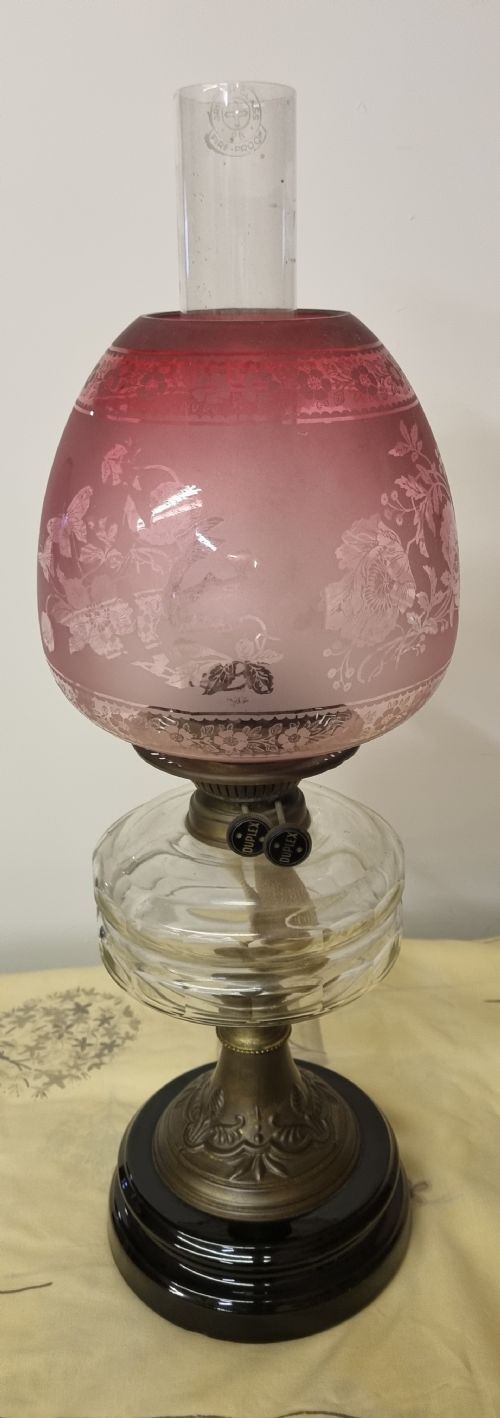
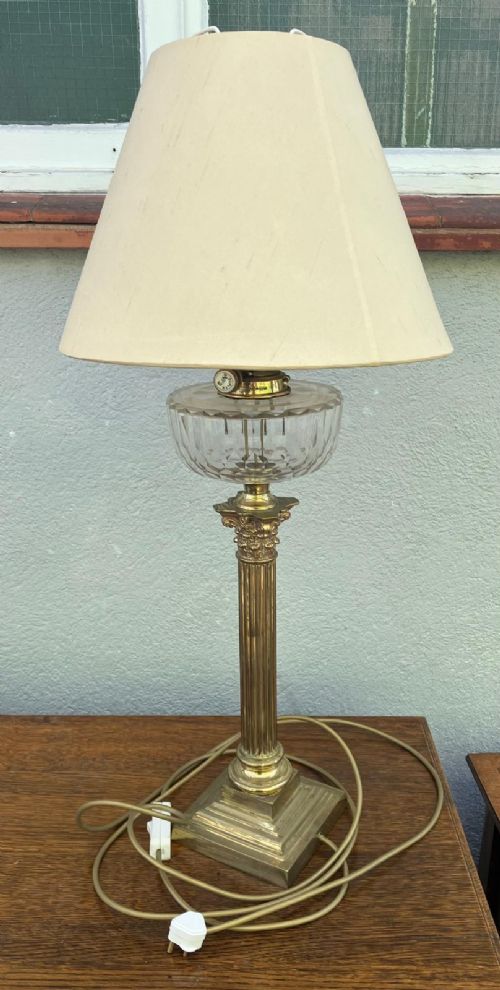
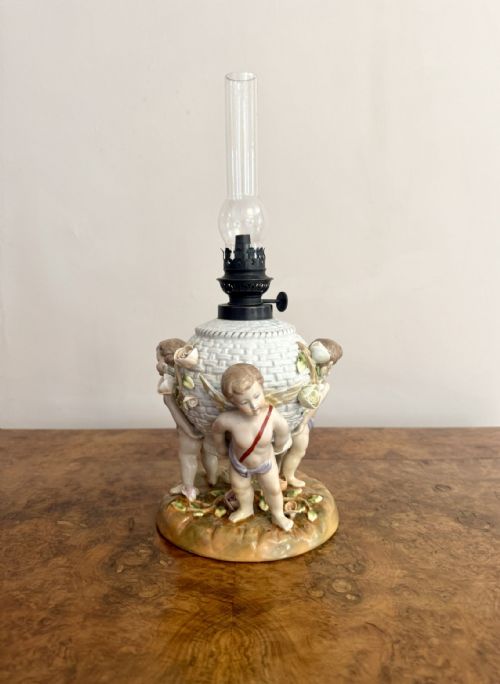
The selections range from tall table models with Corinthian columns to hanging ceiling lights and twin-burning duplex burners. Reservoirs appear in clear glass, opaline glass, cranberry glass and painted porcelain alongside brass and copper frames.
How they were made
Makers combined cast brass, hand-blown glass and painted porcelain, uniting heavy metal bases with delicate tinted fonts. Burners typically utilised standard mechanisms like the duplex system to manage twin wicks effectively.
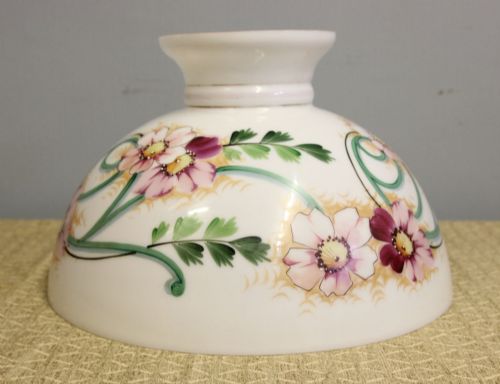
Shades were formed from opaline, cranberry or etched glass, frequently decorated with hand-painted botanical motifs or winter scenes. Metal columns often adopted neoclassical architectural orders such as Corinthian or Ionic designs.
Vintage Glass Paraffin Lamp Retail Price Guide 2026
Typical asking prices for vintage glass paraffin lamp among the pieces listed under this phrase on Sellingantiques today, from the lower quarter to the upper quarter. They describe what is for sale here now, not the wider market.
Some nineteenth-century models doubled as miniature domestic heaters, proving that Victorian practicality could look thoroughly ornamental.
What varies in quality
Quality rests on the integrity of the materials and the ambition of the design, distinguishing standard domestic lighting from grand exhibition pieces. Heavy brass castings, substantial column capitals and crisply detailed figural bases mark superior manufacture.
The artistry of the glass determines distinction, seen in deeply cut patterns, hand-painted decoration on fonts, and matching hand-blown shades. Integrated maker signatures on the burners, such as Hinks, elevate the standing of an individual piece.
Hinks·Gustave Serrurier Bovy·Sitzendorf
The Vintage Glass Paraffin Lamp Glossary
- Duplex burner
- A double-wick mechanism that produces a brighter flame than single-wick designs. It typically employs two parallel flat wicks controlled by dual thumbwheels.
- Font
- The oil reservoir of the lamp, commonly fashioned from coloured glass, clear glass or porcelain. It sits atop a column or base and feeds paraffin to the burner.
- Opaline glass
- An opaque, milky white glass popular during the Victorian and Edwardian eras. It diffuses light softly and is frequently painted with floral motifs.
- Corinthian column
- An architectural column style featuring an ornate capital decorated with acanthus leaves. Makers utilised this classical form extensively for Victorian and Edwardian lamp standards.
- Cranberry glass
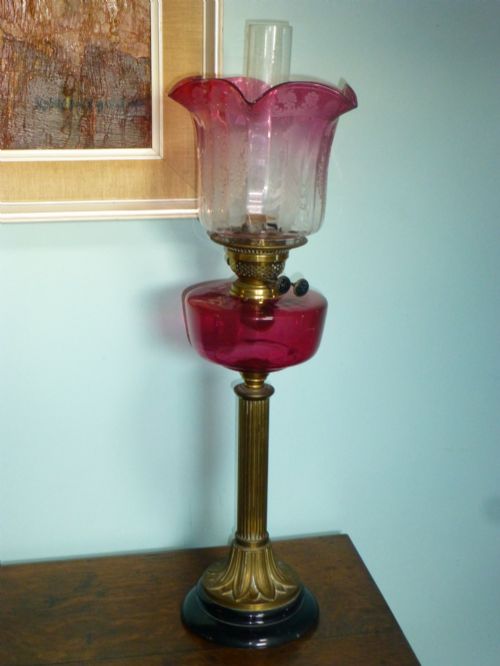
- A rich pinkish-red glass created by adding gold chloride to the molten batch. It appears frequently in nineteenth-century lamp shades and fonts.
Vintage Glass Paraffin Lamp: Frequently Asked Questions
How do I date a vintage glass paraffin lamp?
Dating relies on stylistic clues, materials and mechanical patents evident in the construction. Victorian examples often incorporate classical brass columns, while Edwardian pieces introduce softer art nouveau lines and opaline shades.
Burner mechanisms and maker stamps provide further chronological markers. Pieces spanning the eighteenth to early twentieth centuries reflect the shifting domestic tastes of their respective periods.
What fuels do these lamps burn?
These lamps were designed to burn paraffin or kerosene for domestic illumination. Modern collectors typically display them as decorative objects rather than active light sources.
If restoration is undertaken for functional use, modern lamp oil is preferred over traditional paraffin to reduce odours and soot. Wicks must match the specific width of the burner gallery.
How do I clean a glass and brass lamp?
Glass components benefit from warm water and mild soap to remove dust without damaging painted details or gilt decoration. Brass surfaces require gentle cleaning with appropriate metal polishes to preserve patination rather than stripping it to a harsh shine.
Harsh abrasives should be avoided entirely on hand-painted glass fonts and delicate opaline or cranberry shades. Removable shades allow for safe, independent washing.
How do I match shades and fonts?
Matching a shade to a base involves considering the period, colour palette and collar size of the fitter. Victorian cranberry glass shades often paired with matching cranberry fonts and brass Corinthian columns.
Proportion guides the pairing, ensuring the visual weight of the shade balances the height of the brass or ceramic column below.