




Georgian Glass Lighting
Georgian glass lighting brings together chandeliers, hall lanterns and oil lamps shaped by eighteenth and nineteenth century hands.
Georgian Glass Lighting
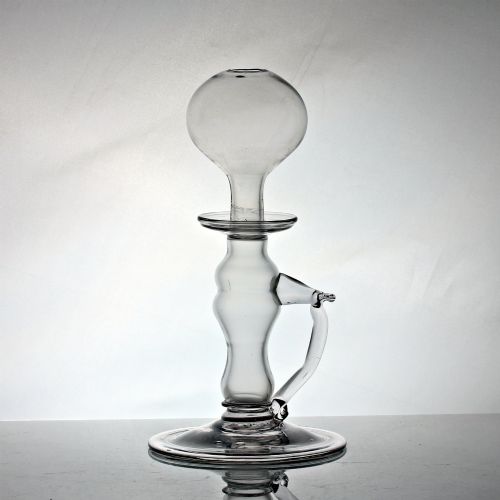
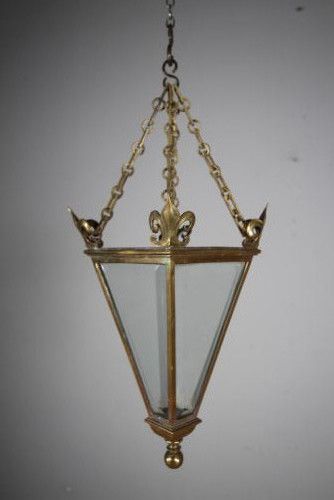
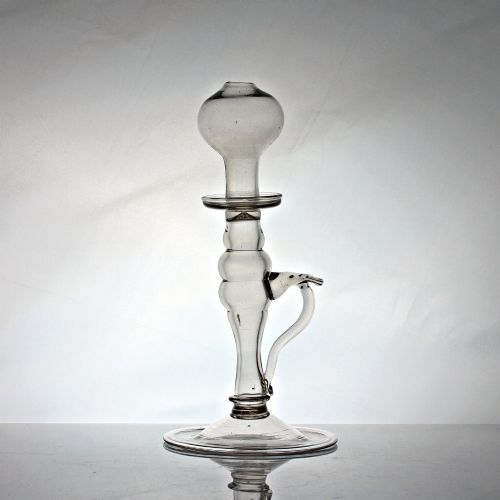
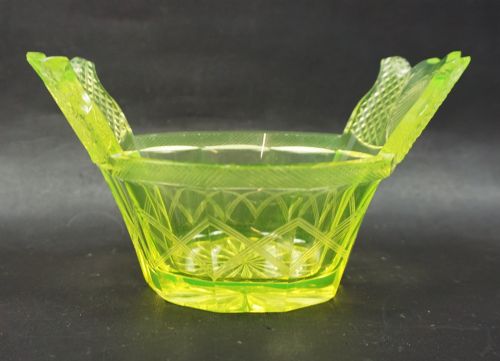
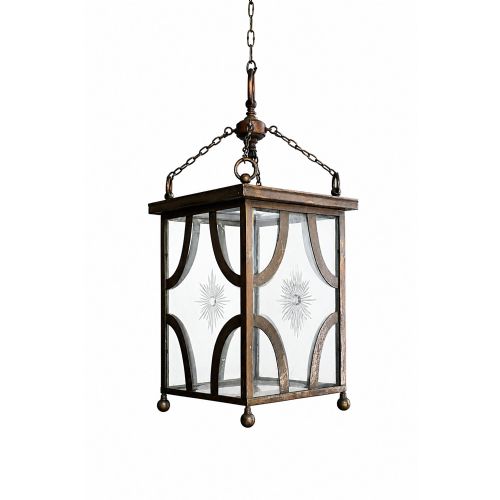
When you search for georgian glass lighting, you encounter chandeliers, hall lanterns, wall lights and oil lamps spanning the eighteenth and nineteenth centuries. The selection includes cut glass chandeliers in the Georgian manner, English hall lanterns in brass or gilded bronze, and tall glass oil lamps with applied handles.
You are most likely to meet nineteenth century interpretations alongside pieces bearing Georgian and Regency characteristics. These objects merge glass, crystal, brass and bronze to illuminate historic interiors with reflective brilliance.
Markers of distinction
The sophistication of the glass cutting and the crispness of the metal casting distinguish finer examples. Superior pieces display deep, sharp facets on the crystal and well-proportioned bronze or brass mounts that integrate harmoniously with the glass.
The purity of the metalwork, whether gilded bronze or solid brass, and the complexity of the hanging configuration dictate the overall visual weight and presence of the fixture.
Georgian Glass Lighting Retail Price Guide 2026
Typical asking prices for georgian glass lighting among the pieces listed under this phrase on Sellingantiques today, from the lower quarter to the upper quarter. They describe what is for sale here now, not the wider market.
The listings feature periods spanning the eighteenth, nineteenth and early twentieth centuries, utilising materials such as lead glass, brass, bronze and crystal.
The Georgian Glass Lighting Glossary
- Chandelier
- A branched hanging light fixture designed to hold multiple candles or bulbs. These large fixtures often feature extensive crystal drops and cut glass arms.
- Hall Lantern
- An enclosed hanging light used primarily in entrance passages and corridors. They typically combine a metal frame with glazed panels.
- Lustre
- A decorative table ornament or light fixture hung with glass pendants. They reflect candle flame through faceted crystal prisms.
- Baluster
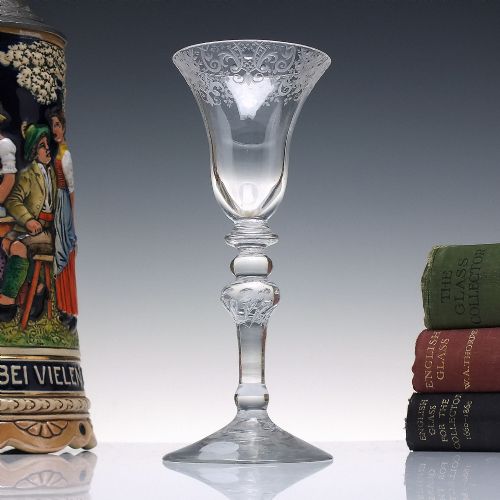
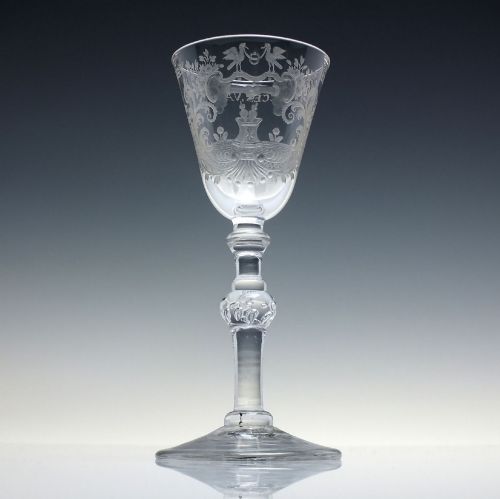
- A moulded stem form resembling a classical pillar, frequently seen on eighteenth century wine glasses and stems. The profile adds stability and visual balance.
- Ormolu
- Finely ground high-carat gold applied to bronze metalware. This technique imparts a rich, golden finish to decorative mounts and frames.
Georgian Glass Lighting: Frequently Asked Questions
How do I clean an antique glass chandelier?
Clean each crystal drop individually by hand using a mild solution of warm water and gentle soap. Support each piece securely to prevent stress on the delicate metal pins and arms.
Allow components to dry completely before reattaching them to the frame. Avoid harsh chemical cleaners that can damage the historic glass and metal surfaces.
Can these antique lights be wired for electricity?
Most hanging lanterns and chandeliers can be adapted safely for modern electrical systems by a qualified professional. Internal wiring runs through existing channels without altering the visible historic exterior.
Consult an electrician experienced in heritage lighting to preserve the original metalwork and structural integrity.
What is the difference between crystal and glass?
Lead glass, commonly called crystal, contains added mineral oxides that increase its weight, refractive index and clarity. This composition allows artisans to cut deeper, sharper facets that sparkle brightly under illumination.
Standard glass lacks this specific lead content, resulting in a lighter weight and softer light refraction.
How do I date a glass hall lantern?
Examine the construction of the metal frame and the fastening methods used for the glass panes. Hand-beaten brass, pinned joints and particular casting techniques point towards specific historical periods.
Compare the silhouette and decorative motifs with documented examples from the Georgian and Regency eras.