

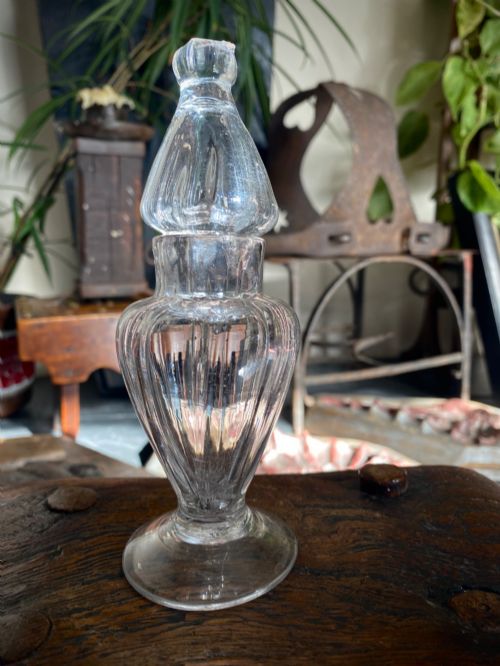
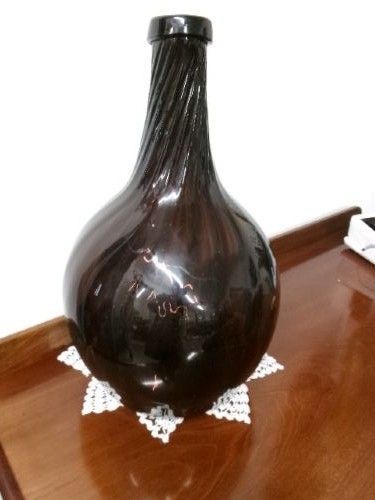
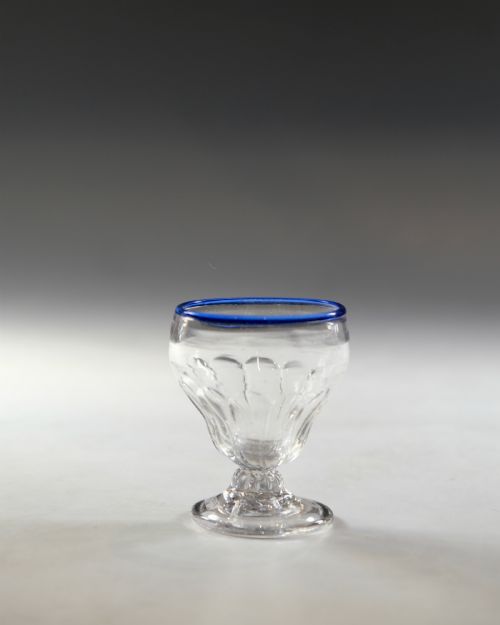
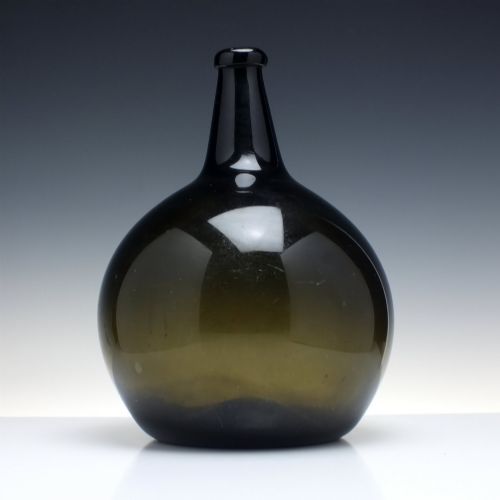


Georgian Blown Glass Vessel
A georgian blown glass vessel brings genuine eighteenth-century character to a room, offering tactile weight and deep historic charm.
Georgian Blown Glass Vessel
A georgian blown glass vessel encompasses a varied range of drinking vessels, storage bottles, oil lamps, and tablewares produced during the eighteenth and early nineteenth centuries. These items reflect the domestic and social habits of the period, ranging from formal stemware to robust tavern rummers.
You are most likely to encounter wine bottles, tankards, cordial glasses, and decanters dating across the eighteenth century and into the 1800s. English and Scottish examples predominate, showing distinct regional forms and uses.
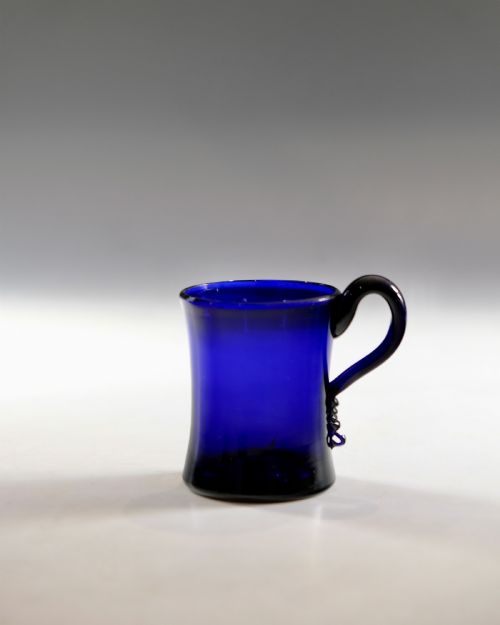
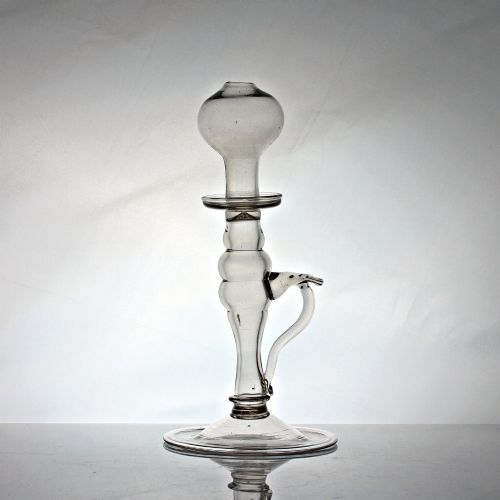
The selection ranges from tall oil lamps with applied handles to delicate bonnet and jelly glasses, alongside larger utility jars and shaft and globe decanters.
How they were made
These items are formed from hand-blown glass, utilising lead glass, clear glass, and coloured variants such as cobalt and dark green glass. The molten metal is gathered on a blowpipe and manipulated by hand.
Makers shaped the vessels using tools to form folded feet, applied handles, and complex air-teared stems. Gravity, rotation, and simple iron pontils dictated the final silhouette of each bottle, tankard, or wine glass.
Georgian Blown Glass Vessel Retail Price Guide 2026
Typical asking prices for georgian blown glass vessel among the pieces listed under this phrase on Sellingantiques today, from the lower quarter to the upper quarter. They describe what is for sale here now, not the wider market.
The listings on this site feature lead glass, hand-blown glass, and coloured glass across the eighteenth century and into the nineteenth century.
What varies in quality
Quality rests upon the purity of the metal and the precision of the hand-forming process. Heavier, chunkier pieces display deliberate substance, whilst finer vessels rely on delicate balance and controlled wall thickness.
The Georgian Blown Glass Vessel Glossary
- Lead glass
- Glass containing lead oxide, which increases brilliance and weight. This material was widely adopted by British glasshouses to improve clarity and workability.
- Pontil mark
- The rough scar left on the base of a vessel where the pontil rod was attached during manufacture. Its presence indicates traditional hand-blown production methods.
- Air-teared stem
- A stem containing elongated air bubbles drawn out during the shaping process. This decorative technique requires considerable skill from the glassblower.
- Folded foot
- A base edge turned under and flattened to add stability and strength. This feature is commonly found on cordial glasses and rummers.
- Bonnet glass
- A small, shallow glass dish used in the eighteenth century for serving sweetmeats or jellies. These pieces often feature moulded or ribbed bodies.
Georgian Blown Glass Vessel: Frequently Asked Questions
How do I date a Georgian glass vessel?
Dating relies on stylistic clues, pontil characteristics, and the colour or weight of the metal. Earlier eighteenth-century pieces often display deeper pontil scars and different proportions compared to those from around eighteen hundred.
Changes in stem construction and bottle silhouettes also help narrow down the period of production.
Were these vessels used every day?
Many items were made for active domestic or tavern use, including tankards, wine bottles, and heavy rummers. Others, such as bonnet glasses and jelly glasses, served formal dining tables on special occasions.
Utility jars and decanters were designed for practical storage and pouring rather than mere display.
How should I clean old glass?
Hand washing in warm water with mild soap is generally safest for fragile historic glass. Avoid harsh abrasives or sudden temperature changes that could stress the material.
Old blown glass often has delicate interior residues and thin walls that require careful handling.
What is the difference between a rummer and a wine glass?
A rummer is typically a heavy, thick-walled drinking vessel designed for ale, spirits, or wine in taverns and homes. Wine glasses from the period often feature lighter bowls and slender stems with air twists or complex air tears.
Rummers prioritise sturdy capacity over delicate elegance.