







Glass Candlestick Lamp
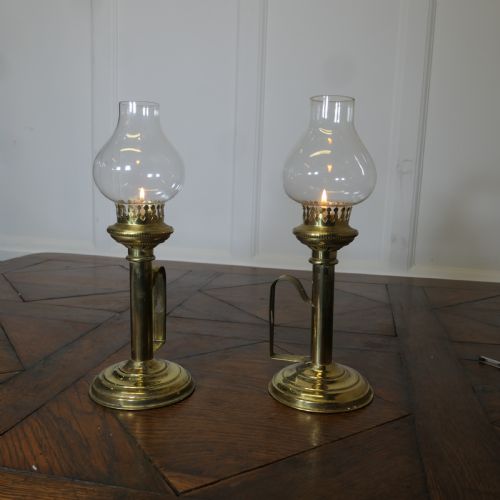
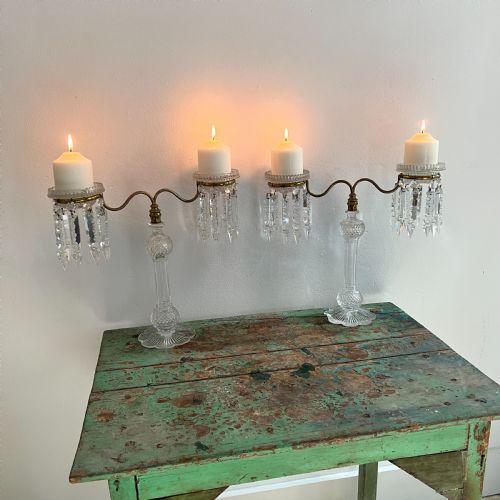
These glass candlestick lamp examples bring warm periods and tactile materials straight to a table.
Glass Candlestick Lamp
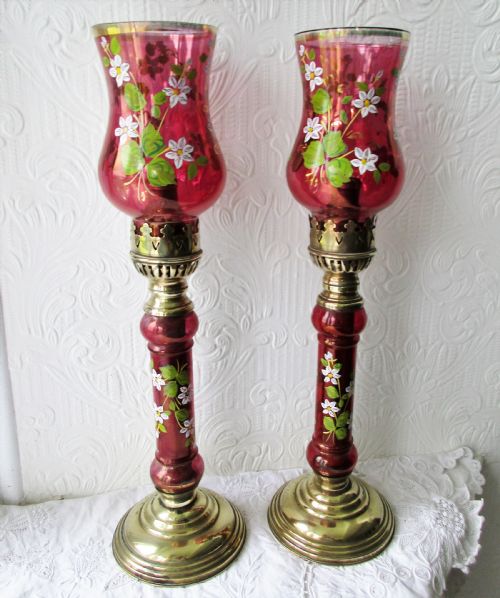
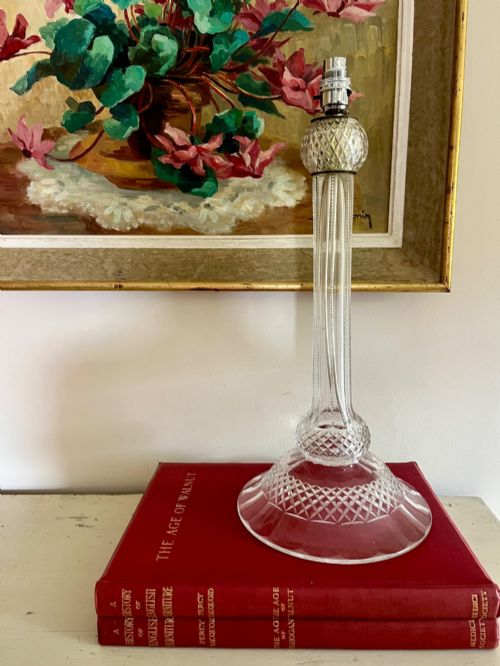
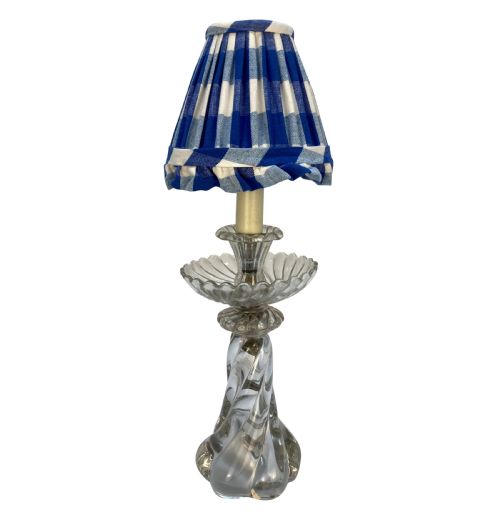
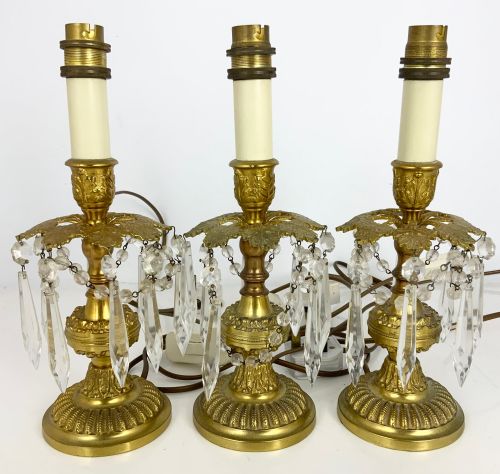
When you search for a glass candlestick lamp, you encounter items that bridge the gap between simple domestic illumination and decorative display. The pieces on this page span Victorian, Edwardian, and later periods, uniting candleholders and oil reservoirs with glass and metal. You find everything from standard pairs of candlesticks to complex peg oil lamps and monumental table lighting.
The forms originate in various settings, including English workshops, French studios, and German factories. Many examples incorporate cut crystal, cranberry glass, ruby glass, or opaline components mounted on brass and silver plate. Others utilise storm shades, chimneys, and lustres to shape the light they cast across a room.
What varies in quality
The distinction between standard items and superior examples lies in the depth of glass cutting and the weight of the metal mountings. Finer pieces display crisp facets on cut crystal and substantial brass bases that anchor the composition securely. Superior manufacturing shows in the precise fit between metal collars and glass fonts.
Colour consistency and material integration separate ordinary production from distinguished work. Cranberry, ruby, and opaline glass qualities dictate the visual impact of the piece when unlit and illuminated. Original matching components, such as paired lustres or matching storm shades, elevate the integrity of the whole object.
Early inventors worried so much about drafts blowing out dinner parties that they added glass chimneys to make candles behave themselves.
Clarke
The Glass Candlestick Lamp Glossary
- Peg oil lamp
- A small font designed with a tapered metal base that drops straight into an existing candlestick socket. This clever design converted standard holders into functional lighting.
- Lustre
- A decorative tabletop ornament featuring hanging glass prisms that refract light around the room. They frequently accompany candlesticks on mantelpieces.
- Cricklite
- A patented trade name for specific glass candlestick arrangements designed to hold Clarke's night lights safely. These Victorian items often utilise cut glass shades.
- Storm shade
- A tall cylindrical glass chimney placed around a flame to prevent drafts from extinguishing the light. They protect candles and oil burners alike.
- Opaline glass
- An opaque, milky glass popular during the nineteenth century for decorative table objects. It comes in soft pastel shades as well as brilliant white.
Glass Candlestick Lamp: Frequently Asked Questions
How do I date a glass candlestick lamp?
Dating relies on examining the combination of materials, construction methods, and stylistic cues present in the base and shade. Victorian examples often feature heavy turned brass and rich cranberry glass, whilst later pieces show distinct Art Deco geometry.
Matching the hardware, screw threads, and glass manufacturing techniques to documented periods helps narrow down the origin year. Archive records and patent markings on specific components provide further chronological clues.
Can I convert these lamps for modern electricity?
Many buyers choose to wire these pieces for electricity while preserving their original aesthetic character. Professional wiring can be routed carefully through existing channels without altering the antique metal or glass structure.
Reversible wiring methods ensure that the historical fabric of the candlestick remains intact for future collectors. Consulting a specialist electrician ensures the delicate glass and brass mounts are protected during any conversion.
What is the difference between a candlestick and a lamp?
A traditional candlestick simply holds a wax taper upright on a spike or within a socket. A candlestick lamp incorporates a glass reservoir, font, or chimney designed for burning oil or supporting a shade.
Many transitional items bridge both definitions, functioning as candle holders that accept specialised glass chimneys or peg fonts.
How should I clean antique glass and brass?
Cleaning requires gentle handling with soft cloths and mild soapy water, avoiding harsh chemical dips that strip patination from brass. Glass components should be washed separately and dried thoroughly before reassembly.
Care must be taken around enamel decorations and silver plated surfaces to prevent abrasive damage during maintenance.