

Vintage Glass Globe Light
These vintage glass globe light fixtures bring architectural warmth to a room through simple, utilitarian forms.
Vintage Glass Globe Light
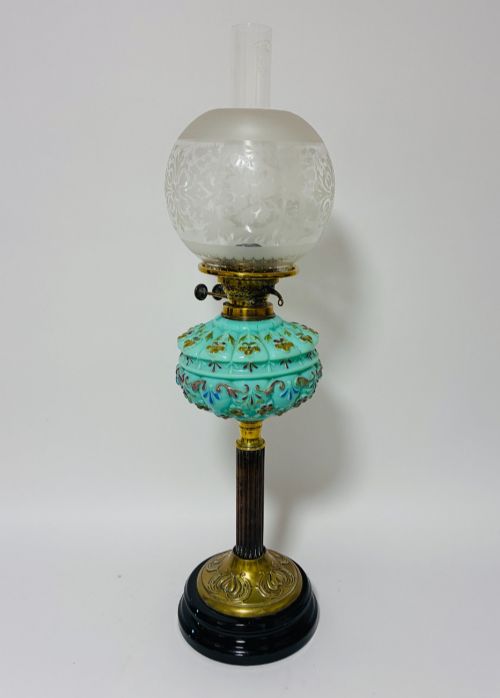
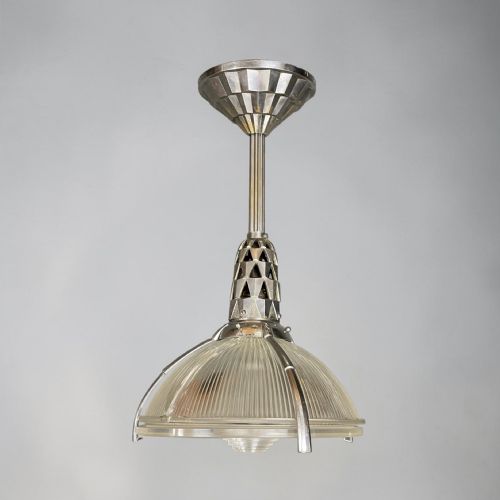
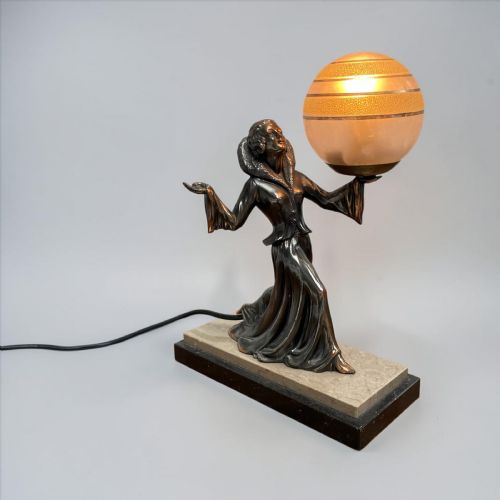
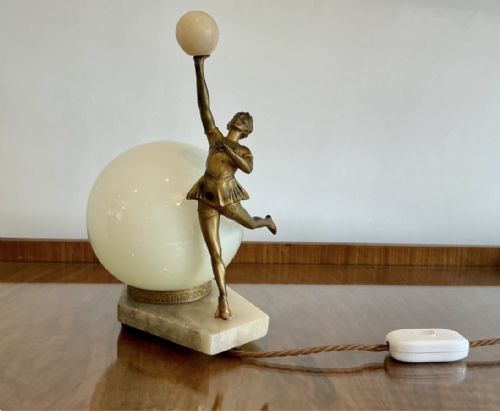
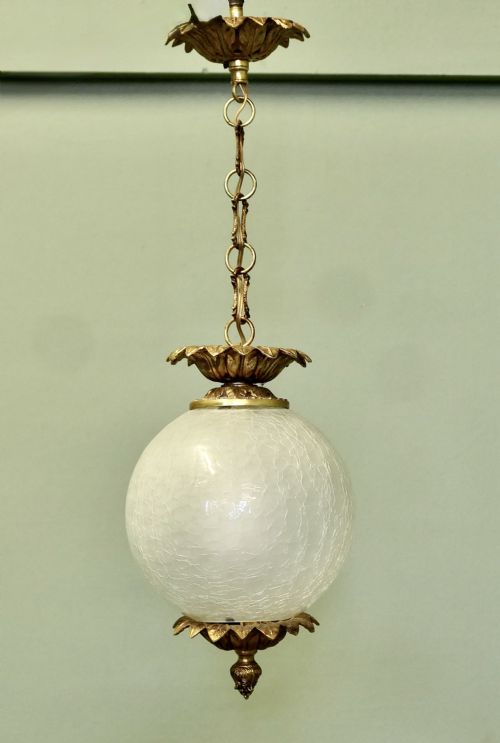
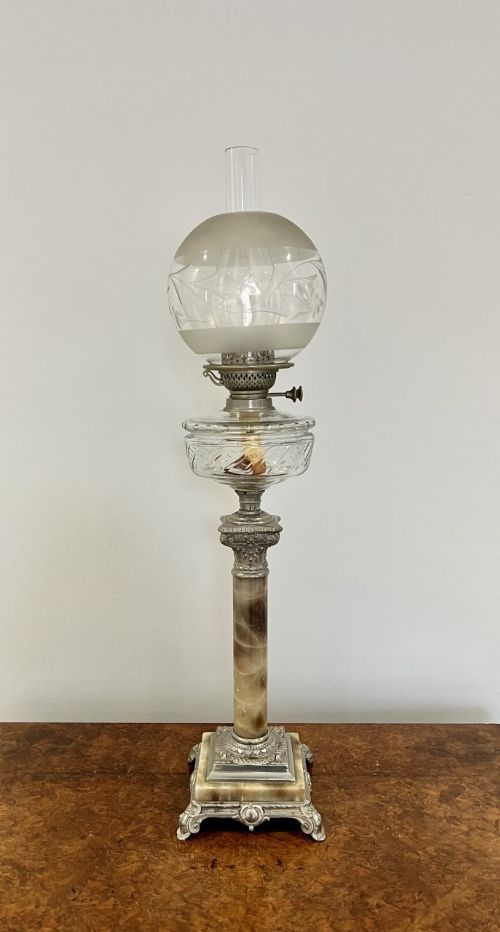
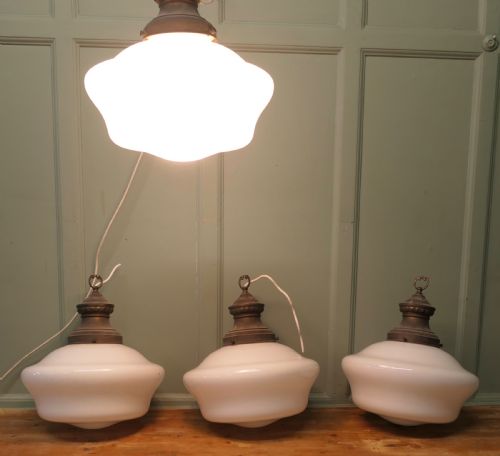
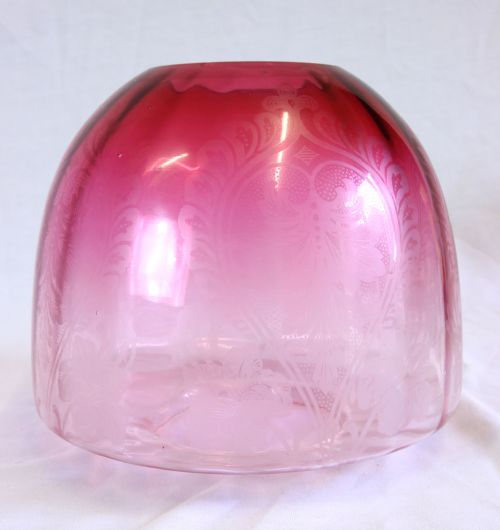
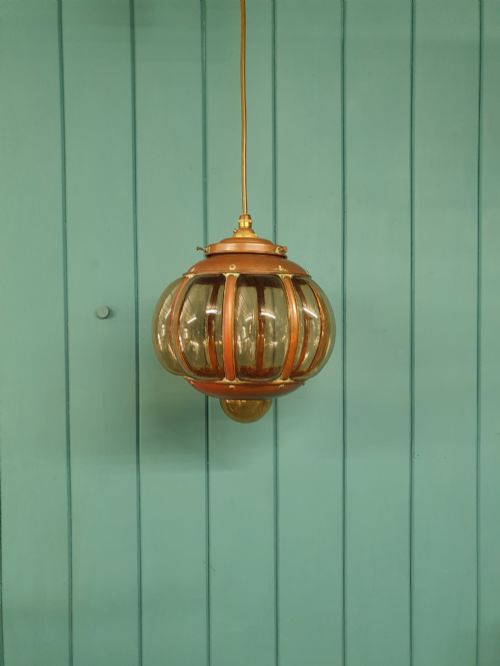
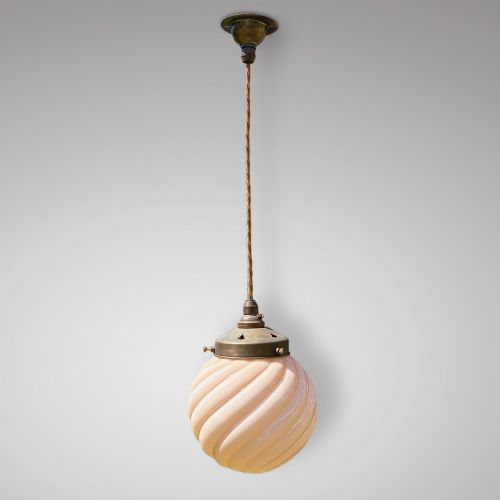
A vintage glass globe light encompasses pendant lights, ceiling lights, and lamp shades formed from spherical glass bodies. Buyers seeking these fixtures encounter pieces spanning the Victorian, Edwardian, and Art Deco periods, alongside robust industrial designs.
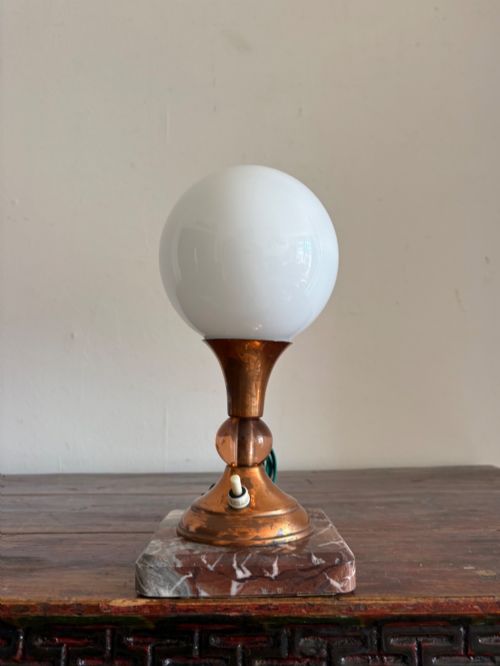
The material selection leans heavily on opaline glass, frosted glass, opal glass, and smoked glass suspended by brass, chrome, or copper mountings. Many examples reflect stylistic movements from Gothic Revival to nautical and Art Nouveau.
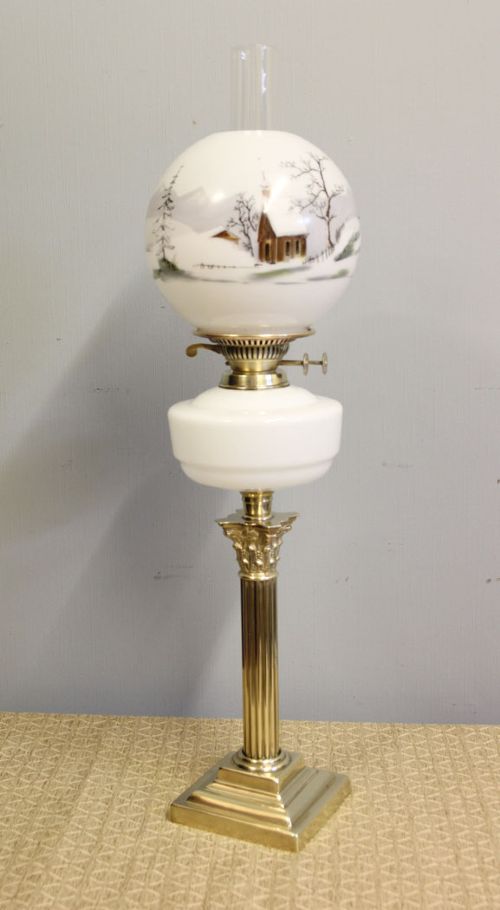
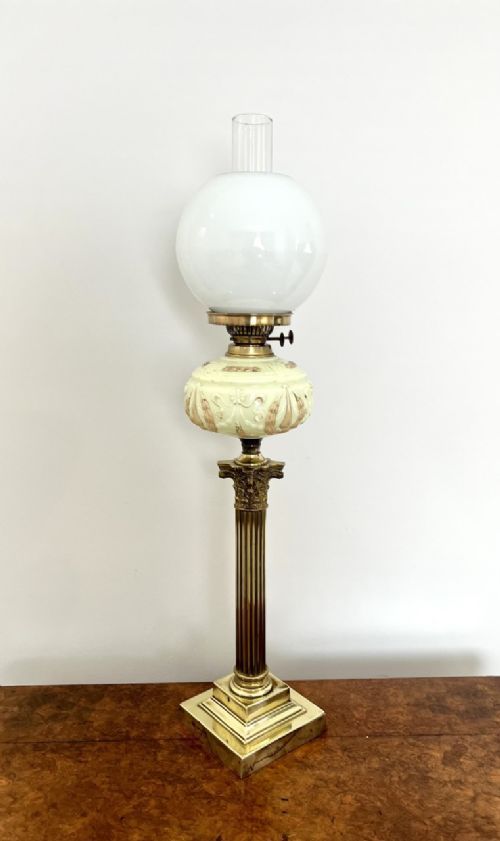
While oil lamps and table lamps also populate the inventory, the core of this search centres on suspended globes and enclosed ceiling lighting that diffuse illumination evenly.
Materials and Techniques
Glass production relies on blowing and moulding techniques to create smooth, opaline, or frosted spherical globes. Artisans frequently paired these translucent shades with cast brass, copper, or chrome fixtures to support the weight of the glass.
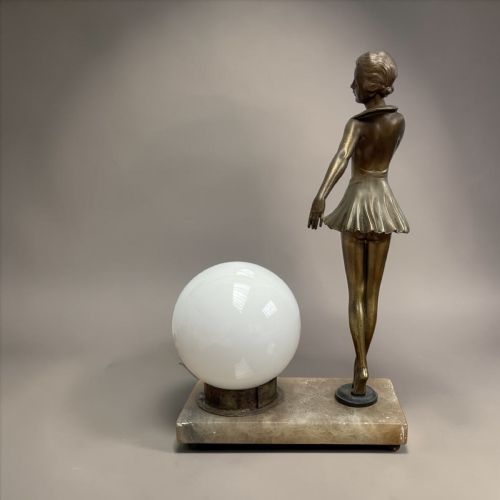
Metal components often feature turned or spun construction, sometimes mounted upon marble or ceramic bases for stability in table-standing variants. The combination of chemical-toned glass and structural metalwork defines the enduring durability of these units.
Listings feature glass, brass, marble, opaline glass, chrome, ceramic, opal glass, and frosted glass across periods spanning the Victorian era through the 1940s.
Markers of Quality
Quality reveals itself in the thickness and homogeneity of the glass globe, where superior pieces display even diffusion without bubbles or swirling imperfections. Finer metal mounts show crisp casting lines and substantial weight in brass or copper rather than thin plated alloys.
The integrity of the original fittings and the subtlety of colour within opaline or smoked glass separate standard utilitarian output from exceptional decorative examples.
Hinks of Birmingham·Émile-Jacques Ruhlmann·Globe Wernicke·Minty
The Vintage Glass Globe Light Glossary
- Opaline glass
- A type of semi-translucent milky glass that diffuses light softly while hiding the internal bulb source. It appears frequently in period pendant lights and oil lamp shades.
- Torchiere
- An indirect floor lamp designed to cast light upwards toward the ceiling. The style gained popularity during the Art Deco era.
- Pendant light
- A solitary light fixture suspended from the ceiling by a cord, chain, or metal rod. These often feature spherical glass shades.
- Spelter
- A zinc alloy frequently utilised as a cost-effective substitute for bronze in decorative statuary and bases during the early twentieth century.
- Font
- The oil reservoir section of an antique lamp, sitting beneath the burner and often rendered in coloured glass or ceramic.
Vintage Glass Globe Light: Frequently Asked Questions
How do I clean vintage glass globes?
Remove the glass shade from its metal mount before washing in warm soapy water with a soft cloth. Avoid harsh abrasives that might damage frosted or tinted surfaces.
Ensure the glass is completely dry before reattaching it to the brass or chrome hanging mechanisms.
Can these lights use modern bulbs?
Most vintage pendant and ceiling fixtures accommodate standard modern wiring and LED bulbs when installed by a qualified electrician. Check the internal fitter size to ensure the bulb clears the inner walls of the globe.
Lower-wattage bulbs prevent excess heat retention inside enclosed glass spheres.
What rooms suit a globe pendant?
Pendant globe lights provide diffused ambient illumination suited to hallways, kitchens, and high-ceilinged living spaces. Their clean spherical profile complements both industrial interiors and period Edwardian rooms.
Sizing the globe diameter proportionally to the room prevents the fixture from dominating the ceiling space.
How do I date a glass shade?
Victorian and Edwardian shades often display polished fitter rims and hand-etched botanical or geometric motifs. Art Deco variants lean towards minimalist opaline spheres paired with chrome or copper fixtures.
Examining the thickness of the glass and the method of manufacturing provides further clues to the decade of origin.