


1930s Pendant Lighting
These 1930s pendant lighting fixtures bring industrial and geometric elegance to a room.
What 1930s pendant lighting is
When buyers search for 1930s pendant lighting, they find overhead fixtures designed to illuminate interiors with distinct period character. The selection on this page centres on ceiling lights from the nineteen-thirties.
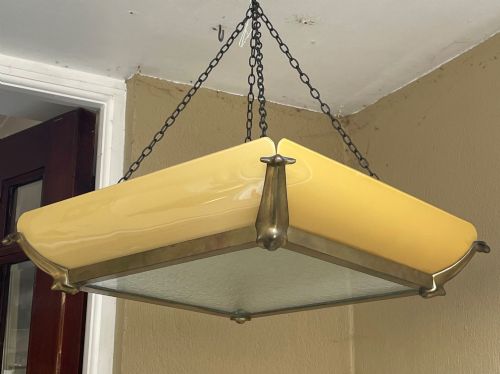
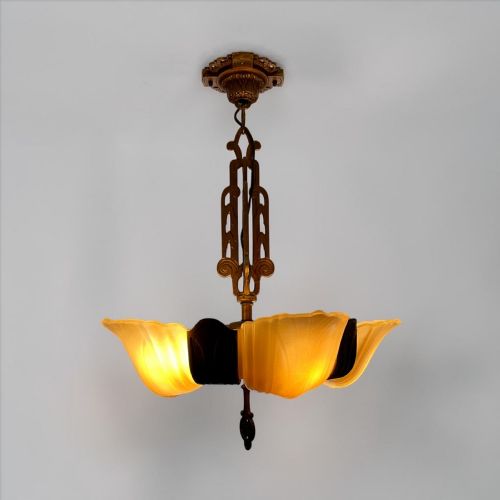
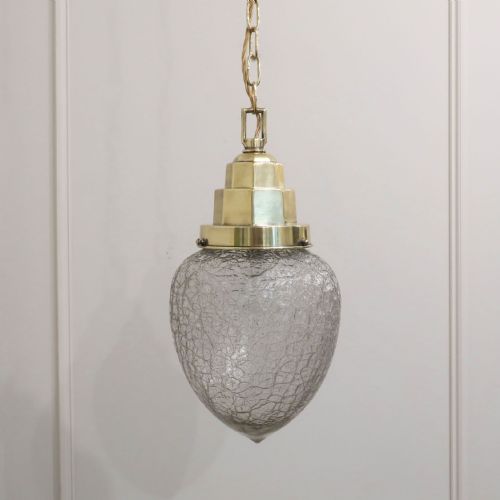
The dominant aesthetic draws upon the Art Deco style, which defined decorative arts during the period. Surviving examples take forms such as hanging hall lanterns and ceiling lamps.
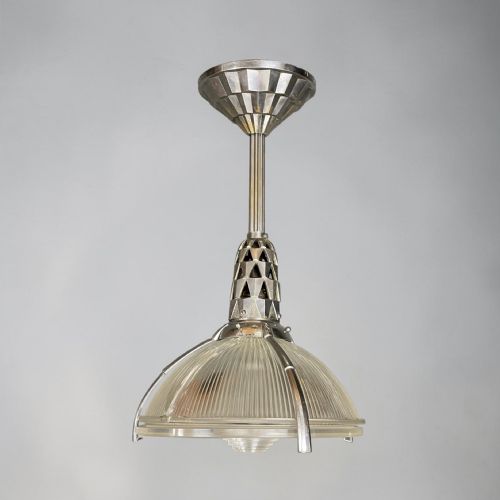
Materials and construction reflect the manufacturing capabilities of the interwar decades. Buyers encounter combinations of metal, chrome, brass, and glass.
How these fixtures were made
Makers utilised brass and chrome to construct the structural frameworks and suspension hardware for these ceiling lights. Metal components were cast, spun, or plated to achieve durable finishes.
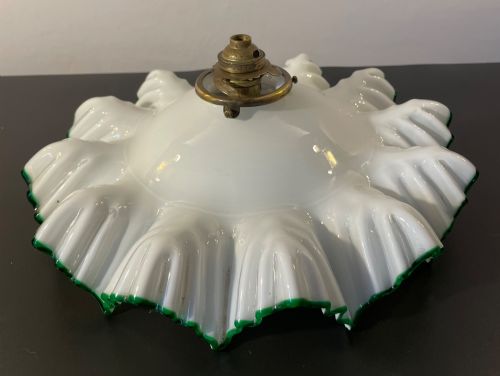
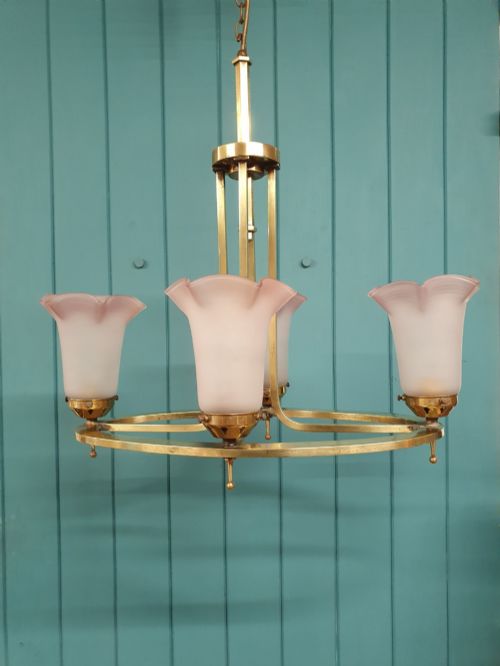
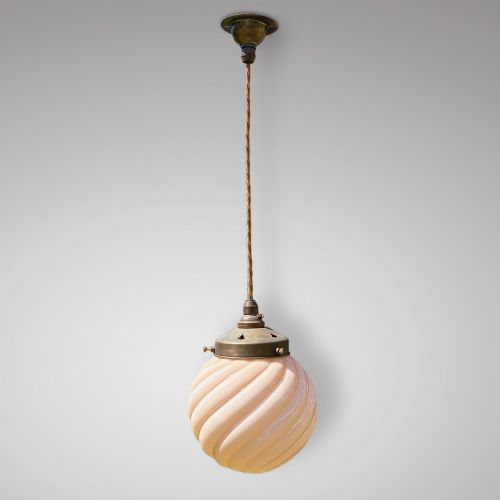
Glass elements were blown, moulded, or frosted to diffuse light evenly across a space. Frosted glass panels and shades softened the glare of early electric bulbs while highlighting geometric patterns.
Listings for 1930s pendant lighting feature brass and chrome combined with frosted glass in Art Deco ceiling lights.
What varies in quality
The distinction between standard production and superior examples lies in the weight of the metal and the finish of the plating. Heavier gauge brass and uniform chrome plating indicate higher grade manufacturing.
Glass quality separates ordinary items from exceptional ones through clarity, thickness, and moulding definition. Thick frosted glass with crisp decorative motifs represents superior craftsmanship.
The 1930s Pendant Lighting Glossary
- Art Deco
- A design style characterised by sleek geometric shapes, streamlined forms, and modern industrial materials that emerged in the interwar period. It heavily influenced architecture, furniture, and lighting design.
- Frosted glass
- Glass treated by acid-etching or sandblasting to create a textured, opaque surface that diffuses light. This technique reduces harsh glare while maintaining high light transmission.
- Hall lantern
- An enclosed ceiling fixture designed specifically for narrow entrance spaces and corridors. These hanging lights often feature multiple glass panels held within a metal framework.
- Chrome plating
- An electrolytic coating of chromium applied over a base metal to provide a corrosion-resistant and reflective finish. This process became widely popular in twentieth-century manufacturing for its bright appearance.
Frequently Asked Questions
Where should I hang a pendant light?
These fixtures suit hallways, entryways, and principal rooms where overhead illumination serves both practical and decorative functions.
Consider the ceiling height and clearance needed below the fixture when selecting a piece for a domestic space.
How do I identify Art Deco lighting?
Look for geometric symmetry, stepped motifs, and streamlined metalwork characteristic of the nineteen-thirties.
The integration of frosted glass and polished chrome further signals the design priorities of the era.
Are these lights compatible with modern wiring?
Historic fixtures generally require rewiring by a qualified professional to meet current safety standards.
Component replacement preserves the exterior aesthetic while ensuring safe electrical operation in a modern home.
What maintenance do metal fixtures need?
Regular dusting with a soft cloth keeps metal surfaces free from grime without damaging plated finishes.
Avoid abrasive cleaners on brass and chrome to preserve the original texture and appearance of the material.