




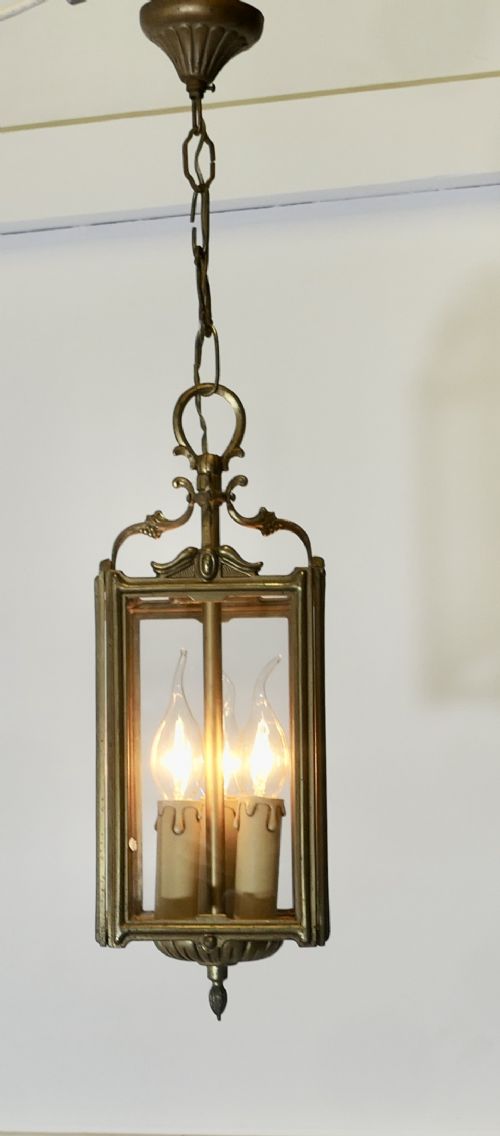


Art Deco Lantern
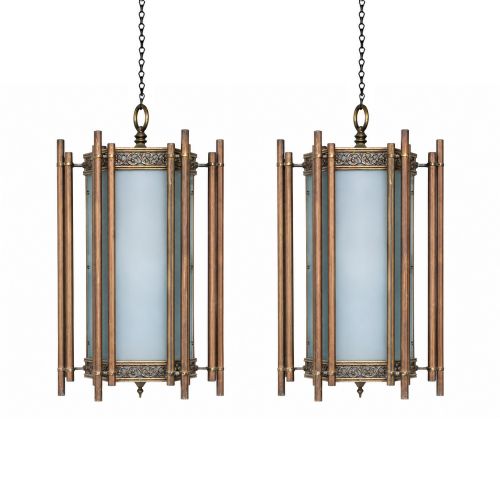
An art deco lantern brings geometric lines and industrial elegance to a hallway, with brass, chrome, and frosted glass taking centre stage.
Art Deco Lantern
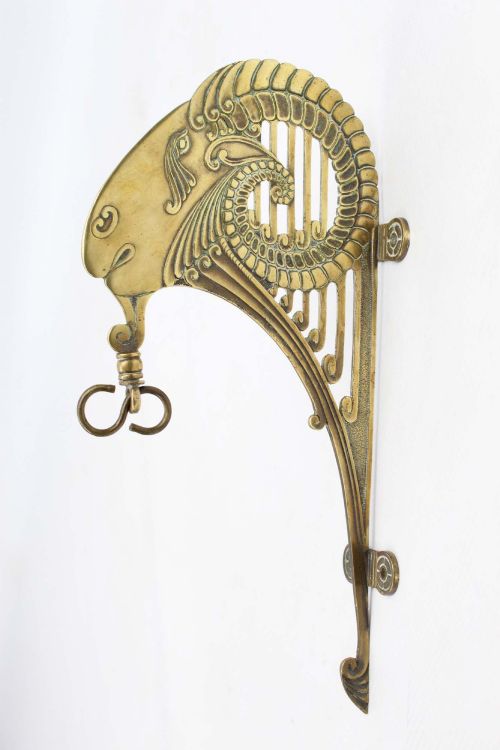
An art deco lantern provides striking overhead or wall illumination, drawing on styles from the nineteen twenties and nineteen thirties. These pieces appear primarily as pendant lights, ceiling lights, and exterior wall lights designed for hallways and entryways.
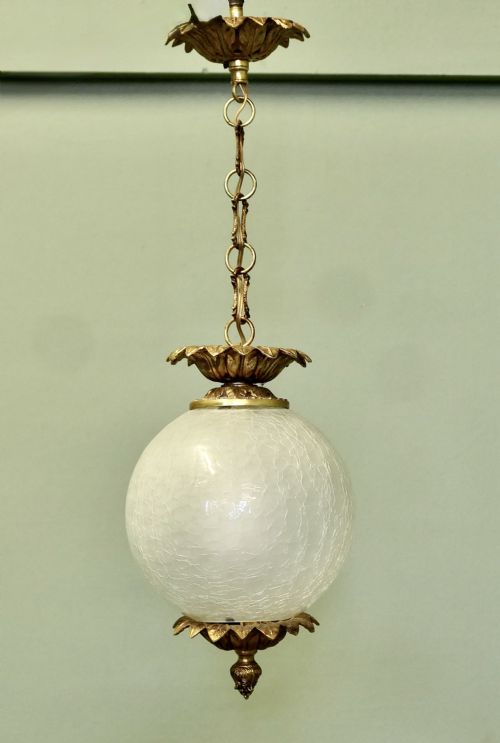
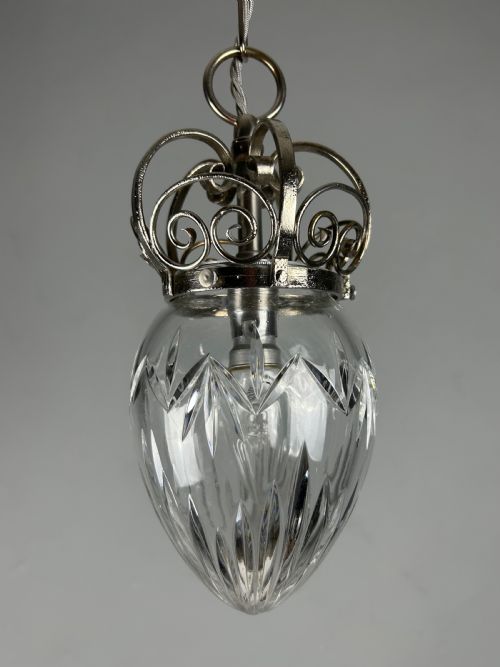
The selections span from French brass and etched glass fixtures to English silver-plated and American hanging designs. Buyers frequently encounter robust brass frames paired with clear, frosted, or crackle glass panels.
Makers utilised diverse materials ranging from wrought iron and copper to bronze and steel. Pieces originating from the early twentieth century sit alongside earlier nineteenth-century examples and later nineteen-forty models.
Materials and construction
Makers constructed the structural framework using cast or spun brass, copper, chrome, and steel, often combining metals to achieve strong geometric silhouettes. Wrought iron and bronze also appear in heavier exterior and interior installations.
Glass components received meticulous treatment through etching, bevelling, and frosting. Panels were shaped into hexagonal or octagonal forms and fitted securely into metal frames to diffuse light evenly.
Hexagonal frames were favoured so guests could admire their reflections from six different angles while removing coats.
Evaluating the standard
Quality rests in the weight of the metalwork and the crispness of the geometric detailing on the frame. Thicker gauge brass and solid bronze components indicate superior manufacture compared to lighter plated alternatives.
The integrity and finish of the glass panels dictate the overall refinement of the piece. Hand-etched motifs, bevelled edges, and unblemished frosted or crackle glass separate standard production items from exceptional commissions.
Sir Herbert Baker
The Art Deco Lantern Glossary
- Frosted glass
- Glass treated to appear opaque, softening the bulb's glare while casting a diffuse glow. This technique is common in interior hall fixtures.
- Bevelled glass
- Glass featuring an angled edge cut around the perimeter, adding visual depth and catching light from multiple angles.
- Hall lantern
- A hanging light fixture specifically proportioned for corridors, vestibules, and entrance halls. These fixtures often feature multiple light sources.
- Etched glass
- Glass ornamented with acid or abrasive materials to create permanent decorative patterns upon the surface. French designs frequently employ this finish.
Art Deco Lantern: Frequently Asked Questions
Where should I hang an art deco lantern?
These fixtures suit entryways, stairwells, and high-ceilinged hallways where their geometric forms can command attention. Exterior wall variants work well flanking doorways.
Ensure adequate ceiling clearance so the pendant hangs securely without obstructing movement through the space.
How do I clean frosted and etched glass?
Wash the glass panels gently using warm water and a mild detergent with a soft cloth. Avoid abrasive pads that might scratch the etched or frosted surfaces.
Dry the glass thoroughly with a lint-free cloth to prevent water spots from forming on the decorative patterns.
How do I distinguish nineteen twenties styles from later pieces?
Early examples from the nineteen twenties often emphasise heavy brass construction with intricate etched glass and organic geometric motifs. Later nineteen-thirties and nineteen-forty pieces lean towards chrome finishes and streamlined steel.
Examining the screw types, metal patination, and glass thickness helps determine the approximate period of manufacture.