



Chrome Pendant Fixture
A chrome pendant fixture brings clean lines and bright illumination to any room, offering a genuine slice of nineteen-twenties and thirties design.
Chrome Pendant Fixture
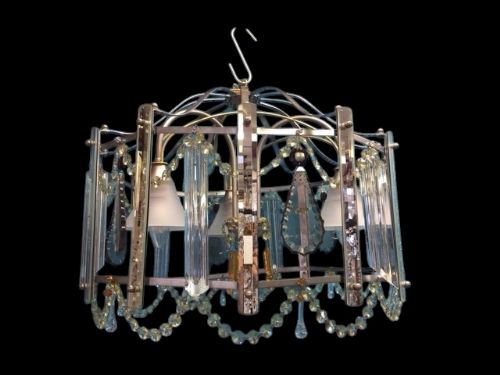
A chrome pendant fixture is a hanging light suspended from the ceiling, primarily dating from the nineteen-twenties and nineteen-thirties. Buyers searching for a chrome pendant fixture will find ceiling lights, pendant lanterns, and small bag chandeliers that illuminate interiors with period character.
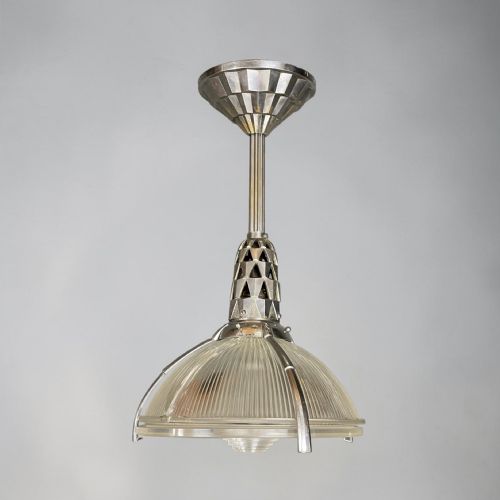
The most common examples on this page are Art Deco pendant lights and ceiling lamps, typically combining metal frames with glass shades. These fixtures originate from styles such as Art Deco, French Chateau, and Industrial Art Deco.
Forms vary from single pendant lights and rewired cut glass ceiling lights to twin light lanterns and suites of light fittings. Makers and designers such as Émile-Jacques Ruhlmann occasionally appear among these selections.
How they were made
Makers constructed these fixtures using chrome, steel, and brass frameworks to support various forms of glass. Metalwork forms the structural galleries and frames, holding shades securely in place.
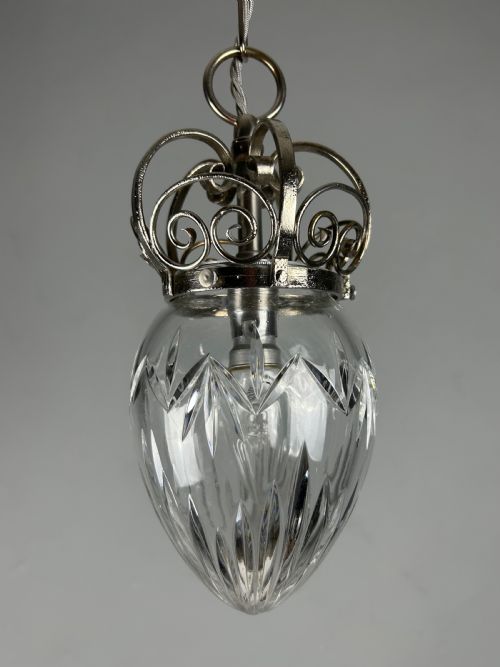
Glass elements include frosted glass, crystal, cut glass, and opaline glass with reeded or fish scale designs. These glass components diffuse the light effectively while displaying the distinct geometric traits of the era.
Some shades feature a fish scale texture, proving that nineteen-twenties designers occasionally looked to the pond for domestic inspiration.
What varies in quality
Quality in a chrome pendant fixture rests on the weight of the metal and the clarity of the glass. Substantial steel or brass frames plated in chrome demonstrate better durability than lighter alternatives.
The sophistication of the glasswork dictates the upper tier of the range. Hand-cut crystal, heavy opaline glass, and complex moulded shades indicate superior craftsmanship compared to plain or pressed glass.
Émile-Jacques Ruhlmann
The Chrome Pendant Fixture Glossary
- Chrome
- A hard, corrosion-resistant metallic plating applied over steel or brass to provide a bright, reflective finish. It became popular during the twentieth century for its sleek appearance.
- Gallery
- The metal collar or ring at the top of a pendant shade that secures the glass to the suspension fixture. Galleries often feature decorative cast or pierced details.
- Bag chandelier
- A light fixture shaped like a tapered bag, densely hung with small cut glass crystals. This form catches and multiplies the illumination within a room.
- Art Deco
- A design style characterised by streamlined shapes, geometric symmetry, and modern industrial materials. It dominated architecture and decorative arts between the world wars.
Chrome Pendant Fixture: Frequently Asked Questions
What is a chrome pendant fixture?
A chrome pendant fixture is a suspended ceiling light featuring a metal frame and usually a glass shade, dating predominantly from the nineteen-twenties and thirties. These lights hang from cables, chains, or rigid stems to provide direct illumination from above.
They serve as both functional room lighting and decorative focal points that reflect the geometric aesthetics of the interwar period.
How do I hang a pendant light?
Hanging a pendant light requires securing the fixture's ceiling bracket to a load-bearing electrical box and connecting the internal wiring. Professional installation by a qualified electrician is strongly recommended for vintage lighting.
Adjusting the suspension height depends on the ceiling height and the furniture positioned directly beneath the light.
Are these lights rewired?
Many vintage fixtures are updated with modern electrical wiring to meet current safety standards while retaining their original exterior components. Rewiring ensures the internal lampholders and cables function safely with modern bulbs.
Buyers should check individual listings to confirm whether a piece has been recently updated or retains its original fittings.
How do I clean chrome and glass?
Cleaning chrome requires a soft microfiber cloth and a mild detergent to remove dust without scratching the reflective plating. Avoid harsh chemical abrasives that can strip the metallic finish.
Glass shades can be removed and washed in warm soapy water, then dried thoroughly before being reattached to the metal gallery.