

Bronze Pendant Fixture
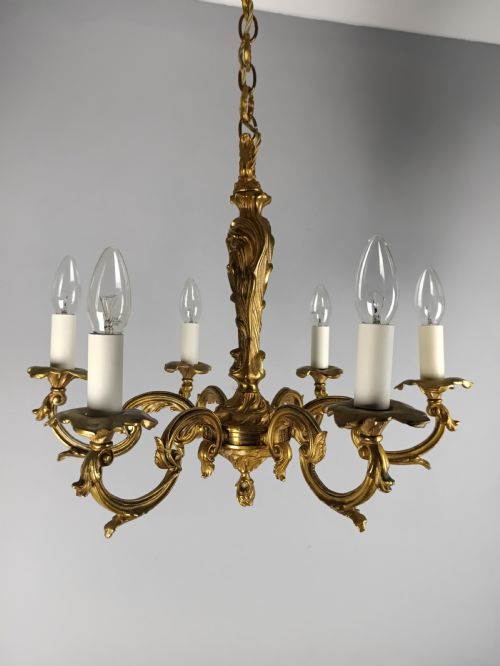
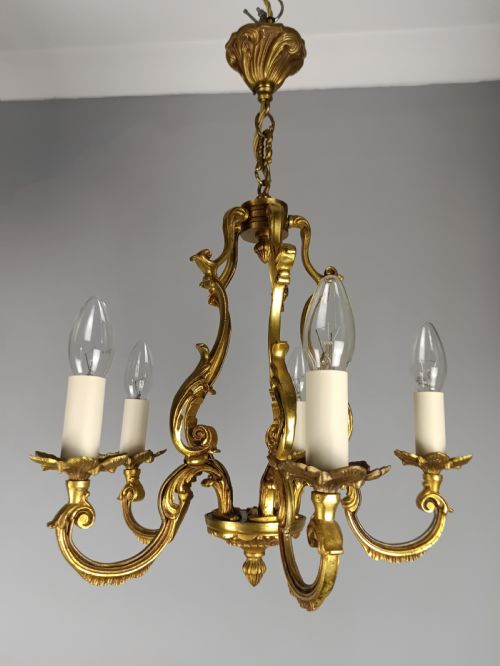
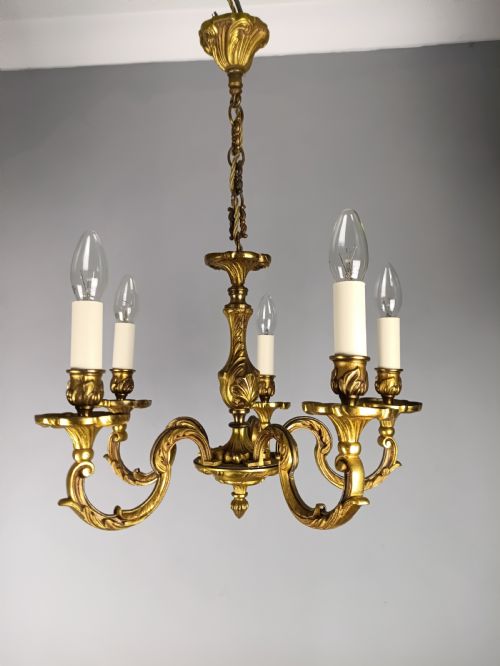
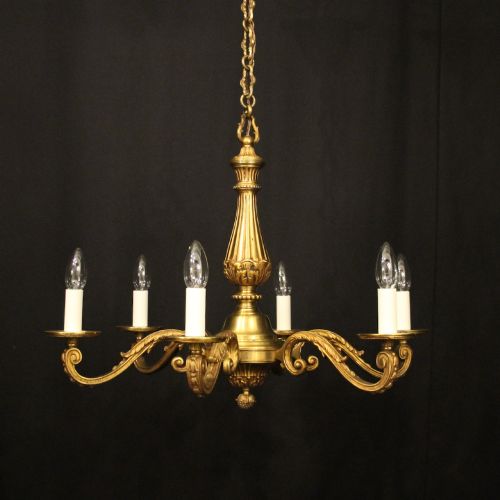
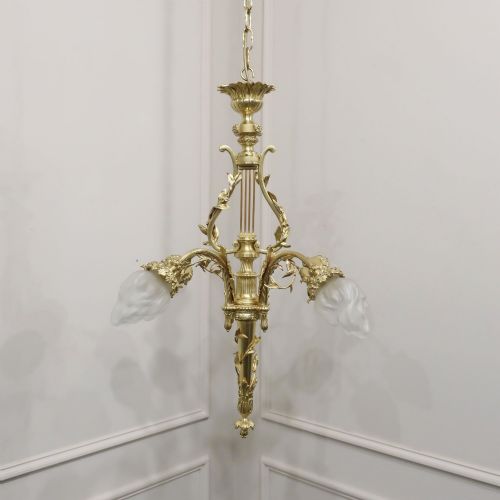
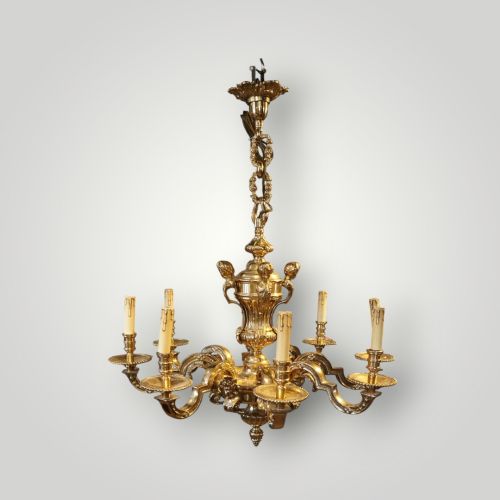
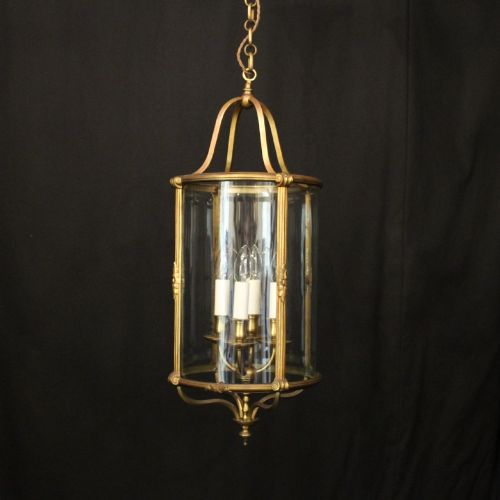
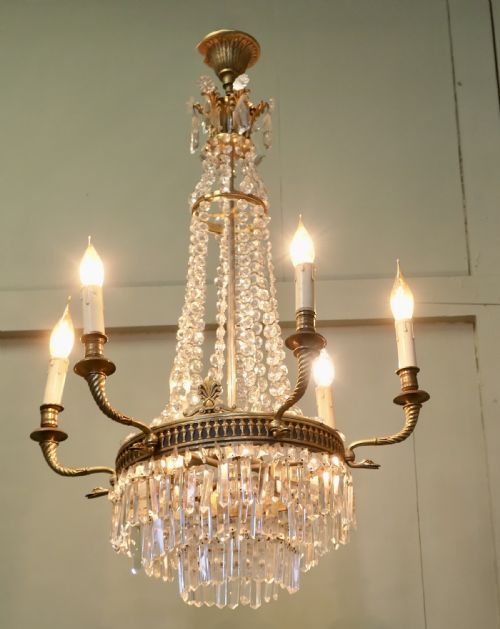
These bronze pendant fixture pieces bring together brass, glass, and crystal lighting forms from the nineteenth century through the nineteen-thirties.
Bronze Pendant Fixture
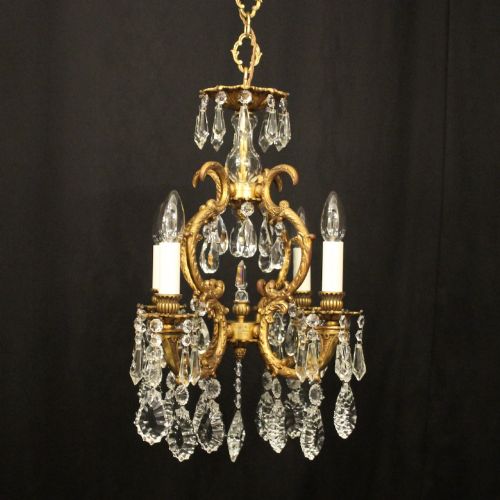
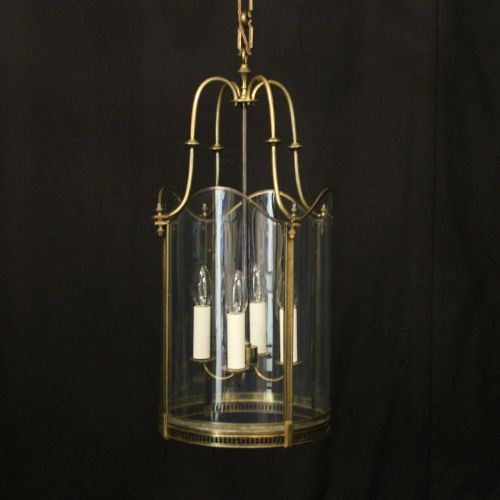
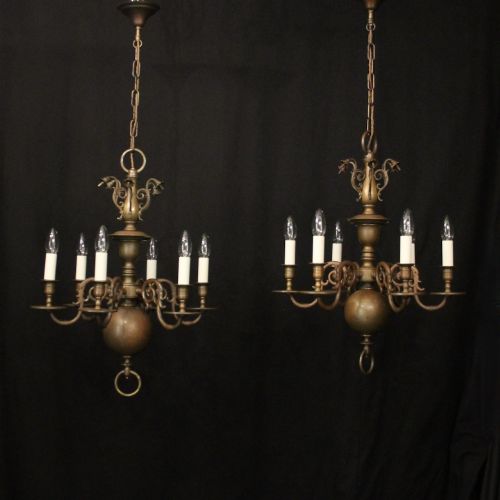
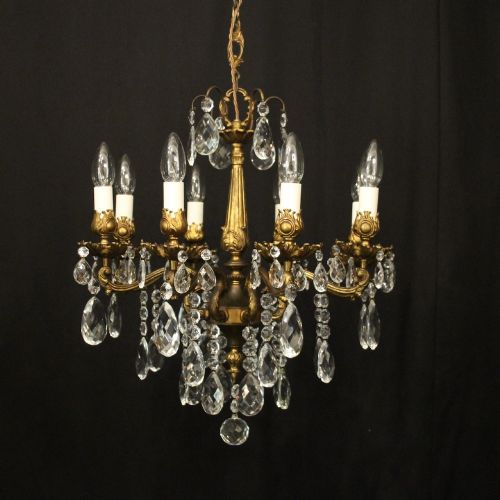
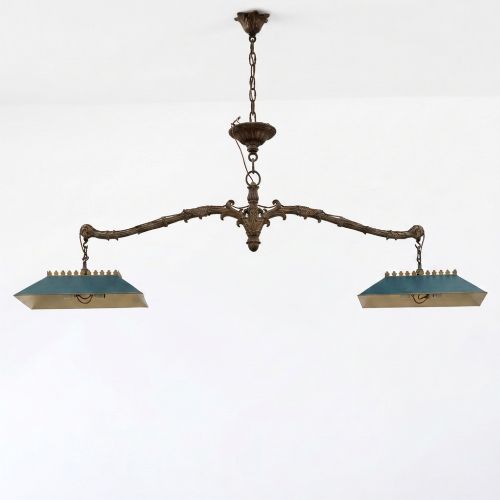
A bronze pendant fixture search uncovers a diverse array of hanging illumination ranging from compact hall lanterns to multi-arm chandeliers. Buyers encounter various forms including birdcage, tent and waterfall, lyre, and billiard configurations.
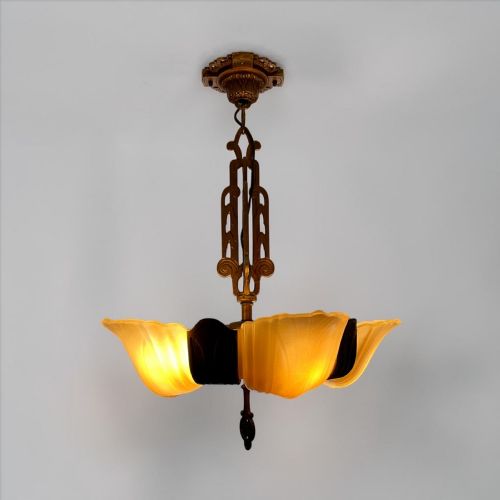
The objects stem predominantly from French and English workshops spanning the Victorian era, the Art Deco period, and the early twentieth century. Gilded finishes, crystal drops, and slip shades define the visual landscape of these options.
Materials and construction
Craftsmen utilised cast bronze, brass, and spelter as foundational metal frameworks, frequently applying surface gilding or silver plating. These structural elements support hanging arrangements of cut glass and crystal components.
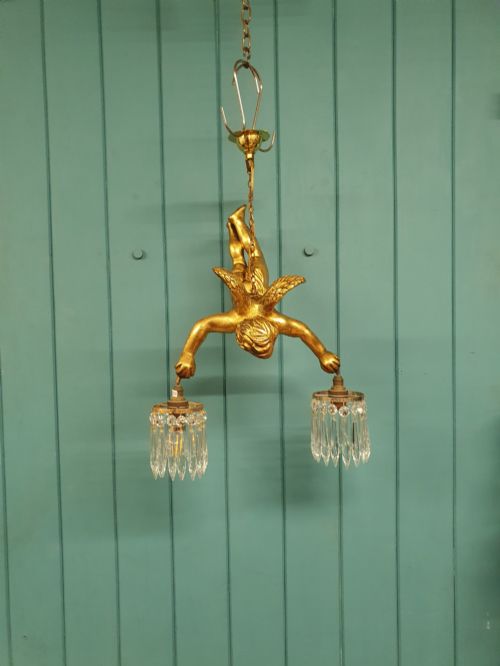
A flying cherub occasionally holds the lights aloft, ensuring the room stays bright and watched over by a cheerful metal infant.
Assessing the standard
The refinement of the casting and the crispness of the chased detail separate standard items from superior pieces. Heavier bronze frames with deeply articulated ornamentation indicate superior workmanship.
The quality of the hanging elements, particularly the cut and clarity of the crystal drops and the integrity of the gilding, dictates the overall character. Original matched components and intact glass shades elevate the integrity of the piece.
The Bronze Pendant Fixture Glossary
- Chandelier
- A branched ornamental lighting fixture suspended from the ceiling. These hold multiple bulbs or candles across arms arranged in tiers.
- Hall lantern
- An enclosed hanging light designed specifically for entranceways and corridors. They frequently utilise convex glass panels within a bronze or gilded frame.
- Tent and waterfall
- A chandelier style featuring a cascading arrangement of crystal beads forming an upper tent shape above a lower waterfall effect. This layout maximises light refraction.
- Spelter
- An alloy of zinc and lead utilised as a cost-effective substitute for bronze in decorative figures. It accepts metallic finishes to mimic genuine bronze.
Bronze Pendant Fixture: Frequently Asked Questions
How do I hang a heavy bronze chandelier safely?
Suspension requires securing the fixture directly to ceiling joists using a rated steel hook and junction box. Professional installation is essential due to the combined weight of the metal frame and crystal components.
Electrical wiring must be inspected and updated to comply with current safety standards before operation.
What rooms suit a hall lantern best?
Hall lanterns provide focused illumination suited for narrow corridors, stairwells, and entrance vestibules. Their enclosed design protects the interior light source from drafts in high-traffic zones.
Proportion remains key when selecting a fixture for smaller domestic spaces.
How do I clean crystal drops safely?
Cleaning requires removing individual crystal elements when possible and washing them in lukewarm water with mild soap. Rinsing with distilled water prevents mineral spotting upon drying.
Metal frames should be dusted gently with a soft cloth without abrasive polishes.
Can I date a fixture by its style?
Stylistic markers such as streamlined Art Deco slip shades or ornate French Rococo casting provide reliable indicators of a period. Examining the construction of the metal links and screws offers further chronological clues.
Consulting the specific material combinations helps narrow down the decade of manufacture.