


French Art Deco Pendant
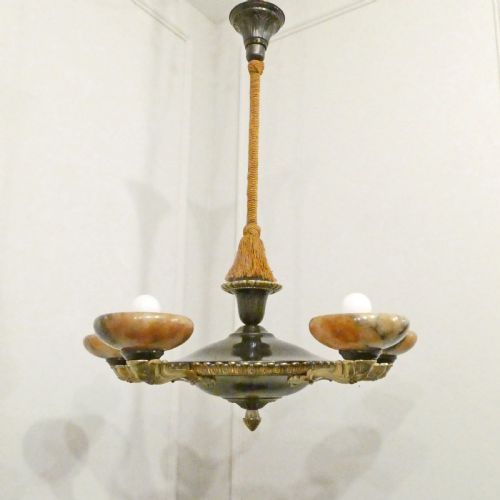
These French art deco pendants bring distinctive geometric forms and rich coloured glass from the early twentieth century into modern interiors.
French Art Deco Pendant
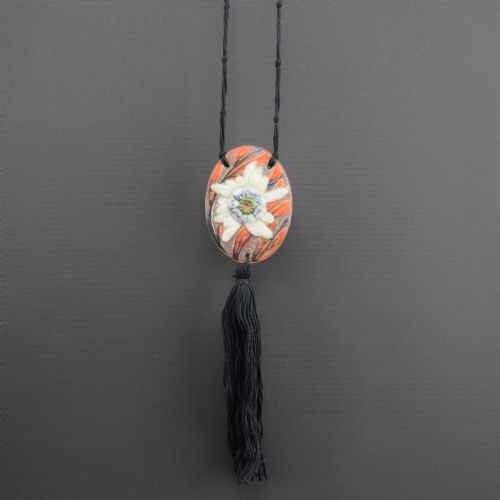
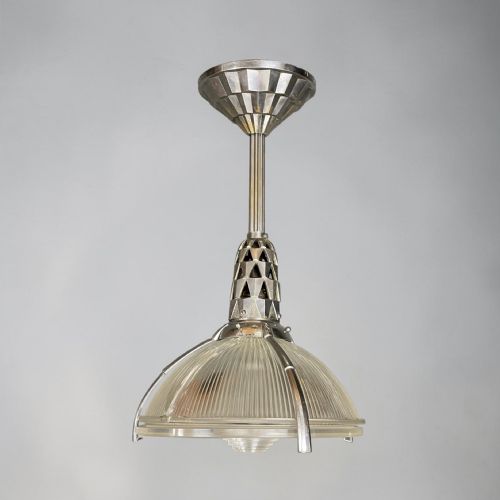
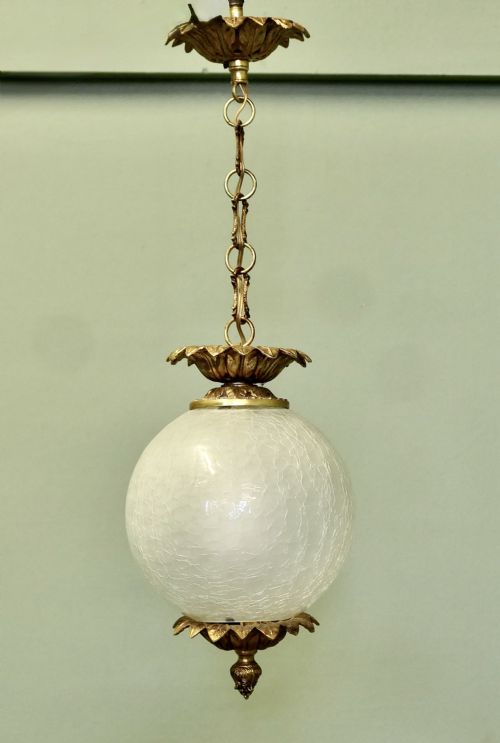
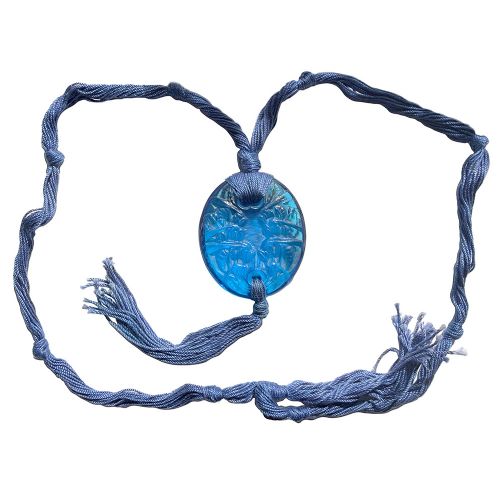
A french art deco pendant bridges two distinct categories of objects, spanning both interior lighting fixtures and fine jewellery pieces in gold and platinum. Buyers hunting this phrase encounter glass shades suspended from metal chains alongside gold religious medals and enamel charms.
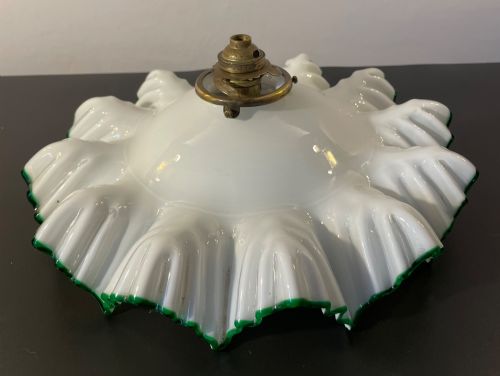
Lighting examples take the form of ceiling pendants, globes, and plafonniers designed to diffuse warm illumination through moulded or frosted glass. Jewellery items present intricate metalwork set with diamonds, pearls, and vitreous enamel.
The objects originate primarily from the nineteen-twenties and nineteen-thirties, bearing the clean lines and stylised motifs characteristic of the period. Surviving pieces demonstrate the era's focus on decorative utility within domestic spaces and personal adornment.
Distinctions in craftsmanship
Quality rests in the depth of execution, where signed glassworks by notable ateliers display superior control over colour gradients and relief details. Cast metal mounts with crisp casting lines and intentional patination separate refined fixtures from standard production items.
Jewellery pieces derive their distinction from the precision of the enamel application and the clarity of the set gemstones. The integrity of the original hanging mechanisms and mounting hardware also influences the standing of a fixture.
Materials documented across the inventory include wrought iron, opaline glass, galalith, and mother of pearl.
Argy Rousseau·Émile-Jacques Ruhlmann·R Lalique·Paul Brandt·Schneider·Gabriel Argy-Rousseau·Amalric Walter·Jean Gauthier·Muller Freres
The French Art Deco Pendant Glossary
- Plafonnier
- A ceiling-mounted lighting fixture with a glass bowl sitting close to the surface. These direct light downwards into a room while concealing the bulb.
- Pate de verre
- A glass-making method involving crushed glass packed into a mould and fused in a kiln. This technique yields rich colour saturation and a tactile textured surface.
- Opaline glass
- An opaque or translucent glass with a milky appearance, developed to soften and diffuse light evenly. It appears frequently in period globe shades.
- Galalith
- A synthetic plastic material derived from casein and formaldehyde, utilised for buttons and jewellery during the period. It mimics the appearance of natural horn or ivory.
- Etched glass
- Glass treated with acid to produce a frosted design or pattern on the surface. This method creates decorative contrast against clear or coloured glass bodies.
French Art Deco Pendant: Frequently Asked Questions
How do I hang a vintage glass pendant?
Suspension requires assessing the weight of the glass shade against the load capacity of the ceiling rose and chain. Professional wiring ensures the metal hardware safely accommodates modern electrical standards.
Matching the drop length to the room proportions preserves the balance of the interior space. Secure ceiling hooks support the primary weight rather than the electrical flex.
What is pate de verre?
This method involves packing finely crushed coloured glass into a refractory mould before heating it in a kiln until the particles fuse together. The process creates distinctive mottled colour effects and tactile surfaces.
Ateliers utilised this technique to produce detailed relief pendants featuring botanical and animal subjects. Each finished piece requires careful cooling to prevent thermal stress fractures.
How do I clean antique art deco glass?
Maintenance requires lukewarm water and a mild detergent applied with a soft cloth to protect delicate frosted or etched surfaces. Harsh chemical agents strip away original patinas and damage vulnerable glass structures.
Removing shades from their metal mounts prevents accidental damage during cleaning. Thorough drying prevents moisture retention within textured moulded designs.
Are these gold charms solid gold?
Jewellery pieces from this era frequently utilise eighteen-carat yellow or white gold for structural durability and fine detail work. Hallmarks stamped into the metal indicate the alloy standard and country of origin.
Enamel additions and diamond pavé settings require careful handling to preserve the integrity of the precious metal mount. Professional examination confirms the authenticity of period hallmarks.