


Frosted Glass Globe Light
Frosted glass globe lights are period ceiling lighting and table lamps that bring diffused illumination and clean form to a room.
What frosted glass globe lights are
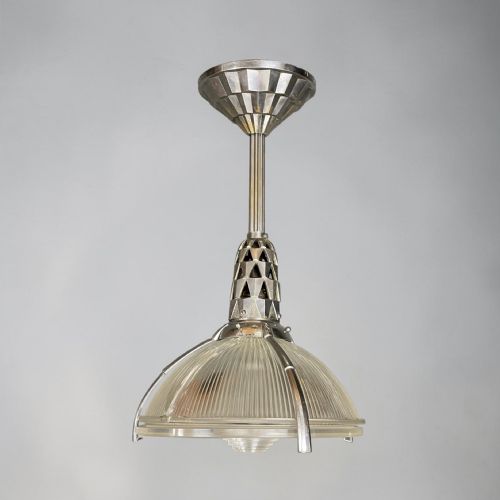
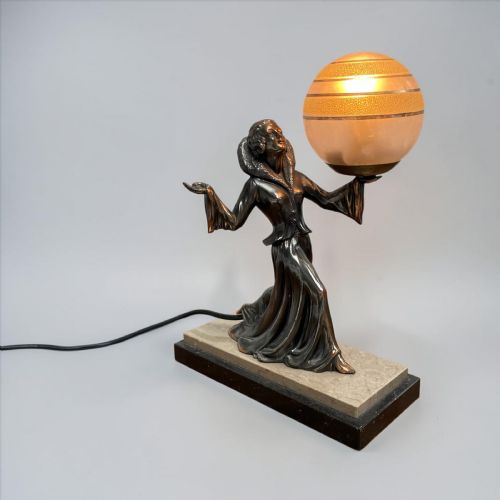
Frosted glass globe lights encompass ceiling lighting and table lamps dating from the nineteen thirties. These pieces unite spherical or rounded diffusers with metal mounts to provide soft, even illumination.
Art Deco styling defines the aesthetic of these items. Examples range from compact night lights to large pendant fixtures.
How they were made
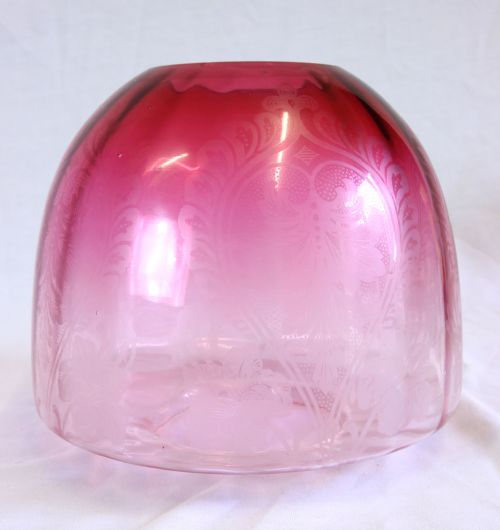
Maker construction relies on shaped glass combined with cast or plated metal components. Frosted glass and mottled opaline create the characteristic soft exterior surfaces.
Metal elements utilise bronze, brass, chrome, and silver plate to secure and support the glass globes. Granite and marble sometimes provide substantial bases for table lamp variants.
The inventory records pieces exclusively from the nineteen thirties, representing Art Deco table lamps and ceiling lighting.
What varies in quality
Quality differences lie in the selection of materials and the refinement of the metalwork. Heavy bases of marble or bronze distinguish more substantial pieces from lighter variants.
The subtlety of the frosted finish and the integration of the glass with brass, chrome, or silver plate define the finer examples. Art Deco proportions remain consistent, but the execution of mounts and fixings varies.
The Frosted Glass Globe Light Glossary
- Frosted glass
- Glass treated to scatter light and create a translucent, matte surface. This technique softens glare while maintaining high light transmission.
- Art Deco
- A design style from the nineteen thirties characterised by streamlined forms, geometric symmetry, and modern industrial materials. It influences the overall geometry of these light fittings.
- Mottled opaline
- A milky, iridescent glass type with a cloudy appearance. It adds decorative depth to the surface of the diffuser.
- Pendant light
- A hanging luminaire suspended from the ceiling by a cord, chain, or metal rod. These fixtures project light downwards into the space.
- Night light
- A small form of domestic illumination intended for low-level or continuous background glow. These compact pieces often feature decorative figural or structural bases.
Frequently Asked Questions
What rooms suit a pendant light?
Pendant lights suit spaces requiring direct overhead illumination, such as hallways, dining areas, or central rooms. Their hanging configuration positions the globe for optimal light distribution.
Selecting a pendant depends on ceiling height and the scale of the surrounding furniture. These pieces anchor the visual centre of a room.
How do Art Deco lights differ?
Art Deco lighting relies on geometric symmetry, streamlined mounts, and industrial metals like chrome, brass, and bronze. The designs emphasise functional clarity combined with decorative surface effects.
These characteristics separate nineteen thirties pieces from earlier ornate styles. The focus remains on clean silhouettes and integrated materials.
Where do table lamps work best?
Table lamps provide localized illumination on desks, side tables, or occasional surfaces. Their compact footprints allow placement across various domestic settings.
Base materials such as marble or granite add weight and stability to the lamp body. This ensures secure placement on wooden or stone surfaces.
What is mottled opaline glass?
Mottled opaline is a specialised type of glass that displays a cloudy, semi-translucent pattern. It diffuses light gently while offering visual texture.
This material choice enhances the decorative quality of night lights and smaller lamps. The surface appearance changes subtly depending on whether the internal bulb is lit.