


Vintage Glass Condiment Set
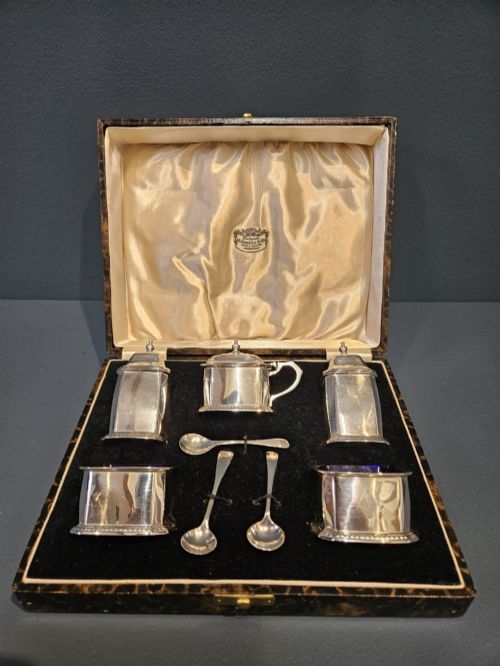
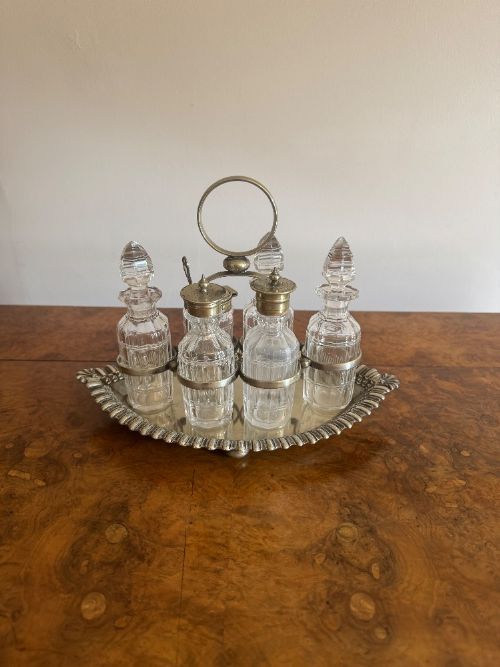
A vintage glass condiment set brings practical dining history to the table, combining heavy cut glass with polished metal stands for everyday use or display.
Vintage Glass Condiment Set
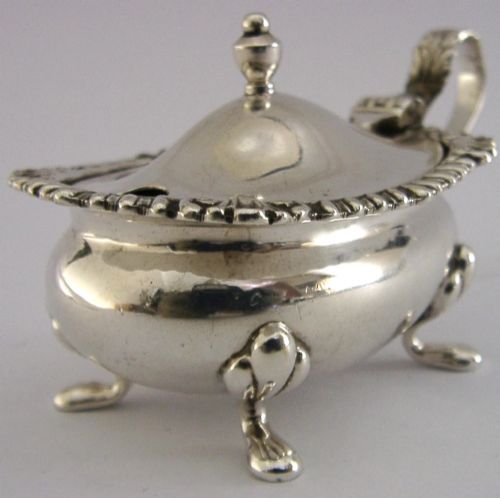
A vintage glass condiment set comprises matched vessels for table seasonings like mustard, oil, vinegar, salt, and pepper, often housed together in a metal frame or stand.
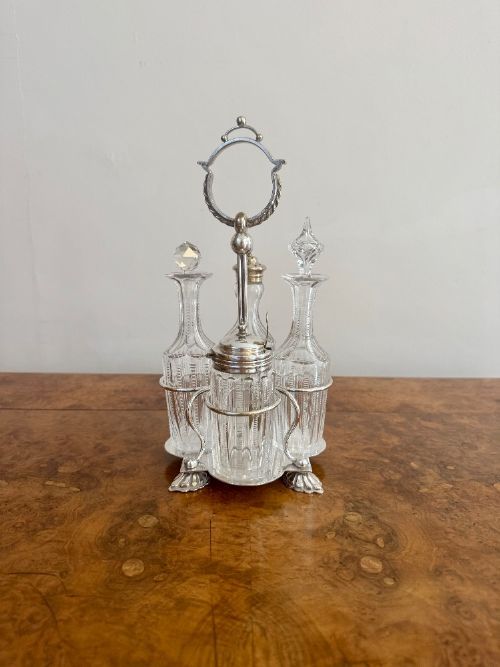
Buyers exploring this category encounter a high proportion of Edwardian silver-plated frames holding multiple cut glass bottles, alongside Georgian, Victorian, and Art Deco variants.
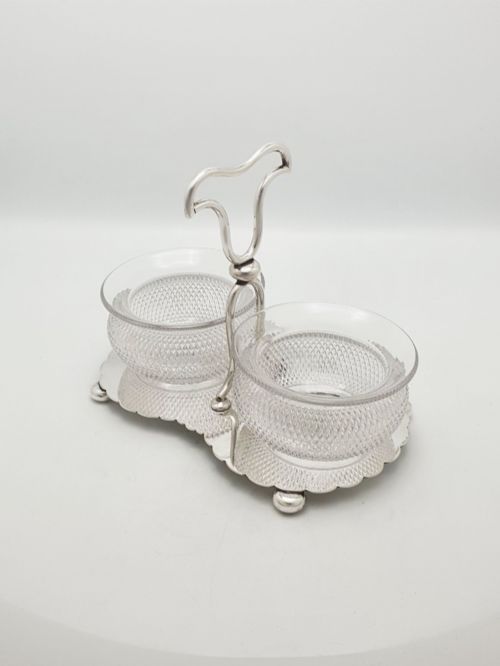
The configurations range from small twin preserve bowls and simple salt cellars up to large seven-bottle cruet stands designed for formal dining.
Materials and construction
The components rely heavily on cut glass or lead crystal shaped by hand and wheel, paired with supporting frames made from sterling silver, silver plate, or Old Sheffield plate.
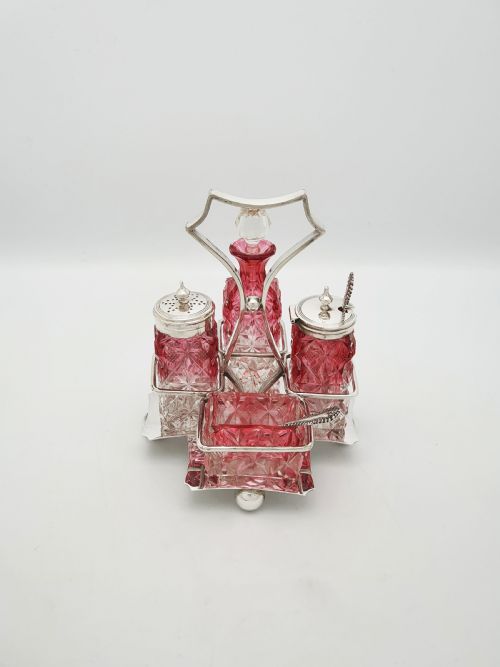
Many glass inserts feature coloured accents such as cranberry flashed glass or cobalt glass liners, while metal mounts incorporate cast handles, applied wirework, and protective velvet or enamel details.
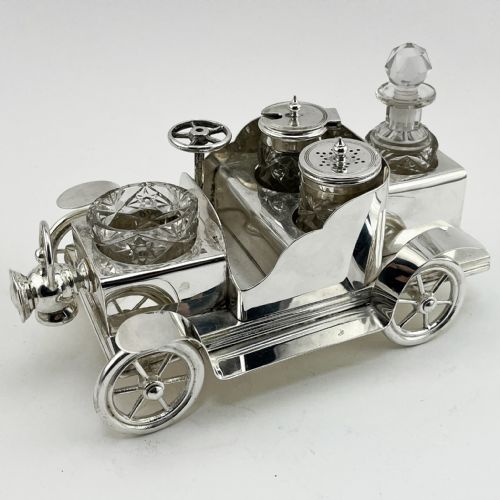
Victorian travellers enjoyed diminutive carriage-shaped cruet sets fitted with tiny glass bottles for dining on the move.
Judging quality and craftsmanship
Superior examples show deep, crisp hand-cutting on the glass bottles and substantial gauge silver plating or solid sterling silver on the frames, maintaining good weight and structural balance.
Graduations in standard also depend on completeness, with fully matched bottle sets retaining their original stoppers, glass liners, and maker marks commanding stronger interest.
Goldsmith & Silversmith's·Walker & Hall·William Neale & Son
The Vintage Glass Condiment Set Glossary
- Cruet set
- A fitted stand holding glass bottles or jars for condiments, oil, vinegar, and seasonings at the dining table. These assemblies often include dedicated spoons or shakers.
- Cranberry glass
- A rich pinkish-red glass produced by adding gold chloride to the molten batch during manufacturing. It appears frequently in Edwardian preserve dishes and cruet inserts.
- Old Sheffield plate
- An early form of composite metal made by fusing a thin sheet of sterling silver to a thicker copper base before rolling. This technique creates a distinctive edge where the base metal shows.
- Lead crystal
- Glass containing a high proportion of lead oxide, which increases brilliance, weight, and suitability for deep geometric cutting. It forms the heavy bodies of many twentieth-century cruet bottles.
- Salt cellar
- An open dish used to hold loose salt before modern shaker bottles became common, often paired with a small spoon and a coloured glass liner.
Vintage Glass Condiment Set: Frequently Asked Questions
How do I clean antique silver-plated stands?
Use a gentle silver cloth or specialised non-abrasive cream to remove tarnish from the plated frame without wearing away the thin silver layer.
Keep moisture away from any glued joints or fitted velvet bases to prevent damage to the underlying structure.
Are replacement bottles easy to find?
Finding an exact match for a broken cut glass cruet bottle is difficult because period hand-cutting and neck sizes varied between manufacturers.
Measure the collar opening and bottle height carefully if you attempt to source a replacement component.
How were these sets used historically?
Diners placed cruet stands centrally on the dining table so guests could season meats, sauces, and vegetables to taste during formal meals.
Different bottles held oil, vinegar, ketchup, soy, or mustard alongside dedicated salt and pepper casters.
How can I distinguish Edwardian from Victorian sets?
Victorian sets often feature heavier, highly ornate cast frames with elaborate floral or animal motifs, including novelty carriage designs.
Edwardian pieces tend toward lighter silver-plated wirework stands paired with bright cranberry flashed cut glass.