

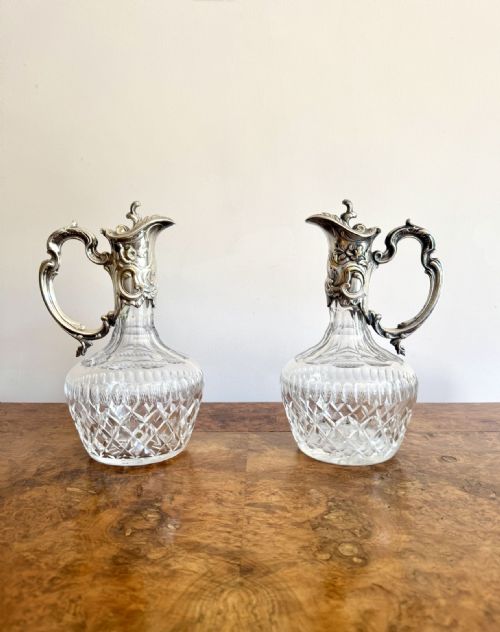


Vintage Glass Claret Pitcher
A vintage glass claret pitcher combines sparkling crystal bodies with polished mounts to serve wine with traditional elegance at the table.
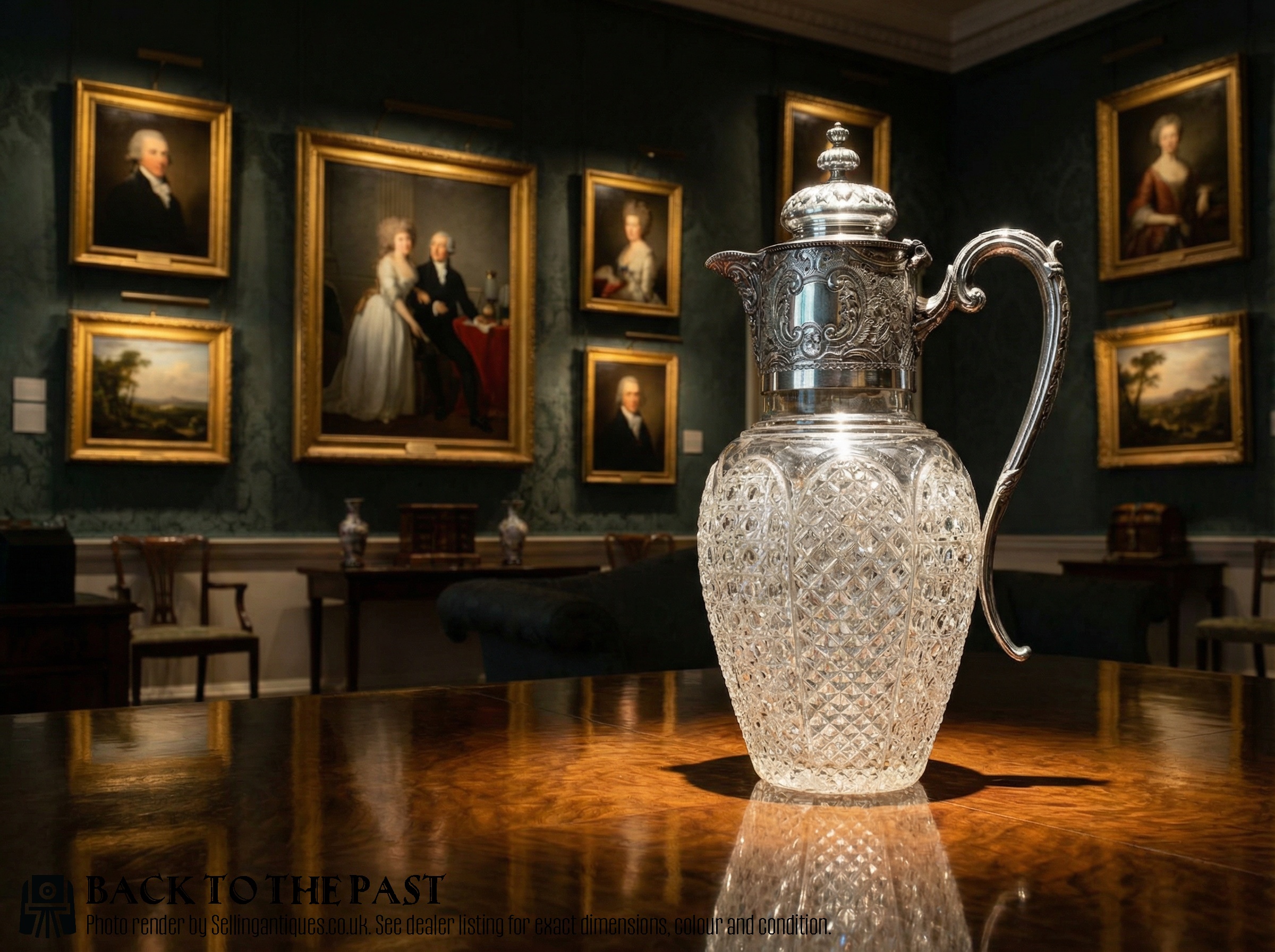
Vintage Glass Claret Pitcher
When buyers search for a vintage glass claret pitcher, they encounter handsome serving vessels primarily originating from the Victorian and Edwardian eras, alongside pieces spanning the nineteenth and twentieth centuries.
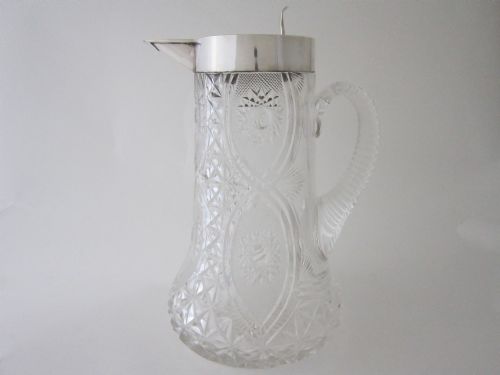
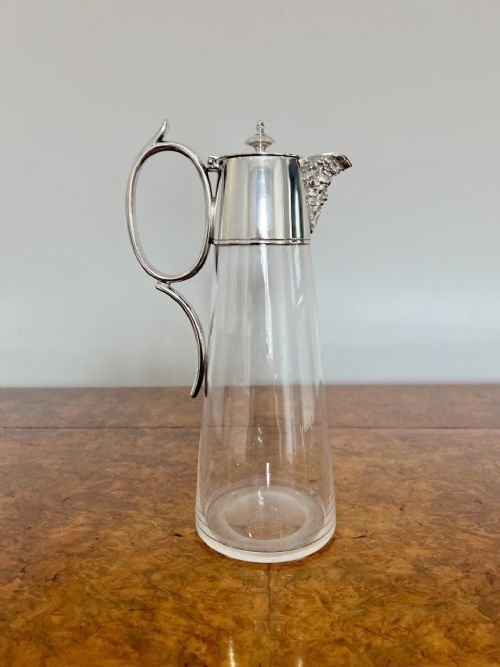
The most common examples on this page pair clear, cut, or coloured glass bodies with silver-plated or sterling silver mounts, often taking the form of traditional jugs or ewers.
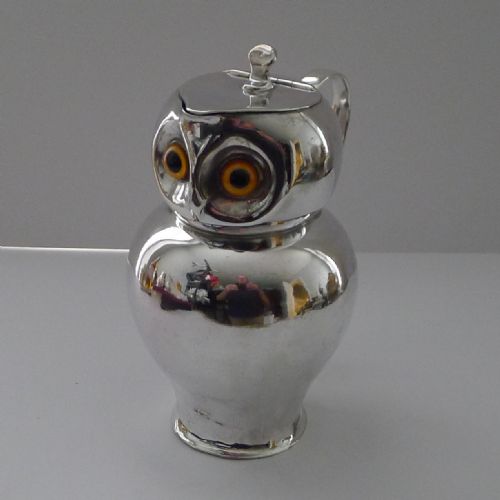
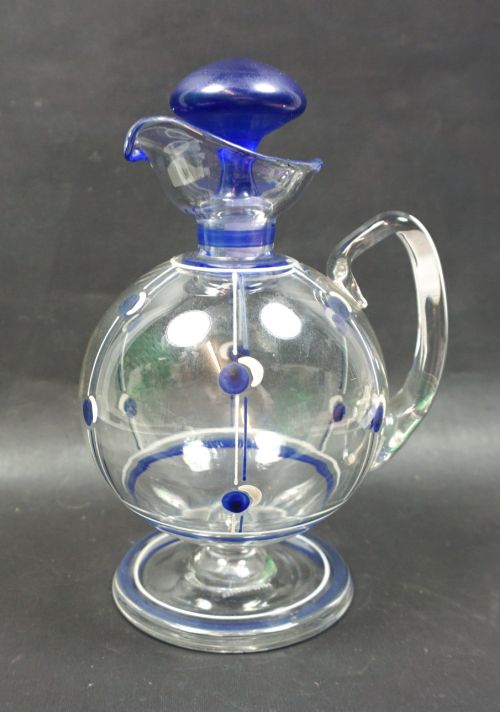
Pieces range from simple daily table vessels to novelty designs shaped like animals or decorated with vibrant enamel and delicate engravings.
Materials and construction methods
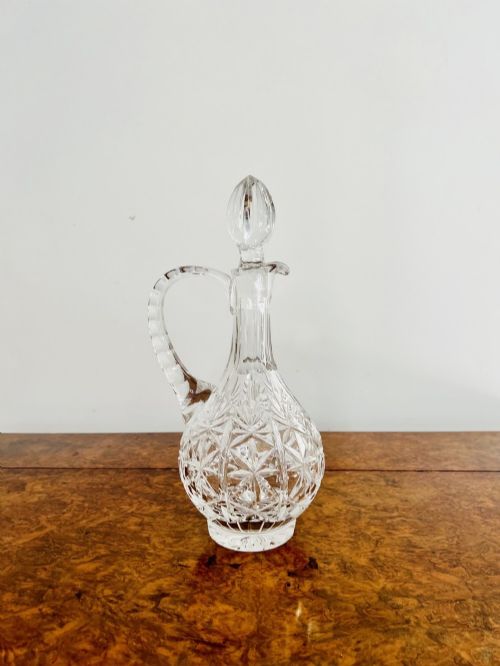
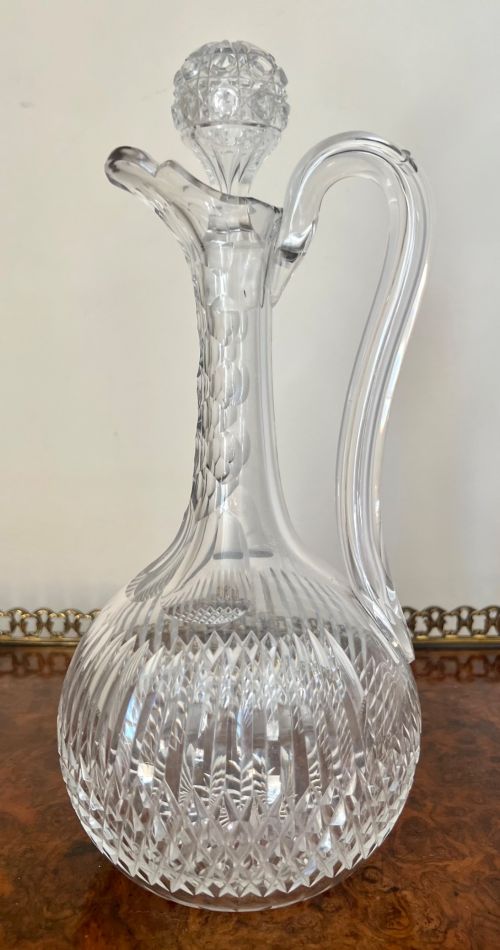
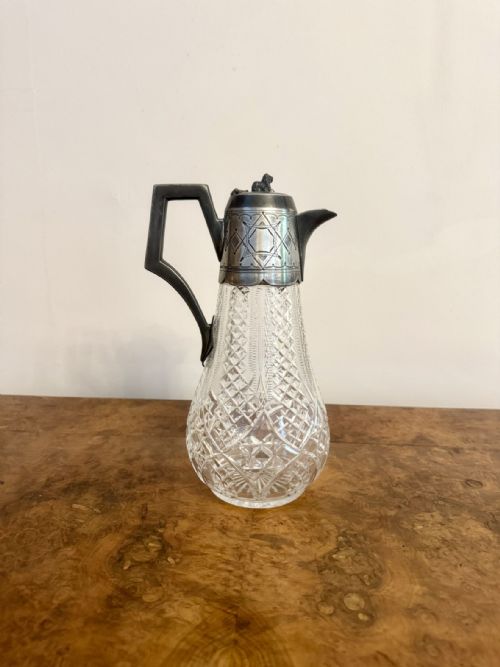
The bodies utilise cut glass, crystal, clear glass, or coloured variations such as cranberry, green, and amber glass, shaped through heavy moulding or intricate hand-cutting.
Metalwork components combine silver plate and sterling silver for handles, hinged lids, and collars, frequently secured directly to the glass neck.
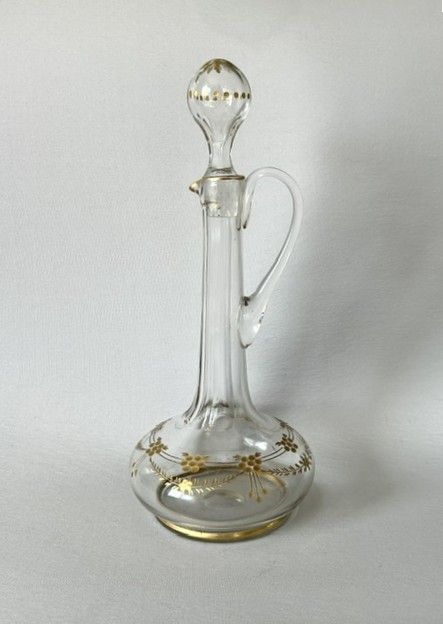
Surface decoration involves wheel-engraving, blue or polychrome enamel painting, and gilding to enrich the glass panels.
Distinctions in craftsmanship and design
Quality separates standard production items from finer works through the precision and depth of the glass cutting, where crisp facets catch the light sharply.
The weight and balance of the vessel, combined with the sturdiness of the silver-plated or sterling silver mount and the smooth action of the hinged lid, indicate superior execution.
Design complexity also defines the tier, shifting from straightforward forms to novelty shapes, detailed animal mounts, or fine pictorial engravings.
Mappin & Webb·Richardsons·Elkington & Co·Tiffany·Hukin & Heath
The Vintage Glass Claret Pitcher Glossary
- Claret jug
- A vessel specifically designed for serving red wine at the dining table. These typically feature a pourer spout and a hinged metal lid.
- Silver plate
- A layer of silver fused to a base metal core such as copper or Britannia metal. This technique provided the appearance of solid silver at a lower cost.
- Crystal
- A type of glass containing lead oxide, which increases the weight, brilliance, and clarity of the material. It allows for deep, sharp facet cutting.
- Cranberry glass
- A transparent red glass created by adding gold chloride to the molten batch. The distinctive pinkish-red hue appears frequently in nineteenth-century tableware.
- Ewer
- A large jug with a wide spout and a looped handle, traditionally used for holding water or wine. Many antique examples double as claret pitchers.
Vintage Glass Claret Pitcher: Frequently Asked Questions
What is a claret pitcher used for?
These vessels serve red wine, decanting the liquid from a standard bottle to aerate the wine and present it attractively at the dining table.
Historically, they also held iced water, lemonade, or mixed drinks, particularly the larger examples equipped with internal ice tubes.
How do I date a glass claret pitcher?
Dating relies on stylistic clues, such as the heavy geometric cutting typical of Victorian pieces or the cleaner lines associated with Edwardian and Art Deco designs.
Maker marks stamped onto the silver mounts provide definitive confirmation of the metalworking date and workshop origins.
Are silver-plated mounts fragile?
The silver-plated collars and hinged lids are structurally robust, designed to withstand regular tilting and pouring during daily dining use.
Proper care involves gentle cleaning with non-abrasive cloths to preserve the thin silver layer over the underlying base metal.
Can I use these pitchers for serving wine today?
Most antique pitchers remain fully functional for serving wine, water, or other table beverages during modern meals and gatherings.
Hand washing is essential to protect the vintage glass and any delicate enamel or silver-plated components from harsh dishwasher detergents.
What is the difference between crystal and glass?
Crystal contains added lead oxide that gives the material greater weight, refractive brilliance, and acoustic resonance when struck gently.
Standard glass lacks this lead content, resulting in a lighter feel and slightly softer edges on cut decorative facets.